Colorful Living Room Design Tips to Transform Your Space
A colorful living room design can completely change how your home feels and looks. You will learn how to pick the right color palette, choose vibrant furniture, and add bold accents without overwhelming the room. These tips work for any budget and any style preference. By the end, you will feel confident to bring more color into your living space.
A colorful living room design has the power to completely change the mood of your home. Colors influence how we feel, how we relax, and even how we connect with the people around us. A well-chosen palette can make a small room feel larger or a big room feel cozy.
Whether you love bright reds, calming blues, or sunny yellows, adding color to your living room is one of the easiest and most affordable ways to refresh your space. You do not need to be a professional designer to pull it off. With the right approach, anyone can create a room that feels joyful, welcoming, and uniquely theirs.
In this guide, you will find practical tips, real examples, and expert advice to help you build a vibrant living room you will love spending time in. Let us dive in.
Key Takeaways
- Start with a color palette: A clear plan keeps your colorful living room design cohesive and balanced.
- Use the 60-30-10 rule: This classic formula helps you distribute colors evenly across walls, furniture, and accents.
- Add color through accessories: Throw pillows, rugs, and curtains are easy ways to introduce vibrant living room ideas without a big commitment.
- Consider your natural light: Light affects how colors look, so test paint samples at different times of day.
- Mix bold and neutral tones: Pairing bright colors with neutral bases creates a playful living room that still feels calm.
- Avoid common mistakes: Don’t overdo one color, ignore lighting, or skip the 60-30-10 balance.
📑 Table of Contents
- Choosing the Right Color Palette for Your Living Room
- Painting and Wall Treatments That Make a Statement
- Choosing Colorful Furniture and Key Pieces
- Adding Color Through Accessories and Decor
- How Lighting Affects Color in Your Living Room
- Common Mistakes to Avoid in a Colorful Living Room
- Quick Tips for a Successful Colorful Living Room Design
- Conclusion
Choosing the Right Color Palette for Your Living Room
The first step in any colorful living room design is picking a color palette. A palette is simply a set of colors you plan to use together. Without one, your room can look messy or chaotic. With one, every element feels intentional and put-together.
Start With the 60-30-10 Rule
The 60-30-10 rule is a classic design trick that works beautifully for color scheme living room projects. Here is how it breaks down:
- 60% dominant color: This is usually your wall color or large furniture piece. It sets the overall tone.
- 30% secondary color: This goes on medium-sized items like sofas, curtains, or rugs.
- 10% accent color: This is your bold pop of color through cushions, artwork, or small decor items.
This ratio creates visual balance. It keeps things interesting without overwhelming the eye. For example, you might paint your walls a soft gray (60%), add a teal sofa (30%), and finish with mustard cushions and a bright vase (10%).
Pick Colors That Match Your Lifestyle
Think about how you actually use your living room. Do you have kids or pets? If so, darker or patterned colors hide stains better than pure whites. Do you host a lot of guests? Warm tones like terracotta or burnt orange create a welcoming atmosphere.
Your living room color palette should reflect who you are. A calm blue and white scheme works for a peaceful retreat. A mix of coral and gold feels energetic and social. There is no wrong answer, only what feels right for you.
Use a Color Wheel to Find Harmony
A color wheel is a simple tool that shows how colors relate to each other. Complementary colors sit opposite each other, like blue and orange. Analogous colors sit next to each other, like green, yellow-green, and yellow. Both approaches create color harmony in a room.
For a colorful living room design, analogous palettes tend to feel soothing. Complementary palettes feel more bold and energetic. Try both and see which one matches your personality better.
Painting and Wall Treatments That Make a Statement
Walls are the biggest surface in any living room, so they have a huge impact on your overall look. Choosing the right wall treatment is one of the most powerful moves in a colorful living room design.
Bold Wall Colors
Do not be afraid of deep, rich colors on your walls. Navy blue, forest green, and charcoal all make stunning statement walls. These darker hues add depth and sophistication to a space. They also make lighter furniture and decor pop even more.
If a full wall feels too intense, try painting just one accent wall. This is a wall behind your sofa or fireplace that draws the eye. It adds drama without the commitment of coloring every wall.
Color Blocking on Walls
Color blocking means painting sections of a wall in different colors. You can divide a wall in half horizontally or create geometric shapes. This technique adds visual interest and makes your vibrant living room feel modern and artistic.
Keep the colors within the same family for a cohesive look. For instance, pair a soft lavender with a deeper purple. Or try a warm peach next to a dusty rose. The result feels intentional and chic.
Textured Wall Finishes
Texture adds another layer of depth to a colorful living room design. Consider these options:
- Limewash: Gives walls a soft, matte, slightly uneven finish that looks elegant.
- Slate paint: Adds a subtle gritty texture that catches light beautifully.
- Wallpaper: Bold patterns and colors can become the centerpiece of your room.
These finishes work especially well with neutral base colors. They add just enough interest to keep the room from feeling flat.
Choosing Colorful Furniture and Key Pieces
Furniture is the backbone of your living room. When you choose pieces with color, you instantly create a colorful living room design that feels complete and curated.
Statement Furniture Pieces
A single bold piece can anchor an entire room. Think of a bright orange armchair, a teal velvet sofa, or a yellow accent bench. These statement furniture pieces do the heavy lifting when it comes to adding color.
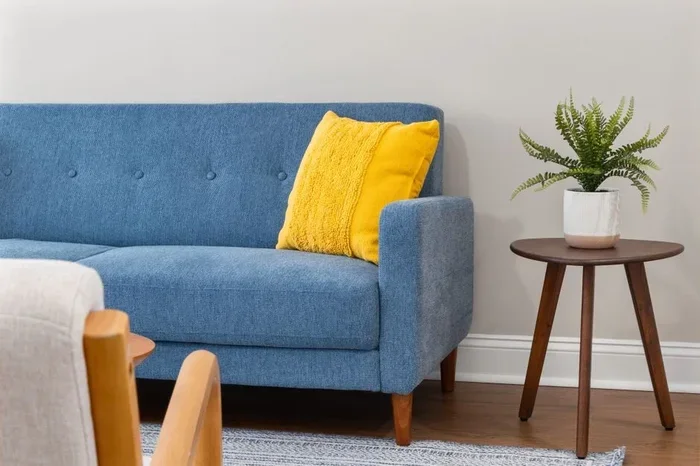
You do not need to buy a whole new furniture set. One or two colorful pieces mixed with neutral basics create a balanced look. For example, a neutral gray sofa with a bright blue accent chair feels both stylish and relaxed.
Wood Tones and Color
Do not overlook the color of your wood furniture. Warm walnut tones add richness. Light oak gives a breezy, Scandinavian feel. Dark espresso wood creates a moody, elegant vibe. Match your wood tones to your overall palette for a seamless look.
If your existing furniture does not match your new color scheme, consider adding a colorful area rug or a slipcover. These small changes can tie everything together without replacing your furniture.
Secondhand and Thrift Finds
One of the best ways to add color on a budget is to shop secondhand. Thrift stores, flea markets, and online resale sites often have unique pieces in unexpected colors. A vintage teal cabinet or a mustard velvet set of chairs can become the highlight of your playful living room.
Repainting old furniture is another affordable option. A simple coat of paint can turn a boring wooden dresser into a colorful focal point. Sand it down, prime it, and apply a bold new color for a fresh look.
Adding Color Through Accessories and Decor
If painting walls or buying new furniture feels too big a step, accessories are your best friend. They are easy to swap, affordable, and incredibly effective at adding color to a room.
Throw Pillows and Blankets
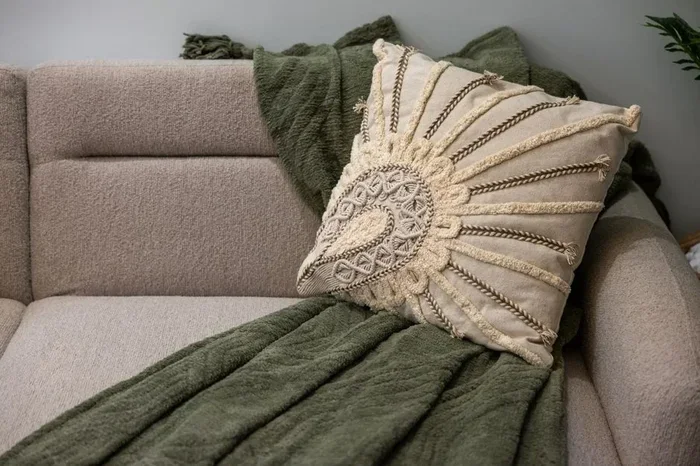
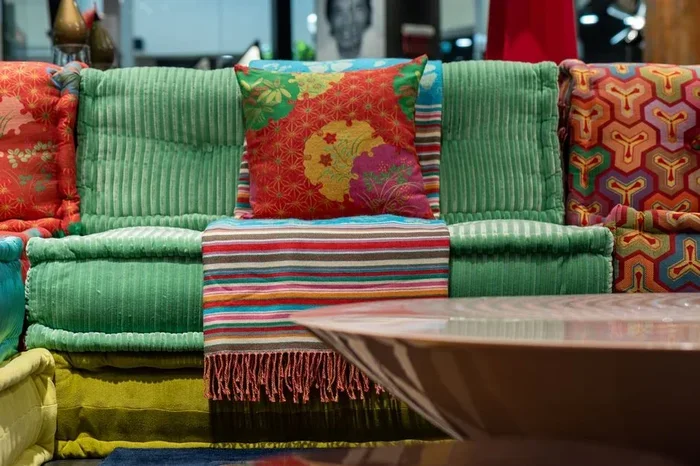
Colorful throw pillows are one of the simplest ways to introduce a new color into your living room. Mix sizes, patterns, and textures for a layered look. Velvet, linen, and cotton all feel different but can work together beautifully.
Draping a colorful blanket over your sofa adds warmth and color at the same time. It is a practical and decorative choice that makes your space feel lived-in and inviting.
Curtains and Window Treatments
Curtains take up a lot of visual space, so choosing the right color matters. Colorful curtains can either match your accent color or become the room’s main color story. Sheer curtains in soft pastels create a dreamy feel. Heavy drapes in jewel tones add drama and luxury.
For a colorful living room design, try hanging curtains a few inches above the window frame. This trick makes the room feel taller and more polished.
Wall Art and Decor Items
Art is a wonderful way to bring color into a room without committing to a permanent change. Hang a large colorful painting above your sofa. Create a gallery wall with frames in different colors. Even a single vibrant print can transform a blank wall.
Other decor items like vases, candles, and books also contribute to your vibrant living room. Stack colorful books on a coffee table. Place a bright ceramic vase on a shelf. These small touches add up to a big impact.
Colorful Rugs and Textiles
A colorful area rug ties together all the elements in your living room. It anchors the furniture grouping and adds another layer of color and pattern. Look for rugs with two or three colors from your palette to keep things cohesive.
Runners, cushion covers, and table runners are additional textiles that quietly add color throughout the space. They are easy to change when you want a fresh look.
How Lighting Affects Color in Your Living Room
Lighting plays a huge role in how colors appear in a room. The same paint color can look completely different under warm light versus cool light. Understanding this helps you make better choices for your colorful living room design.
Natural Light vs. Artificial Light
Rooms with lots of natural light can handle deeper, bolder colors. The sunlight keeps the room from feeling dark or heavy. North-facing rooms with less natural light look better with lighter, warmer tones.
Artificial lighting changes the mood too. Warm white bulbs make colors feel cozy and inviting. Cool white bulbs give a modern, crisp feel. LED strips and colored bulbs can add a fun pop of light color for evening gatherings.
Lamps and Light Fixtures as Color Elements
Do not forget that your light fixtures themselves can add color. A bright yellow table lamp or a stained glass pendant light becomes both a light source and a decor piece. These small touches reinforce your color scheme living room without adding clutter.
Testing Colors in Your Actual Space
Always test paint colors in your actual living room before committing. Paint a small swatch on the wall and observe it at different times of day. Colors shift with the light, and what looks perfect at noon might feel too bright at night.
This one simple step saves time, money, and frustration. It is the secret behind every successful living room makeover.
Common Mistakes to Avoid in a Colorful Living Room
Even with the best intentions, it is easy to make mistakes when adding color to a living room. Here are some pitfalls to watch out for.
Using Too Many Bold Colors
More is not always better. If every item in the room is a different bright color, the space will feel chaotic. Stick to your palette and let the 60-30-10 rule guide you. A few well-placed pops of color feel much stronger than a rainbow everywhere.
Ignoring the Floor and Ceiling
People often focus only on walls and furniture, forgetting the floor and ceiling. A colorful area rug, a bold ceiling color, or even painted floorboards can add another dimension to your colorful living room design.
Skipping the Test Phase
Never buy large quantities of paint or furniture without testing first. Order fabric swatches, paint sample pots, and hold them up in your room. This small effort prevents costly regrets.
Forgetting About Flow Between Rooms
If your living room connects to a hallway or dining room, think about how the colors flow between spaces. You do not need every room to match exactly, but the colors should feel connected. A shared accent color works like a bridge between spaces.
Quick Tips for a Successful Colorful Living Room Design
Here are some fast, practical tips to keep in mind as you work on your vibrant living room:
- Start with one inspiration piece, like a piece of art or a throw pillow, and build your palette around it.
- Use white or light neutrals to give your eyes a place to rest between bold colors.
- Add metallic accents like gold or brass to make colors feel more polished.
- Do not forget about the backs of shelves and the inside of cabinets. A surprise pop of color adds personality.
- Take photos of your room at different times of day to see how colors change with light.
- Trust your instincts. If you love a color, it will work in your space with the right balance.
Conclusion
A colorful living room design is one of the most rewarding projects you can take on at home. It does not require a huge budget or professional skills. With the right color palette, thoughtful furniture choices, and smart use of accessories, you can completely transform your living space.
Remember to use the 60-30-10 rule, test your colors in natural light, and have fun with the process. Your living room should reflect your personality and make you feel happy every time you walk in. Start small, experiment boldly, and enjoy the journey of creating a space that is truly yours.
Now that you have these tips, you are ready to bring color into your home. Pick your palette, gather your inspiration, and start designing a colorful living room you will never want to leave.
Frequently Asked Questions
What is the best color palette for a colorful living room design?
The best palette depends on your personal taste and the amount of natural light in your room. A popular approach is to use a neutral base with two accent colors. For example, a white and gray room with teal and coral accents creates a balanced yet vibrant look. The 60-30-10 rule helps you distribute these colors effectively.
How can I add color to my living room without painting the walls?
There are many ways to add color without paint. Try colorful throw pillows, a bright area rug, vibrant curtains, or bold wall art. You can also add a colorful sofa or accent chair. Even rearranging your existing decor to highlight colorful pieces can make a big difference.
What colors make a small living room feel bigger?
Light and cool colors like soft blue, pale green, and lavender create the illusion of more space. Pairing these with white or light wood furniture keeps the room feeling open. Avoid dark, heavy colors on all walls in a small room, as they can make the space feel cramped.
How do I mix bold colors without making the room look chaotic?
The key is to use a consistent neutral base. Let one bold color dominate through a large piece like a sofa, and use the second bold color as a smaller accent. The 60-30-10 rule also prevents chaos by giving each color a clear role in the room.
Can I use more than three colors in a colorful living room design?
Yes, but keep them balanced. Three main colors from your palette work best, with variations in shades and tones adding depth. For instance, you might use navy, coral, and cream as your core colors, then add lighter and darker versions of each for variety.
What are the latest trends in colorful living room decor?
Current trends include color blocking on walls, rich jewel tones like emerald and sapphire, and the use of terracotta and warm earthy hues. Maximalist decor, where you mix many colors and patterns boldly, is also very popular. The trend is all about expressing personality through color.
=== CONCLUSION ===
Creating a colorful living room design is one of the most enjoyable and impactful home projects you can tackle. From choosing the right color palette to adding colorful accessories, every decision brings you closer to a space that feels truly yours. The tips in this guide give you a solid foundation to work from, whether you are making a small change or a full living room makeover.
Start with a plan, trust your instincts, and remember that color is meant to bring joy. Your vibrant living room is just a few creative choices away. Get started today and enjoy the transformation!