Ambient Lighting Living Room Ideas That Transform Your Space
Ambient lighting living room designs can completely change how your space feels and functions. The right lighting setup adds warmth, depth, and a cozy atmosphere that makes every room more inviting. In this guide, you will learn the best lighting fixtures, placement tips, and style ideas to elevate your home.
There is something magical about a living room that feels warm and welcoming the moment you walk in. The secret often comes down to one thing: ambient lighting living room design. Good lighting sets the mood, highlights your favorite pieces, and makes the whole space feel alive. Whether you are refreshing a tired room or building a new setup from scratch, the right lighting choices make all the difference.
In this guide, we will walk you through everything you need to know about creating beautiful ambient lighting for your living room. You will discover the best fixture types, placement strategies, and style ideas that work in any home. By the end, you will have a clear roadmap to turn your living room into a space you love spending time in.
Key Takeaways
- Layered lighting creates depth and makes your living room feel complete and balanced.
- Warm-toned bulbs and dimmer switches instantly add a cozy, relaxing vibe to any space.
- Floor lamps, pendant lights, and LED strips are versatile options for ambient glow.
- Proper light placement avoids harsh shadows and ensures even illumination across the room.
- Mixing decorative lighting with functional sources gives your room both style and purpose.
- Avoid common mistakes like over-lighting or using cool bulbs that kill the cozy feel.
📑 Table of Contents
Why Ambient Lighting Matters in Your Living Room
Ambient lighting is the foundation of any well-designed room. It provides the general illumination that fills the space and sets the overall tone. Without it, even the most stylish furniture and decor pieces will feel flat and uninviting.
A well-planned living room lighting scheme does more than just brighten a room. It affects your mood, your energy levels, and even how comfortable you feel at home. Soft, warm light encourages relaxation after a long day. Bright, even light makes the room feel open and airy. The key is finding the right balance for your lifestyle.
Think of ambient lighting as the canvas for your entire room. Your furniture, wall art, and accent pieces all sit on top of this base layer. When the lighting is right, everything else looks better. Colors pop, textures stand out, and the room feels intentional and put-together.
The Psychology of Light
Studies show that warm lighting helps reduce stress and promotes relaxation. Cool, harsh lighting can feel clinical and unwelcoming. This is why most designers recommend warm-toned bulbs in living spaces. The color temperature of your bulbs, measured in Kelvin, plays a huge role in how a room feels.
For a cozy ambient lighting living room, aim for bulbs between 2700K and 3000K. This range produces a soft golden glow that feels natural and comforting. It mimics the warmth of sunlight during golden hour, which is why it is so universally appealing.
Types of Ambient Lighting Fixtures for Living Rooms
Not all lighting fixtures are created equal. Each type brings a different vibe and serves a unique purpose. Understanding your options helps you make smarter choices for your space.
Floor Lamps
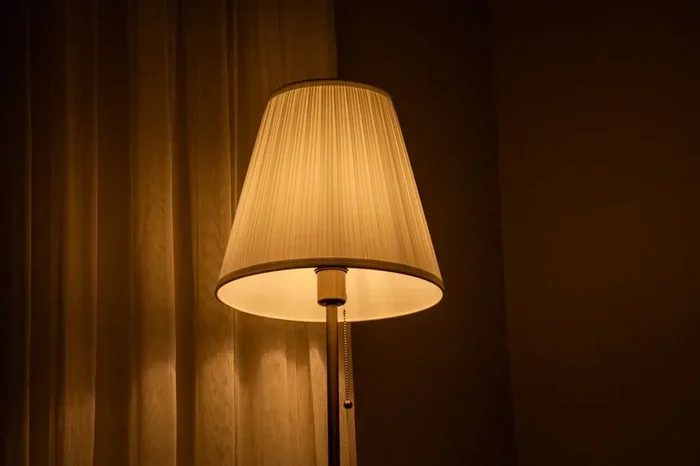
Floor lamps are one of the most popular choices for ambient lighting. They stand tall in corners or beside seating areas and cast a gentle glow upward. This creates a soft, diffused light that fills the room naturally.
You will find floor lamps in countless styles, from sleek modern designs to rustic wooden bases. They are also incredibly versatile. You can move them around easily, which makes them perfect for renters or anyone who likes to rearrange often. A floor lamp next to a reading chair adds both function and charm.
Pendant Lights
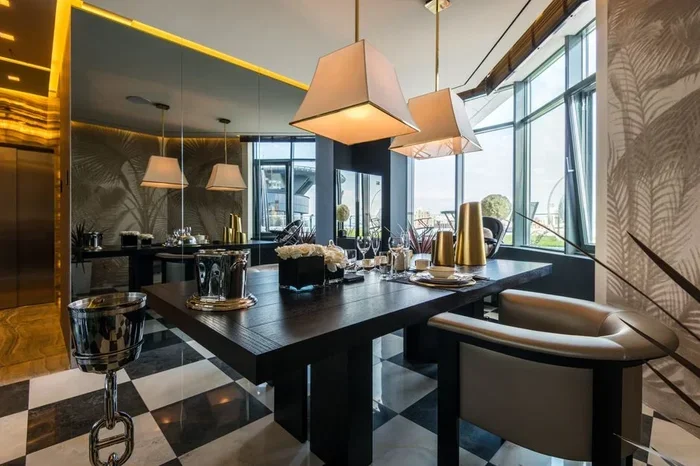
Pendant lights hang from the ceiling and act as a focal point in the room. They work especially well over seating areas, coffee tables, or dining zones within the living space. These fixtures come in all shapes and sizes, so you can find one that matches your style perfectly.
For a living room lighting setup that feels curated, consider grouping two or three pendants together at different heights. This creates visual interest and distributes light evenly across the space. Pendant lights also work beautifully as decorative lighting since the fixture itself becomes part of the room’s design.
Chandeliers and Flush Mounts
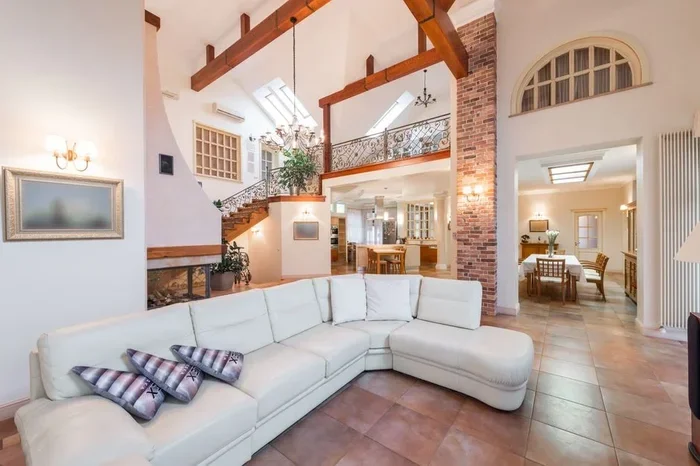
If your living room has higher ceilings, a chandelier can add a touch of elegance and drama. Smaller rooms benefit from flush mount fixtures that sit close to the ceiling and save vertical space. Both options provide excellent overhead lighting that forms the base layer of your ambient setup.
The accent pieces you choose around these fixtures matter too. A crystal chandelier paired with minimalist furniture creates a striking contrast. A simple flush mount with warm bulbs keeps the room feeling calm and unified.
LED Strips and Cove Lighting
LED strips are a game-changer for ambient lighting. You can tuck them behind shelves, under cabinets, or along ceiling edges to create a soft, indirect glow. This type of cove lighting adds depth and dimension to the room without being too harsh.
Many LED strips are dimmable and even color-changing. This means you can adjust the mood from bright and energetic to soft and relaxing with the touch of a button. They are energy-efficient and long-lasting, making them a smart investment for any ambient lighting living room setup.
How to Layer Ambient Lighting for the Best Effect
Layering is the secret to professional-looking room lighting. It means combining different light sources at various heights and angles to create a balanced and dynamic space. A single light source never does justice to a well-designed living room.
The three layers you need are ambient, task, and accent lighting. Ambient lighting provides the general glow. Task lighting focuses on specific areas like reading spots or work surfaces. Accent lighting highlights artwork, architectural details, or your favorite decor pieces. When you blend all three, the room feels complete and intentional.
Start With the Ambient Layer
Begin by choosing your main ambient light source. This is usually a ceiling fixture, a series of pendants, or a large floor lamp. This layer should provide enough light to comfortably fill the room without being blinding.
Next, add your task lighting. A table lamp next to a sofa or a wall-mounted reading light works well here. Finally, layer in accent lighting using spotlights, LED strips, or small decorative lamps. This final layer adds depth and makes the room feel layered and polished.
The Role of Dimmer Switches
One of the simplest upgrades you can make is installing dimmer switches. These let you control the brightness of your ambient lighting throughout the day. In the morning, you might want bright light to energize the room. In the evening, a dimmed setup creates a cozy atmosphere perfect for unwinding.
Dimmer switches also extend the life of your bulbs and reduce energy consumption. They are affordable and easy to install, making them one of the best investments for your living room lighting setup.
Tips for Choosing the Right Ambient Lighting
Selecting the right lighting fixtures for your living room can feel overwhelming with so many options available. Here are some practical tips to guide your decision.
Consider Your Room Size
The size of your living room directly impacts how much light you need. A small room with a single large fixture can feel overbright and cramped. A large room with too few light sources feels dim and empty. Measure your space and choose fixtures that scale appropriately.
For smaller rooms, consider a single pendant light or a pair of floor lamps placed in corners. Larger rooms benefit from a combination of ceiling fixtures and multiple floor lamps distributed evenly. The goal is even light placement that avoids dark corners and harsh glare.
Match Your Decor Style
Your ambient lighting should complement your existing decor, not clash with it. If your room has a modern aesthetic, clean-lined fixtures work best. For a bohemian or eclectic style, consider woven pendant shades or vintage-inspired table lamps.
Looking for inspiration? Check out our aesthetic living room ideas for creative ways to blend lighting with your overall design. You can also explore aesthetic living room decor tips to see how lighting fits into the bigger picture of room styling.
Think About Color Temperature
Color temperature is one of the most overlooked aspects of lighting design. As mentioned earlier, warm bulbs (2700K to 3000K) create a cozy feel. Cool bulbs (4000K and above) feel crisp and modern but can be harsh in a living room setting.
For the best results, stick with warm white bulbs for your ambient setup. If you want flexibility, look for smart bulbs that let you adjust color temperature from warm to cool. This gives you the freedom to change the mood of your room with a simple app adjustment.
Placement Matters More Than You Think
Where you place your lights matters just as much as which lights you choose. A floor lamp tucked behind a sofa creates a warm pool of light. A pendant hung too high loses its impact and wastes illumination. Aim for fixtures at eye level or slightly above for the best effect.
For practical guidance on arranging your space, our article on how to place furniture in living room covers layout strategies that work hand-in-hand with good lighting design.
Common Mistakes to Avoid with Living Room Lighting
Even the best intentions can lead to lighting mistakes that undermine your entire ambient lighting living room design. Knowing what to avoid saves time, money, and frustration.
Using Only One Light Source
The most common mistake is relying on a single overhead light. This creates flat, unflattering illumination and leaves corners dark. It also casts harsh shadows on faces and walls. Always layer your lights for a more balanced and visually interesting result.
Choosing the Wrong Bulb Brightness
Bulbs that are too bright make a room feel sterile. Bulbs that are too dim make it feel cramped and unwelcoming. Check the lumen output of bulbs before purchasing and match it to your room size. A living room typically needs around 1500 to 3000 lumens total from all sources combined.
Ignoring the Switch Placement
It sounds minor, but switch placement affects how you actually use your lights. If your main switch is far from the entrance, you walk into a dark room every time. Consider adding smart switches or motion sensors for added convenience. These small changes make a big difference in your daily experience.
Forgetting About Natural Light
Ambient lighting works best when it complements natural light, not fights it. During the day, open curtains and blinds to let sunlight in. In the evening, your artificial lights take over. Think of your lighting design as a partnership between natural and artificial sources.
Bringing It All Together
Creating the perfect ambient lighting living room is all about balance, layering, and intention. Start with a strong base layer of warm, even illumination. Add task lights where you need them. Finish with accent lights that highlight your favorite features. Add dimmer switches so you can adjust the mood throughout the day.
The best living room lighting setups feel effortless because they are thoughtfully planned. Take your time, experiment with placement, and do not be afraid to try different combinations. Your living room is one of the most used spaces in your home, and it deserves lighting that makes it feel truly special.
Remember, ambient lighting is not just about brightness. It is about creating a feeling. A feeling of warmth, comfort, and welcome every time you step through your door. With the right fixtures, the right placement, and a little creativity, you can transform any living room into a space that feels like home.
Frequently Asked Questions
What is the best color temperature for ambient lighting in a living room?
Warm white bulbs between 2700K and 3000K work best for ambient lighting living room setups. This range creates a cozy, inviting glow that feels natural and relaxing. It is the most popular choice among interior designers for living spaces.
How many light sources should a living room have?
Aim for at least three to five light sources to properly layer your living room lighting. This usually includes a ceiling fixture, one or two floor or table lamps, and accent lighting like LED strips. The exact number depends on your room size and layout.
Can ambient lighting replace overhead lighting?
Yes, in many cases. Floor lamps, pendant lights, and wall sconces can provide sufficient ambient light without a traditional overhead fixture. The key is ensuring the light spreads evenly across the room and provides enough brightness for daily activities.
What is the difference between ambient and accent lighting?
Ambient lighting provides general illumination that fills the entire room. Accent lighting is more focused and highlights specific objects or areas like artwork or architectural details. Together, they create a balanced and visually interesting space.
Are LED strips worth it for ambient lighting?
Absolutely. LED strips are versatile, energy-efficient, and easy to install. They create a soft, indirect glow that adds depth and dimension to any room. They are also dimmable and available in warm tones perfect for ambient lighting.
How do I make my living room lighting feel cozy?
Use warm-toned bulbs, add dimmer switches, and layer multiple light sources at different heights. Avoid harsh overhead lights and opt for fixtures that cast light upward or outward. Soft, indirect light is the key to a cozy atmosphere in any living room.
=== CONCLUSION ===
Ambient lighting living room design is one of the simplest and most impactful upgrades you can make to your home. The right combination of fixtures, bulb temperatures, and placement strategies transforms even the most basic room into a warm and inviting retreat. Start with the tips in this guide, experiment with what works for your space, and enjoy the process of building a lighting setup that truly reflects your style.
Remember, great lighting is not about brightness. It is about creating a mood, enhancing your decor, and making your living room a place you genuinely love to be. Take it one step at a time, and soon your room will glow with the kind of warmth and charm that makes everyone feel right at home.