Natural Stone Wall Living Room Ideas for Stunning Design
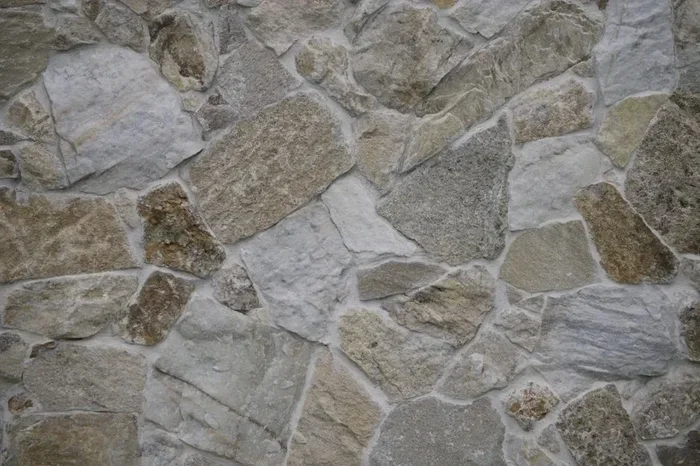
A natural stone wall living room brings rustic charm and modern elegance into any home. Whether you choose a full stone accent wall or subtle stone details, this design trend adds depth, texture, and lasting value to your living space. Explore the best styles, materials, and tips to create a show-stopping natural stone wall living room that reflects your personal taste.
There is something magical about a natural stone wall living room. The rough texture, the earthy tones, and the way light dances across the surface instantly make a space feel warm and inviting. If you have been searching for a way to refresh your living room without a full renovation, a stone feature wall might be the answer.
In this guide, we will walk you through everything you need to know. From choosing the right stone type to pairing it with furniture and lighting, we cover all the details. By the end, you will feel confident enough to start your own natural stone wall living room project.
A natural stone wall living room is more than just a trend. It is a design choice that has stood the test of centuries. From ancient castles to modern lofts, stone walls bring a sense of permanence and character that few other materials can match.
Today, homeowners love stone walls because they add visual interest without clutter. A single stone accent wall can become the focal point of the entire room. It draws the eye, starts conversations, and gives your space a story to tell.
The beauty of natural stone lies in its imperfections. Every slab is unique. No two walls look exactly alike. This means your living room will have a one-of-a-kind character that mass-produced materials simply cannot replicate.
Key Takeaways
- Natural stone walls elevate any living room by adding organic texture, warmth, and a timeless aesthetic that suits both modern and traditional interiors.
- Multiple stone types are available, including limestone, slate, marble, and travertine, each offering unique colors, patterns, and finishes for different design styles.
- Installation options range from full accent walls to subtle stone veneers, giving homeowners flexibility based on budget and ambition.
- Proper lighting and furniture pairing are essential to highlight the beauty of a stone wall and create a balanced, cohesive living room design.
- Maintenance is straightforward with regular sealing and gentle cleaning, ensuring your natural stone wall living room stays beautiful for years.
- Combining stone with other materials like wood, metal, and glass creates a dynamic, layered look that feels curated and intentional.
- DIY installation is possible for veneer panels, but larger projects benefit from professional help to ensure durability and a polished finish.
📑 Table of Contents
- Why a Natural Stone Wall Living Room Works So Well
- Best Types of Natural Stone for Living Room Walls
- How to Choose the Right Stone for Your Living Room
- Design Ideas for a Natural Stone Wall Living Room
- How to Install a Natural Stone Wall
- Common Mistakes to Avoid
- Expert Tips for a Polished Finish
- Conclusion
Why a Natural Stone Wall Living Room Works So Well
Stone is one of the oldest building materials on earth. Its presence in a living room creates an instant connection to nature. This biophilic design principle has been shown to reduce stress and improve mood. That is a powerful benefit for the heart of your home.
Beyond aesthetics, stone walls offer practical advantages. They are incredibly durable. They resist fire. They add insulation, which can help regulate room temperature. When you invest in a stone wall, you are investing in longevity.
A stone wall also acts as a neutral backdrop. It pairs beautifully with almost any color palette or furniture style. Whether your taste leans toward minimalist modern or cozy farmhouse, a stone wall fits right in.
Timeless Appeal That Never Goes Out of Style
Trends come and go, but natural stone has remained a design staple for centuries. A stone wall in your living room will look just as beautiful in ten years as it does today. This timeless quality makes it a smart investment for any homeowner.
Stone also ages gracefully. Over time, it develops a patina that adds even more character. Unlike painted walls that may chip or fade, stone only gets better with age.
Texture and Depth That Transform a Space
Flat walls can feel boring. A stone wall introduces depth and dimension. The varying textures create shadows and highlights that change throughout the day as natural light shifts. Your living room will never look the same twice.
Even a small stone accent wall can make a large room feel intimate. It breaks up the space visually and creates zones within an open floor plan. This is especially useful in studio apartments or open-concept homes.
Best Types of Natural Stone for Living Room Walls
Not all stone is created equal. Different types offer different looks, textures, and price points. Understanding your options helps you choose the perfect stone for your vision.
Limestone
Limestone is a soft, warm-toned stone that works beautifully in living rooms. It comes in shades of cream, beige, and light gray. Its smooth texture and subtle veining give it an elegant, understated look. Limestone is relatively affordable and easy to work with, making it a popular choice for first-time stone wall projects.
Slate
Slate has a dramatic, layered appearance that adds instant drama to any room. It comes in deep grays, greens, and purples. Slate is naturally cleft, which gives it a textured surface that catches light beautifully. It is also extremely durable and resistant to moisture, making it ideal for living rooms near kitchens or bathrooms.
Marble
Marble brings a touch of luxury to a natural stone wall living room. Its smooth surface and elegant veining patterns create a high-end feel. White marble with gray veins is a classic choice, but marble also comes in green, black, and gold tones. Marble is pricier than other stones, but the result is undeniably stunning.
Travertine
Travertine is a form of limestone that features natural holes and a warm, honey-colored tone. It is very popular in Mediterranean and Tuscan-style interiors. Travertine can be filled or left unfilled, depending on the look you prefer. Its organic, earthy feel makes it a favorite for creating cozy, inviting living spaces.
Sandstone
Sandstone offers a rustic, earthy look with warm reds, oranges, and browns. It is a great choice for farmhouse or bohemian living room designs. Sandstone is relatively soft, which makes it easy to cut and shape for custom installations. Its natural warmth pairs well with wooden furniture and warm lighting.
How to Choose the Right Stone for Your Living Room
Choosing the right stone depends on several factors. Your style preferences, budget, and the existing furniture in your room all play a role. Here is what to consider before making a decision.
Consider Your Existing Decor
Take a look at your current living room furniture and color scheme. A cool-toned slate pairs well with modern, minimalist decor. Warm limestone or sandstone complements rustic and traditional styles. Marble works in both classic and contemporary settings.
Think about your flooring, curtains, and sofa colors. Your stone wall should complement these elements, not clash with them. If your room has a lot of neutral tones, a bold colored stone can add just the right amount of interest.
Think About Lighting
Lighting plays a huge role in how stone looks in your space. Natural light brings out the best in stone, revealing its subtle colors and textures. If your living room gets plenty of sunlight, you have more flexibility in stone choice.
For rooms with limited natural light, choose lighter stones like limestone or white marble. These will help bounce light around the room and prevent the space from feeling dark. You can also add wall sconces or picture lights to highlight the stone texture at night.
Set a Realistic Budget
Stone costs vary widely. Limestone and sandstone are generally more affordable. Marble and specialty stones can be quite expensive. Factor in not just the stone itself but also installation costs, adhesives, and finishing materials.
A natural stone veneer panel is a budget-friendly alternative to full stone slabs. Veneer gives you the look of real stone at a fraction of the cost and weight. It is an excellent option for renters or those working with a tight budget.
Design Ideas for a Natural Stone Wall Living Room
Now comes the fun part. Let us explore some design ideas that will help you bring your vision to life. Each idea offers a different vibe, so you can find what suits your home best.
Full Stone Feature Wall
A full stone feature wall is the most impactful option. It covers an entire wall from floor to ceiling and creates a bold statement. This works best in larger living rooms where the wall can be appreciated without overwhelming the space.
Pair a full stone wall with a simple sofa and minimal decor. Let the wall be the star of the show. Add a few accent pieces for living room like a ceramic vase or a woven basket to keep the space balanced.
Stone Veneer Accent Wall
If a full wall feels too much, a stone veneer accent wall is a perfect compromise. Veneer panels are thin slices of real stone that are lightweight and easy to install. You can create a geometric pattern or a simple rectangular panel to add visual interest.
Place the veneer panel behind your sofa or on the wall opposite your fireplace. This creates a natural focal point that ties the room together. For more ideas on styling, check out our guide on aesthetic living room ideas for additional inspiration.
Stone and Wood Combination
Combining stone with wood creates a warm, inviting atmosphere that feels both modern and cozy. A stone lower half paired with wooden upper panels is a popular design choice. This combination works beautifully in farmhouse and Scandinavian-inspired interiors.
The wood adds softness and warmth, while the stone provides texture and grounding. This pairing also looks stunning with natural fiber rugs and linen curtains. It is a versatile combination that suits many different styles.
Stone Around a Fireplace
If you have a fireplace, surrounding it with natural stone is a classic move. Stone fireplace surrounds add warmth and character to the room’s centerpiece. Marble around a fireplace gives a refined, elegant look, while slate creates a more rustic feel.
You can extend the stone up the chimney breast or keep it contained to the fireplace area. Either way, a stone fireplace surround instantly elevates the entire room. For tips on styling around your fireplace, explore our article on how to decorate a sideboard in a living room for complementary furniture placement ideas.
Stone Wall with Built-In Shelves
Built-in shelves on a stone wall create a stunning display area. You can showcase books, plants, candles, and decorative objects. The stone background makes every item on the shelf look more curated and intentional.
This design works especially well in nook areas or under windows. It maximizes vertical space while adding functionality. For styling tips on open shelves, our guide on how to style open shelves living room offers practical advice.
How to Install a Natural Stone Wall
Installing a stone wall is a project that requires planning and patience. Whether you hire a professional or take the DIY route, understanding the process helps you make informed decisions.
Preparation Steps
Start by measuring the wall area accurately. Remove any existing wall coverings, wallpaper, or paint. Make sure the wall surface is clean, dry, and free of debris. If the wall is uneven, apply a leveling compound to create a smooth surface.
Next, plan your layout. Dry-fit the stone pieces on the floor before installing them on the wall. This helps you visualize the pattern and avoid cutting stones in awkward places. Mark the starting point and work your way up.
Installation Methods
For full stone slabs, you will need a strong adhesive rated for heavy stone. Apply the adhesive in thin, even layers using a notched trowel. Press each stone firmly into place and use spacers to maintain consistent grout lines.
For veneer panels, the process is much simpler. Panels can be attached directly to a clean wall surface using construction adhesive. No mortar or specialized tools are required. This makes veneer a popular choice for weekend DIY projects.
After installation, allow the adhesive to cure fully before applying grout. Follow the manufacturer’s instructions for curing times. Proper curing ensures a strong, lasting bond.
Sealing and Maintenance
Natural stone is porous, which means it can absorb liquids and stains if left unsealed. Apply a high-quality stone sealer after installation and reapply every one to two years. This protects the stone from moisture, dirt, and discoloration.
Cleaning is simple. Use a soft cloth or brush with mild soap and warm water. Avoid acidic or abrasive cleaners, as they can damage the stone surface. With proper care, your stone wall will look beautiful for decades.
Common Mistakes to Avoid
Even with the best intentions, mistakes can happen. Here are some common pitfalls to watch out for when designing your natural stone wall living room.
- Choosing the wrong stone for the room’s size. A large, heavily textured stone wall in a small room can feel overwhelming. Scale your choice to fit the space.
- Ignoring the grout color. Grout can make or break the look. Choose a grout color that complements the stone rather than contrasting too sharply.
- Skipping the sealant. Unsealed stone stains easily and is harder to clean. Always seal your stone wall before or shortly after installation.
- Overlooking lighting. Without proper lighting, a stone wall can look flat and dull. Use accent lighting to highlight the texture and depth of the stone.
- Cluttering the space. Let the stone wall breathe. Too many decorations competing for attention will dilute the impact of the stone feature.
Expert Tips for a Polished Finish
Want your stone wall to look professionally designed? Follow these expert tips to elevate your natural stone wall living room.
Mix stone types for visual interest. Combining two complementary stones, like limestone and slate, creates a layered, curated look. Just make sure they share a similar color palette to keep the design cohesive.
Use dimmable lighting. Adjustable lighting lets you change the mood of the room throughout the day. Warm, soft lighting in the evening highlights the stone’s natural beauty and creates a cozy atmosphere.
Anchor the room with furniture that complements the stone. Natural materials like wood, rattan, and linen work best with stone walls. Avoid matching too many glossy or synthetic materials, as they can clash with the organic feel of the stone.
For furniture selection guidance, our article on how to choose furniture for a living room provides helpful insights on pairing furniture with stone features.
Add greenery near the stone wall. Plants bring life and softness to a stone feature. A large potted plant or a hanging planter placed near the wall creates a beautiful contrast between the organic stone and lush green foliage.
Conclusion
A natural stone wall living room is one of the most impactful design choices you can make. It brings texture, warmth, and timeless elegance into your home. Whether you choose a bold full stone wall or a subtle veneer accent, the results are stunning and long-lasting.
The key is to choose the right stone type, plan your layout carefully, and pair the wall with complementary furniture and lighting. Avoid common mistakes like skipping the sealant or overcrowding the space. With the right approach, your stone wall will become the most talked-about feature in your home.
Start small if you are unsure. Try a veneer panel first and see how you feel. You can always expand to a full wall later. The most important thing is to create a space that feels authentic and beautiful to you. Your natural stone wall living room is waiting to become a reality.
Frequently Asked Questions
What is the best type of natural stone for a living room wall?
Limestone and sandstone are excellent choices for most living rooms because they are affordable, easy to work with, and come in warm, versatile tones. Marble is ideal if you want a luxurious look, while slate works great for a more dramatic, modern feel. Choose based on your style, budget, and the amount of natural light in your room.
Can I install a stone wall myself?
Yes, stone veneer panels are very DIY-friendly and can be installed with construction adhesive and basic tools. Full stone slabs require more experience and specialized materials like mortar and heavy-duty adhesive. If you are new to masonry projects, starting with veneer is a smart and manageable choice.
How do I maintain a natural stone wall in my living room?
Maintenance is simple. Seal the stone when installed and reapply sealer every one to two years. Clean with a soft cloth and mild soap and water. Avoid acidic or abrasive cleaners that can damage the stone surface. Regular dusting keeps the wall looking fresh and vibrant.
Will a stone wall make my living room feel smaller?
It depends on the size and texture of the stone. A heavily textured, dark stone wall in a small room can feel overwhelming. However, a light-colored stone veneer or a partial accent wall can actually make a room feel more defined and cozy without shrinking the perceived space.
How much does it cost to install a natural stone wall?
Costs vary widely based on stone type and installation method. Stone veneer panels typically cost between $10 and $40 per square foot. Full natural stone slabs can range from $30 to $100+ per square foot including installation. Always get quotes from multiple contractors for the most accurate pricing.
Can I combine a stone wall with other materials in my living room?
Absolutely. Stone pairs beautifully with wood, metal, and glass. A stone and wood combination creates a warm, balanced look. Stone with metal accents adds a modern, industrial edge. Mixing materials adds depth and makes your living room feel thoughtfully designed rather than flat.
===
=== INTERNAL LINKS USED ===
- aesthetic living room ideas
- how to decorate a sideboard in a living room
- how to style open shelves living room
- how to choose furniture for a living room
===