Stunning Living Room Wall Panel Design Ideas You Will Love
Living room wall panel design is one of the easiest ways to completely change the look and feel of your space. Whether you prefer sleek modern panels or rustic wood textures, there is a style that fits every home. In this guide, you will find proven ideas, practical tips, and expert advice to help you choose and install the perfect wall panels for your living room.
Your living room is the heart of your home. It is where you relax, entertain guests, and spend quality time with family. One of the fastest ways to refresh this important space is through living room wall panel design. Wall panels add texture, depth, and personality to any wall. They turn a plain room into a stylish, inviting space that reflects who you are.
Whether you are renovating an existing room or decorating a new space, wall panels offer endless creative possibilities. You do not need a big budget or professional skills to get amazing results. In this article, we will walk you through the best wall panel ideas, materials, and tips to help you design a living room you will love coming home to. Let us dive in.
Key Takeaways
- Wall panels add instant texture and depth to any living room without a full renovation.
- Material choice matters — wood, 3D, and geometric panels each create a unique look and feel.
- Accent wall panels are a cost-effective way to make a bold design statement.
- Proper installation and placement ensure your panels look professional and last for years.
- Budget-friendly options exist for renters and homeowners who want a stylish update.
- Color and finish play a big role in how your wall panels complement the rest of the room.
📑 Table of Contents
- Why Wall Panels Are a Game-Changer for Living Room Design
- Best Materials for Living Room Wall Panels
- Trending Living Room Wall Panel Design Styles
- How to Choose the Right Wall Panel Design for Your Space
- Installation Tips and Common Mistakes to Avoid
- Budget-Friendly Wall Panel Ideas for Every Home
- Color Trends for Wall Panels in 2024
- How to Pair Wall Panels with Your Furniture and Decor
- Common Mistakes to Avoid in Wall Panel Design
- Final Thoughts on Living Room Wall Panel Design
Why Wall Panels Are a Game-Changer for Living Room Design
Wall panels have become one of the most popular ways to upgrade a living room. They work because they are versatile, easy to install, and instantly transform a room. Instead of painting or wallpapering, panels add a three-dimensional feel that catches the eye. They create focal points and give your walls real character.
One of the biggest advantages of living room wall panel design is flexibility. You can cover one wall as an accent or go wall-to-wall for a dramatic effect. Panels also hide imperfections on walls, such as cracks or uneven surfaces. This makes them a smart choice for older homes or rental properties.
Instant Visual Impact
A single accent wall with panels can change the entire mood of a room. Decorative wall panels draw the eye and set the tone for your decor. They add dimension that flat paint simply cannot match. Even a small panel installation can make a big difference in how the room feels.
Think about how you want your living room to feel. Do you want it warm and cozy? Sleek and modern? Rustic and natural? The right wall panel choice helps you achieve that feeling. Pair your panels with the right accent pieces for living room to complete the look.
Cost-Effective Room Transformation
Hiring a contractor for a full renovation can be expensive. Wall panels offer a much more affordable alternative. You can achieve a high-end look without the high-end price tag. Many panel options are DIY-friendly, which saves even more money on labor costs.
For homeowners on a budget, budget wall panels made from MDF or PVC are excellent choices. They look great and cost a fraction of what real wood or stone panels would. If you are renting, removable or peel-and-stick panels let you update your space without damaging the walls.
Best Materials for Living Room Wall Panels
Choosing the right material is the most important decision in your living room wall panel design. Each material brings a different look, texture, and level of durability. Here are the most popular options homeowners love today.
Wood Wall Panels
Wood panels bring warmth and natural beauty to any living room. They come in many species, from light oak to rich walnut. Shiplap wall panels are a favorite for creating a farmhouse or coastal vibe. Plank-style wood panels work well in modern and Scandinavian-inspired spaces.
Real wood panels are durable and long-lasting. They can be stained, painted, or left natural to show off the grain. If you love the look of real wood but need a more affordable option, engineered wood panels are a great alternative. They look almost identical but cost less and resist moisture better.
3D Wall Panels
3D wall panels are all the rage right now, and for good reason. They create stunning depth and visual interest on any wall. These panels come in geometric patterns, organic shapes, and abstract designs. They work beautifully as a focal wall behind a sofa or TV.
Most 3D panels are made from high-density foam, PVC, or MDF. They are lightweight and easy to cut to size. Installation is straightforward — many snap together like puzzle pieces. For a truly stunning effect, pair 3D wall panels with warm lighting to highlight the textures and shadows they create.
Geometric and Textured Panels
Geometric panels add a modern and artistic feel to living rooms. Hexagonal patterns, chevron designs, and angular shapes create a bold statement. These panels work especially well in aesthetic living room ideas that lean toward contemporary or minimalist styles.
Textured panels include options like ribbed, fluted, or hammered finishes. They add a tactile element that makes a room feel more layered and sophisticated. Textured wall panels pair beautifully with neutral color palettes and natural materials like wood and stone.
Trending Living Room Wall Panel Design Styles
Design trends change, but some styles have staying power. Here are the most trending approaches to living room wall panel design right now.
Modern Minimalist Panels
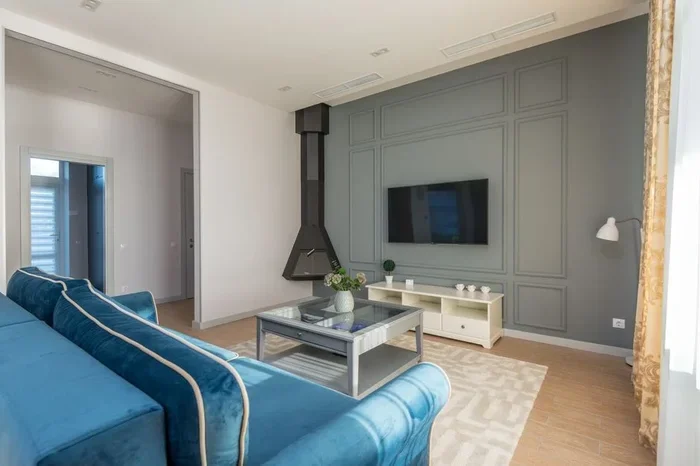
The modern minimalist style favors clean lines and subtle textures. Flat paneling in soft whites, grays, or muted tones fits this aesthetic perfectly. The goal is simplicity without feeling bare. Smooth, seamless panels create a calm and uncluttered look.
Pair minimalist panels with sleek furniture and plenty of negative space. This style works best in rooms with good natural light. It makes small living rooms feel open and airy while still adding visual interest to the walls.
Rustic and Farmhouse Panels
Rustic design celebrates natural materials and imperfect beauty. Reclaimed wood panels, shiplap, and barn-style paneling are top choices for this look. The key is to embrace the natural grain, knots, and character of the wood.
Rustic panels pair well with cozy textiles like throw blankets and linen cushions. Add some warm lighting and earthy accents to complete the farmhouse feel. This style creates a living room that feels welcoming and grounded.
Bold and Statement Panels
For those who love to make a statement, bold wall panels are the way to go. Large-scale patterns, dramatic colors, and unconventional shapes grab attention immediately. Statement wall panels work best on a single accent wall to avoid overwhelming the space.
Deep navy, emerald green, and charcoal are popular bold panel colors. You can also try panels with intricate carved designs or metallic finishes. The key is balance — let the panels be the star and keep the rest of the room simple.
How to Choose the Right Wall Panel Design for Your Space
Not every panel idea will work in every room. Choosing the right living room wall panel design depends on several factors. Here is a practical guide to help you decide.
Consider Your Room Size
Small living rooms benefit from lighter-colored panels that reflect light and make the space feel larger. Avoid heavy, dark panels on every wall — they can make a small room feel cramped. One accent wall with panels is usually the safest and most effective choice for smaller spaces.
Large living rooms can handle bigger, bolder panel designs. You can go wall-to-wall or use panels on multiple walls. Darker tones and textured panels add coziness to big rooms that might otherwise feel cold or empty.
Match Your Existing Decor
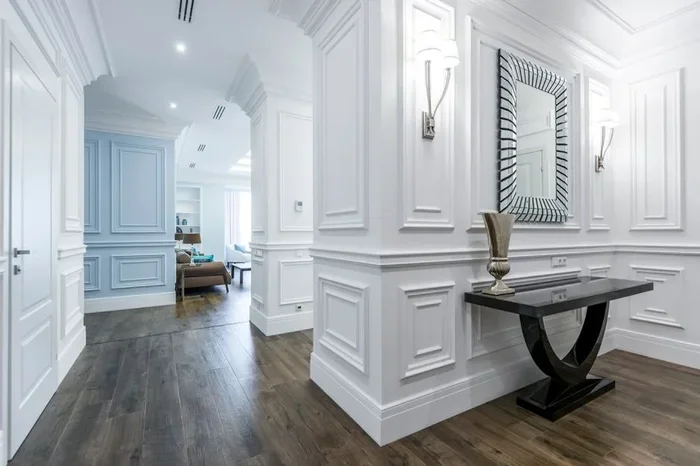
Your wall panels should complement your furniture, flooring, and color scheme. Look at the style of your sofa, coffee table, and curtains. If your room has a modern aesthetic, clean-lined panels in neutral tones will fit right in. For a bohemian or eclectic vibe, try textured or patterned panels.
Take inspiration from aesthetic living room decor when choosing your panel style. Browse magazines, Pinterest boards, and design websites for ideas. Save images of rooms you love and look for patterns in the materials and colors used.
Think About Lighting
Lighting plays a huge role in how wall panels look. Directional lights and wall sconces highlight panel textures beautifully. Recessed lighting can create dramatic shadows on 3D panels, adding depth and dimension.
For a warm and inviting feel, use warm-toned bulbs. Cool white lights work better with modern, minimalist panels. Test different lighting setups before you finalize your panel placement to see what looks best in your space.
Installation Tips and Common Mistakes to Avoid
Installing wall panels is easier than most people think. With the right preparation and a little patience, you can do it yourself. Here are some tips to ensure a smooth and professional-looking result.
Prep Your Walls First
Before you start installing panels, make sure your walls are clean, dry, and smooth. Fill any holes or cracks and sand down rough spots. A smooth wall surface helps panels adhere better and look more even. Use a level to mark your starting line — this prevents crooked installations.
If you are working with heavy panels, consider reinforcing the wall with a backing board first. This gives you a solid surface to attach panels to and prevents them from shifting over time.
Common Mistakes to Avoid
One of the biggest mistakes is skipping the primer. Always prime your walls before installing panels, especially on painted surfaces. Another common error is not measuring carefully. Measure twice and cut once to avoid wasted panels and uneven edges.
Do not rush the spacing between panels. Gaps that are too wide or too narrow both look unprofessional. Use spacers if needed to keep gaps consistent. And finally, do not forget to account for electrical outlets and switches. Plan your panel layout around these fixtures to avoid awkward cutouts.
Once your panels are installed, check out our guide on how to style open shelves to complete your living room look with beautifully displayed decor.
Budget-Friendly Wall Panel Ideas for Every Home
You do not need to spend a fortune to get beautiful wall panels. There are plenty of affordable options that deliver stunning results. Here are some budget-friendly ideas to consider.
- Peel-and-stick panels — These are perfect for renters or anyone who wants a temporary update. They come in many styles and can be removed without damage.
- MDF panels — Medium-density fiberboard panels are affordable, lightweight, and easy to paint. They are a great alternative to solid wood.
- DIY paneling kits — Many companies sell pre-cut panel kits at reasonable prices. They include everything you need for a clean installation.
- Plywood panels — Sanded and finished plywood can look surprisingly elegant. It is one of the most affordable wood options available.
- Thin PVC panels — These panels mimic the look of wood or stone at a fraction of the cost. They are also waterproof, making them great for humid rooms.
No matter your budget, there is a wall panel option that fits. The key is to focus on quality over quantity. A few well-placed panels on one wall can transform your entire room more effectively than covering every surface.
To keep your panels looking their best over time, explore our tips on how to decorate shelves in the living room for easy maintenance and styling inspiration.
Color Trends for Wall Panels in 2024
Color choice can make or break your living room wall panel design. The right color enhances your room’s style and ties everything together. Here are the top color trends for wall panels this year.
| Color Trend | Best For | Vibe |
|---|---|---|
| Warm Neutrals | Modern, Scandinavian | Cozy, inviting, timeless |
| Deep Earth Tones | Rustic, Bohemian | Grounding, natural, warm |
| Soft Pastels | Minimalist, Coastal | Fresh, airy, calming |
| Bold Jewel Tones | Statement walls | Dramatic, luxurious, bold |
| Charcoal and Black | Industrial, Modern | Sleek, moody, sophisticated |
Warm neutrals like beige, taupe, and soft white remain the most popular choices for wall panels. They work with almost any decor style and create a calming atmosphere. Deep earth tones like terracotta, olive green, and burnt sienna are trending for those who want a richer, more grounded feel.
Soft pastels are perfect for creating a light and airy living room. Sage green, dusty blue, and blush pink panels add a gentle pop of color without overwhelming the space. For the boldest look, jewel tones like emerald, sapphire, and amethyst make stunning accent walls that feel luxurious and dramatic.
Charcoal and black panels are gaining popularity in industrial-style living rooms. They add a moody, sophisticated edge that pairs beautifully with metal fixtures and dark wood furniture. When using dark panels, make sure your room has enough lighting to keep it from feeling too heavy.
How to Pair Wall Panels with Your Furniture and Decor
Wall panels do not exist in isolation. They need to work with the rest of your living room furniture and decor. Here are some tips for creating a cohesive look.
Start with your furniture. If you have a plush velvet sofa in a neutral tone, simple wood panels in a matching warm tone will create harmony. If your furniture is modern and minimal, clean-lined geometric panels add just the right amount of texture without competing for attention.
Use your wall panels as a starting point for your color palette. Pull colors from the panels into your cushions, rugs, and curtains. This creates a unified look that feels intentional and polished. Adding the right accent pieces for living room like vases, artwork, and books ties everything together.
Do not forget about your flooring. Wall panels and flooring should complement each other. Light wood panels pair well with light hardwood floors. Dark panels work best with medium-toned flooring. If your floors are bold, keep your panels more neutral to maintain balance.
For more furniture arrangement ideas, check out our guide on how to place furniture in the living room to make sure your panels and furnishings work together perfectly.
Common Mistakes to Avoid in Wall Panel Design
Even with the best intentions, some common mistakes can ruin your wall panel project. Here are the ones to watch out for.
- Ignoring scale — Too many small panels on a large wall can look busy and chaotic. Choose panel sizes that match your wall dimensions.
- Wrong color choice — Picking a panel color without testing it in your room’s lighting can lead to disappointing results. Always test a sample first.
- Poor edge treatment — Visible edges and gaps make panels look DIY and unfinished. Take time to caulk and trim edges properly.
- Skipping the backer board — Installing panels directly onto drywall without a backer can lead to uneven surfaces and long-term damage.
- Overcrowding the room — Wall panels are most effective when they are part of a balanced design. Too many competing elements make a room feel cluttered.
Avoiding these mistakes will save you time, money, and frustration. Take your time with planning and installation, and your living room wall panel design will look professional and beautiful for years to come.
For more design inspiration, explore our collection of aesthetic living room ideas to find the perfect style for your home.
Final Thoughts on Living Room Wall Panel Design
Living room wall panel design offers a world of creative possibilities for every home and budget. From natural wood textures to bold 3D patterns, there is a panel style that fits your personal taste and room needs. The key is to choose materials and colors that complement your existing decor while adding the character and depth you want.
Start small if you are unsure. A single accent wall with panels can be a test run. Once you see the transformation, you may want to expand to more walls or rooms. The beauty of wall panels is that they are forgiving and flexible — you can always change them as your style evolves.
Remember to prep your walls properly, choose quality materials, and take your time during installation. The results will speak for themselves. Your living room will feel refreshed, stylish, and uniquely yours. Start planning your living room wall panel design today and enjoy the process of creating a space you truly love.
Frequently Asked Questions
What is the best wall panel material for a living room?
Wood panels are the most popular choice for living rooms because they add warmth and natural beauty. If you are on a budget, MDF or PVC panels offer a similar look at a lower cost. Choose based on your style preference and room conditions.
Can I install wall panels myself?
Yes, most wall panels are designed for DIY installation. They are lightweight and come with simple attachment methods. Basic tools like a level, measuring tape, and a saw are all you need. Start with a small accent wall to build your confidence.
How much does it cost to install wall panels in a living room?
Costs vary widely depending on the material and room size. Budget options like PVC or peel-and-stick panels can cost as little as $1 to $5 per square foot. Real wood panels range from $10 to $30 per square foot. DIY installation saves significantly on labor costs.
Are wall panels suitable for small living rooms?
Absolutely. Light-colored panels on a single accent wall can make a small room feel larger and more open. Avoid covering every wall in a small room, as this can make the space feel cramped and overwhelming.
How do I clean and maintain wall panels?
Most wall panels can be cleaned with a soft, damp cloth. Wood panels benefit from occasional polishing. Avoid harsh chemicals or abrasive cleaners that could damage the finish. Regular dusting keeps panels looking their best.
Can wall panels be used in rooms with high humidity?
Yes, but choose moisture-resistant materials like PVC or sealed wood panels. These materials withstand humidity better than untreated wood or MDF. Bathrooms and kitchens are common places for panel installation, but living rooms with proper ventilation also work well.