Living Room Wall Colour Combination Ideas for Your Home
Choosing the right living room wall colour combination can completely change the feel of your home. Whether you prefer soft neutrals or bold accent walls, the perfect palette brings life to any room. This guide covers trending colour schemes, practical tips, and expert advice to help you pick colours that match your style and make your living room look its best.
Your living room is the heart of your home. It is where you relax, entertain guests, and spend quality time with family. One of the fastest and most affordable ways to refresh this space is by changing the wall colour combination. A thoughtful palette can make a small room feel larger, a dark room feel brighter, and a plain room feel truly stylish.
But with so many options out there, choosing the right living room wall colour combination can feel overwhelming. Should you go with soft neutrals? Bold jewel tones? Or maybe a two-tone approach? This guide walks you through everything you need to know. You will find practical ideas, expert tips, and inspiration to help you make a confident choice. Let us dive in.
Key Takeaways
- Neutral palettes create a calm and timeless living room wall colour combination that works for any home.
- Bold accent walls add personality and depth without overwhelming your space.
- Warm tones like terracotta and olive green make a room feel cozy and inviting.
- Cool tones such as soft blue and sage green bring a modern and refreshing feel.
- Two-tone wall ideas let you mix light and dark shades for a balanced and stylish look.
- Lighting matters a lot when choosing wall colours, so always test samples first.
- Pair your wall colour with the right accent pieces and furniture for a polished finish.
📑 Table of Contents
- Why Your Wall Colour Combination Matters
- Popular Neutral Wall Colour Combinations
- Bold and Trending Colour Combinations
- Two-Tone and Accent Wall Ideas
- How Lighting Affects Your Wall Colours
- Pairing Wall Colours with Furniture and Decor
- Common Mistakes to Avoid
- Quick Tips for Choosing the Perfect Combination
Why Your Wall Colour Combination Matters
The walls in your living room set the tone for the entire space. They act as a backdrop for your furniture, artwork, and decor. A well-chosen wall colour combination creates harmony and balance. It ties all the elements in the room together. On the other hand, a poor colour choice can clash with your furniture and make the room feel disjointed.
Colour also affects your mood. Studies in colour psychology show that warm tones like soft orange and beige make people feel relaxed. Cool tones like blue and green promote calmness and focus. Dark colours add drama and elegance. Light colours open up a space and make it feel airy. Understanding this helps you pick a palette that not only looks good but also feels right.
The Role of Undertones
One thing many people overlook is undertones. Every paint colour has a hidden undertone. For example, a white paint might lean slightly pink, blue, or yellow. When you build a living room wall colour combination, these undertones matter. They can either create a cohesive look or cause unexpected clashes. Always check the undertone of your chosen colours before committing.
Popular Neutral Wall Colour Combinations
Neutral colours are the safest and most versatile choice for a living room. They work with almost any style of furniture and decor. If you are unsure where to start, neutrals are a great place to begin.
Soft Beige and Warm White
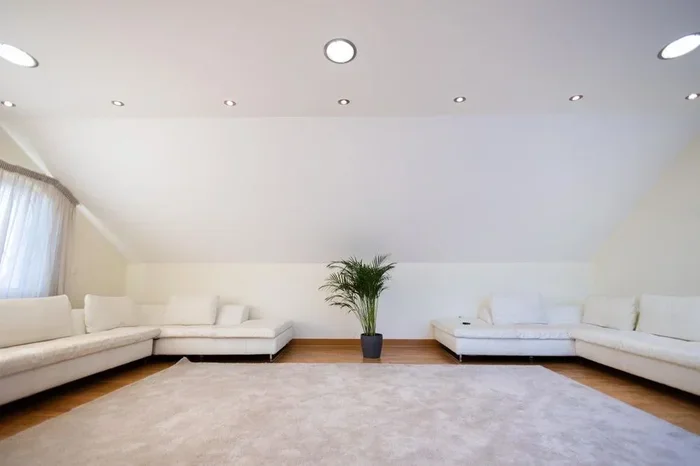
A combination of soft beige walls with warm white trim is a classic choice. This pairing creates a warm and welcoming atmosphere. It works beautifully in both traditional and modern settings. You can add wooden furniture and natural textures to enhance the look. This combination also pairs well with accent pieces for living room like throw pillows and rugs.
Greige and Cream
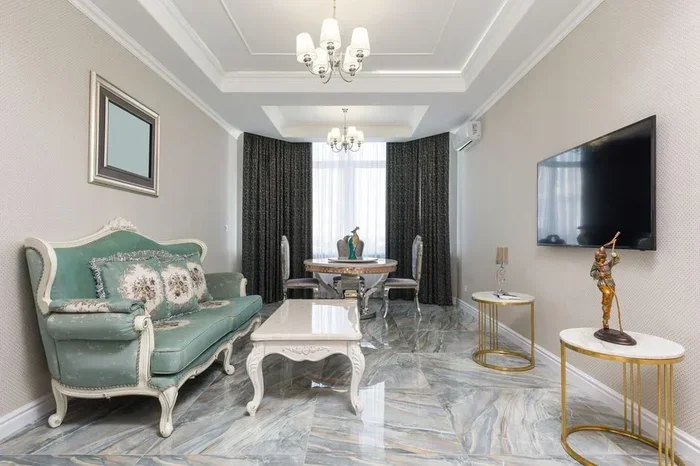
Greige, which is a mix of grey and beige, has become very popular in recent years. Paired with cream tones, it creates a sophisticated and elegant feel. This living room wall colour combination works especially well in spaces with plenty of natural light. It makes the room feel fresh and contemporary without being cold.
Charcoal and Off-White
If you want a slightly bolder neutral look, try charcoal walls with off-white trim. This combination adds depth and drama while staying grounded. It is perfect for a modern or industrial-style living room. You can balance the dark walls with light-coloured furniture and plenty of lighting.
Bold and Trending Colour Combinations
Sometimes you want your living room to make a statement. Bold wall colours can do exactly that. They add personality and energy to a space. Here are some trending combinations to consider.
Deep Navy and Gold Accents
Deep navy walls paired with gold or brass accents create a rich and luxurious feel. This combination works wonders in rooms with high ceilings. It adds a sense of warmth and grandeur. Pair it with velvet furniture and mirrored decor for a glamorous touch. This is one of the most striking living room wall colour combination ideas for those who love drama.
Terracotta and Olive Green
Terracotta walls with olive green accents bring a warm and earthy vibe. This combination is inspired by nature and creates a very grounding atmosphere. It suits bohemian and rustic styles perfectly. Add some woven baskets, indoor plants, and wooden furniture to complete the look. You can explore more about earthy themes in our African themed living room guide for extra inspiration.
Sage Green and Soft Peach
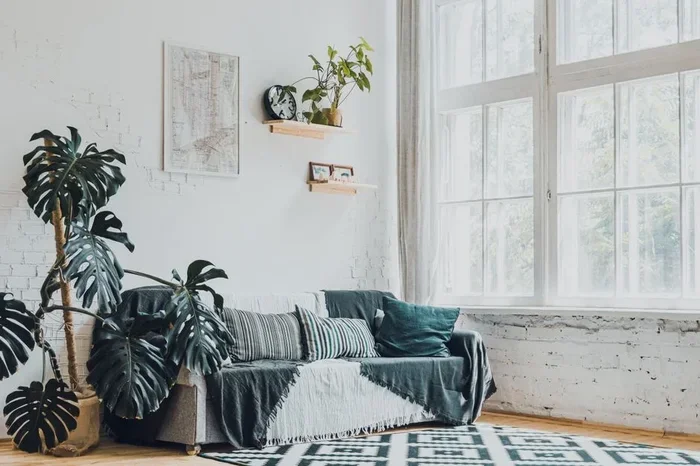
Sage green walls with soft peach or blush accents create a soft and romantic feel. This combination is trending in modern farmhouse and Scandinavian styles. It feels fresh and calming at the same time. This palette works well with natural materials like linen and rattan.
Two-Tone and Accent Wall Ideas
Two-tone walls are a fantastic way to add visual interest without going overboard. An accent wall gives you a chance to use a bolder colour on just one wall while keeping the rest neutral.
How to Choose Your Accent Wall
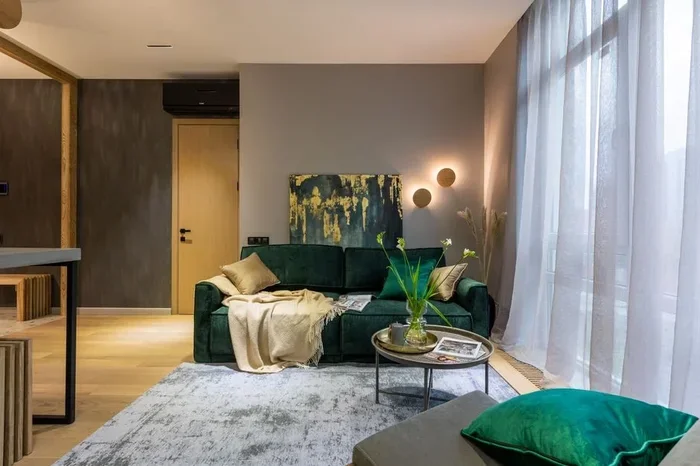
The best wall for an accent is usually the one behind your sofa or the first wall you see when you enter the room. Choose a colour that complements your main wall shade. For instance, if your main walls are light grey, a deep teal or mustard accent wall can look stunning. This approach lets you experiment with bold wall colours without committing to painting every wall.
Split-Level Colour Ideas
Another popular technique is the split-level approach. You paint the lower half of the wall in a darker shade and the upper half in a lighter tone. This creates a grounded and balanced feel. It works especially well in rooms with crown moulding or wainscoting. You can also use wallpaper on the lower half for added texture.
Colour Blocking for Modern Spaces
Colour blocking means painting different sections of the wall in contrasting colours. This is a fun and artistic way to create a unique living room wall colour combination. You can use painter’s tape to create clean lines. This style suits contemporary and eclectic interiors very well.
How Lighting Affects Your Wall Colours
One of the most important things to remember is that lighting changes everything. A colour that looks beautiful in a store might look completely different in your living room. Natural light, artificial light, and the direction your windows face all play a role.
North-Facing Rooms
North-facing rooms tend to get cooler, bluish light. Warm tones like beige, soft yellow, and terracotta work well here. They counteract the cool light and make the room feel cozier.
South-Facing Rooms
South-facing rooms get plenty of warm, bright light. You can afford to use cooler tones like soft blue, grey, or sage green. These colours will look balanced and refreshing throughout the day.
Artificial Lighting Tips
Always test your paint samples under the lighting you actually use. LED lights can make colours look cooler, while warm bulbs add a golden glow. Paint a small section on your wall and observe it at different times of the day. This simple step saves a lot of regret later.
Pairing Wall Colours with Furniture and Decor
Your wall colour is just the beginning. How you pair it with furniture and decor determines the final result. A great living room wall colour combination works hand in hand with the right accessories.
Matching Furniture to Wall Colours
If your walls are light, you can use furniture in any colour. Dark furniture on light walls creates a classic contrast. Light furniture on dark walls gives a modern and airy feel. For a cohesive look, pick furniture tones that complement your wall palette. You can find more guidance on choosing the right pieces in our how to choose furniture for a living room article.
Using Art and Accessories to Tie the Room Together
Artwork, cushions, rugs, and curtains should all echo your wall colours. You do not need to match exactly. Instead, pick shades from the same colour family. This creates a layered and intentional look. Add a few accent pieces to bring in contrast and visual interest. Check out our accent pieces for living room guide for practical ideas on styling your space.
Adding Texture for Depth
Texture plays a big role in how wall colours feel. A matte finish absorbs light and looks softer. A satin or semi-gloss finish reflects light and adds a subtle shine. You can also use textured wallpaper or wall panels to add dimension. Combining different textures with your wall colour combination makes the room feel rich and dynamic.
Common Mistakes to Avoid
Even with the best intentions, mistakes can happen when choosing wall colours. Here are some common pitfalls to watch out for.
- Ignoring the floor and ceiling: Your wall colour should work with the floor and ceiling colours too. A dark floor needs lighter walls to balance the look.
- Skipping sample testing: Never buy a full gallon without testing a sample first. Paint a small area and live with it for a few days.
- Following trends blindly: Trends come and go. Choose colours you love and that suit your lifestyle. A timeless living room wall colour combination will always serve you better than a trendy one.
- Using too many colours: Stick to two or three main colours. Too many colours create visual clutter and make the room feel chaotic.
- Forgetting about flow: Your living room should feel connected to the rest of the house. Use similar tones in adjacent rooms for a cohesive look.
Quick Tips for Choosing the Perfect Combination
- Start with a colour you love and build around it.
- Use the 60-30-10 rule: 60% dominant colour, 30% secondary colour, 10% accent colour.
- Test samples on multiple walls to see how they look in different light.
- Consider the size of your room. Light colours make small rooms feel bigger.
- Look for inspiration in magazines, Pinterest, and interior design blogs.
- Do not be afraid to ask a professional for advice if you are stuck.
Choosing a living room wall colour combination is one of the most rewarding home improvement projects you can take on. It is personal, creative, and instantly transforms your space. Whether you go with calming neutrals or eye-catching bold shades, the key is to choose colours that make you feel at home. Trust your instincts, test your samples, and enjoy the process.
Remember, your living room reflects who you are. Let your wall colours tell your story. With the right palette, a little planning, and some creativity, you can turn any living room into a beautiful and welcoming space. Start experimenting today and watch your room come to life.
Frequently Asked Questions
What is the best living room wall colour combination for small spaces?
For small living rooms, stick to light and neutral colours like soft white, pale grey, or light beige. These shades reflect more light and make the room feel open and spacious. You can add a single accent wall in a slightly darker tone to create depth without making the room feel cramped.
How many colours should I use in a living room wall colour combination?
Two to three colours work best for most living rooms. Use the 60-30-10 rule to balance them. Sixty percent should be the dominant wall colour, thirty percent a secondary shade, and ten percent an accent colour through decor and accessories.
Can I mix warm and cool tones in my living room walls?
Yes, but do it carefully. Mixing warm and cool tones can create a dynamic and interesting space. The key is to use one as the dominant tone and the other as a subtle accent. Test how they look together in your specific lighting before committing.
What living room wall colour combination works best with dark furniture?
Light walls like soft white, cream, or light grey pair beautifully with dark furniture. This creates a balanced contrast that keeps the room from feeling too heavy. You can also add warm accent pieces to soften the look and bring in more personality.
How do I test wall colours before painting?
Buy small sample pots of your chosen colours and paint a generous section on your wall. Observe it in the morning, afternoon, and evening light. Live with it for at least two days before making a final decision. This simple step helps you avoid costly mistakes.
Are matte or glossy finishes better for living room walls?
Matte finishes are popular for living rooms because they hide imperfections and give a soft, elegant look. Semi-gloss finishes are easier to clean and work well in high-traffic areas. Choose based on your lifestyle and how much wear and tear your walls will face.
=== CONCLUSION ===
A great living room wall colour combination has the power to completely transform your home. It sets the mood, defines the style, and makes your space feel truly yours. Whether you prefer calming neutrals, bold accent walls, or trendy two-tone designs, the right colours bring everything together. Use the tips and ideas in this guide to find a palette that fits your personality and your space. Take your time, test your samples, and enjoy the journey of creating a living room you will love for years to come.