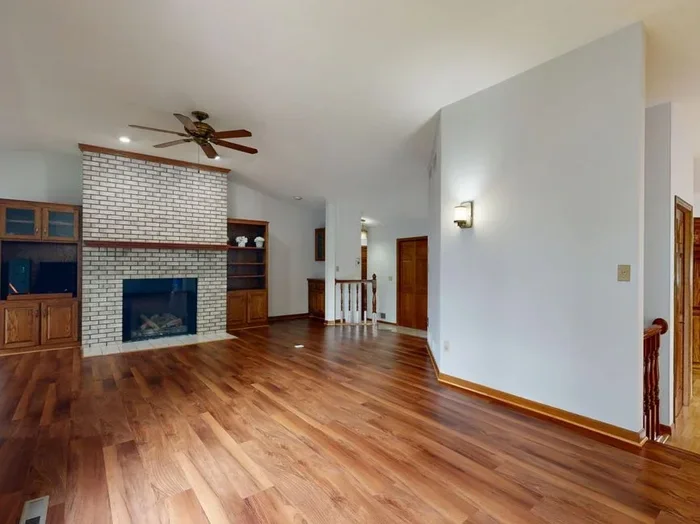
Living Room Wall Colors for Oak Floors 10 Stunning Ideas
Choosing the right living room wall colors for oak floors can completely transform your space. Oak flooring brings warmth and natural beauty, so your wall colors need to complement its unique tones. This guide covers 10 stunning ideas ranging from soft neutrals to bold accents. You will learn how light and dark wall colors interact with oak wood. By the end, you will have the confidence to pick the perfect palette for your living room.
When it comes to designing a living room, the relationship between your wall colors and oak floors matters more than you might think. Oak flooring has a unique warmth and natural grain that deserves wall colors working in harmony with it. The wrong paint choice can make a beautiful oak floor look flat and uninspired. The right combination, on the other hand, creates a cohesive and inviting space that feels intentional and polished.
Whether you are renovating an existing living room or starting from scratch, selecting wall colors for oak floors is one of the most impactful decisions you will make. This article explores 10 stunning ideas that work with different styles, lighting conditions, and personal tastes. You will find practical tips, expert insights, and real-world examples to guide your decision. Let us dive in and find the perfect palette for your space.
Key Takeaways
- Warm neutrals like beige and cream are timeless choices that pair beautifully with oak floors.
- Greige (gray-beige) creates a modern and sophisticated look that enhances the natural warmth of oak.
- Deep navy and forest green add dramatic contrast and make oak floors pop with richness.
- Soft whites and off-whites brighten a room and let oak flooring stand out as the focal point.
- Bold accent walls with earthy tones can add personality without overwhelming the space.
- Always test paint samples on your wall and observe them at different times of day before committing.
- The undertone of your oak floors matters just as much as the wall color you choose.
📑 Table of Contents
Why Wall Colors Matter for Oak Floors
Oak floors have a distinct personality. Their warm undertones, natural grain patterns, and varying shades of brown create a foundation that influences every design choice in the room. Wall colors either enhance or clash with this foundation, which is why the pairing matters so much.
The Warmth Factor
Oak flooring naturally brings warmth to a room. This warmth comes from the wood’s golden, amber, and honey tones. When you pair oak floors with the right wall colors, that warmth spreads throughout the space, creating a cozy and welcoming atmosphere. Cool or stark wall colors can sometimes fight against this warmth, making the room feel disjointed.
Undertones Are Everything
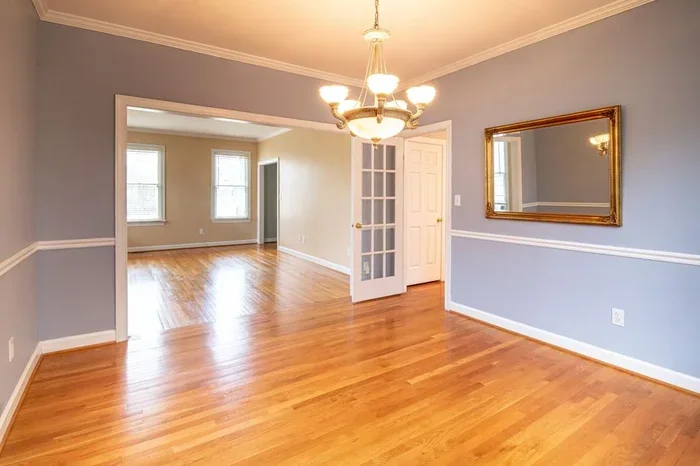
Every piece of oak flooring has undertones. Some lean warm with golden and reddish hints. Others lean cool with ashier and grayish tones. Your wall colors need to respect these undertones. A warm oak floor pairs best with warm wall colors like beige, cream, and soft yellow. A cooler oak floor works well with gray tones and muted blues.
Understanding this simple principle will save you from costly mistakes. It also helps you narrow down your options quickly when you are standing in a paint store trying to decide between dozens of shades.
10 Stunning Living Room Wall Colors for Oak Floors
Now let us explore the actual color ideas. Each option offers a different vibe and works with a specific style of interior design.
Idea 1: Warm Beige
Warm beige is perhaps the most classic pairing with oak floors. It echoes the golden tones in the wood and creates a seamless, unified look. Beige wall colors make a living room feel grounded and comfortable without feeling boring. This shade works beautifully in both traditional and modern settings.
For best results, choose a beige with a warm undertone rather than a pinkish or cool beige. Think of shades like “warm sand” or “golden cream.” These colors let the oak floors shine while keeping the walls soft and inviting.
Idea 2: Greige (Gray-Beige)
Greige has taken the interior design world by storm, and for good reason. This blend of gray and beige works wonders with oak floors because it bridges the gap between warm wood tones and cooler modern aesthetics. Greige wall colors add sophistication and depth without feeling cold.
Greige is especially popular in living room design because it pairs well with a wide range of furniture styles. Whether your sofa is leather, fabric, or vintage, greige walls create a neutral backdrop that lets your pieces stand out.
Idea 3: Soft White or Off-White
If you want a bright and airy living room, soft white or off-white wall colors are a fantastic choice. These shades reflect light and make the room feel larger and more open. They also allow the oak floors to take center stage as the visual anchor of the room.
Avoid pure bright white, as it can feel sterile and clash with the warmth of oak. Instead, opt for creamy whites or ivory tones. These subtle differences create a much cozier and more harmonious feel. Off-white walls also give you more flexibility with furniture and decor choices.
Idea 4: Muted Sage Green
Muted sage green brings a natural and organic feel to a living room with oak floors. This earthy tone complements the wood’s natural origins and creates a calming, spa-like atmosphere. Sage green works particularly well in living room wall colors schemes that lean toward nature-inspired or Scandinavian design.
The key is to keep the green muted and not too saturated. A bright green will fight with the oak, while a soft, dusty sage blends seamlessly. Pair sage green walls with natural textures like linen, rattan, and jute for a complete look.
Idea 5: Deep Navy Blue
Deep navy blue creates a striking and dramatic contrast against oak floors. This bold choice adds personality and depth to the room. Navy walls make oak floors look richer and more luxurious by providing a dark, moody backdrop that highlights the wood’s grain and warmth.
Navy works best in rooms with good natural light. In dimmer spaces, navy can feel heavy and overwhelming. If you love the idea of navy but worry about the size of your room, consider using it as an accent wall instead of painting all four walls. This approach gives you the drama without closing in the space.
Idea 6: Soft Gray
Soft gray is a versatile and modern choice for living rooms with oak floors. It creates a clean and contemporary look while still respecting the warmth of the wood. Gray walls work especially well in minimalist and industrial design styles.
Choose a warm gray rather than a cool gray to avoid clashing with the oak. Warm grays with hints of beige or taupe blend naturally with wood tones. This combination is a favorite in modern living room ideas because it feels sleek yet inviting.
Idea 7: Warm Terracotta
Terracotta brings earthy, Mediterranean warmth to a living room. When paired with oak floors, it creates a rich and layered look that feels grounded and cozy. Terracotta walls work beautifully in boho and southwestern design styles.
This color is more daring than beige or gray, so use it thoughtfully. A single accent wall in terracotta adds character without overwhelming the room. Balance terracotta walls with neutral furniture and plenty of natural textures to keep the space feeling harmonious.
Idea 8: Soft Blush or Dusty Rose
Soft blush or dusty rose adds a touch of warmth and femininity to a living room with oak floors. This gentle pink tone complements the warmth of oak while adding a subtle pop of color. Blush walls create a romantic and inviting atmosphere that feels both trendy and timeless.
The trick with blush is to choose a muted, dusty version rather than a bright or hot pink. Dusty rose blends naturally with oak and pairs well with white or cream furniture. It is a wonderful option for living room wall colors that need to feel both stylish and livable.
Idea 9: Charcoal or Dark Charcoal
Charcoal walls create a bold and moody living room, especially when paired with oak floors. The contrast between dark walls and warm wood creates a dramatic and sophisticated look. This combination works beautifully in larger rooms with high ceilings and plenty of natural light.
Charcoal is not for the faint of heart. It absorbs light and can make smaller rooms feel cramped. If you love the idea but have a small living room, consider painting only the wall behind your sofa or fireplace. This accent approach gives you the drama without sacrificing the sense of space.
Idea 10: Warm Taupe
Taupe is the unsung hero of neutral wall colors. It sits right between gray and brown, making it a natural companion for oak floors. Warm taupe walls create a refined and understated elegance that lets the flooring speak while still providing a beautiful backdrop.
Taupe is incredibly versatile. It works with virtually any furniture color and pairs well with both modern and traditional decor. If you are unsure which direction to go, taupe is a safe and stylish choice that never feels boring.
How to Choose the Right Color for Your Space
With so many options, choosing the right living room wall colors for oak floors can feel overwhelming. Here are some practical steps to help you make the best decision for your home.
Consider Your Lighting
Lighting has a huge impact on how wall colors look in your living room. Rooms with plenty of natural light can handle darker and bolder colors. Rooms with limited natural light benefit from lighter and warmer shades. Before you commit, observe how light enters your room throughout the day. North-facing rooms tend to have cooler light, while south-facing rooms get warmer, golden light.
Test Paint Samples First
Never buy a gallon of paint without testing it first. Paint a small section of your wall with the sample color and live with it for a few days. Watch how the color looks in the morning, afternoon, and evening. Also, check how it looks next to your oak floors. Colors can look very different on a small swatch versus a full wall.
Think About Your Furniture
Your wall colors should complement your furniture, not compete with it. If you have dark oak furniture, lighter wall colors like soft white or beige create a balanced look. If your furniture is lighter, you can go bolder with wall colors like navy or terracotta. The goal is harmony, not matching everything exactly.
Use the 60-30-10 Rule
The 60-30-10 rule is a classic design principle that helps you balance colors in a room. Sixty percent of the room should be your dominant color (usually the walls). Thirty percent should be a secondary color (like furniture or curtains). Ten percent should be an accent color (like cushions or artwork). This rule ensures your living room feels balanced and well thought out.
Common Mistakes to Avoid
Even the best intentions can lead to mistakes when choosing wall colors for oak floors. Here are some pitfalls to watch out for.
- Ignoring the undertone of your oak floors. This is the number one mistake people make. Cool oak floors need cool wall colors, and warm oak floors need warm wall colors.
- Choosing pure white walls. Pure white can feel harsh and clinical next to warm oak. Always opt for a creamy or off-white shade instead.
- Painting all walls the same dark color. Dark walls in a small room can make it feel closed in and cramped. Use dark colors strategically as accent walls.
- Forgetting about the ceiling. The ceiling color matters too. A white or very light ceiling keeps the room feeling open and balanced.
- Skipping the trim and molding. Trim in a crisp white or a shade lighter than your walls creates a clean finish and frames the room beautifully.
Expert Tips for a Cohesive Look
Design professionals have shared insights that can take your living room from good to great. Here are some tips to keep in mind.
First, bring a piece of your oak flooring or a photo of it when you go paint shopping. This gives you a direct reference to compare against paint swatches. Second, consider the flow between rooms. If your living room opens to a hallway or dining room, you want the colors to feel connected. Third, do not forget about your accessories. Accent pieces for living room like throw pillows, rugs, and curtains should echo your wall color and tie the whole room together.
Another expert tip is to look at how natural light changes throughout the day. A color that looks perfect at noon might feel completely different in the evening. This is especially important if your living room has large windows or skylights.
Finally, trust your instincts. Trends come and go, but your home should reflect your personal style. If a color makes you feel happy and relaxed, it is probably the right choice for you.
How to Add Finishing Touches to Your Living Room
Once you have chosen your wall colors, the next step is adding the finishing touches that bring the room to life. Aesthetic living room ideas often rely on thoughtful layering of textures, lighting, and decor elements to create a cohesive and inviting atmosphere.
Start with your lighting. Warm-toned lighting complements oak floors and the wall colors we have discussed. Avoid harsh cool-white bulbs and opt for soft warm lighting instead. Lamps, pendant lights, and even candles can add depth and warmth to the room.
Next, think about how you style your shelves and surfaces. How to style open shelves living room with items that echo your wall color palette creates a seamless look. Place books, plants, and decorative objects in colors that complement your walls and oak floors. This layered approach gives the room depth and visual interest.
Do not overlook the importance of textiles. Cushions, throws, and rugs in coordinating tones add softness and comfort. They also give you an easy way to update the room’s look without repainting the walls.
Final Thoughts
Choosing living room wall colors for oak floors is both an art and a science. The right color enhances the natural beauty of your oak flooring and creates a space that feels cohesive and inviting. Whether you prefer warm beiges, bold navys, or soft blush tones, there is a perfect option for every taste and style.
Remember to always consider your lighting, test your samples, and think about the overall flow of your home. The best wall color is one that makes you feel comfortable and happy every time you walk into the room. Take your time, trust your instincts, and enjoy the process of creating a space that truly feels like home.
With the ideas and tips in this guide, you are well equipped to make a confident choice. Your oak floors are a beautiful foundation, and the right wall colors will elevate them into something truly stunning.
Frequently Asked Questions
What is the best wall color for oak floors in a small living room?
Soft white, off-white, or light beige are the best choices for small living rooms with oak floors. These light colors reflect natural light and make the space feel larger and more open. They also allow the oak flooring to remain the visual focal point without overwhelming the room.
Can I paint my walls dark if I have oak floors?
Yes, you can paint your walls dark with oak floors, but it works best in larger rooms with good natural light. Deep navy, charcoal, and forest green create beautiful contrast against warm oak. In smaller rooms, consider using dark colors on just one accent wall to avoid making the space feel cramped.
What wall colors pair well with warm-toned oak floors?
Warm-toned oak floors pair beautifully with warm beige, greige, soft white, terracotta, and blush. These colors share similar warm undertones and create a harmonious and cohesive look. Avoid cool grays or blues, as they can clash with the golden and amber tones in warm oak.
How do I test wall colors before committing to a full paint job?
Paint a generous swatch on your wall and observe it at different times of day for at least two to three days. Check how the color looks in natural light and under your artificial lighting. Also, stand next to your oak floor and see how the two colors interact. This simple step prevents costly mistakes and color regret.
Should my wall color match my oak floor exactly?
No, your wall color should complement your oak floor, not match it exactly. Matching creates a flat and monotonous look. Instead, choose a wall color that either contrasts gently or provides a neutral backdrop that lets the oak flooring stand out as a beautiful feature of the room.
Are there any wall colors I should avoid with oak floors?
Avoid stark bright white, as it can feel cold and clinical next to warm oak. Also avoid very cool grays and blues that clash with the wood’s natural warmth. Bright or saturated colors like electric blue or neon green can overwhelm the room and fight with the oak flooring rather than complementing it.