Interior Wall Paint Design Ideas for Stunning Rooms
Interior wall paint design is one of the simplest and most affordable ways to completely transform your living space. Whether you want a bold accent wall or subtle color combinations, the right wall paint design can elevate your home’s style instantly. In this guide, you’ll learn proven techniques, trending ideas, and practical tips to create rooms that look incredible and feel uniquely yours.
Your walls are the biggest canvas in any room. They set the tone, define the mood, and tie everything together. Yet so many people overlook the power of a thoughtful interior wall paint design. The truth is, a fresh coat of paint can completely change how a space feels. It can make a small room feel larger, a dark room feel brighter, and a boring room feel absolutely stunning.
If you have been searching for ways to refresh your home without a major renovation, you are in the right place. This guide covers everything you need to know about wall paint design ideas, from simple color combos to bold techniques that really pop. Whether you are updating a single room or redesigning your entire home, these tips will help you make confident choices.
Key Takeaways
- Choose the right color palette: Your wall paint design starts with selecting colors that match your furniture and flooring.
- Accent walls make a big impact: A single painted feature wall adds depth and visual interest without overwhelming a room.
- Try trending techniques: Ombré, geometric patterns, and stenciling are popular interior wall paint design methods that stand out.
- Consider room lighting: Natural and artificial light changes how your wall paint design looks throughout the day.
- Mix finishes for dimension: Combining matte and glossy finishes creates a layered, professional look.
- Start small and experiment: You don’t need to paint every wall to achieve a stunning interior wall paint design.
📑 Table of Contents
- Why Interior Wall Paint Design Matters
- Popular Interior Wall Paint Design Trends
- Choosing the Right Colors for Your Space
- Interior Wall Paint Design Techniques
- Room-by-Room Interior Wall Paint Design Guide
- Common Mistakes to Avoid in Wall Paint Design
- Quick Tips for a Professional-Looking Wall Paint Design
- Conclusion
Why Interior Wall Paint Design Matters
Paint is the foundation of any room’s look. It works hand in hand with your furniture, flooring, and accessories. When you get the interior wall paint design right, everything else falls into place. When you get it wrong, even the best furniture can feel out of place.
Here is why investing time in your wall design pays off:
- It sets the atmosphere. Cool blues and greens create calm. Warm reds and oranges create energy. Your color choice shapes how you feel in a room.
- It adds value to your home. A well-designed interior with thoughtful paint choices makes a great impression on buyers and guests alike.
- It is affordable. Compared to new furniture or renovations, a fresh paint job delivers maximum impact for minimum cost.
- It reflects your personality. Your walls tell a story about who you are and what you love.
Think About Your Room’s Purpose
Before you pick a color, think about what each room is used for. A bedroom should feel peaceful and restful. A living room should feel welcoming and lively. A home office should feel focused and inspiring. Your wall paint design should support the room’s function first and foremost.
For example, soft neutrals work beautifully in bedrooms because they promote relaxation. Bold, saturated colors can energize a home office or creative studio. The key is matching the right color scheme for walls to the right room purpose.
Popular Interior Wall Paint Design Trends
Design trends come and go, but some ideas have real staying power. Here are the most popular approaches to interior wall paint design right now.
Accent Wall Magic
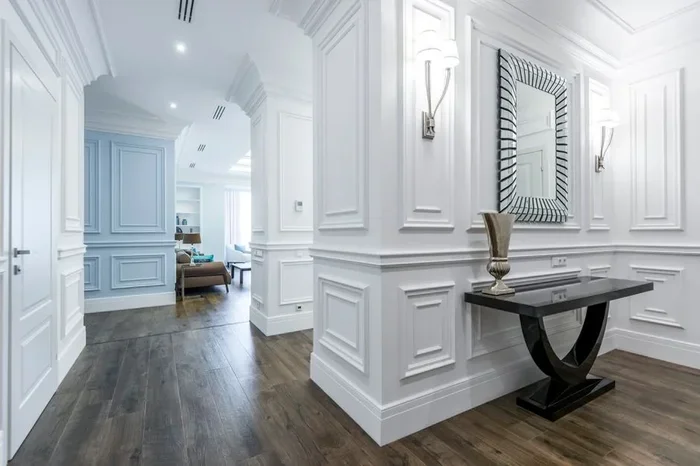
An accent wall is one of the easiest ways to add drama without going overboard. You paint one wall a different color or use a special technique to make it stand out. This creates a natural focal point in the room.
Accent walls work especially well behind a bed, a sofa, or a fireplace. They draw the eye and give the room a sense of depth. If you are new to painting, start with an accent wall. It is low-risk and high-impact.
Two-Tone Wall Combinations
Using two colors on the same wall is a trend that keeps growing. You might paint the lower half of a wall in a darker shade and the upper half in a lighter shade. Or you can split the wall vertically for a bold split effect.
This approach adds texture and dimension. It also lets you use two colors without committing to painting every wall in the room. For inspiration on how two-tone designs work in real spaces, check out this guide on Living Room Wall Paint Design for more ideas.
Geometric and Patterned Walls
Geometric patterns are a fun way to turn a plain wall into a work of art. You can use painter’s tape to create clean lines and shapes. Triangles, hexagons, and stripes are all popular choices.
Patterned walls are especially effective in living rooms and kids’ rooms. They add personality and energy. The best part? You can change the pattern anytime you want a new look.
Choosing the Right Colors for Your Space
Color selection is the most important step in any interior wall paint design. The wrong color can make a room feel small, dark, or uncomfortable. The right color can do the opposite.
Start With Your Existing Furniture
Look at the furniture and flooring you already have. Your wall color should complement these pieces, not fight against them. If your floors are oak-toned, consider warm or neutral wall colors. If your furniture is white and wood, explore soft, airy palettes that let the natural textures shine.
For a deeper dive on pairing wall colors with wood floors and furniture, see our guide on Living Room White and Wood Interior Design. It covers color matching in detail.
Understand Color Temperature
Colors have a temperature, and it matters more than most people realize. Warm colors like red, orange, and yellow make a room feel cozy and intimate. Cool colors like blue, green, and purple create a calm and open feeling.
Here is a simple way to think about it:
- Warm tones: Great for living rooms and dining areas where you want warmth and connection.
- Cool tones: Perfect for bedrooms and bathrooms where you want relaxation and peace.
- Neutral tones: Work almost anywhere and make it easy to switch up accessories later.
Test Before You Commit
Always test your chosen colors on a small section of the wall first. Paint a large swatch and live with it for a day or two. Colors look different in morning light versus evening light. They also look different on different walls in the same room.
This simple step saves time, money, and frustration. It is one of the best professional tips for getting your wall paint design exactly right.
Interior Wall Paint Design Techniques
Once you have chosen your colors, it is time to think about technique. The way you apply paint can be just as important as the color itself.
Ombré and Gradient Walls
Ombré means a smooth blend from one color to another. It creates a beautiful gradient effect that looks sophisticated and modern. You can go from dark to light vertically or horizontally across a wall.
This technique works best in rooms where you want a soft, dreamy feel. It is popular in bedrooms and living rooms. The key to a good ombré is blending while the paint is still wet. Take your time and work in small sections.
Stenciling for Patterned Walls
Stencils let you repeat a design across your wall with precision. You can find stencils in almost any pattern imaginable. Fleur-de-lis, damask, geometric shapes, and even custom designs are all options.
Stenciling is a great way to add elegance without wallpaper. It is also more affordable and easier to change. If you want ideas for combining stencils with other wall treatments, explore our Living Room Wall Tiles Design guide for inspiration on mixing materials and patterns.
Color Blocking
Color blocking means painting large sections of a wall in solid blocks of different colors. Unlike a subtle accent wall, this technique is bold and graphic. It works best in modern and contemporary spaces.
You can use three or more colors in rectangular sections for a playful look. Or keep it simple with two blocks for a clean, modern feel. Color blocking is especially popular in kids’ rooms and creative spaces.
Room-by-Room Interior Wall Paint Design Guide
Every room in your home deserves its own design approach. Here are practical ideas for the most important spaces.
Living Room Wall Paint Ideas
The living room is where you entertain guests and spend quality family time. Your wall design should feel welcoming and stylish. Neutral tones like warm beige, soft gray, and creamy white are timeless choices that work with any decor style.
If you want something more dramatic, consider a deep navy or forest green accent wall. These rich colors add sophistication and make the room feel cozy. Pair them with gold or brass accents for a luxe feel. For more inspiration on elegant living room looks, see our Living Room Wall Panel Design article.
Do not forget about the ceiling. Painting the ceiling a lighter shade or a complementary color adds height and interest to the room.
Bedroom Wall Paint Ideas
Your bedroom should be your sanctuary. Soft, muted tones promote rest and relaxation. Think dusty rose, sage green, light lavender, or warm taupe.
If you prefer bolder choices, a deep jewel tone on one wall creates a cocoon-like effect that feels intimate and romantic. Pair your bedroom wall color with soft bedding and warm lighting for the best results.
Home Office Wall Paint Ideas
A home office needs to balance focus with creativity. Cool blues and greens boost concentration and productivity. Soft greens especially connect you to nature and reduce stress.
For a more energetic workspace, try a warm terracotta or mustard accent wall. These colors stimulate creativity without being distracting. Keep the rest of the room neutral to avoid overwhelming your focus.
Common Mistakes to Avoid in Wall Paint Design
Even the best ideas can go wrong if you skip important steps. Here are common mistakes people make with their interior wall paint design and how to avoid them.
- Skipping the primer. Primer helps paint adhere better and look more vibrant. Skip it, and you may need extra coats.
- Choosing the wrong finish. Matte finishes hide imperfections but are harder to clean. Glossy finishes are easy to wipe but show every bump. Choose based on the room’s use.
- Painting all walls the same color. While sometimes effective, using the same color everywhere can feel flat. Adding variation creates depth and interest.
- Ignoring the existing decor. Your wall color should work with your furniture, rugs, and curtains. A beautiful paint color will still look wrong if it clashes with your decor.
- Buying too little paint. Always estimate generously. Running out mid-project and trying to match a second batch is frustrating and risky.
Quick Tips for a Professional-Looking Wall Paint Design
You do not need to be a professional painter to achieve gorgeous results. Follow these simple tips for a polished finish:
- Clean your walls before painting. Dust and grime prevent paint from adhering properly.
- Use quality brushes and rollers. Cheap tools leave streaks and uneven coverage.
- Paint in thin, even coats. Two thin coats always look better than one thick coat.
- Use painter’s tape for clean edges and crisp lines.
- Let each coat dry fully before applying the next one.
- Paint from top to bottom. Start near the ceiling and work your way down to avoid drips on finished areas.
These small steps make a huge difference in the final result. Your walls will look smooth, even, and professionally done.
Conclusion
Interior wall paint design is one of the most powerful tools you have to transform your home. It is affordable, flexible, and endlessly creative. Whether you go with a subtle accent wall, a bold color block, or a beautiful ombré gradient, the right design choices make a real difference.
Start by choosing colors that match your room’s purpose and existing furniture. Test your choices before committing. Experiment with techniques that add depth and personality. And remember, your walls are your canvas. Have fun with them.
The best wall paint design is the one that feels like you. Trust your instincts, follow the tips in this guide, and enjoy the process of creating a home that truly reflects your style.
Frequently Asked Questions
What is the best interior wall paint design for small rooms?
For small rooms, use light and neutral colors to make the space feel larger and brighter. Soft whites, warm beiges, and light pastels work wonderfully. You can also add an accent wall in a slightly darker shade to create depth without making the room feel cramped.
How do I choose the right wall paint color for my living room?
Start by looking at your existing furniture and flooring. Your wall color should complement these pieces. Consider the room’s natural light, too. Rooms with lots of sunlight can handle darker colors, while rooms with less light look best in lighter shades.
Can I mix different wall paint techniques in the same room?
Yes! Mixing techniques like an accent wall with stenciling or color blocking adds visual interest. Just make sure the colors work together harmoniously. Stick to a cohesive color palette so the room feels unified rather than chaotic.
How many coats of paint do I need for a good wall paint design?
Most projects need two coats for even coverage and rich color. Dark colors or previously painted dark walls may need three coats. Always check the paint manufacturer’s recommendations for the best results.
What wall paint finish is best for living rooms?
Matte or eggshell finishes are popular choices for living rooms. Matte hides wall imperfections beautifully, while eggshell has a subtle sheen that is easy to clean. Choose based on how much wear and tear the room gets.
How often should I update my interior wall paint design?
There is no set timeline. Some people refresh their walls every few years, while others keep the same design for a decade. If you feel your space is looking tired or outdated, a new paint design is a quick and affordable way to bring life back into your home.