Interior Design Wall Panels That Transform Any Room
Interior design wall panels are an easy and stylish way to completely change the look of any room in your home. Whether you want a sleek modern feel or a cozy rustic vibe, the right wall panel can make a huge difference. In this guide, we cover everything from materials and styles to installation tips and design ideas that actually work. You will learn how to pick the perfect panels for your space and budget.
Interior design wall panels have become one of the hottest trends in home decor. They offer a simple yet powerful way to change the entire feel of a room. If you are tired of plain painted walls or want to add character without a full renovation, wall panels are the answer.
These panels come in all shapes, sizes, and materials. You can find anything from sleek 3D panels that create a dramatic effect to natural wood planks that bring warmth to a space. The best part? Most interior design wall panels are easy to install and do not require a big budget. In this article, we will walk you through everything you need to know to choose and use wall panels that truly transform your home.
Let us start with the basics and then dive deep into styles, materials, and practical tips that real homeowners use every day.
Key Takeaways
- Wall panels come in many materials: wood, PVC, MDF, and faux stone all offer unique looks and benefits for different rooms.
- They are easy to install: most interior design wall panels can be mounted with basic tools and no professional help needed.
- Panels add texture and depth: they instantly make a flat wall look dynamic and visually interesting.
- They suit every budget: affordable options like PVC exist alongside premium choices like solid wood or marble-effect panels.
- Design flexibility is huge: from minimalist to luxury styles, wall panels adapt to any interior theme.
- They protect your walls: panels add an extra layer that shields walls from moisture, scratches, and wear.
📑 Table of Contents
- What Are Interior Design Wall Panels?
- Types of Wall Panel Materials
- Design Styles for Interior Design Wall Panels
- Benefits of Using Wall Panels in Your Home
- How to Choose the Right Wall Panels for Your Room
- Installation Tips for Interior Design Wall Panels
- Common Mistakes to Avoid
- Trending Interior Design Wall Panel Ideas for 2024
- Maintenance and Care for Wall Panels
- Frequently Asked Questions
- Conclusion
What Are Interior Design Wall Panels?
Wall panels are decorative or functional panels that attach to your walls to improve their appearance. They act as a second layer over your existing wall surface. Think of them as a skin for your walls that adds texture, color, and visual interest.
Interior design wall panels are not just one thing. They come in many forms. Some are flat and smooth, while others have raised patterns or three-dimensional shapes. The materials range from natural wood to engineered composites and even faux stone or brick.
People use wall panels for many reasons. Some want to cover up damaged walls. Others simply want a stylish upgrade that makes their space look polished and expensive. Whatever your reason, there is a panel solution that fits.
Types of Wall Panel Materials
Choosing the right material is the most important decision when selecting interior design wall panels. Each material has its own look, feel, and benefits. Here is a breakdown of the most popular options.
Wood Wall Panels
Wood panels are a timeless favorite. They bring natural warmth and texture to any room. You can choose from real wood or engineered wood options like MDF with a wood veneer. Wood wall panels work beautifully in living rooms, bedrooms, and even hallways.
For a rustic look, consider shiplap-style wood panels. They add a charming farmhouse feel. If your style is more modern, try clean-lined horizontal wood planks. Check out our guide on Living Room Wood Accent Wall for inspiration on how wood panels create stunning focal points.
PVC and Laminate Wall Panels
PVC panels are lightweight, waterproof, and very affordable. They are perfect for kitchens, bathrooms, and basements where moisture is a concern. Laminate panels offer a similar benefit with a wider range of designs, including realistic wood and stone textures.
These panels snap together like puzzle pieces, making installation a breeze. They are also easy to clean, which makes them ideal for high-traffic areas.
3D Wall Panels
3D wall panels are all the rage right now. They create depth and movement on a flat wall, making it look almost like a piece of art. These panels work well as accent walls behind TVs, beds, or sofas.
They come in various materials including MDF, polyurethane, and gypsum. The designs range from geometric patterns to organic curves that mimic nature. If you love bold design, 3D panels are a fantastic choice.
Faux Stone and Brick Panels
Want the look of real stone or brick without the heavy weight and cost? Faux panels are the answer. These lightweight alternatives mimic the appearance of natural stone, brick, or marble. They are perfect for creating a rustic or industrial look in any room.
You can find faux stone panels in many colors and textures. Some even look remarkably like real stone from just a few feet away.
Design Styles for Interior Design Wall Panels
Wall panels fit into nearly every design style. The key is choosing the right type and finish for your space. Here are some popular approaches.
Modern Minimalist
For a clean, modern look, choose flat panels in neutral tones like white, grey, or beige. Smooth surfaces and simple lines work best. Minimalist wall panels keep the focus on open space and natural light. You can pair them with minimalist wall decor for a cohesive room design.
Rustic and Farmhouse
Reclaimed wood panels or shiplap designs create that cozy farmhouse feel. Pair them with warm lighting and natural textures like jute and linen. Rustic panels work especially well in living rooms and kitchens where you want a welcoming, down-to-earth atmosphere.
Luxury and Elegant
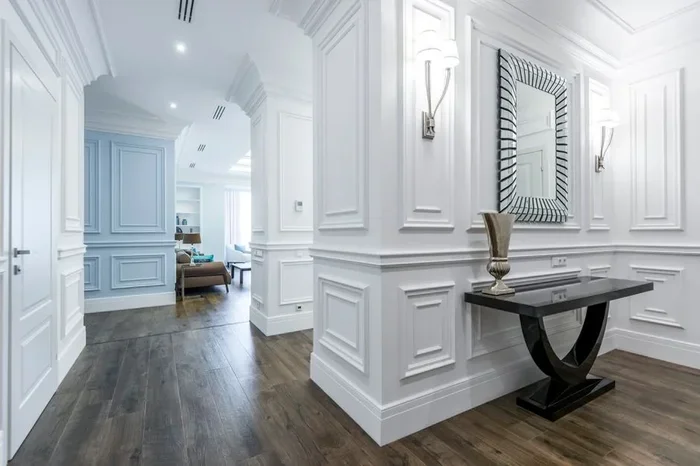
Marble-effect panels, gold-finished accents, and richly textured designs bring luxury to any room. These panels make a bold statement and work well in luxury wall decor schemes. Velvet furnishings and brass accents pair beautifully with elegant wall panels.
Industrial
Metal wall panels and raw concrete-style panels fit the industrial aesthetic perfectly. Exposed textures, dark finishes, and utilitarian designs define this style. Metal panels also pair well with metal wall decor for a cohesive look.
Benefits of Using Wall Panels in Your Home
Wall panels offer more than just good looks. Here are the key benefits that make them a smart choice for any homeowner.
- Instant transformation: Panels change a room’s appearance in hours, not weeks. No need for a full renovation.
- Wall protection: Panels shield your walls from scratches, moisture, and daily wear. They act as a protective barrier.
- Sound insulation: Thicker panels, especially those with foam backing, help reduce noise between rooms.
- Easy maintenance: Most panels wipe clean with a damp cloth. They resist stains better than painted walls.
- Cost-effective: Compared to re-plastering or retiling, wall panels are much more affordable. They deliver high impact for low cost.
- Reversible: Unlike permanent renovations, panels can be removed without damaging the original wall surface.
How to Choose the Right Wall Panels for Your Room
Not all wall panels work for every room. Here are some practical tips to help you make the right choice.
Consider the Room’s Purpose
Think about what each room needs. Kitchens and bathrooms need moisture-resistant materials like PVC or laminate. Bedrooms benefit from warm wood panels that create a cozy atmosphere. Living rooms can handle bold 3D designs or statement accent walls.
Match Your Existing Decor
Your wall panels should complement your current furniture and color scheme. If your room has a lot of wood flooring, wood wall panels create a harmonious flow. If your space features metal fixtures, consider metal wall art alongside metal or industrial-style panels for a unified look.
Think About Scale and Proportion
Large rooms can handle big, dramatic panels. Small rooms benefit from lighter, subtler designs. Oversized panels in a tiny room can make it feel cramped, while small panels in a large room may look insignificant.
Set a Budget Before You Shop
Panel prices vary widely. PVC panels can cost as little as $5 to $15 per square foot, while premium wood or stone-effect panels may run $30 to $80 per square foot. Set a realistic budget and shop within that range. Remember that installation costs are usually minimal for most panel types.
Installation Tips for Interior Design Wall Panels
Installing wall panels is easier than most people think. With the right tools and a little patience, you can do it yourself over a weekend.
- Prepare your wall: Clean the surface and make sure it is smooth and dry. Remove any loose paint or debris.
- Measure and plan: Measure your wall dimensions carefully. Plan your panel layout before you start attaching anything. Start from a corner and work your way across.
- Use the right adhesive: Most panels come with adhesive backing or require construction adhesive. Choose the type recommended by the manufacturer.
- Secure edges properly: Press each panel firmly into place. Use a rubber mallet to tap panels tight if needed. Fill any gaps with caulk or trim pieces.
- Let it set: Allow the adhesive to cure fully before placing furniture against the panels. This usually takes 24 to 48 hours.
For more ideas on panel placement and room layout, check out our article on Living Room Wall Panel Design. It covers placement strategies that make panels look their best.
Common Mistakes to Avoid
Even with the best intentions, some mistakes can ruin a wall panel project. Here is what to watch out for.
- Skipping wall preparation: Dirty or uneven walls cause panels to bubble or fall off. Always clean and prime your walls first.
- Choosing the wrong material: Using PVC in a dry living room may look out of place. Match the material to the room’s purpose and style.
- Ignoring lighting: Wall panels interact with light in different ways. 3D panels create shadows that look best with directional lighting. Flat panels need good ambient light to show off their texture.
- Overdoing it: Covering every wall in a room with panels can feel overwhelming. Use panels as an accent wall or in select areas for the best effect.
- Forgetting expansion gaps: Panels expand and contract with temperature changes. Leave small gaps at the edges to prevent buckling.
Trending Interior Design Wall Panel Ideas for 2024
What is hot right now in wall panel design? Here are some trends that homeowners and designers are loving.
Curved and Organic Shapes
Gone are the days of only straight-edged panels. Curved 3D panels that mimic waves, shells, or flowing lines are gaining popularity. They add a sculptural quality to walls and create stunning focal points.
Mixed Materials
Combining wood panels with metal accents or pairing stone-effect panels with glass details creates a layered, sophisticated look. This trend works especially well in modern and eclectic interiors.
Biophilic Designs
Nature-inspired panels that feature leaf patterns, wood grain textures, or stone finishes are in high demand. These panels bring the outdoors inside and create calming, organic spaces.
Dark and Moody Tones
Deep charcoal, forest green, and navy blue panels are trending for dramatic, moody interiors. They work beautifully in dining rooms, home theaters, and bedrooms where you want a cozy, intimate feel.
For more inspiration on combining wall panels with other design elements, explore our resources on Living Room Wall Design and Living Room Wall Tiles Design. These guides offer complementary ideas that pair well with panel installations.
Maintenance and Care for Wall Panels
Taking care of your wall panels keeps them looking great for years. Fortunately, most panels require very little maintenance.
Dust panels regularly with a soft cloth or microfiber duster. For deeper cleaning, wipe them down with a damp cloth and mild soap. Avoid harsh chemicals that can damage the panel finish, especially on wood and laminate surfaces.
Check adhesive bonds every six months, especially in humid rooms. If any panel starts to lift, reapply adhesive and press it back firmly. With proper care, quality wall panels can last 10 to 15 years or more.
Frequently Asked Questions
What is the best material for interior design wall panels?
The best material depends on your room and budget. Wood panels offer warmth and natural beauty, while PVC panels are waterproof and affordable. 3D panels create dramatic visual impact, and faux stone panels deliver a luxurious look without the heavy cost. Choose based on the room’s purpose and your personal style.
Can I install wall panels myself?
Yes, most interior design wall panels are designed for DIY installation. They typically come with adhesive backing or simple clip systems. Basic tools like a measuring tape, level, and adhesive are all you need. Larger or heavier panels may require a second person for help.
How much do wall panels cost per square foot?
Prices vary widely based on material and quality. PVC panels start around $5 per square foot, while premium wood panels can range from $20 to $50 per square foot. 3D panels and faux stone panels typically fall in the $15 to $40 range. Always get quotes from a few suppliers before purchasing.
Are wall panels suitable for every room?
Yes, wall panels work in virtually any room. Use moisture-resistant panels in kitchens and bathrooms, warm wood panels in bedrooms, and bold 3D panels in living rooms. The key is selecting the right material and style for each specific space.
Do wall panels damage the original wall?
No, most wall panels are designed to be removable without damaging the underlying wall. They attach with adhesive or mechanical clips and can be taken down cleanly. This makes them an excellent option for renters or anyone who wants a reversible renovation.
What is the difference between wall panels and wallpaper?
Wall panels are thicker and add actual texture and dimension to a wall. Wallpaper is a thin, flat surface that adds color and pattern. Panels are more durable and offer better insulation, while wallpaper is generally easier to replace. Both serve different purposes and can even be used together for unique effects.
Conclusion
Interior design wall panels are one of the most effective and affordable ways to completely transform any room in your home. Whether you choose warm wood panels, dramatic 3D designs, or sleek modern finishes, the right panels can turn a boring wall into a stunning focal point.
The process is simpler than you might think. With the right material, a bit of planning, and some basic tools, you can enjoy a beautifully transformed space in just a weekend. Start small with an accent wall or go all-in with panels throughout your home. Either way, you will love the instant impact and long-lasting beauty that wall panels bring to your living space.