Indian Wall Art Decor Ideas That Transform Your Home
Indian wall art decor brings rich culture, vibrant colors, and timeless elegance into any home. From traditional Madhubani paintings to modern minimalist pieces, there is a style for every room and taste. In this guide, you will learn how to choose, style, and place Indian wall art to create a stunning focal point that truly transforms your living space.
Indian wall art decor has a way of turning any plain wall into a storytelling canvas. Whether you love bold colors or prefer earthy tones, Indian art brings warmth, culture, and personality into your home. The best part? You can mix traditional pieces with modern rooms and still make it look effortless.
If you have been searching for the perfect way to upgrade your walls, you are in the right place. This guide covers everything you need to know about Indian wall art decor, from choosing the right style to placing it in your living space. Let us dive in and explore how these beautiful pieces can completely change the feel of your home.
Key Takeaways
- Indian wall art decor offers a wide range of styles, from folk art to contemporary designs.
- Traditional art forms like Madhubani, Warli, and Rajasthani pieces add deep cultural meaning to your walls.
- Mixing Indian wall hangings with modern furniture creates a stylish and balanced look.
- Placement and grouping matter just as much as the art itself for maximum impact.
- Natural materials like brass, wood, and textiles give Indian wall decor an authentic feel.
- You do not need a big budget to incorporate beautiful Indian wall art into your home.
- Bold colors and intricate patterns can serve as a room’s main focal point or subtle accent.
📑 Table of Contents
Why Indian Wall Art Decor Deserves a Spot in Your Home
Indian wall art is not just decoration. It carries centuries of tradition, storytelling, and craftsmanship. Every piece tells a story, whether it is a vibrant folk painting or a sleek metal sculpture. When you hang Indian art on your walls, you bring that history and energy into your everyday life.
One of the biggest reasons people fall in love with Indian wall art decor is the variety. You can find everything from intricate hand-painted murals to simple geometric tribal prints. This range means you can match your personal style without sacrificing authenticity.
Cultural Richness and Heritage
India has one of the oldest art traditions in the world. Styles like Madhubani, Warli, and Pichwai have been passed down through generations. When you display these art forms, you are not just decorating. You are honoring a rich cultural legacy. Each brushstroke and pattern holds meaning, from symbols of prosperity to representations of nature and spirituality.
Adding ethnic wall art to your home also creates a warm and inviting atmosphere. Guests often notice these pieces first because they stand out. The textures, colors, and hand-crafted details give your walls a depth that mass-produced decor simply cannot match.
Versatility Across Interior Styles
You might think Indian wall art only fits traditional or bohemian homes. That is not true at all. Indian wall art decor works beautifully in modern, minimalist, industrial, and even Scandinavian-style rooms. A single brass wall hanging can add warmth to a sleek modern living room. A Warli painting looks striking against a white wall in a minimalist space.
The key is balance. Pair bold Indian pieces with neutral furniture and clean lines. Let the art be the star of the room. This approach works whether your style is minimalist wall decor for living room or something more eclectic.
Popular Types of Indian Wall Art
Understanding the different types of Indian wall art helps you choose pieces that feel right for your home. Each style has its own charm, history, and visual appeal. Here are some of the most popular forms you will come across.
Madhubani Paintings
Madhubani art comes from the Mithila region of Bihar. It features bold lines, bright colors, and intricate patterns of flowers, birds, and gods. These paintings look stunning as wall art for living room focal points. A large Madhubani piece above a sofa instantly lifts the entire room.
Traditional Madhubani art uses natural dyes and hand-painted techniques. This gives each piece a unique texture and feel. You can find Madhubani prints on canvas, paper, and even fabric. They pair well with wooden furniture and earthy color palettes.
Warli Art
Warli art is a tribal art form from Maharashtra. It uses simple geometric shapes to depict scenes of daily life, weddings, and nature. The monochrome look of Warli paintings makes them incredibly versatile. They work with almost any wall color and interior style.
If you want a subtle yet meaningful piece, Warli art is a perfect choice. A framed Warli painting adds character without overwhelming your space. It fits beautifully in bedrooms, hallways, and even home offices.
Rajasthani Miniature Art
Rajasthani miniature paintings are known for their fine detail and rich colors. These pieces often depict royal scenes, love stories, and nature. They bring a sense of luxury and elegance to any wall. A Rajasthani miniature piece works especially well in a luxury wall art for living room setting.
These paintings are usually small in size but packed with detail. You can group several together for a gallery-style display. The intricate patterns draw the eye and become a real conversation starter.
Brass and Metal Wall Hangings
Brass Indian wall hangings add a warm, metallic glow to any room. They often feature religious motifs, elephants, peacocks, or floral designs. The shine of brass against a plain wall creates an instant point of interest.
Metal wall art from India is durable and easy to maintain. It works well in both dry and humid environments. A metal wall art decor for living room piece can serve as a stunning centerpiece above a mantel or console table.
Indian Textile and Embroidery Art
India is famous for its textiles. Embroidered wall hangings from Rajasthan, Kutch, and Bengal bring texture and color to your walls. These pieces often feature mirror work, thread embroidery, and beadwork that adds a tactile dimension to your decor.
Textile art feels cozy and inviting. It softens the look of a room and adds warmth. Hang a large embroidered piece in your bedroom or living area for an instant transformation.
How to Choose the Right Indian Wall Art for Your Space
Choosing the right piece is not just about what looks pretty. It is about how the art fits your room, your style, and your lifestyle. Here are some practical tips to guide your selection.
Consider Your Room’s Color Palette
Look at the existing colors in your room before buying any wall art. If your walls are neutral, a vibrant Indian painting can add a much-needed pop of color. If your room already has bold colors, a more subtle piece in earthy tones might work better.
Here is a simple way to think about it:
- Neutral walls — Go bold with bright Indian paintings or colorful textiles.
- Colorful walls — Choose art in matching or complementary tones.
- White walls — Almost any Indian wall art will stand out beautifully.
- Dark walls — Light-colored art or brass pieces create contrast and drama.
Match the Size to Your Wall
Size matters more than people think. A tiny painting on a large wall looks lost. A huge piece on a small wall feels overwhelming. Measure your wall space before shopping for Indian wall art decor.
As a general rule, your art piece should take up about two-thirds to three-quarters of the furniture below it. For a sofa, this means a piece that is roughly 60 to 75 percent of the sofa’s width. This proportion creates visual balance and makes the room feel cohesive.
Think About the Frame and Material
The frame and material of your wall art affect the overall look just as much as the image itself. Hand-painted wooden frames give a traditional feel. Thin metal frames suit modern spaces. No frame at all, mounted on a canvas or fabric, works well for a bohemian look.
Natural materials like wood, brass, and cotton are hallmarks of authentic Indian wall decor. They add an organic warmth that synthetic materials cannot replicate. When choosing pieces, look for handmade items that support local artisans and preserve traditional craft techniques.
Best Rooms for Indian Wall Art Decor
Indian wall art is not limited to the living room. It can enhance almost any space in your home. Here is where it works best and how to style it.
Living Room
The living room is the most popular place for Indian wall art decor. It is the first room guests see, so it sets the tone for your entire home. A large piece above the sofa or fireplace makes a strong first impression.
You can create a gallery wall by mixing different Indian art styles. Combine a Madhubani painting with a brass hanging and a Warli piece. This eclectic approach adds depth and tells a visual story. For a cleaner look, stick to one style and use matching frames.
If your living room has a living room wall design that features wood paneling or textured walls, Indian art blends in naturally. The organic textures complement each other and create a cohesive look.
Bedroom
Indian wall art can turn your bedroom into a peaceful retreat. Soft watercolor Indian paintings or embroidered hangings create a calming atmosphere. Avoid overly bright or busy pieces in the bedroom. Instead, choose art with soothing colors and gentle patterns.
A single large piece above the bed or a pair of smaller pieces on either side works wonderfully. Textile art with mirror details adds a subtle shimmer that looks beautiful in evening light.
Hallway and Entryway
Your hallway is a transitional space, so it deserves art too. A long narrow Indian painting or a series of small framed pieces creates a welcoming first impression. Hallway art should be eye-catching but not overwhelming. Think of it as a preview of the style inside your home.
Styling Tips for Indian Wall Art
Once you have chosen your pieces, how you display them matters just as much. Good styling makes your Indian wall art decor look intentional and polished.
Create a Focal Wall
Choose one wall in a room to be your art wall. Paint it a contrasting color or add a subtle wallpaper texture. Then hang your Indian art pieces on this wall. The contrast draws the eye and makes the art the clear focal point of the room.
This technique works especially well in living rooms and dining areas. A living room wall design with a dedicated art wall feels curated and purposeful. It also makes it easy to rotate pieces seasonally or whenever you want a fresh look.
Use Shelves and Ledges
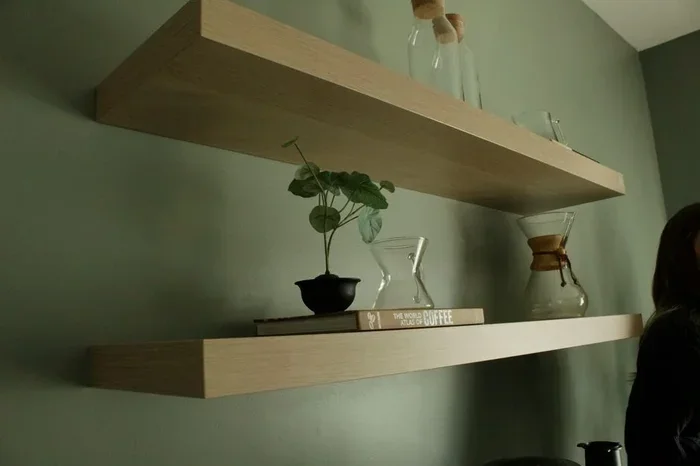
Floating shelves are a great way to display Indian wall art. Place a painting or hanging on the shelf and add a small plant or candle beside it. This layered approach adds depth and makes the display feel three-dimensional.
You can also use wall-mounted ledges to create a mini gallery. This works well for smaller pieces like miniature paintings or brass icons. Arrange them at eye level for the best visual impact.
Mix Indian Art with Other Decor Styles
Do not be afraid to mix Indian wall art with other decor styles. A modern abstract painting next to a traditional Madhubani piece creates an interesting contrast. A brass Indian hanging beside a metal wall art for living room piece from another culture adds a global, curated feel.
The trick is to find a common thread. This could be a shared color palette, a similar material, or a matching frame style. When these elements connect, the mix looks deliberate and stylish rather than random.
Lighting Makes All the Difference
Proper lighting can completely change how your Indian wall art looks. A small spotlight or picture light above the piece highlights the details and adds drama. Natural light from a nearby window also works well, especially for colorful paintings.
Avoid placing art in dark corners where it gets lost. If your room has limited natural light, use warm-toned artificial lighting to bring out the colors and textures of your Indian wall art decor.
Common Mistakes to Avoid
Even with the best intentions, some common mistakes can weaken the impact of your Indian wall art. Here are a few to watch out for.
- Hanging art too high. The center of your art piece should be at eye level, usually about 57 to 60 inches from the floor. Hanging too high makes the piece feel disconnected from the furniture below.
- Using the wrong size. Too small a piece on a big wall looks lost. Too big a piece on a small wall feels cramped. Always measure before you buy.
- Ignoring the wall color. Some vibrant Indian paintings clash with certain wall colors. Test how the piece looks against your wall before committing to the placement.
- Overcrowding the wall. Give your art room to breathe. Leave enough space between pieces so each one can stand on its own.
- Skipping the story. Every piece of Indian art has a story. Ignoring that context misses the chance to connect with your decor on a deeper level.
Where to Find Authentic Indian Wall Art
Finding authentic Indian wall art is easier than ever. Online marketplaces, artisan cooperatives, and specialty stores all carry genuine pieces. Look for sellers who work directly with artisans and provide information about the art form and region of origin.
When shopping online, check reviews and look for detailed product descriptions. Reputable sellers will tell you the art style, the materials used, and whether the piece is handmade or machine-printed. Supporting artisans directly ensures that your Indian wall art decor is both authentic and ethically sourced.
You can also visit local craft fairs and Indian cultural events. These are excellent places to find unique pieces and learn about the art directly from the creators. A hand-painted piece from a local artist adds a personal touch that mass-produced decor cannot match.
Conclusion
Indian wall art decor is one of the most rewarding ways to transform your home. It brings culture, color, and craftsmanship into every room. Whether you choose a bold Madhubani painting, a subtle Warli print, or a gleaming brass hanging, the right piece can completely change the energy of your space.
Start with one or two pieces that speak to you. Experiment with placement and styling. As you grow more confident, you can build a collection that reflects your personal taste and love for Indian art. The beauty of Indian wall art decor is that it grows with you. Each new piece adds another layer of story and warmth to your home.
So go ahead, pick a piece that catches your eye, and hang it proudly. Your walls are waiting to tell a story. Let Indian art be the voice.
Frequently Asked Questions
What is Indian wall art decor?
Indian wall art decor refers to decorative art pieces inspired by Indian traditions, styles, and craftsmanship. This includes paintings like Madhubani and Warli, metal hangings, textile art, and carved wooden pieces. These artworks bring cultural richness and vibrant energy into home interiors.
How do I style Indian wall art in a modern living room?
Choose one or two statement pieces and pair them with neutral furniture and clean lines. Let the art be the colorful focal point against a plain wall. Mixing a traditional Indian painting with modern decor creates a balanced and stylish look that feels intentional.
Can Indian wall art work in small rooms?
Absolutely. Small Indian art pieces like miniature paintings or compact brass hangings work well in smaller spaces. You can also create a gallery wall with several small pieces to fill a wall without overwhelming the room. The key is to keep the scale proportional to the wall size.
What colors work best with Indian wall art?
Indian wall art often features bold colors like red, gold, turquoise, and orange. These look stunning against neutral walls like white, beige, or warm gray. If your room already has colorful furniture, choose art in complementary tones to keep the space balanced and harmonious.
Is Indian wall art expensive?
Not necessarily. You can find beautiful Indian wall art at a wide range of price points. Hand-painted pieces from artisan cooperatives are often affordable and support local communities. Printed reproductions of traditional Indian art are also budget-friendly options that still bring authentic style to your home.
How do I care for Indian wall art?
Most Indian wall art pieces are easy to maintain. Dust metal hangings with a soft cloth regularly. Keep paintings away from direct sunlight to prevent fading. Textile pieces can be gently vacuumed or spot-cleaned. Proper framing with UV-protective glass also helps preserve the art for years.