Interior Concrete Wall Design That Will Transform Your Space
Interior concrete wall design brings raw, modern charm into any home. Whether you want an exposed concrete accent wall or a polished concrete finish, the options are endless. This guide covers styles, finishes, and practical tips to help you transform your space with confidence.
When you think about interior concrete wall design, you might picture cold, gray factory spaces. But today, concrete walls have completely changed the game. They bring a bold, modern feel that works in almost any home. From sleek polished finishes to rough, textured surfaces, concrete gives you so much creative freedom.
More homeowners and designers are choosing concrete accent walls as a statement piece. Why? Because concrete looks stunning, lasts forever, and fits many different styles. Whether your home leans industrial or minimalist, a concrete wall can tie everything together beautifully.
In this guide, we will walk you through everything you need to know. You will learn about the best styles, finishes, and placement ideas. We also share practical tips so you can avoid common mistakes. By the end, you will feel confident about adding concrete wall design to your own space.
Key Takeaways
- Versatile Style: Interior concrete wall design works in modern, industrial, minimalist, and even cozy home aesthetics.
- Multiple Finishes: You can choose from polished, stained, stamped, and raw concrete looks to match your vision.
- Easy to Maintain: Concrete walls are durable, long-lasting, and simple to clean.
- Budget-Friendly: Concrete is an affordable wall option compared to stone, brick, or custom paneling.
- Complements Any Room: From living rooms to bedrooms, concrete walls add character and depth.
- Pair with Warm Materials: Wood, gold accents, and soft lighting balance the coolness of concrete.
📑 Table of Contents
Why Interior Concrete Wall Design Is So Popular
Concrete wall design has exploded in popularity over the last few years. And it is easy to see why. People want homes that feel unique, modern, and full of character. Concrete delivers all three.
Unlike wallpaper or standard paint, concrete adds real depth and dimension to a room. It catches light in interesting ways and creates a focal point that draws the eye. Plus, concrete is incredibly durable. A well-installed concrete wall can last decades without needing major repairs.
Another big reason for the trend? Exposed concrete walls give rooms an authentic, unfiltered look. In a world full of mass-produced decor, concrete feels honest and grounded. It connects indoor spaces with the raw beauty of natural materials.
Key Benefits of Concrete Walls
- Durability: Concrete resists cracks, dents, and everyday wear.
- Low Maintenance: A simple wipe-down keeps concrete looking great.
- Thermal Mass: Concrete helps regulate room temperature naturally.
- Sound Insulation: Thick concrete walls reduce outside noise.
- Eco-Friendly: Concrete uses natural materials and lasts a long time.
Popular Styles of Interior Concrete Wall Design
Not all concrete walls look the same. There are many styles to choose from, and each one creates a different mood. Let us explore the most popular options.
Raw and Exposed Concrete
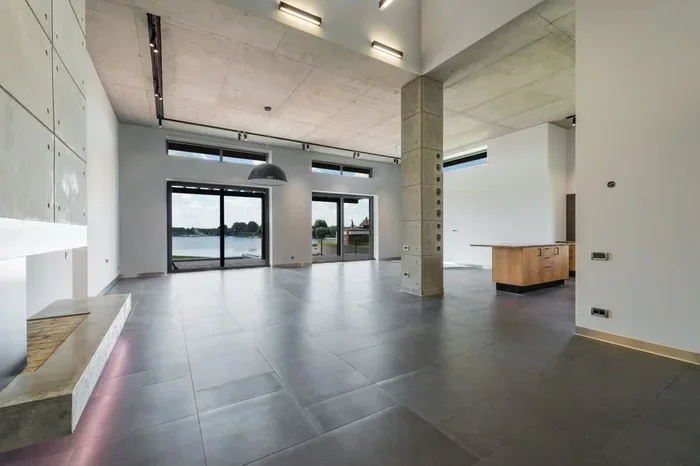
This is the most authentic look. Raw concrete walls show the natural texture, seams, and imperfections of the material. They feel industrial and edgy. This style works best in loft-style apartments, studios, and open-plan living areas.
If you go with this look, consider pairing it with warm wood furniture and soft lighting. The contrast between rough concrete and warm wood creates a balanced, inviting atmosphere. You can find great ideas for combining these elements in our Living Room Wall Design collection.
Polished Concrete Walls
Polished concrete has a smooth, sleek finish that reflects light beautifully. It looks clean and sophisticated. This style is perfect for modern and contemporary interiors.
Polished walls feel lighter and more open than raw concrete. They work well in smaller rooms where you do not want a heavy, dark feel. Many homeowners choose polished concrete for their living room wall design because it adds elegance without feeling cold.
Stained and Tinted Concrete
Want color but still love the concrete look? Stained concrete is the answer. You can apply concrete stains in warm tones, cool grays, or even bold pigments. This gives you the texture of concrete with a pop of color.
Tinted concrete walls pair wonderfully with minimalist wall decor and metal wall art. The combination creates a refined, gallery-like feel in any room. Check out our Minimalist Wall Art For Living Room guide for inspiration on styling around tinted concrete.
Textured and stamped Concrete
Stamped concrete mimics the look of stone, brick, or wood grain. It adds visual interest without the high cost of natural materials. Textured concrete walls create a tactile experience that invites people to touch and explore.
This style is especially popular for living room tv wall design and fireplace surrounds. The texture adds depth behind a media wall or hearth, making the room feel more dynamic.
Best Rooms for Concrete Wall Design
Concrete walls can work in almost any room. But some spaces benefit more than others. Here is where interior concrete wall design shines the most.
Living Room
The living room is the most popular spot for a concrete accent wall. It immediately upgrades the look and feel of the space. A concrete wall behind your sofa or media unit becomes the room’s centerpiece.
Pair your concrete wall with living room wall panel design elements or concrete wall shelves for a layered look. Add warm lighting and soft textiles to keep the room feeling welcoming. You can also explore our Living Room Wall Paint Design article for color pairing ideas.
Bedroom
A concrete wall in the bedroom creates a calm, cocoon-like atmosphere. The natural texture adds warmth without visual clutter. It works especially well in master suites and minimalist bedrooms.
Use soft bedding, warm wood furniture, and gentle bedside lamps to balance the coolness of the concrete. The result is a serene retreat that feels both modern and cozy.
Home Office or Studio
Concrete walls look fantastic in home offices. They project a professional, focused energy. The durability of concrete also means your wall will handle years of daily use without showing wear.
Add floating shelves, a desk with wood tones, and a statement metal wall decor piece to complete the look. For more ideas, explore our Industrial Wall Shelves For Living Room guide.
How to Choose the Right Concrete Finish
Choosing the right finish is one of the most important decisions in concrete wall design. The finish determines the look, feel, and maintenance level of your wall.
Comparing Concrete Finishes
| Finish Type | Look | Best For | Maintenance Level |
|---|---|---|---|
| Raw/Exposed | Rugged, industrial | Lofts, studios, open spaces | Low |
| Polished | Smooth, sleek | Modern homes, small rooms | Very Low |
| Stained | Colorful, artistic | Accent walls, creative spaces | Low |
| Textured/Stamped | Multi-dimensional, detailed | Fireplaces, feature walls | Medium |
| Sealed Matte | Clean, subtle | Bedrooms, offices | Very Low |
Quick Tips for Choosing
- Consider the natural light in your room. Polished concrete reflects light; raw concrete absorbs it.
- Think about the overall style of your home. Match the finish to your existing decor.
- Test a small section first. See how the finish looks at different times of day.
- Ask a professional about sealing options. Sealing protects the wall and makes cleaning easier.
Common Mistakes to Avoid
Even though concrete walls are versatile, some mistakes can ruin the final result. Here are the most common pitfalls to watch out for.
Skipping the Sealant
Many people forget to seal their concrete wall. Without a sealant, concrete can absorb moisture, stains, and dust. Always apply a high-quality sealer after installation. This simple step extends the life of your wall dramatically.
Choosing the Wrong Lighting
Concrete walls need the right lighting to look their best. Harsh overhead lighting can make concrete feel cold and unwelcoming. Instead, use warm, layered lighting. Floor lamps, wall sconces, and LED strip lights all work beautifully against concrete surfaces.
Ignoring the Surrounding Decor
A concrete wall does not exist in isolation. It needs to work with your furniture, flooring, and accessories. Avoid placing a raw concrete wall next to busy patterns or cluttered decor. Keep the surrounding area clean and intentional.
Overlooking Temperature and Humidity
Concrete can feel cold in winter and retain heat in summer. Consider your climate before committing to concrete walls. In colder regions, pair concrete with radiant floor heating or warm textiles to maintain comfort.
Expert Tips for Stunning Concrete Wall Design
Want your concrete wall to look truly exceptional? Follow these expert-backed tips.
- Mix materials: Combine concrete with wood, metal, and glass for a dynamic, layered look. The contrast keeps the eye moving and adds visual richness.
- Use accent lighting: Install wall-mounted lights or recessed spots to highlight the texture of your concrete wall. Lighting transforms the entire feel of the surface.
- Add wall art: A single piece of wall art for living room against a concrete backdrop creates a powerful focal point. Choose bold, simple artwork for the best effect.
- Consider concrete wall molding: Adding molding to a concrete wall gives it a refined, architectural feel. It softens the raw edges and adds definition.
- Experiment with color: Do not be afraid to stain or paint your concrete wall. Even a subtle tint can completely change the mood of a room.
For more inspiration on combining concrete with other wall elements, browse our Living Room Wall Colour Combination guide. It offers practical advice on pairing concrete tones with complementary colors.
Bringing It All Together
Interior concrete wall design is one of the most impactful upgrades you can make to your home. It adds texture, character, and a modern edge that few other materials can match. Whether you choose raw, polished, stained, or textured concrete, the result is a wall that tells a story and draws admiration.
Remember to plan carefully. Choose the right finish for your space, invest in proper sealing, and pair your concrete wall with complementary decor. The effort pays off in a stunning, long-lasting feature that elevates your entire home.
Start small if you are unsure. A single concrete accent wall in the living room or bedroom lets you test the look without committing to every room. Once you see the transformation, you will understand why so many homeowners are falling in love with concrete wall design.
Explore more ideas and inspiration by visiting our Living Room Wall Panel Design page. You will find even more ways to create a beautiful, cohesive look in your home.
Frequently Asked Questions
Is interior concrete wall design expensive?
Concrete walls are generally more affordable than natural stone or brick. The cost depends on the finish, size, and whether you hire a professional. Polished concrete tends to cost more than raw or stamped options, but it still remains budget-friendly compared to many alternatives.
Can I install a concrete wall myself?
Yes, small concrete wall panels and pre-cast sections are available for DIY installation. However, for large or structural concrete walls, hiring a professional ensures a safe and polished result. Always follow manufacturer guidelines and local building codes.
Will a concrete wall make my room feel cold?
Not necessarily. The perception of coldness depends on the finish and surrounding decor. Polished concrete with warm lighting and wood furniture feels inviting. Raw concrete can feel cooler, so balance it with soft textiles and cozy elements.
How do I clean a concrete wall?
Cleaning concrete is simple. Use a damp microfiber cloth for regular dusting. For tougher spots, a mild soap and water solution works well. Avoid harsh chemicals that can damage the sealant. Reseal your wall every few years to maintain protection.
What rooms benefit most from concrete walls?
Living rooms, bedrooms, home offices, and studios all benefit greatly from concrete walls. The material adds character and durability to any space. However, avoid using concrete in very small, poorly lit rooms unless you choose a polished or light-toned finish.
Can concrete walls be painted or changed later?
Yes, concrete walls can be painted with specialized masonry paint. You can also apply new stains or overlays to change the look. This makes concrete a flexible choice that can evolve with your design preferences over time.