Wood Floor Living Room Designs For A Warm And Stylish Home
A wood floor living room instantly adds warmth, character, and timeless appeal to any home. Whether you prefer rustic hardwood, sleek modern planks, or engineered wood options, the right flooring sets the tone for your entire space. In this guide, you will learn how to choose the best wood floor living room style, pair it with furniture and decor, and avoid common mistakes that ruin the look.
A wood floor living room is one of the most timeless upgrades you can make to your home. It brings a sense of warmth, elegance, and connection to nature that no other flooring option can match. Whether you are renovating an existing space or building from scratch, choosing the right wood flooring sets the foundation for your entire living room aesthetic.
Many homeowners hesitate because they worry about cost, maintenance, or style matching. But the truth is, wood floors work with almost any design style. From boho eclectic to clean modern, a wood floor living room adapts to your personality and lifestyle. The key is understanding your options and making informed choices.
If you are ready to explore the world of wood flooring for your living space, you have come to the right place. This guide covers everything from wood types and color choices to furniture pairing and decor styling. You will walk away with practical ideas you can use right away.
Key Takeaways
- Wood floors transform your living room: They add natural warmth and make any space feel inviting and polished.
- Choose the right wood type: Oak, maple, walnut, and engineered wood each offer unique looks and durability levels.
- Pair with the right furniture: Neutral sofas, natural fiber rugs, and warm-toned accents complement wood floors perfectly.
- Follow a few simple rules: Match your wood tone to your wall color, use rugs to define zones, and avoid mismatched styles.
- Maintenance matters: Regular sweeping, gentle cleaning, and occasional refinishing keep your wood floors looking great for decades.
- Trends are trending toward natural looks: Wide planks, matte finishes, and warm tones dominate current wood floor living room designs.
📑 Table of Contents
- Why A Wood Floor Living Room Works So Well
- Choosing The Right Wood Type For Your Living Room
- Styling Your Wood Floor Living Room With Furniture
- Color Schemes And Decor Trends For Wood Floors
- Common Mistakes To Avoid With Wood Floors
- How To Maintain And Protect Your Wood Floors
- Bringing It All Together: Creating Your Dream Wood Floor Living Room
Why A Wood Floor Living Room Works So Well
There is a reason wood floors have been a favorite for centuries. They feel good underfoot, look beautiful in any light, and age gracefully over time. Let us look at the main reasons a wood floor living room remains such a popular choice among homeowners and interior designers alike.
Natural Warmth And Comfort
Wood has a natural warmth that stone or tile simply cannot replicate. The grain patterns, color variations, and subtle textures create a cozy atmosphere the moment you walk into the room. A wood floor living room feels welcoming from the first step, making it the perfect place to relax, entertain, and spend quality time with family.
Unlike cold hard surfaces, wood floors retain heat and work well with underfloor heating systems. This means your living room stays comfortable during cooler months without relying solely on radiators or space heaters.
Timeless Appeal That Never Goes Out Of Style
Trends come and go, but wood flooring is forever. A well-chosen wood floor living room looks just as beautiful ten years from now as it does today. You never have to worry about your flooring feeling dated because wood adapts to whatever style direction you take your home in.
This timeless quality also boosts your home value. Buyers love wood floors, and many consider them a must-have feature. A wood floor living room can be a strong selling point if you ever decide to put your home on the market.
Versatility Across Every Design Style
One of the greatest strengths of wood flooring is its versatility. You can pair light oak with sleek Scandinavian furniture for a minimalist look. Or choose dark walnut planks to anchor a rich, traditional living room. Even industrial and modern farmhouse styles benefit from the natural texture of wood.
If you love the idea of mixing styles, a wood floor living room gives you the freedom to experiment. It acts as a neutral foundation that lets your furniture, art, and accessories truly shine. For more inspiration on mixing styles, check out our guide on aesthetic living room ideas for creative combinations that work beautifully with wood floors.
Choosing The Right Wood Type For Your Living Room
Not all wood floors are created equal. Different species, cuts, and finishes offer varying levels of durability, color, and texture. Understanding your options helps you pick the perfect floor for your lifestyle and budget.
Hardwood Vs Engineered Wood
Hardwood floors are made from solid wood throughout. They are incredibly durable, can be sanded and refinished multiple times, and last for generations. Common hardwood species include oak, maple, hickory, and walnut. Each has its own grain pattern, hardness level, and color range.
Engineered wood, on the other hand, features a thin layer of real wood bonded to a plywood or high-density fiberboard core. It is more stable in humid conditions and costs less than solid hardwood. For most living rooms, engineered wood performs beautifully and offers excellent value.
Popular Wood Species For Living Rooms
Here is a quick look at the most popular wood species used in living room flooring:
- White Oak: Durable, warm-toned, and widely available. A top choice for traditional and modern homes alike.
- Maple: Lighter in color with a subtle grain. Works well in bright, airy living rooms.
- Walnut: Rich, dark tones that add sophistication and depth to any space.
- Hickory: One of the hardest domestic woods. Great for high-traffic living rooms with kids and pets.
- Cherry: Ages beautifully, deepening in color over time. Creates a warm, romantic atmosphere.
Plank Width And Layout Options
Wide planks (5 inches or more) create a more modern, spacious feel. They show fewer seams and draw the eye across the room. Narrow planks (2 to 3 inches) give a more traditional, cottage-like charm.
You can install wood floors in several layouts: straight lay, diagonal, herringbone, and chevron. Each creates a different visual effect. Herringbone patterns, for example, add a touch of elegance and make a wood floor living room feel more designer-inspired.
Styling Your Wood Floor Living Room With Furniture
Once your wood floors are in place, the fun part begins: furnishing your living room. The right furniture choices enhance the beauty of your wood floors and create a cohesive, inviting space.
Choosing Furniture That Complements Your Floors
The color of your furniture should work in harmony with your wood tone. Here are some simple guidelines to follow:
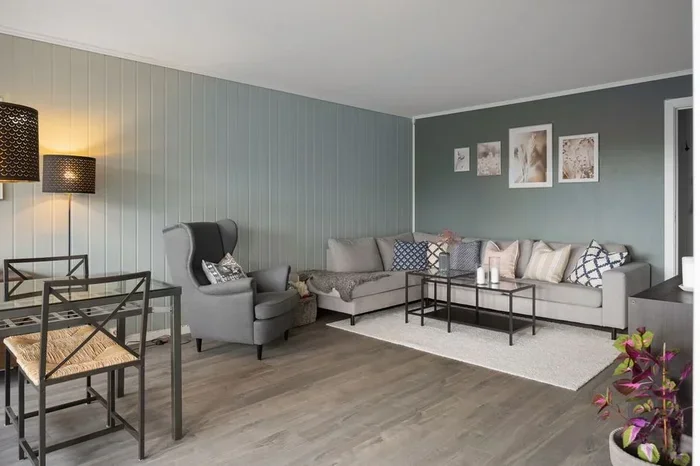
- Light wood floors: Pair with furniture in medium to dark tones for contrast. Think charcoal sofas, deep navy chairs, or warm burgundy accent pieces.
- Medium wood floors: These are the most versatile. You can go warm with caramel and cream tones or cool with grays and whites.
- Dark wood floors: Use lighter furniture to prevent the room from feeling too heavy. White or cream sofas, light wood tables, and metallic accents balance the space beautifully.
For the best furniture arrangement on wood floors, consider how traffic flows through the room. You want clear pathways and comfortable seating areas. Our guide on how to place furniture in living room offers step-by-step tips for arranging your space with wood floors in mind.
The Role Of Rugs In A Wood Floor Living Room
Rugs are essential in a wood floor living room. They define seating areas, add texture, and provide warmth underfoot. Natural fiber rugs like jute, sisal, and wool pair beautifully with wood floors and add an organic feel.
When choosing a rug size, aim for one that fits under the front legs of your sofa and at least part of your armchairs. This creates a unified seating zone that ties the room together. A rug that is too small makes the space feel fragmented, while one that is too large can overwhelm the floor.
Accessorizing With Warm Tones And Natural Materials
To complete the look of your wood floor living room, focus on accessories that echo the natural warmth of wood. Throw pillows in earthy tones, wooden or wicker baskets, ceramic vases, and linen curtains all work wonderfully.
Avoid too much glossy or plastic-looking decor. Wood floors pair best with materials that share their natural, authentic quality. Think cotton throws, leather cushions, and brushed metal lamps. These small details make a big difference in how cohesive and polished the room feels.
Color Schemes And Decor Trends For Wood Floors
The color palette you choose for your wood floor living room sets the mood and atmosphere. Current trends lean toward natural, warm, and grounding colors that complement the beauty of real wood.
Neutral And Earthy Tones
Neutrals remain the most popular choice for wood floor living rooms. Cream, beige, warm gray, and soft white walls let the wood grain take center stage. Earthy tones like terracotta, sage green, and muted mustard add personality without overwhelming the space.
These colors work because they share the same warm undertones as most wood species. The result is a room that feels calm, balanced, and effortlessly stylish.
Bold Accents For A Statement Look
If you prefer a more dramatic living room, consider adding bold accents against your wood floors. A deep emerald green sofa, a burnt orange armchair, or a navy accent wall can create a striking contrast with light or medium wood tones.
The key is balance. Let the wood floor be the grounding element and use bold pieces sparingly as focal points. This approach keeps the room feeling sophisticated rather than chaotic.
Current Trends In Wood Floor Living Room Design
Some of the hottest trends right now include:
- Wide plank flooring with a matte or wire-brushed finish for a relaxed, modern look.
- Warm honey tones that pair well with both Scandinavian and mid-century furniture styles.
- Mixed textures combining wood with stone, metal, and fabric for visual depth.
- Open shelving and built-in units that blend seamlessly with wood floors for a cohesive, custom feel.
For more ideas on styling open shelving in a wood floor living room, visit our article on how to style open shelves living room. Built-in shelves look especially stunning when they flow naturally with the wood flooring, creating a unified and intentional design.
Common Mistakes To Avoid With Wood Floors
Even with the best intentions, some common mistakes can undermine the beauty of a wood floor living room. Knowing what to avoid saves you time, money, and frustration.
Choosing The Wrong Wood Shade
One of the biggest mistakes homeowners make is picking a wood shade without considering the overall room lighting and color scheme. Dark floors in a small, dimly lit room can make the space feel cramped and heavy. Light floors in a bright room can create an airy, open feel that makes the space appear larger.
Always bring flooring samples home and view them in your actual living room at different times of day. Natural light changes the appearance of wood significantly.
Skipping Rugs And Zone Definition
While wood floors are beautiful, an entire room of bare wood can feel cold and impersonal. Skipping rugs entirely is a missed opportunity to add warmth, texture, and visual interest.
Use rugs to create distinct zones within open-plan living areas. A seating area rug, a coffee table rug, and a hallway runner each serve a purpose and make the room feel more intentional and inviting.
Ignoring Maintenance Needs
Wood floors require regular care to maintain their beauty. Simple habits make a huge difference. Sweep or vacuum regularly to remove dirt and grit that can scratch the surface. Use a damp mop with a cleaner formulated for wood floors. Place felt pads under furniture legs to prevent scratches.
Avoid excess water, which can warp or damage wood over time. And consider refinishing every 7 to 10 years to refresh the finish and protect the wood beneath.
How To Maintain And Protect Your Wood Floors
Taking care of your wood floor living room ensures it stays beautiful for decades. A little routine maintenance goes a long way in preserving the look and durability of your floors.
Daily And Weekly Care
Make it a habit to sweep or dust-mop your wood floors daily. This removes loose dirt and prevents scratches. Once a week, use a slightly damp mop with a wood-safe cleaner. Wring the mop well so it is just barely damp, never wet.
Place doormats at every entrance to catch dirt and moisture before they reach your floors. In high-traffic areas, consider a runner rug that can be easily cleaned or replaced.
Dealing With Scratches And Damage
No wood floor is completely scratch-proof, but you can minimize damage. Use furniture pads on all chair and table legs. Avoid high heels indoors. Keep pet nails trimmed to prevent deep scratches.
For minor scratches, wood touch-up markers and fillers work well. Deeper damage may require professional refinishing, which involves sanding the surface and applying a new finish. This process can restore even heavily worn floors to their original beauty.
When To Refinish Your Wood Floors
Most wood floors need refinishing every 7 to 10 years, depending on foot traffic and wear. Signs that refinishing is needed include visible scratches, dullness, or uneven coloring across the floor.
Refinishing is a worthwhile investment. It not only restores the appearance of your floors but also adds a protective layer that shields the wood from future damage. A freshly refinished wood floor living room can look as good as new and last for many more years.
Bringing It All Together: Creating Your Dream Wood Floor Living Room
Designing a beautiful wood floor living room comes down to making thoughtful choices at every level. Start with the right wood type and shade for your space. Then build outward with furniture, rugs, lighting, and decor that complement the natural beauty of your floors.
Remember that a wood floor living room is a long-term investment. Choose quality materials, prioritize comfort and function, and let your personal style guide the decor decisions. The result will be a living space that feels warm, welcoming, and uniquely yours.
Take your time with the process. Visit showrooms, collect samples, and gather inspiration from magazines and online resources. The more you explore, the more confident you will become in creating a space that truly reflects who you are.
Your wood floor living room is more than just a floor. It is the foundation of a home where memories are made, conversations happen, and life unfolds naturally. Embrace the warmth and elegance of wood, and enjoy the transformation it brings to your everyday living.
Frequently Asked Questions
What is the best wood type for a living room floor?
White oak and maple are excellent choices for most living rooms because they are durable, widely available, and work with many decor styles. Walnut is ideal if you prefer a darker, more dramatic look. Engineered wood is a great budget-friendly alternative that still offers the beauty of real wood.
How do I choose the right wood floor color for my living room?
Consider your wall color, furniture style, and natural light. Light wood floors work well in small or dim rooms, while dark wood floors add richness to larger, well-lit spaces. Always test samples in your actual room before committing to a color.
Are wood floors hard to maintain in a living room?
Not at all. Wood floors are surprisingly easy to care for. Regular sweeping, occasional damp mopping with a wood-safe cleaner, and using felt pads under furniture legs are all it takes. Refinishing every 7 to 10 years keeps them looking their best.
Can I install wood floors in a living room with underfloor heating?
Yes, but you should choose engineered wood or a wood species rated for use with underfloor heating. Always check the manufacturer’s recommendations before purchasing to ensure compatibility and long-term performance.
What rugs work best with wood floor living rooms?
Natural fiber rugs like jute, sisal, and wool complement wood floors beautifully. For a softer feel, cotton and low-pile rugs also work well. Choose rug sizes that extend under at least the front legs of your seating furniture to define the space properly.
How can I make my wood floor living room feel more cozy?
Add layered rugs, soft throw blankets, and warm-toned cushions. Use warm lighting with table lamps and floor lamps. Incorporate natural materials like wood, leather, and linen to enhance the inviting atmosphere of your wood floor living room.
=== CONCLUSION ===
A wood floor living room is one of the most rewarding home improvements you can make. It brings lasting beauty, natural warmth, and significant value to your home. From choosing the right wood species and color to styling with furniture, rugs, and decor, every decision contributes to a space that feels both elegant and comfortable.
Take the time to explore your options, avoid common pitfalls, and let your personal style lead the way. With the right approach, your wood floor living room will be a space you love coming home to every single day.