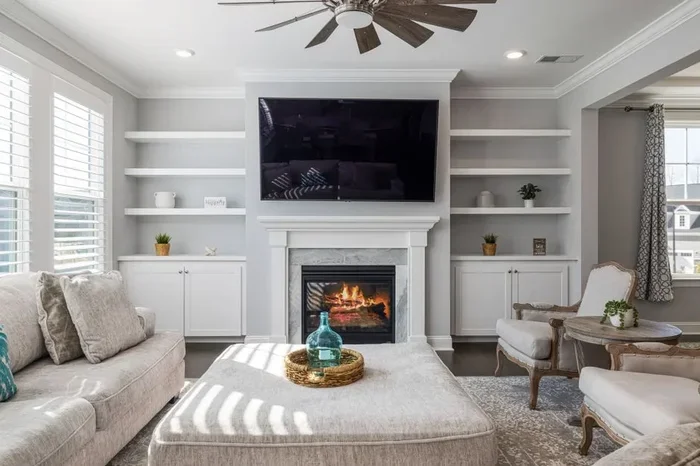
What Is a Good Color for a Living Room and Why It Matters
Choosing the right color for your living room can completely transform the feel of your space. The best living room color depends on your room size, lighting, and personal style. Whether you prefer neutral tones or bold wall colors, the right shade boosts mood and curb appeal. This guide covers top picks, color psychology, and practical tips to help you decide.
What is a good color for a living room? It is one of the most common questions homeowners ask when they start decorating. The answer is not as simple as picking a favorite shade from a paint chip. Your living room color sets the tone for the entire space. It affects how big or small the room feels, how warm or cool it looks, and how comfortable you feel when you walk in.
Whether you are painting from scratch or just refreshing your living room decor, choosing the right color matters more than most people realize. Colors influence our mood, energy levels, and even how we interact with others in a space. A well-chosen living room wall color can make your home feel like a retreat. A poor choice can leave the room feeling off no matter how much furniture or artwork you add.
In this guide, we will walk you through the best colors for a living room, explain why they work, and give you practical tips to find your perfect shade. We will also explore color psychology, room size considerations, and how to pair your walls with accent pieces for living room items like cushions, rugs, and curtains. By the end, you will feel confident about your color decision.
Key Takeaways
- Neutral colors like beige, gray, and white work well for most living rooms and are easy to update.
- Bold colors such as navy, emerald green, and mustard add personality and drama to a space.
- Color psychology plays a big role in how a room feels, so choose shades that match the mood you want.
- Room size and lighting should guide your color choice, since dark colors can make small rooms feel cramped.
- Accent pieces like pillows, rugs, and artwork help tie your color scheme together.
- Testing paint samples on your walls before committing is one of the smartest steps you can take.
- Trends come and go, so pick a color you genuinely love and can live with for years.
📑 Table of Contents
- Why Living Room Color Matters
- Best Neutral Colors for a Living Room
- Best Bold Colors for a Living Room
- Color Psychology: Choosing Colors Based on Mood
- How Room Size and Layout Affect Color Choice
- Practical Tips for Choosing and Implementing Your Color
- Common Mistakes to Avoid When Choosing Living Room Colors
- Current Living Room Color Trends for 2024
- Final Thoughts on Finding the Perfect Living Room Color
Why Living Room Color Matters
The color of your living room is one of the biggest design decisions you will make. It is the backdrop for everything else in the room. Your furniture, artwork, and accent pieces for living room all sit against this canvas. Getting the color right means the rest of your decor falls into place more naturally.
Colors do more than just look pretty. They trigger emotional and psychological responses. This is called color psychology, and it plays a huge role in interior design. For example, soft blues tend to calm people down, while bright yellows can boost energy. If you want a cozy living room color palette that feels relaxing, you need to understand how different shades affect your mood.
How Color Affects Room Size and Light
The color you choose can actually change how large or small your room appears. Light colors like white, cream, and pale gray reflect more light. This makes a room feel open and airy. Dark colors absorb light, which can make a space feel intimate and snug. However, they can also make a small room feel cramped.
If you have a large living room with plenty of natural light, you have more freedom to experiment with bold living room colors. If your room is small or lacks windows, stick to lighter neutral living room colors to keep things feeling spacious.
The Role of Natural and Artificial Light
Lighting changes everything when it comes to paint color. A shade that looks beautiful in the morning might feel completely different under evening lamps. North-facing rooms get cooler, softer light. South-facing rooms get warm, bright light. East-facing rooms shine in the morning, and west-facing rooms glow in the afternoon.
Before you commit to a color, paint a large test patch on your wall. Observe it at different times of day. Check how it looks with your living room furniture colors and lighting setup. This simple step saves money and regret.
Best Neutral Colors for a Living Room
Neutral colors remain the most popular choice for living rooms, and for good reason. They are timeless, versatile, and easy to pair with almost any style. If you are not sure where to start, neutrals are the safest and most elegant option.
White and Off-White
White creates a clean, fresh look. It makes a room feel bright and open. Pure white can sometimes feel sterile, so many homeowners prefer off-white shades like cream, ivory, or eggshell. These warmer whites add a touch of coziness without losing that airy feel.
White works beautifully with modern living room colors and classic living room colors alike. You can add pops of color through cushions, throws, and wall art. A white living room also gives you the freedom to change your decor season without repainting.
Beige and Taupe
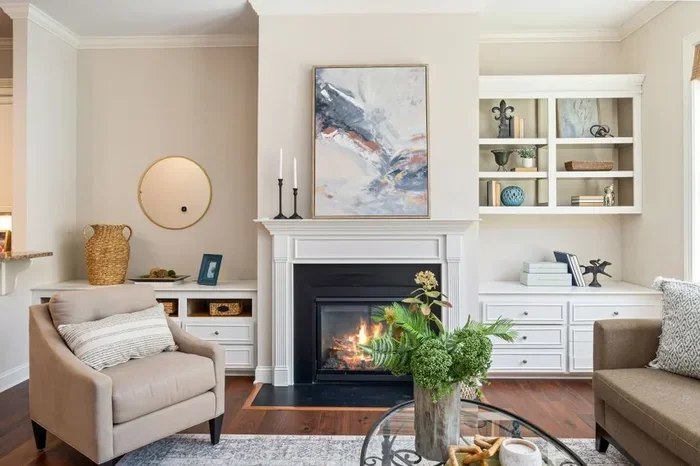
Beige is a warm, earthy neutral that makes any room feel welcoming. Taupe is a sophisticated mix of gray and brown that adds depth without being heavy. Both shades pair well with wood furniture and natural textures like linen and jute.
Beige and taupe are especially great for creating a cozy living room color scheme. They work well with both warm living room colors and cool living room colors as accent tones. If you are unsure about committing to a bold shade, these neutrals are a perfect starting point.
Gray
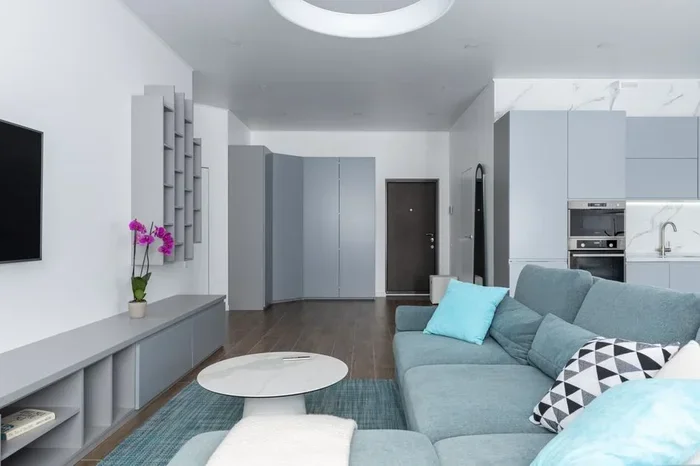
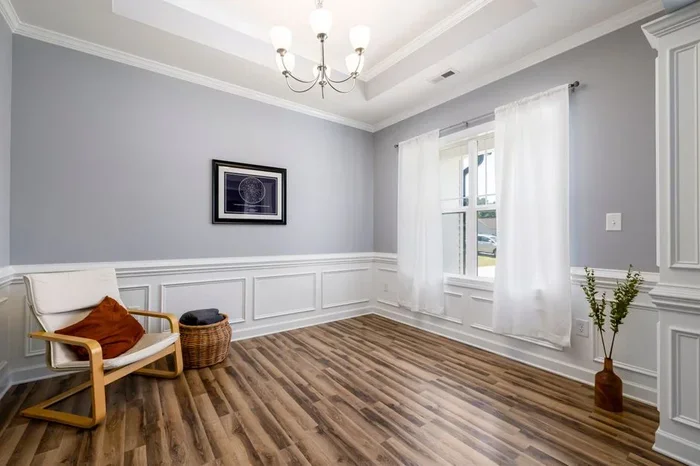
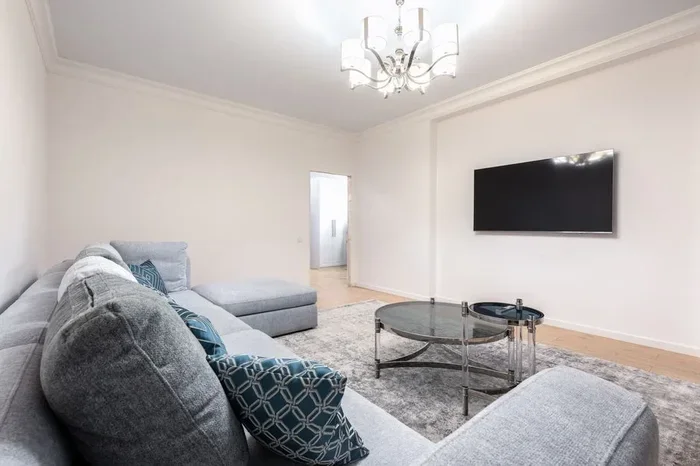
Gray is one of the most versatile neutral colors available. It comes in warm undertones like greige (gray-beige) and cool undertones like slate gray. Light gray makes a room feel calm and spacious. Dark charcoal gray adds drama and elegance.
Gray pairs easily with almost any accent color. Try it with soft pastels for a gentle look or with bold living room colors like mustard or teal for a modern feel. Gray also works well in both traditional and contemporary living room design styles.
Best Bold Colors for a Living Room
If you want your living room to make a statement, bold colors are the way to go. They add personality, energy, and a sense of style that neutral tones simply cannot match. The key is to balance bold walls with the right furniture and accessories.
Navy Blue
Navy blue is a rich, deep color that feels both elegant and grounding. It works beautifully in living rooms with good natural light. Pair navy walls with crisp white trim and warm wood furniture for a classic look. Add brass or gold accent pieces for living room items for a touch of luxury.
Navy also pairs well with warm tones like terracotta and mustard. This combination creates a living room color scheme that feels both sophisticated and inviting. It is one of the top living room color trends right now, and for good reason.
Emerald Green
Emerald green brings a sense of nature and luxury into any room. It looks stunning against white trim and gold accents. This color works especially well in rooms with plenty of natural light, where it really shines.
Emerald green pairs beautifully with velvet textures and wooden furniture. It creates a lush, dramatic living room color palette that feels both timeless and trendy. If you love aesthetic living room ideas, emerald green is a fantastic choice to explore.
Mustard Yellow
Mustard yellow adds warmth and energy to a living room. It is a great option if you want a cozy, welcoming feel without going too dark. Mustard works well as an accent wall or as the main wall color in rooms with good light.
Pair mustard with gray or white furniture for a modern look. Add black accents for contrast. This color is perfect for people who love warm living room colors but want something more interesting than plain beige or cream.
Color Psychology: Choosing Colors Based on Mood
Different colors evoke different emotions. Understanding this can help you pick a living room color that matches the vibe you want to create in your home.
| Color | Mood Created | Best For |
|---|---|---|
| Blue | Calm, peaceful, trustworthy | Relaxation, reading nooks |
| Green | Fresh, balanced, natural | Connection with nature, calm spaces |
| Yellow | Happy, energetic, warm | Bright, cheerful spaces |
| Gray | Neutral, sophisticated, calm | Modern, minimalist spaces |
| Terracotta | Warm, earthy, grounded | Cozy, rustic spaces |
| Navy | Dramatic, elegant, deep | Formal, sophisticated spaces |
| Soft Pink | Gentle, romantic, warm | Cozy, feminine spaces |
When choosing your living room wall color, think about how you use the room. Do you want it to be a peaceful retreat after a long day? Go with soft blues or greens. Do you host a lot of gatherings and want an energetic feel? Try warm yellows or terracotta.
Quick Tips for Using Color Psychology
- Start by identifying the primary mood you want in your living room.
- Choose a base color that supports that mood.
- Add secondary colors through furniture, textiles, and accent pieces for living room items.
- Test your color choices in the actual room before buying paint.
- Consider how the color will look at different times of day and under different lighting.
How Room Size and Layout Affect Color Choice
The size and layout of your living room should heavily influence your color decision. A color that looks perfect in a large, open space might feel overwhelming in a small apartment living room.
Small Living Rooms
In a small living room, light colors are your best friend. White, soft gray, pale yellow, and light blue all help the room feel bigger and more open. Dark colors on all four walls can make a small room feel closed in and claustrophobic.
If you love dark colors, consider using them on just one accent wall. This adds depth and interest without shrinking the space. You can also use light vs dark living room colors strategically — lighter on the walls, darker on furniture or curtains — to create balance.
Large Living Rooms
Large living rooms give you more flexibility. You can go darker on the walls without worrying about the space feeling small. Deep colors like charcoal, forest green, and burgundy work well in big rooms because they add warmth and character.
In large rooms, consider creating distinct zones using color. For example, a slightly different shade on the seating area wall can define the conversation zone. If you are working with a specific layout, check out our guide on how to arrange furniture in a long living room for more ideas on making color work with your layout.
Open-Concept Spaces
Open-concept living rooms present a unique challenge. The color you choose needs to flow well with adjacent areas like the dining room and kitchen. Neutral tones work best for open spaces because they create a seamless transition between zones.
You can still add personality through accent colors. Use pillows, rugs, and artwork in bolder shades to add interest without overwhelming the open flow. A cohesive living room color scheme ties the whole space together.
Practical Tips for Choosing and Implementing Your Color
Now that you understand the basics of color selection, here are some practical tips to help you put your plan into action.
Start with a Mood Board
Before you buy any paint, create a mood board. Collect images of living rooms you love. Notice what colors keep appearing. This visual research helps you identify your preferences and narrow down your options.
Save images from magazines, Pinterest, or interior design websites. Look for patterns in the living room color combinations that appeal to you. This simple exercise can save you from making a costly mistake.
Buy Sample Paints
Never skip the sample paint step. Buy small cans of your top choices and paint large swatches on your walls. Live with them for a few days. Look at them in the morning, afternoon, and evening. See how they change with the light.
This is also a great time to check how the color looks with your existing furniture and flooring. If you are unsure about your furniture choices, our guide on how to choose furniture for a living room can help you find pieces that complement your color plan.
Consider the 60-30-10 Rule
The 60-30-10 rule is a classic design guideline that works beautifully for living rooms. It suggests using three colors in specific proportions:
- 60% — Dominant color (usually the wall color)
- 30% — Secondary color (furniture, curtains, large rugs)
- 10% — Accent color (cushions, artwork, decorative objects)
This rule creates balance and visual interest. It prevents any one color from dominating the room while keeping the living room color palette cohesive and intentional.
Don’t Forget the Ceiling and Trim
Your wall color is important, but do not overlook the ceiling and trim. White or off-white trim is the most common choice because it frames the walls beautifully. However, painting the ceiling a soft color can add a unique touch.
A light blue or soft gray ceiling can make the room feel taller and more airy. For a more dramatic look, consider a dark ceiling color in a large living room. Just make sure the rest of the room has enough light to balance it out.
Common Mistakes to Avoid When Choosing Living Room Colors
Even the best intentions can lead to color mistakes. Here are some common pitfalls to watch out for.
- Choosing a color based only on a tiny paint chip. Paint chips are small and hard to judge accurately. Always go larger with your samples.
- Ignoring the existing furniture. Your wall color needs to work with the furniture you already own or plan to buy.
- Following trends blindly. Trends fade, but your walls stay. Pick a color you truly love, not just one that is popular right now.
- Using too many bold colors. Stick to one or two bold shades and let the rest be neutral. Too many bold colors create visual chaos.
- Skipping the test phase. Painting without testing is like cooking without tasting. Always test your color in the actual space.
By avoiding these mistakes, you set yourself up for a living room color choice you will be happy with for years to come. If you want more advice on creating a cohesive look, explore our tips on accent pieces for living room to see how small details tie everything together.
Current Living Room Color Trends for 2024
Trends can be a fun starting point, even if you do not follow them blindly. Here are some of the top living room color trends this year that are worth considering.
Warm Earth Tones: Terracotta, clay, and warm sand tones are everywhere in interior design right now. These colors create a grounded, natural feel that many homeowners find comforting. They work well with wooden furniture and organic textures like linen and rattan.
Soft Sage Green: Sage green has taken the design world by storm. It is calming, fresh, and incredibly versatile. It pairs well with both light and dark furniture and adds a natural, organic touch to any living room.
Muted Jewel Tones: Deep but softened versions of emerald, sapphire, and amethyst are trending. These colors add richness and depth without feeling overwhelming. They work best in rooms with good natural light and warm lighting fixtures.
Warm Whites and Creams: Pure white is being replaced by warmer, softer alternatives. Warm whites with hints of yellow or pink feel more inviting and complement a wide range of decor styles.
Remember, trends are just inspiration. The best living room color is always the one that makes you feel at home. Use trends as a jumping-off point, but let your personal taste lead the way.
Final Thoughts on Finding the Perfect Living Room Color
Choosing the right living room wall color is one of the most rewarding decisions you can make for your home. It affects how the room looks, how it feels, and how much you enjoy spending time in it. Whether you lean toward neutral living room colors or prefer bold living room colors, the key is to choose with intention.
Start by understanding your room’s size and lighting. Consider the mood you want to create. Explore different color families and test your favorites before committing. Use the 60-30-10 rule to keep your living room color palette balanced and harmonious.
Remember, there is no single perfect color. The best color is the one that reflects your personality, suits your space, and makes you feel happy every time you walk in. Trust your instincts, take your time, and enjoy the process of making your living room truly yours.
For more ideas on creating a beautiful and cohesive space, check out our collection of aesthetic living room ideas and aesthetic living room decor inspiration. And if you are ready to style your side tables and surfaces, our guide on how to style a side table in living room offers practical tips to pull your whole look together.
Frequently Asked Questions
What is the most popular living room color?
Neutral tones like white, beige, and gray are the most popular living room colors. They are timeless, versatile, and easy to pair with any furniture style. However, soft greens and warm earth tones are gaining popularity as homeowners seek more personality in their spaces.
What is the best color for a small living room?
Light colors like soft white, pale gray, and light blue work best for small living rooms. These shades reflect light and make the space feel open and airy. If you want a bold accent, use it on just one wall or through furniture and accessories.
Should I paint my living room walls a bold color?
It depends on your room size, lighting, and personal style. Bold colors add drama and personality but can overwhelm small or dark rooms. If you love bold shades, consider using them on a single accent wall. This gives you the impact without the intensity.
How do I choose a living room color that matches my furniture?
Start by identifying the dominant color in your furniture. Then choose a wall color that complements it. Neutral walls work with almost any furniture color. If your furniture is bold, keep the walls neutral to let the furniture stand out.
What colors make a living room feel cozy?
Warm colors like terracotta, soft beige, warm gray, and muted mustard create a cozy atmosphere. Deep jewel tones like burgundy and forest green also add warmth and richness. Pair these colors with soft textiles and warm lighting for the coziest effect.
How many colors should I use in my living room?
The 60-30-10 rule recommends using three colors in a living room. Sixty percent as the dominant color, thirty percent as the secondary color, and ten percent as an accent. This keeps the space balanced and visually appealing without feeling chaotic.
=== CONCLUSION ===
Finding the right color for a living room is a blend of personal taste, practical thinking, and a little creative experimentation. The best living room color is the one that makes you feel at home while complementing your space and furniture. Whether you choose calming neutrals, dramatic darks, or cheerful brights, the key is to make the choice with intention and confidence.
Take your time, test your samples, and trust your instincts. Your living room is the heart of your home, and its color should reflect who you are and how you want to feel every day. Happy decorating!