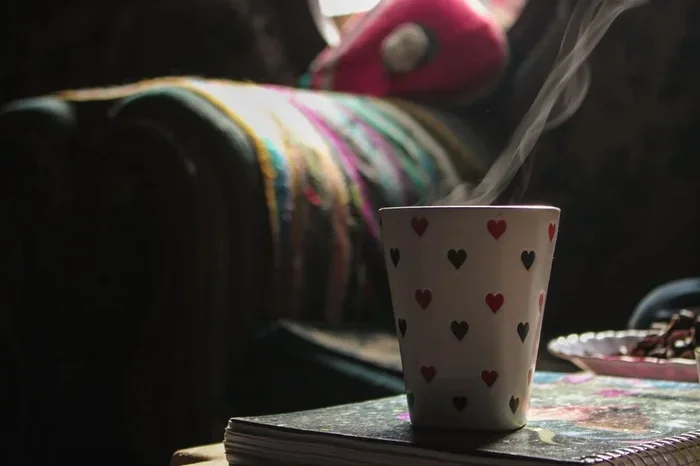
Warm Living Room Colour Schemes to Make Your Space Cozy
Warm living room colour schemes can instantly transform any space into a cozy retreat. From earthy tones to warm neutrals, the right palette sets the mood and feels welcoming every day. You will learn the best warm colours, how to combine them, and simple tips to pull the look together.
There is something magical about a warm living room colour scheme. The moment you walk into a room filled with warm tones, you feel relaxed. Your shoulders drop. You exhale. That is the power of colour.
Whether you are redecorating from scratch or just looking to refresh your space, choosing the right warm palette makes all the difference. Warm colours bring energy and comfort at the same time. They make a room feel lived-in and loved.
In this guide, we will walk you through the best warm living room colour schemes you can use today. You will discover colour combinations that work, learn how to balance bold and subtle tones, and pick up practical tips to make your space feel cozy all year round.
Key Takeaways
- Warm tones create comfort: Colours like terracotta, burnt orange, and warm beige make any living room feel inviting and relaxed.
- Neutrals are versatile: Warm creams, soft greiges, and ivory work as a base and pair easily with bold accents.
- Earth tones bring nature indoors: Olive, rust, and clay shades add depth and a grounded feel to your space.
- Lighting matters: Warm lighting enhances your colour choices and makes the room feel even cozier.
- Accent pieces add interest: Pillows, rugs, and wall art in warm shades tie the whole room together.
- Start small: You do not need to paint every wall. A few warm accents can shift the whole vibe.
📑 Table of Contents
- Why Warm Colours Work So Well in Living Rooms
- Earthy Tones That Bring Nature Indoors
- Bold Warm Accents That Make a Statement
- Warm Colour Combinations That Work Beautifully
- How Lighting Affects Your Warm Colour Scheme
- Common Mistakes to Avoid When Choosing Warm Colours
- Final Thoughts on Warm Living Room Colour Schemes
Why Warm Colours Work So Well in Living Rooms
Warm colours sit on the red, orange, and yellow side of the colour wheel. They remind us of sunlight, firelight, and autumn leaves. These associations trigger feelings of warmth and safety in our brains.
When you use warm tones for living room spaces, you create an atmosphere that encourages conversation and connection. Guests feel welcome. Family members want to gather. That is exactly what a living room should do.
Colour psychology plays a big role here too. Studies show that warm hues can raise your heart rate slightly and boost your mood. They make spaces feel smaller and more intimate, which is perfect for a room where you want to unwind.
Warm Neutrals as Your Base
Not every warm colour needs to be bold. Warm neutrals like warm beige, soft cream, and warm greige (grey-beige) make excellent base colours. They work behind the scenes and let your accent pieces shine.
Think of warm neutrals as the canvas. Your furniture, art, and textiles add the personality on top. A warm cream walls choice, for example, gives you a bright but cozy backdrop that pairs with nearly any accent colour.
Here are some popular warm neutral options:
- Warm beige – a classic that never goes out of style
- Soft cream – adds a touch of elegance and light
- Warm greige – blends the warmth of beige with the depth of grey
- Ivory – slightly warmer than white and very versatile
- Light taupe – earthy and grounding without being heavy
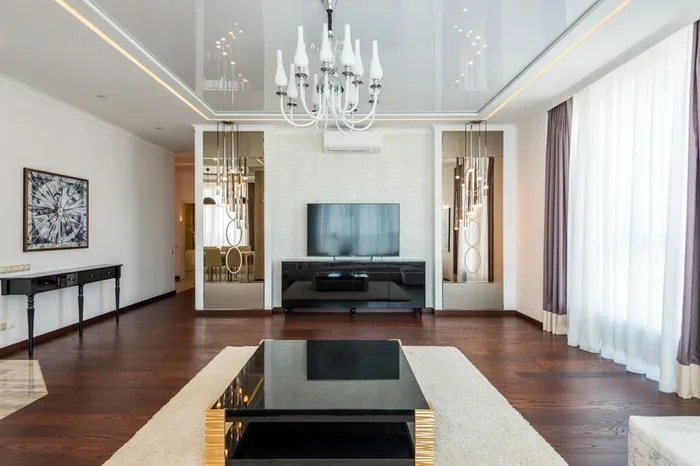
If you love the look of an ivory living room set, you already understand the beauty of warm neutrals. Ivory walls paired with warm wood furniture create a soft and sophisticated backdrop for any decor style.
Earthy Tones That Bring Nature Indoors
Earth tones are some of the most satisfying choices for warm living room colour schemes. They connect your indoor space to the natural world. Think of clay, rust, olive, and burnt sienna. These colours feel grounded and real.
Earthy palettes work especially well in rooms with plenty of natural light. The sun enhances these tones and makes the room glow. Even in dimmer spaces, earth tones add warmth without feeling dark or heavy.
How to Use Earth Tones Effectively
The key is balance. You do not want every surface to be a deep earth tone or the room will feel cave-like. Use earth tones as your anchor and keep the rest of the room lighter.
Here is a simple approach:
- Pick one earth tone for your main wall or large furniture piece.
- Choose a lighter warm neutral for the remaining walls.
- Add earthy accent pieces like a jute rug, clay pottery, or wooden bowls.
- Use textiles in complementary shades to tie everything together.
For example, a warm terracotta accent wall paired with warm cream walls and natural wood furniture creates a beautiful cozy colour palette. Add some green plants and you have a living room that feels like a peaceful retreat.
Bold Warm Accents That Make a Statement
If you want to add more personality, bold warm accents are the way to go. These are the colours that draw the eye and create a focal point in the room.
Colours like burnt orange, deep mustard, and warm rust bring energy without overwhelming the space. The trick is to use them in small doses. A bold accent piece for living room like a throw pillow, a piece of wall art, or a decorative vase can shift the entire mood.
Best Bold Warm Colours to Try
- Burnt orange – adds warmth and a rustic feel
- Deep mustard – rich and stylish without being too bright
- Warm rust – earthy and perfect for autumn-inspired rooms
- Golden ochre – a sunny yellow-orange that lifts any space
- Warm coral – playful yet cozy and very on-trend
When you combine bold warm accents with a neutral base, you get a room that feels dynamic but still relaxing. This approach works beautifully in aesthetic living room ideas where you want the space to look curated and intentional.
One of the easiest ways to add bold warmth is through textiles. Swap out your throw pillows, add a textured area rug, or hang a warm-toned curtain. These changes are affordable and easy to reverse if you want to try something new.
Warm Colour Combinations That Work Beautifully
Not sure which warm colours to pair together? Some combinations simply work. They create harmony and balance without feeling forced. Let us look at a few tried-and-true pairings.
Terracotta and Cream
This is one of the most popular warm colour combinations right now. Terracotta brings depth and earthiness, while cream keeps things light and fresh. Together, they create a living room that feels both modern and timeless.
Use terracotta for a feature wall or large furniture piece. Keep the walls in a soft cream shade. Add natural textures like linen and rattan to complete the look.
Olive Green and Warm Beige
Olive green is a beautiful earthy tone that pairs wonderfully with warm beige. This combination brings a calm, organic feel to any room. It works especially well in spaces that aim for a relaxed, boho-inspired vibe.
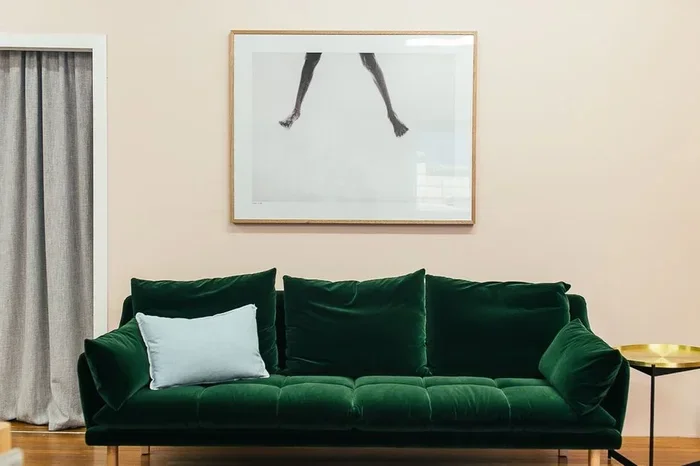
An olive green sofa against warm beige walls creates a stunning focal point. Add some warm wood accents and a few golden-toned light fixtures for extra warmth.
Burnt Orange and Deep Brown
This pairing feels rich and luxurious. Burnt orange adds vibrancy while deep brown provides grounding and sophistication. It is a perfect choice for a cozy colour palette during the cooler months.
Use burnt orange in smaller accents like cushions and blankets. Let deep brown show up in your furniture or shelving. The contrast is striking but never harsh.
Mustard Yellow and Soft Grey
Mustard yellow brings a sunny, uplifting energy to a room. Paired with soft warm grey, it feels fresh and contemporary. This combination works well in modern and mid-century inspired spaces.
Paint your walls in a soft warm grey and add mustard yellow through artwork, cushions, and a statement chair. The result is a bright yet cozy living room that feels inviting all year.
How Lighting Affects Your Warm Colour Scheme
Lighting can make or break your warm living room colour schemes. The same wall colour can look completely different under warm versus cool lighting. Understanding this simple fact saves you from costly mistakes.
Natural light is your best friend. Rooms with large windows and plenty of sunlight will make warm colours feel vibrant and alive. North-facing rooms with less natural light may need warmer undertones in the paint to avoid feeling cold.
Artificial Lighting Tips
When the sun goes down, your artificial lighting takes over. Here is how to make it work for your warm palette:
- Use warm white bulbs (2700K-3000K) to enhance warm tones
- Avoid cool white bulbs – they can make warm colours look dull and grey
- Add layered lighting – floor lamps, table lamps, and warm overhead fixtures create depth
- Consider dimmable options – you can adjust the brightness to match the mood
Golden hour lighting, whether from a sunset window or a warm lamp, makes every warm colour glow. It is one of the simplest ways to elevate your warm and inviting living room without changing a single thing on the walls.
If you have an AC for living room or any cooling unit, position it so the airflow does not blow directly onto your painted walls. Temperature changes can affect how colours appear and how comfortable the room feels overall.
Common Mistakes to Avoid When Choosing Warm Colours
Even with the best intentions, it is easy to make missteps when choosing a warm living room colour scheme. Here are some common mistakes and how to avoid them.
Using Too Much of One Colour
When you love a colour, it is tempting to use it everywhere. But a room painted entirely in deep terracotta can feel overwhelming. The 60-30-10 rule helps: 60% dominant colour (usually a warm neutral), 30% secondary colour, and 10% accent colour.
Ignoring Your Existing Furniture
Your furniture is a big part of the room. Choose a wall colour that complements what you already own. If you have warm wood furniture, lean into warm tones. If your furniture is cool-toned metal and glass, balance it with warm textiles and accents.
Skipping the Sample Test
Always test your colour on a small wall section first. Paint a large swatch and observe it at different times of the day. Colours can shift dramatically from morning to evening light.
Forgetting About the Ceiling
The ceiling is often overlooked. A warm white or soft cream ceiling keeps the room feeling cohesive. A stark white ceiling can create a stark contrast that breaks the warm atmosphere you worked hard to build.
Final Thoughts on Warm Living Room Colour Schemes
Choosing the right warm living room colour schemes is one of the most impactful decisions you can make for your home. Warm colours bring comfort, energy, and a sense of invitation to any space. Whether you prefer soft warm neutrals or bold earthy accents, there is a palette that fits your style perfectly.
Start with a strong base in warm neutrals. Add earthy tones for depth. Use bold accents to create interest. Pay attention to lighting. And remember that small changes like pillows, rugs, and artwork can make a big difference.
Your living room is where you relax, connect, and recharge. Make it a place that feels warm and welcoming every single day. The right colour scheme is the first step toward that goal.
For more ideas on creating a beautiful and functional space, check out our guide on aesthetic living room ideas for additional inspiration. You can also explore our tips on how to style a side table in living room to add warm accents in the perfect spots. And if you love the ivory look, our ivory living room set collection offers gorgeous pieces that pair beautifully with any warm palette.
Frequently Asked Questions
What are the best warm colours for a living room?
The best warm colours include warm beige, terracotta, burnt orange, warm cream, and soft mustard. These shades create a cozy and inviting atmosphere. You can use them on walls, furniture, or as accent pieces to bring warmth to any space.
How do I make a small living room feel warm and cozy?
Use warm neutrals like soft cream or warm beige on the walls to make a small room feel open yet cozy. Add warm textiles like throw pillows and a soft rug. Choose warm lighting and keep the colour palette consistent to avoid visual clutter.
Can I mix warm and cool colours in my living room?
Yes, you can. The key is balance. Use warm colours as your dominant palette and add cool tones sparingly through accessories. This creates a layered and dynamic look without feeling chaotic or conflicting.
What is the 60-30-10 rule for room colour schemes?
The 60-30-10 rule means 60% of the room is your dominant colour (usually a warm neutral), 30% is your secondary colour, and 10% is your accent colour. This balance creates visual harmony and keeps the room feeling cohesive and well-designed.
How does lighting affect warm colours in a living room?
Lighting has a huge impact on how warm colours appear. Natural sunlight enhances warm tones and makes them glow. Warm artificial lighting (2700K-3000K bulbs) also brings out the best in warm colours, while cool lighting can make them look dull and flat.
What are some affordable ways to add warm colours to my living room?
You do not need to repaint to add warmth. Swap out throw pillows and blankets in warm tones. Add a warm area rug, hang warm-toned artwork, or use warm lampshades. These small changes can transform your space without a big budget.