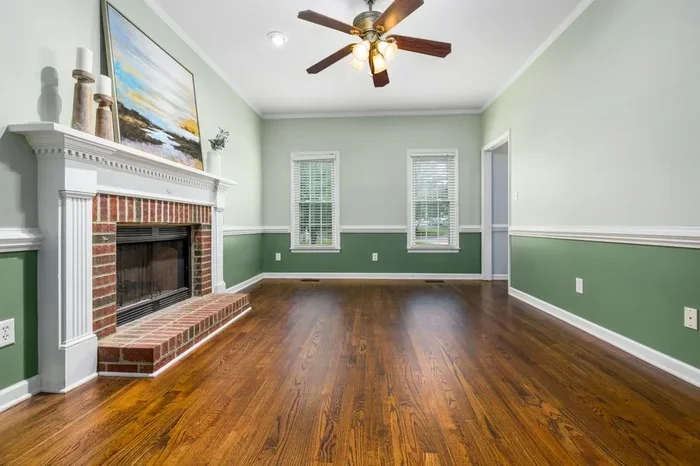
Wall Paint Colors for Living Room to Transform Your Space
Choosing the right wall paint colors for your living room can completely change the feel of your space. Whether you prefer soft neutrals, bold accents, or modern tones, the perfect paint color brings your living room design to life. This guide covers the best wall paint colors for living room inspiration, practical tips, and common mistakes to avoid.
Your living room is the heart of your home. It is where you relax, entertain guests, and spend quality time with family. And one of the easiest ways to completely change the vibe of this space is by picking the right wall paint colors for living room areas. A fresh coat of paint can make a small room feel bigger, a dark room feel brighter, and a boring room feel stunning.
If you have been staring at blank walls wondering where to start, you are in the right place. This guide walks you through the best living room paint ideas, popular color trends, and practical tips to help you choose wall paint colors for living room spaces that truly reflect your style. Whether you love soft neutrals or want to go bold with deep jewel tones, there is a perfect palette waiting for you.
Key Takeaways
- Neutral tones like beige, gray, and cream create a timeless and versatile living room base.
- Bold wall colors such as navy, emerald green, and terracotta add personality and depth to any space.
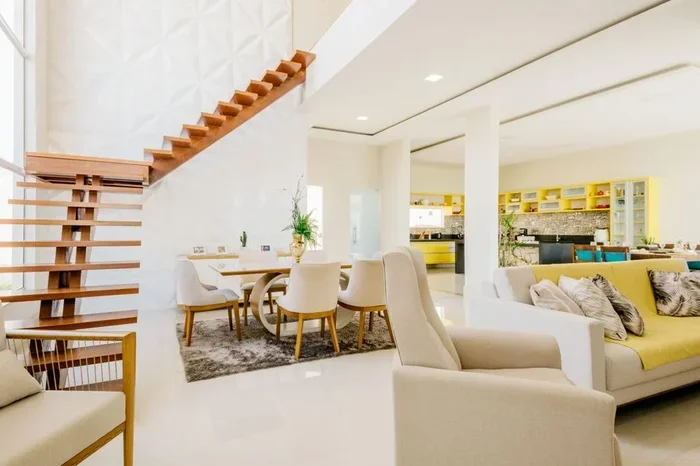
- Light paint colors make small living rooms feel open, airy, and inviting.
- Accent walls are an easy way to introduce a statement color without overwhelming the room.
- Paint finishes matter just as much as color choice for the final look and durability.
- Color psychology plays a real role in how your living room feels and functions daily.
- Test paint swatches on your walls before committing to ensure the color works in your lighting.
📑 Table of Contents
- Why Wall Paint Colors Matter for Your Living Room
- Best Neutral Wall Paint Colors for Living Room
- Bold and Beautiful Wall Paint Colors for Living Room
- How to Choose the Perfect Paint Color for Your Living Room
- Accent Walls and Creative Painting Techniques
- Common Mistakes to Avoid When Painting Your Living Room
- Final Thoughts on Wall Paint Colors for Living Room
Why Wall Paint Colors Matter for Your Living Room
The color of your walls sets the mood for the entire room. Wall paint colors for living room choices affect how you feel when you walk in the door. They influence the perceived size of the space, the warmth of the atmosphere, and even your energy levels throughout the day.
Think about it. A living room painted in cool blue tones feels calm and serene. The same room in warm terracotta feels cozy and inviting. That is the power of color. When you understand how different shades work, you can design a room that matches exactly how you want your home to feel.
Color psychology is a real concept that designers use every day. Warm colors like red, orange, and yellow create energy and closeness. Cool colors like blue, green, and purple promote relaxation and openness. Neutral colors like white, beige, and gray provide a flexible backdrop for any living room design.
Consider Your Natural Lighting
Before you pick a color, look at the natural light in your living room. Rooms with large windows get plenty of sunlight, which makes most colors look truer. North-facing rooms with less light tend to make cool tones feel even cooler. South-facing rooms bring in warm light that can make cool colors feel balanced.
This is why testing paint swatches on your actual walls is so important. A color that looks perfect on a tiny chip can look completely different once it covers an entire wall. Always buy sample pots and paint a small section to see how the color changes throughout the day.
Best Neutral Wall Paint Colors for Living Room
Neutral colors remain the most popular choice for wall paint colors for living room spaces. They work with almost any furniture style, they never go out of fashion, and they create a calm foundation for your decor.
Warm Neutrals
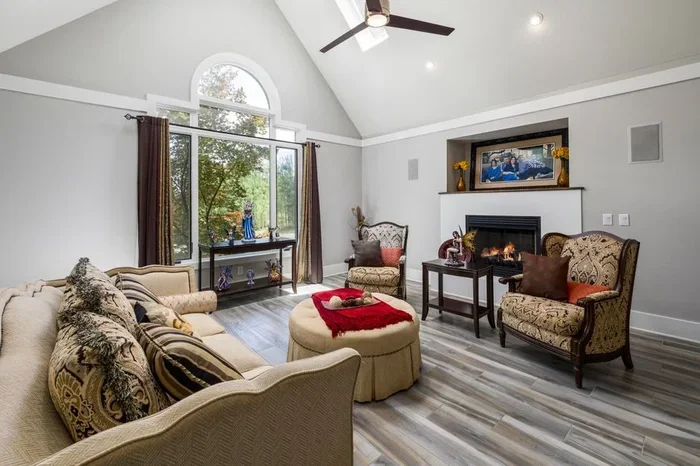
Warm neutrals like beige, cream, and soft taupe add warmth and comfort to a living room. These shades pair beautifully with wooden furniture, warm lighting, and natural textures like linen and jute. They make a space feel welcoming without being overwhelming.
Some popular warm neutral shades include:
- Soft cream — brightens dark rooms and pairs well with almost any accent color
- Warm beige — creates a cozy, earthy feel that works for traditional and modern styles
- Light taupe — adds subtle warmth without the pinkness that some beiges carry
- Greige — a blend of gray and beige that feels fresh and contemporary
Warm neutrals are perfect if you want a flexible base. You can easily change your accent pieces for living room and the walls will still look great. This makes them a smart long-term investment for your space.
Cool Neutrals
Cool neutrals like gray, white, and soft blue-gray bring a clean, modern feel to living rooms. They work especially well in minimalist and contemporary living room design styles. Cool neutrals also make a room feel more open and airy.
Here are some favorite cool neutral options:
- Warm white — softer than stark white and reflects light beautifully
- Light gray — sophisticated and pairs well with bold furniture pieces
- Blue-gray — adds a subtle cool tone that feels refreshing
- Pale greige — bridges the gap between warm and cool tones effortlessly
When choosing cool neutrals, pay attention to the undertone. Some grays lean green, while others lean purple. Matching the undertone to your flooring and furniture creates a cohesive look throughout the room.
Bold and Beautiful Wall Paint Colors for Living Room
If you are tired of plain white walls and want to make a statement, bold wall paint colors for living room choices are the way to go. A dramatic color can turn an ordinary room into a show-stopping space that reflects your personality.
Deep Jewel Tones
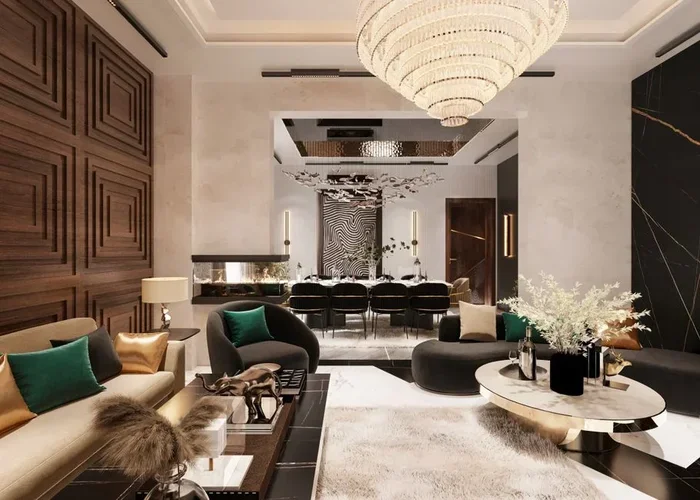
Jewel tones like navy blue, emerald green, and deep burgundy add richness and elegance. These colors work best in living rooms with good natural light, because they can absorb light and make a room feel cozy. Pair them with metallic accents like gold or brass for a luxurious feel.
Deep jewel tones are trending hard right now in aesthetic living room ideas. They create a sense of drama and depth that neutral walls simply cannot achieve on their own. A navy accent wall behind a sofa, for example, instantly makes the room feel more pulled together and intentional.
Earthy and Warm Bold Colors
Earthy bold colors like terracotta, burnt orange, and mustard yellow bring warmth and character. These shades connect your indoor space with natural elements and create a grounded, comforting atmosphere. They pair beautifully with wooden furniture and green plants.
Terracotta, in particular, has been a standout trend in living room wall decor for several years. It works with both modern and bohemian styles, making it a versatile choice. A terracotta wall paired with woven baskets and warm wood tones creates a beautifully inviting space.
Soft Pastels for a Gentle Statement
Not everyone wants a bold dark wall. Soft pastels like dusty rose, sage green, and pale lavender offer a gentle pop of color without overwhelming the room. These shades work wonderfully in small living rooms because they add personality while keeping the space feeling light and open.
Pastel colors also pair beautifully with Ikea living room furniture for small spaces, creating a cohesive and stylish look. The key is to balance the pastel walls with neutral furniture and let the wall color do the talking.
How to Choose the Perfect Paint Color for Your Living Room
Choosing wall paint colors for living room spaces can feel overwhelming with so many options available. But following a simple process makes it much easier and more fun.
Step 1: Define Your Room’s Purpose
Think about how you use your living room most. Is it a quiet retreat for reading and relaxing? A lively space for hosting gatherings? A family room where kids play? The answer helps guide your color choice.
For a calm reading nook, soft blues and greens work beautifully. For an energetic entertainment space, warm yellows and oranges bring the right vibe. Defining the purpose first saves you from picking a color that fights the room’s function.
Step 2: Start With a Color Palette
Pick a color palette that includes your wall color plus two or three accent colors. This palette should flow through your furniture, curtains, rugs, and accent pieces for living room items. A cohesive palette ties the whole room together and makes the design feel intentional.
For example, if you choose a warm gray wall, your palette might include cream upholstery, mustard throw pillows, and wooden shelves. Each piece connects back to the wall color, creating harmony.
Step 3: Test Before You Commit
This step cannot be skipped. Buy small sample pots of your top two or three choices. Paint a generous section on each wall you plan to color. Watch how the color looks in the morning, afternoon, and evening light.
Also, check how the color looks next to your flooring and furniture. Sometimes a color that looks perfect on its own clashes with a specific wood tone or fabric pattern. Testing prevents expensive mistakes and gives you confidence in your final choice.
Step 4: Choose the Right Finish
The paint finish affects both the look and the durability of your walls. For living room walls, most people choose between matte, eggshell, satin, and semi-gloss finishes.
- Matte finish — hides wall imperfections well and gives a soft, non-reflective look
- Eggshell finish — a slight sheen that is easy to clean and works well for most living rooms
- Satin finish — more reflective and durable, great for high-traffic areas
- Semi-gloss finish — best reserved for trim, doors, and accent pieces rather than full walls
For most wall paint colors for living room projects, eggshell or satin finishes strike the perfect balance between beauty and practicality. They resist marks and scuffs while still looking smooth and elegant.
Accent Walls and Creative Painting Techniques
Not every wall in your living room needs to be the same color. An accent wall is one wall painted in a different shade or color from the rest. It adds visual interest, creates a focal point, and lets you use bolder colors without overwhelming the space.
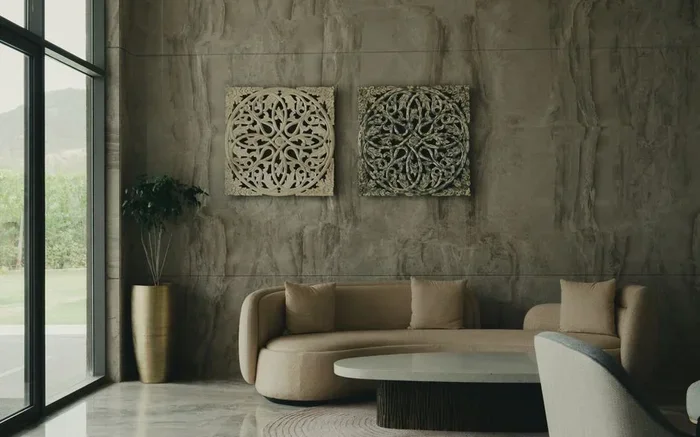
Popular accent wall ideas include painting the wall behind your sofa in a deep color, creating a striped pattern with two complementary shades, or using a textured finish like limewash or Venetian plaster. These techniques add dimension and make your walls feel like art.
If you have open shelves in your living room, a well-painted accent wall behind them makes your displayed items pop even more. The contrast between the wall color and your how to style open shelves living room displays creates a curated, magazine-worthy look.
Two-Tone Wall Ideas
Two-tone walls are gaining popularity in modern living room ideas. You can paint the lower half of the wall in a darker shade and the upper half in a lighter tone. Or try a color-blocked design where different sections of the wall feature different colors. This approach adds energy and visual depth without requiring a full room makeover.
Two-tone walls also work beautifully with aesthetic living room decor. They give you a built-in color scheme that makes choosing furniture and accessories much simpler. Just pull your accent colors from the two wall shades, and your room will look effortlessly coordinated.
Common Mistakes to Avoid When Painting Your Living Room
Even with the best intentions, some common mistakes can undermine your living room makeover. Avoiding these pitfalls saves time, money, and frustration.
Skipping primer. Primer helps paint adhere properly and shows the true color. Skipping it can lead to patchy coverage and extra coats. Always prime your walls, especially if you are painting over a dark color or new drywall.
Buying too little paint. Measure your walls and calculate the square footage before shopping. Running out mid-project means a second trip to the store and potential color matching issues. Most paint cans cover about 350 to 400 square feet per coat.
Ignoring the ceiling and trim. The ceiling and trim affect how the wall color reads. A white ceiling brightens the room, while a colored ceiling creates a dramatic cocoon effect. Trim in a crisp white or a complementary shade frames your walls beautifully.
Following trends blindly. Trends come and go, but your living room is your daily space. Choose colors that you genuinely love and that work with your lifestyle. A trendy color might look great in a magazine, but if it does not feel right to you, it will not make you happy every day.
Remember that your how to place furniture in living room arrangement also affects how the wall color is perceived. Furniture placement changes the visual weight of the room and can make a wall color feel more or less intense. Plan your layout alongside your color choice for the best results.
Final Thoughts on Wall Paint Colors for Living Room
Choosing the right wall paint colors for living room spaces is one of the most rewarding decisions you can make for your home. It is affordable, it is transformative, and it completely reflects who you are. Whether you settle on soft neutrals, dive into bold jewel tones, or experiment with two-tone designs, the right color brings your living room to life.
Take your time, test your samples, and trust your instincts. The perfect living room color scheme is the one that makes you feel at home every single time you walk through the door. Start with a clear vision, gather your inspiration, and enjoy the process of creating a space you love.
Once your walls are painted and your furniture is arranged, consider how your decor ties everything together. The right accent pieces for living room and thoughtful styling elevate your freshly painted walls from beautiful to breathtaking. Your living room is waiting to be transformed — pick up a paintbrush and make it happen.
Frequently Asked Questions
What are the most popular wall paint colors for living room spaces right now?
The most popular wall paint colors for living room spaces include warm neutrals like greige and soft cream, cool grays, and bold jewel tones like navy and emerald green. Earthy terracotta and sage green are also trending strongly in current living room design trends. The best choice depends on your personal style and the natural light in your room.
How do I choose the right wall color for a small living room?
For small living rooms, choose light colors for living room walls like soft white, pale gray, or light pastels. These shades reflect more light and make the space feel open and airy. Avoid dark colors on all walls in small rooms, as they can make the space feel cramped and closed in.
Should I paint all four walls the same color?
Not necessarily. Painting all four walls the same color creates a clean, unified look. But an accent wall painted in a deeper or bolder shade adds visual interest and creates a focal point. You can also try two-tone walls for a modern, dynamic feel. Choose the approach that matches your living room design style.
How many coats of paint do I need for living room walls?
Most living room walls need two coats of paint for even, full coverage. If you are painting over a dark color or a previously bold shade, you may need a primer plus two coats. Always check the paint manufacturer’s recommendations for the best results with your chosen wall paint colors for living room project.
What paint finish is best for living room walls?
Eggshell and satin finishes are the best choices for most living room walls. They offer a subtle sheen that is easy to clean and looks smooth and elegant. Matte finishes work well if you want a soft, non-reflective look, but they show imperfections more easily. Choose based on your lifestyle and how much wear your walls will see.
Can I use bold wall colors in a living room with light furniture?
Yes! Bold wall paint colors for living room choices pair beautifully with light furniture. A deep navy or terracotta wall creates a striking contrast against white or light wood furniture. This combination adds depth and drama while keeping the room feeling balanced and inviting. Just make sure your accent pieces and decor tie the bold wall color back into the rest of the room.