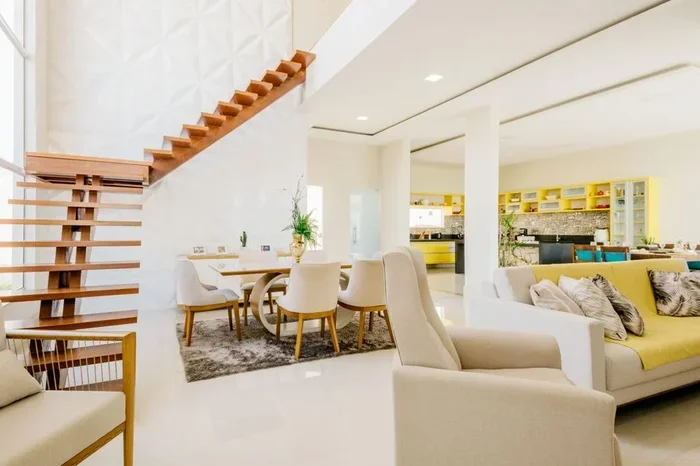
Modern White Living Room Decor Ideas That Will Inspire
A modern white living room creates a light, airy, and timeless feel that every home deserves. This guide shares decor ideas, furniture tips, and styling hacks to transform your space into a clean, contemporary retreat. You will learn how to choose the right white tones, pair them with accents, and avoid common mistakes that make white rooms feel flat or cold.
A modern white living room is one of the most popular choices in interior design today. It feels clean, fresh, and endlessly versatile. Whether you live in a small apartment or a spacious home, white decor makes any room look and feel better.
The beauty of a white living room lies in its simplicity. You do not need expensive furniture or trendy gadgets. You just need the right approach to color, texture, and layout. This guide walks you through everything you need to know to create a stunning modern white living room that reflects your personal style.
White has a special place in interior design. It acts as a blank canvas. Every other color, texture, and pattern you add pops against a white background. That is why so many homeowners and designers turn to white as the foundation for their living spaces.
Beyond aesthetics, a white living room offers practical benefits. It hides dust better than dark colors in some cases. It reflects light, which reduces the need for artificial lighting during the day. And it gives you the freedom to change your accent colors whenever you want a new look.
When people think about a modern white living room, they picture clean lines, open space, and a calm atmosphere. This style draws from several design movements, including Scandinavian, minimalist, and contemporary aesthetics. Each brings its own flavor, but they all share a love for simplicity and function.
Scandinavian design emphasizes light woods, soft whites, and cozy textiles. Minimalist design strips things down to the essentials. Contemporary design mixes modern furniture with sleek finishes. You can blend elements from all three to create a look that feels uniquely yours.
Key Takeaways
- White living rooms feel larger and brighter: Using a neutral color palette opens up any space and reflects natural light beautifully.
- Mix textures to add warmth: Combine linen, wood, and metallic accents so your modern white living room never looks sterile.
- Choose the right white shades: Warm whites, cool whites, and creamy whites each create a different mood in your living room design.
- Accent pieces pull the room together: Bold pillows, artwork, and rugs add personality without cluttering your minimalist aesthetic.
- Lighting makes all the difference: Layer natural light, floor lamps, and statement fixtures to keep your white space inviting around the clock.
- Avoid all-white monotony: Add natural elements like plants and wood tones to give your modern white living room depth and character.
📑 Table of Contents
- Choosing the Right White Shades for Your Living Room
- Furniture Selection for a Modern White Living Room
- Styling Tips to Bring Your White Living Room to Life
- Lighting Strategies for a Bright and Airy Feel
- Common Mistakes to Avoid in White Living Room Design
- Adding Personality with Accent Pieces
- How to Keep Your White Living Room Looking Fresh
- Bringing It All Together
Choosing the Right White Shades for Your Living Room
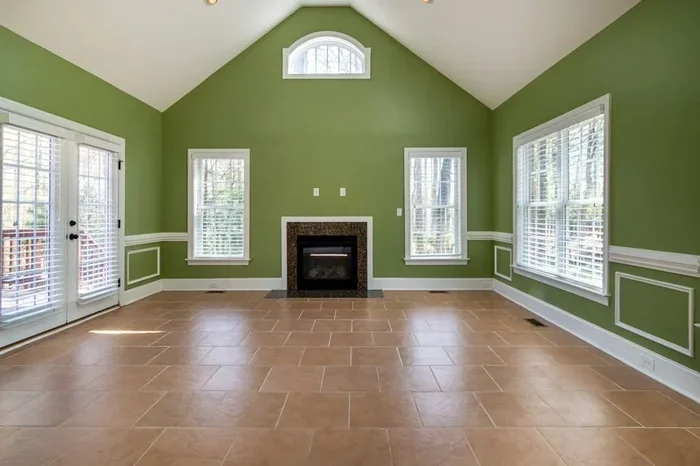
Not all whites are the same. This is one of the biggest mistakes people make when designing a white living room. The wrong shade can make your space feel cold, sterile, or yellow. The right shade transforms the room into a warm and welcoming retreat.
Warm whites have hints of yellow, cream, or beige. They create a cozy and inviting atmosphere. Think of shades like ivory, cream white, or soft eggshell. These work beautifully in rooms that get plenty of natural light. They also pair well with wood furniture and warm metal accents.
Cool whites have a hint of blue or gray. They give a crisp, fresh, and modern feel. These are perfect for contemporary and minimalist designs. Cool whites look stunning against dark furniture or bold accent colors. They also make small rooms feel more open and airy.
Creamy whites sit somewhere in between. They offer warmth without feeling too yellow. Creamy white walls work with almost any furniture style and accent color. This makes them a safe and stylish choice for first-time white room designers.
| White Shade Type | Best Paired With | Room Vibe |
|---|---|---|
| Warm White (Cream, Ivory) | Wood furniture, warm metals, earth tones | Cozy, inviting, traditional-modern |
| Cool White (Bright, Crisp) | Dark furniture, bold accents, gray tones | Fresh, crisp, contemporary |
| Creamy White | Almost everything | Soft, balanced, versatile |
Testing White Paint Before You Commit
Always test your chosen white paint on a small wall section first. Paint looks different on every wall because of the existing lighting and wall color. Watch how it looks in the morning, afternoon, and evening. This small step saves you from costly repainting later.
Furniture Selection for a Modern White Living Room
Furniture is the backbone of any living room design. In a white living room, your furniture choices set the tone for the entire space. You want pieces that complement the white palette while adding visual interest and comfort.
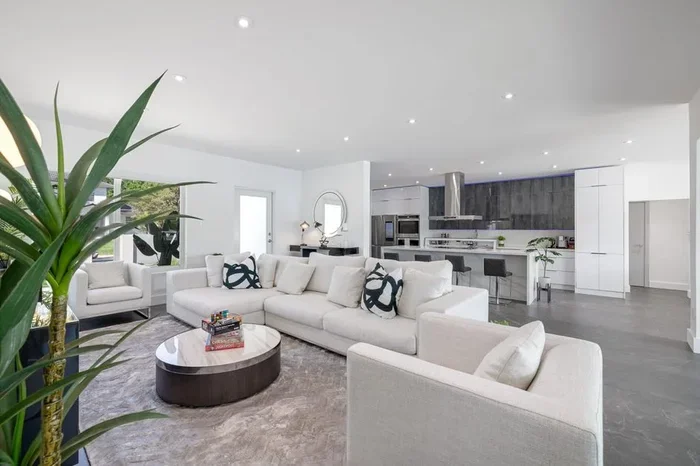
A white sofa is a classic choice for a modern white living room. It creates a seamless and expansive look. However, white fabric sofas show stains easily. Consider performance fabrics or leather alternatives if you have kids or pets. A white leather sofa adds a touch of luxury and is much easier to clean.
If a fully white sofa feels too risky, try a sofa in a neutral tone like light gray, beige, or soft taupe. Pair it with white walls and white accent pieces. This approach gives you the modern white aesthetic without the maintenance worry.
Wood Furniture for Warmth
Wood furniture adds natural warmth to a white room. Light oak, birch, or maple pieces work especially well. A wooden coffee table, sideboard, or shelving unit breaks up the all-white palette beautifully. The natural grain and texture give the room depth and character.
When choosing wood furniture, stick to lighter tones. Dark woods can overpower a white room and make it feel heavy. If you love dark wood, use it sparingly as an accent piece rather than the main furniture.
Metal and Glass Accents
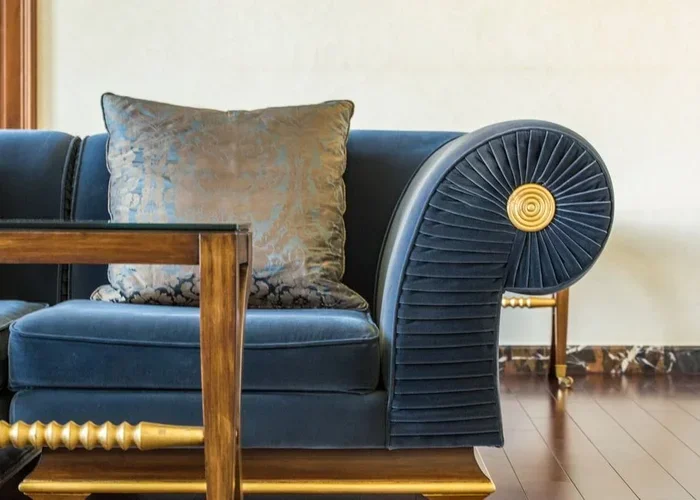
Metallic accents in gold, brass, chrome, or nickel add a touch of sophistication. A gold coffee table lamp or brass side table catches the light and creates focal points. Glass furniture, like a glass-top coffee table or glass shelving, keeps the room feeling light and open.
When it comes to selecting furniture pieces that work well in white spaces, consider reading our guide on How To Choose Furniture For A Living Room. It covers proportions, styles, and material choices in detail.
Styling Tips to Bring Your White Living Room to Life
The biggest challenge with a white living room is keeping it from feeling bland. The key is layering textures, colors, and accessories. A well-styled white room tells a story. It feels personal and curated, not empty.
Start with a neutral color palette as your base. White walls, light wood floors, and neutral furniture create a calm foundation. Then add pops of color through pillows, rugs, curtains, and artwork. Soft pastels like blush pink, sage green, or dusty blue work beautifully. So do bolder choices like navy, mustard, or terracotta for a dramatic feel.
Add Texture with Textiles
Texture is your best friend in a white room. A chunky knit throw on the sofa adds warmth and visual interest. A woven jute or wool rug anchors the seating area. Linen curtains filter light beautifully and add a relaxed, organic feel. Mix different textures to create a rich and inviting space.
Use Artwork and Wall Decor
Artwork transforms a white wall from empty to expressive. Large abstract paintings make a bold statement. A gallery wall with a mix of framed prints adds personality. Black and white photography suits the modern white aesthetic perfectly. You can also add floating shelves to display books, plants, and small decor objects.
For more ideas on styling open shelves and wall displays, check out our post on How To Style Open Shelves Living Room. It offers practical advice on arranging decor items for maximum impact.
Incorporate Indoor Plants
Plants bring life and color into a white room. They soften the space and improve air quality. Tall plants like fiddle leaf figs or monstera work as statement pieces. Small potted plants on shelves and side tables add a touch of green without overwhelming the room. Plants with white or light-colored flowers, like peace lilies, blend seamlessly with the white theme.
Lighting Strategies for a Bright and Airy Feel
Lighting plays a crucial role in any modern white living room. Good lighting makes white walls glow. It highlights your decor pieces and creates the right mood for any time of day.
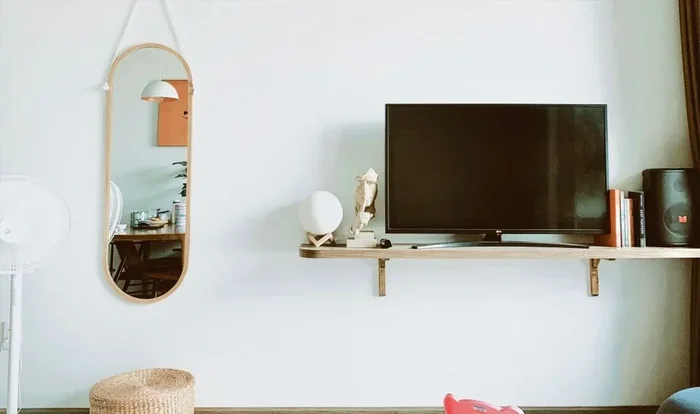
Natural light should always be your first priority. Keep windows unobstructed with sheer or light-colored curtains. Use mirrors strategically to reflect light and make the room feel even brighter. A large mirror opposite a window doubles the natural light and adds depth to the space.
Layering Different Light Sources
Avoid relying on just one overhead light. Instead, layer your lighting for a more dynamic and inviting atmosphere. Here are the three layers to consider:
- Ambient lighting: A ceiling fixture or recessed lights provide overall illumination. Choose a clean, modern design that complements your white decor.
- Task lighting: Floor lamps next to reading chairs and table lamps on side tables serve practical purposes. They also add warm pools of light that make the room feel cozy at night.
- Accent lighting: LED strips behind shelves, picture lights above artwork, and candle-style bulbs on side tables add drama and visual interest.
Warm white bulbs (around 2700K) create a welcoming glow. Cool white bulbs (around 4000K) give a more modern and clinical feel. For a living room, warm white is usually the better choice. It keeps the space comfortable and relaxing.
Common Mistakes to Avoid in White Living Room Design
Even with the best intentions, it is easy to make mistakes when designing a white living room. Knowing what to avoid saves you time, money, and frustration.
Using only one shade of white. This is the most common mistake. A room with just one white looks flat and uninteresting. Mix two or three shades of white and cream to create depth and visual contrast. A white wall paired with a cream sofa and ivory throw pillows adds subtle dimension.
Skipping accent colors entirely. A room that is all white and nothing else can feel cold and clinical. You need accent colors to bring warmth and personality. Even a single colorful rug or a set of vibrant pillows changes the entire feel of the space.
Choosing the wrong scale of furniture. Oversized furniture in a small white room makes it feel cramped. Undersized furniture in a large room makes it look empty. Measure your space carefully and choose furniture that fits proportionally. Leave enough walking space around each piece for a comfortable flow.
Ignoring the floor. The floor is a large visual surface that affects the overall look. A white room with a dark hardwood floor creates a grounding effect. A white room with a light rug ties the seating area together. Do not neglect the floor when planning your white living room design.
Forgetting about maintenance. White surfaces show dust, fingerprints, and stains more than other colors. If you choose white upholstery or light-colored rugs, be prepared to clean them regularly. Performance fabrics and washable slipcovers make maintenance much easier.
Adding Personality with Accent Pieces
Accent pieces are what turn a plain white room into a space with character. They show your personality and give the room a story. The key is to choose pieces that add value without creating clutter.
Throw pillows and blankets are the easiest way to introduce color and texture. Mix different sizes, patterns, and fabrics for a layered look. Stick to a color palette of three to four colors to keep things cohesive.
Rugs define the seating area and add warmth underfoot. A large area rug that fits under all the furniture legs creates a unified look. Natural fiber rugs like jute or sisal add an earthy texture that complements white walls beautifully.
Curtains frame the windows and control light. Sheer white curtains create a soft and dreamy atmosphere. Linen curtains in a natural tone add texture while still keeping the room light and bright.
If you are looking for inspiration on selecting the perfect finishing touches for your space, explore our guide on Accent Pieces For Living Room. It covers everything from decorative trays to statement vases.
Creating a Focal Point
Every well-designed room needs a focal point. In a white living room, the focal point could be a fireplace, a large piece of artwork, a statement sofa, or a bold rug. Whatever you choose, make it the star of the room. Arrange your furniture to draw the eye toward that focal point. This creates a sense of purpose and visual hierarchy in the space.
How to Keep Your White Living Room Looking Fresh
A white living room requires a bit more upkeep than a dark-colored room. But with the right habits, it stays looking fresh and bright for years.
Dust your white surfaces weekly with a microfiber cloth. This prevents buildup and keeps walls and furniture looking clean. Vacuum light-colored rugs frequently to remove dirt and debris. Use washable slipcovers on fabric furniture so you can refresh them easily.
Rotate your accent pillows and throws seasonally. This keeps the room feeling current and prevents the decor from looking stale. Swap out a few accent pieces when you want a subtle update without a full redesign. A new set of cushions or a different piece of artwork can completely change the mood of the room.
Keep a cleaning routine that includes wiping down surfaces and treating stains immediately. The faster you address spills on white furniture, the easier they are to remove. A little consistent care goes a long way in preserving the beauty of your modern white living room.
Bringing It All Together
Designing a modern white living room is a rewarding journey. It allows you to express your style while enjoying the timeless elegance that white provides. Start with the right white shade for your walls. Choose furniture that balances comfort and aesthetics. Layer textures, add accent colors, and bring in natural elements like plants and wood. Pay attention to lighting and avoid common pitfalls. The result is a space that feels open, warm, and uniquely yours.
Remember, your living room should reflect who you are. Do not be afraid to experiment with different combinations. A white living room is a versatile backdrop that adapts to your changing tastes over time. Start with the basics, add personal touches, and enjoy the process of creating a space you love to come home to.
For more living room inspiration and practical design advice, browse our collection of Aesthetic Living Room Ideas. You will find fresh trends, styling guides, and creative solutions for every home and budget.
Frequently Asked Questions
What colors go best with a modern white living room?
Neutral tones like beige, gray, and cream work beautifully as a base. For accents, try soft pastels like blush pink or sage green. Bold colors like navy, mustard, or terracotta add drama and personality without overwhelming the white palette.
How do I keep a white living room from looking cold and sterile?
Add warmth through wood furniture, textured textiles, and indoor plants. Use warm white light bulbs and layer your lighting. Mix different shades of white and cream to create visual depth. A cozy throw blanket and a plush rug also help soften the space.
What type of flooring works best with a white living room?
Light hardwood floors like oak or birch complement white walls perfectly. If you prefer carpet, choose a neutral tone or a textured natural fiber rug. A light gray or beige rug anchors the seating area and adds warmth underfoot.
Is a white living room practical for families with kids and pets?
Yes, with the right choices. Opt for performance fabrics or leather on sofas. Use washable slipcovers for easy cleaning. Choose rugs that are stain-resistant and vacuum regularly. Darker accent pieces can also help hide wear and tear in high-traffic areas.
How can I make a small white living room look bigger?
Use light-colored furniture and keep the layout open. Add large mirrors to reflect natural light. Choose a white or light-colored rug that blends with the floor. Avoid clutter and stick to a few well-chosen accent pieces. Sheer curtains let in maximum natural light and make the room feel more spacious.
How often should I refresh my white living room decor?
Small swaps like throw pillows and blankets can be changed every season. Rotate artwork and rearrange furniture for a fresh feel without buying new pieces. Deep clean and inspect white surfaces every few months to keep everything looking bright and new.