Wall Dividers for Living Room Ideas to Transform Any Room
Wall dividers for living room spaces are a simple yet powerful way to create separate zones without closing off your open layout. Whether you want privacy, better flow, or a decorative touch, the right divider can completely change how your room feels and functions. Keep reading to find the best styles, placement tips, and styling tricks that make any living room look and work better.
Wall dividers for living room setups have become one of the hottest home design trends this year. People love open floor plans, but they also need a way to separate spaces without losing that airy feel. A well-placed divider solves both problems at once. It gives you privacy, adds character, and can even boost your home’s value.
If you have been staring at a big, open living room wondering how to make it work harder, you are in the right place. This guide covers everything you need to know. We will look at types of dividers, how to pick the right one, styling tips, and mistakes to avoid. By the end, you will have a clear plan to transform your space.
Let us dive in and explore how a simple wall divider for living room can completely change the way you use your home.
Key Takeaways
- Wall dividers create zones: They split a large living room into functional areas without building permanent walls.
- Many styles exist: From folding screens to bookshelf dividers, there is an option for every budget and taste.
- Placement matters: Position your divider to improve traffic flow and maintain an open feel.
- Styling boosts impact: Add plants, art, and lighting to make your divider a focal point.
- Avoid common mistakes: Don’t block windows, doorways, or natural light paths.
- DIY options work great: You can build or repurpose items into stylish room dividers on a budget.
📑 Table of Contents
- Why Wall Dividers Are a Game-Changer for Living Rooms
- Types of Wall Dividers You Can Try
- How to Choose the Right Wall Divider for Your Space
- Styling Tips for Wall Dividers in the Living Room
- Common Mistakes to Avoid When Using Wall Dividers
- Expert Tips for Making Wall Dividers Work in Any Room
- How to Style Open Shelves as a Living Room Divider
- The Best Materials for Living Room Dividers
- Conclusion
Why Wall Dividers Are a Game-Changer for Living Rooms
Open concept living has been popular for years. It makes small spaces feel bigger and keeps the flow natural. But there is a downside. Without walls, noise travels easily. Your TV area blends with your dining space. Your kids’ play zone overlaps with your reading nook.
A room divider for living room fixes all of this. It creates boundaries without closing off the space. You get the best of both worlds. The room still feels open, but each area has its own purpose. Think of it as giving your living room a sense of structure.
Here are the main reasons people add dividers to their living rooms:
- Privacy: Create a quiet corner for reading or working away from the main activity area.
- Zoning: Separate the lounge area from the dining or play zone clearly.
- Style: A decorative decorative room divider acts as a statement piece on its own.
- Flexibility: Move or adjust dividers whenever your needs change.
- Noise control: Reduce sound travel between different zones in the room.
The beauty of a wall divider for living room is that it works in any size space. Whether you live in a studio apartment or a large open-plan home, there is a solution that fits.
Types of Wall Dividers You Can Try
Not all dividers are the same. Different styles serve different purposes. Some focus on function, while others lean heavily into aesthetics. Here are the most popular types you should consider.
Folding Screen Dividers
Folding screens are the classic choice. They come in panels, usually two to four, that fold and unfold as needed. You can push them aside when you want an open room and pull them out when you need separation.
These screens come in many materials. Wood, fabric, bamboo, and metal are all common options. Folding room dividers are easy to find at most home stores and online retailers. They range from budget-friendly to high-end designer pieces.
Bookshelf and Shelf Dividers
A room divider shelves setup is both functional and decorative. You get storage on both sides and a visual barrier in the middle. This works especially well in living rooms where you need extra shelving.
Place two small bookshelves back to back, or use a tall shelf as a standalone divider. Fill the shelves with books, plants, and accent pieces for living room to make it look intentional and styled.
Curtain and Fabric Dividers
If you want something soft and flexible, a curtain divider is a great pick. Hang a curtain rod from ceiling to floor and add a heavy curtain or sheer fabric. This creates a gentle separation that still lets light pass through.
Fabric dividers are perfect for renters because they are temporary and damage-free. You can swap out fabrics with the seasons for a fresh look anytime.
Half Wall and Bench Dividers
A half wall divider sits at about waist or chest height. It blocks sightlines without blocking light or air. You can pair it with a bench for living room to create a cozy seating area on one side.
These dividers feel more permanent than screens but less blocking than full walls. They work best in larger living rooms where you want to define a specific zone.
Plant and Greenery Dividers
Using plants as a divider is a growing trend. Tall potted plants or hanging planters arranged in a row create a natural barrier. This option brings life into your space and improves air quality at the same time.
A plant divider works beautifully in aesthetic living room ideas setups. It softens the look and adds a calming, organic feel to any room.
How to Choose the Right Wall Divider for Your Space
Picking the right divider depends on several factors. Here is a simple guide to help you decide.
Consider Your Room Size
In a small living room, go for something light and transparent. A sheer curtain or a slim bookshelf keeps the space feeling open. A bulky wooden screen will make a small room feel cramped.
In a large living room, you have more freedom. A tall folding screen or a full-height bookshelf divider will make a bold statement and create clear zones.
Match Your Decor Style
Your divider should blend with your existing decor. Here is a quick comparison to help:
- Modern homes: Go with metal or minimalist wooden screens in neutral tones.
- Bohemian homes: Choose woven bamboo, rattan, or colorful fabric screens.
- Traditional homes: Opt for carved wood dividers or upholstered panels.
- Scandinavian homes: Light-colored wood shelves with simple lines work best.
When your wall divider for living room matches your style, it feels like it belongs. It becomes part of the room, not an afterthought.
Think About Function First
Ask yourself what you need the divider to do. Do you need storage? Go with shelves. Do you need privacy? Choose a tall, opaque screen. Do you want something temporary? A curtain or folding panel is your best bet.
Function should always come before form. A beautiful divider that does not solve your problem will just take up space.
Styling Tips for Wall Dividers in the Living Room
A divider on its own is useful. But when you style it properly, it becomes a design feature. Here are some tips to make yours stand out.
Add Plants and Greenery
Place small potted plants on top of shelf dividers or at the base of screen dividers. Plants soften hard lines and add color. They make your divider look intentional and curated.
Layer in Lighting
String lights, small lamps, or LED strips along a divider create a warm glow. This is especially effective with bookshelf dividers where the light can shine through the shelves.
Use Art and Decor on Both Sides
Do not neglect the sides of your divider. Hang art, place framed photos, or add small objects on each side. This makes both sides feel designed and complete.
Keep Proportions in Mind
Your divider should be proportional to the room. A tiny screen in a large room gets lost. An oversized divider in a small room overwhelms the space. Measure your room first and choose a size that fits.
Also consider how you place furniture around the divider. How to place furniture in living room near a divider is just as important as the divider itself. Leave enough space for walking through and avoid blocking doorways or windows.
Common Mistakes to Avoid When Using Wall Dividers
Even with good intentions, people make mistakes when adding dividers. Here are the most common ones and how to avoid them.
- Blocking natural light: Never place a divider where it blocks a window. Natural light makes rooms feel bigger and more welcoming.
- Choosing the wrong height: A too-short divider does not block sightlines. A too-tall one can feel oppressive. Find a middle ground that works for your space.
- Ignoring traffic flow: Make sure people can still walk around the divider comfortably. Leave at least 30 inches of clearance on each side.
- Over-decorating: Too many objects on a divider make it look cluttered. Keep it simple and let the divider breathe.
- Forgetting the purpose: If you do not need a divider for storage, do not choose a bookshelf just because it looks nice. Stick to what you actually need.
Avoiding these mistakes ensures your wall divider for living room enhances the space instead of cluttering it.
Expert Tips for Making Wall Dividers Work in Any Room
Interior designers have a few tricks up their sleeves when it comes to room dividers. Here are some expert-backed tips you can use right away.
Use the divider as a backdrop. Place your TV, sofa, or bed against the divider to anchor the furniture. This creates a natural focal point and makes the divider feel like part of the furniture arrangement.
Go modular. Modular dividers let you reconfigure your layout whenever you want. They are perfect for people who like to change things up or who host gatherings often.
Add a rug underneath. Placing a rug on one side of the divider helps define the zone. It signals that the area has a different purpose from the rest of the room.
Think vertically. Tall dividers draw the eye upward and make ceilings feel higher. This is a great trick for rooms with low ceilings.
Combine materials. Mixing wood, fabric, and metal in your divider design adds visual interest. It makes the piece look more dynamic and layered.
These tips work whether you are using a folding room divider, a bookshelf setup, or a simple curtain. The key is to treat the divider as part of your overall room design.
How to Style Open Shelves as a Living Room Divider
Open shelves are one of the most popular divider choices. They are practical, stylish, and easy to customize. Here is how to make them work beautifully in your living room.
Start by choosing shelves that match your room’s height. For a standard 8-foot ceiling, shelves that are 5 to 6 feet tall work best. Place them perpendicular to a wall or in the middle of the room to create two distinct zones.
Style the shelves with a mix of items. Books, baskets, plants, candles, and small framed art all work well. Follow the rule of three: group items in clusters of three for a balanced, curated look.
Leave some empty space on the shelves too. A fully packed shelf looks cluttered. Breathing room on the shelves makes the divider feel light and intentional. Check out our guide on how to style open shelves in the living room for more detailed inspiration.
The Best Materials for Living Room Dividers
The material you choose affects both the look and the function of your divider. Here is a breakdown of the most popular options.
- Wood: Warm, classic, and durable. Works in almost any decor style.
- Bamboo: Lightweight, eco-friendly, and perfect for boho or tropical themes.
- Metal: Sleek and modern. Best for minimalist or industrial spaces.
- Fabric: Soft and flexible. Great for renters or anyone who wants a temporary solution.
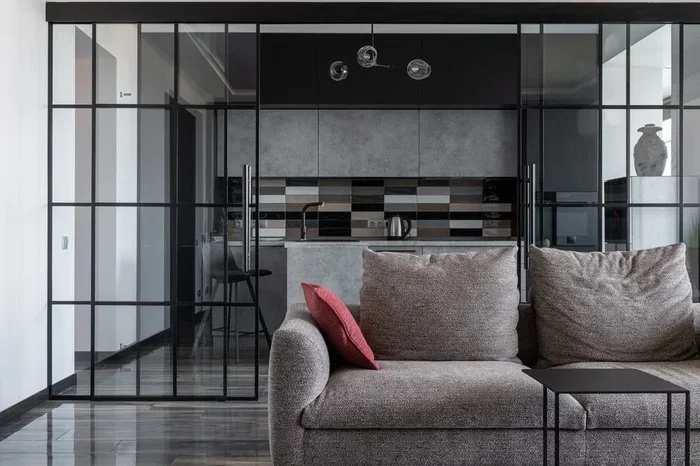
- Glass: Elegant and transparent. Maintains openness while still providing a visual barrier.
Each material has its strengths. Wood and bamboo are the most popular choices for a wall divider for living room because they are versatile and easy to work with.
Conclusion
A wall divider for living room is one of the simplest and most effective ways to improve your space. It adds function, boosts style, and gives you the flexibility to reconfigure your room whenever you need to. Whether you choose a folding screen, a bookshelf setup, a curtain, or a plant arrangement, the right divider makes a real difference.
Start by assessing your needs. Measure your space. Pick a style that matches your decor. Then style it with care. Follow the tips in this guide and your living room will feel more organized, more stylish, and more like home.
The best part? You do not need a big budget or a renovation crew. A simple divider can transform your living room in a single afternoon. So grab your measuring tape, pick a style you love, and get started today.
Frequently Asked Questions
What is the best type of wall divider for a small living room?
For small living rooms, sheer curtains or slim bookshelf dividers work best. They create separation without blocking light or making the space feel smaller. A folding screen in a light color also helps keep the room airy.
Can I use a wall divider to separate a living room from a dining area?
Absolutely. A bookshelf divider or a folding screen placed between the two areas creates a clear boundary. It keeps the flow open while defining each space. This is one of the most common uses for a wall divider for living room setups.
How tall should a living room divider be?
It depends on your goal. For partial separation, a divider that is 4 to 5 feet tall works well. For full privacy, go with something that is 6 feet or taller. Always leave enough headroom so the divider does not feel oppressive.
Are wall dividers only for decorative purposes?
No, they serve both decorative and functional purposes. They can provide privacy, reduce noise, create storage, and define zones. A good divider enhances both the look and the usability of your living room.
Can renters use wall dividers without damaging walls?
Yes, many options are renter-friendly. Curtain dividers, folding screens, and freestanding shelves do not require any drilling or permanent installation. They can be set up and taken down easily without leaving marks.
What is the cheapest way to make a room divider?
The cheapest option is a curtain on a tension rod. You can also repurpose old bookshelves, use potted plants in a row, or hang a fabric panel from a ceiling-mounted rod. These budget-friendly ideas still look great and do the job well.
===
=== INTERNAL LINKS USED ===
Internal links included: 4