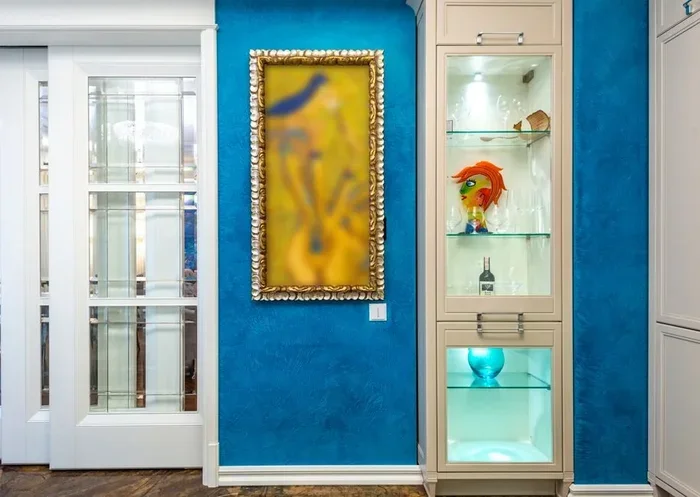
Vertical Paintings for Living Room That Transform Your Space
Vertical paintings for living room spaces are one of the simplest ways to elevate your home decor. These tall art pieces draw the eye upward, create a sense of height, and add drama to any wall. Whether you prefer abstract designs, landscapes, or minimalist prints, vertical art brings instant style and personality to your living room walls.
Have you ever walked into a living room and immediately felt like the space was bigger, brighter, or more inviting? More often than not, the secret lies in the wall art. Vertical paintings for living room walls are one of the most effective and affordable ways to completely change the feel of a room. They draw the eye upward, add visual interest, and fill empty spaces in a way that horizontal pieces simply cannot. If you have been wondering how to refresh your living room without a full renovation, vertical wall art might be exactly what you need.
Choosing the right living room wall decor can feel overwhelming. There are so many sizes, styles, and arrangements to consider. But here is the good news. Vertical art pieces work in almost every room size, budget, and design style. From a single oversized canvas to a curated gallery wall, tall paintings bring life and character to any space. In this guide, you will learn everything you need to know about selecting, styling, and hanging vertical paintings that truly transform your living room.
Key Takeaways
- Vertical paintings make small rooms look taller: Tall art pieces draw the eye upward and create an illusion of height in any living room.
- Choose the right size for your wall: A painting that fills about two-thirds of your available wall space looks balanced and intentional.
- Arrange vertical art in groups for impact: Gallery walls with multiple tall pieces add depth and visual interest to large blank walls.
- Mix orientations for dynamic displays: Combining vertical and horizontal pieces creates a layered, curated look that feels fresh and modern.
- Lighting matters for art display: Proper lighting makes your vertical paintings pop and adds warmth to the entire living room.
- Match art to your room style: Whether your space is modern, bohemian, or classic, there are vertical painting styles that fit perfectly.
📑 Table of Contents
- Why Vertical Paintings Work Wonders for Your Living Room
- Best Types of Vertical Paintings for Living Room Walls
- How to Choose the Right Vertical Painting for Your Space
- Tips for Arranging Vertical Art in Your Living Room
- Common Mistakes to Avoid When Hanging Vertical Paintings
- Inspiring Vertical Painting Ideas for Every Style
Why Vertical Paintings Work Wonders for Your Living Room
Vertical paintings do something special to a room. They change the way you perceive the space. A large tall painting for walls pulls the eye upward, making ceilings feel higher and rooms feel more open. This is especially helpful in living rooms with low ceilings or compact layouts. Even in larger spaces, vertical art adds a sense of rhythm and flow that horizontal pieces sometimes lack.
Another reason vertical wall art works so well is its versatility. You can place a single tall piece as a focal point above a sofa or console table. Or you can group several vertical canvas prints together for a more dramatic effect. The possibilities are nearly endless. Here are some key benefits of using vertical paintings in your living room:
- They create the illusion of height: A tall piece of art makes walls appear longer and ceilings higher.
- They fill awkward vertical spaces: Areas between furniture and the ceiling often look empty. Vertical art fills that gap perfectly.
- They draw attention to focal points: A bold vertical piece above a fireplace or entertainment center anchors the room.
- They add depth and dimension: Multiple vertical pieces layered together create a sense of depth on a flat wall.
- They suit any decor style: From modern minimalism to bohemian warmth, vertical art adapts to your personal taste.
When you think about living room wall decor ideas, vertical paintings should always be at the top of the list. They are not just decorative. They are functional tools that shape how a room feels and flows.
Best Types of Vertical Paintings for Living Room Walls
Not all vertical art is the same. Different styles and mediums create different moods and vibes. Understanding the options helps you pick the perfect pieces for your space. Let us explore the most popular types of vertical art pieces that work beautifully in living rooms.
Abstract Vertical Paintings
Abstract vertical paintings are a top choice for modern and contemporary living rooms. They feature bold colors, interesting textures, and imaginative compositions. Because abstract art does not depict a specific scene, it blends easily with any color scheme or furniture style. A large abstract vertical canvas above a sofa instantly becomes the centerpiece of the room.
Abstract vertical wall art also works well in smaller spaces. A single tall piece with splashes of color can make a small wall feel alive without overwhelming the room. If you want a living room aesthetic that feels fresh and current, abstract vertical paintings are a safe bet.
Landscape and Nature Art
Nothing brings a sense of calm to a living room like nature-inspired vertical paintings. Mountain ranges, forest scenes, ocean waves, and desert sunsets all look stunning in a vertical format. The tall shape naturally mimics the way we view landscapes in real life. It feels organic and grounding.
Landscape vertical art works especially well in rooms that already have natural elements like wood furniture or plants. It creates a cohesive look that ties the room together. If your style leans toward aesthetic living room ideas, a vertical nature painting adds warmth and serenity.
Black and White Photography
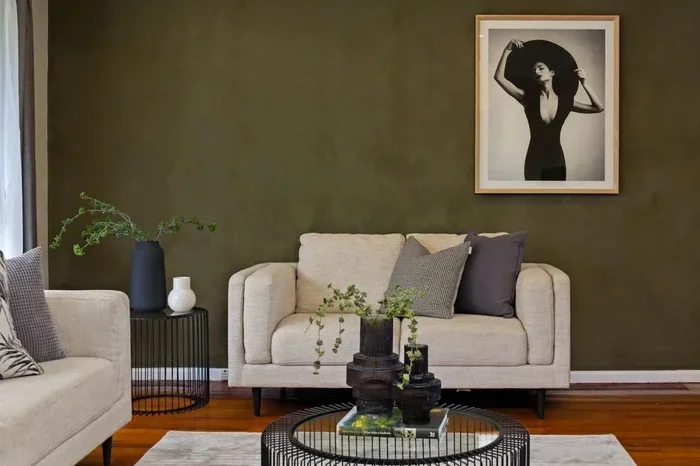
For a sleek, sophisticated look, consider black and white vertical photography. These pieces feel timeless and elegant. They work in almost any decor style, from industrial to minimalist to classic. A series of black and white vertical photos arranged in a grid creates a stunning gallery wall effect.
Black and white art also has a practical advantage. It is easy to match with any color palette in your room. You do not have to worry about clashing with your sofa, curtains, or accent pillows. This makes vertical framed art in monochrome a very popular choice among homeowners.
Floral and Botanical Prints
Floral vertical canvas prints bring a soft, romantic touch to living rooms. They work beautifully in bedrooms that open to living spaces, which is why this category fits the bedroom style well. Tall flower arrangements, botanical illustrations, and leaf patterns add texture and charm without feeling too busy.
Botanical vertical art pairs well with natural materials like rattan, jute, and wood. If your room features accent pieces for living room in earthy tones, floral vertical paintings will complement the vibe perfectly.
How to Choose the Right Vertical Painting for Your Space
Picking the perfect vertical painting for living room wall involves more than just choosing a style you like. Size, placement, and proportion all matter. A piece that is too small gets lost on a large wall. A piece that is too large can dominate the room and feel overwhelming. Here is how to get it right.
Measure Your Wall Space First
Before you buy any art, grab a tape measure. Look at the wall where you plan to hang the painting. Measure the width and height of that space. A good rule of thumb is to choose a piece that fills about two-thirds of the available wall width. For height, aim for the art to sit between your furniture and the ceiling, leaving a few inches of breathing room on each side.
If you are placing a vertical painting above a sofa, the piece should be about two-thirds the width of the sofa. This creates a balanced, intentional look. Too small and it looks lost. Too large and it overwhelms the furniture below.
Consider the Room’s Color Palette
Your vertical art should complement the colors already in your room. If your walls are neutral, you have freedom to choose bold, colorful pieces. If your room already has a lot of color, a monochrome vertical painting might be the safer choice. Think about the dominant colors in your furniture, rugs, and curtains, and choose art that either matches or contrasts in a pleasing way.
Think About the Room’s Purpose and Mood
Every living room has a mood. Some are energetic and vibrant. Others are calm and relaxing. Your art choice should support that mood. Bold abstract vertical pieces create energy and excitement. Soft landscape paintings create calm and tranquility. Black and white photography adds a refined, polished feel. Consider what you want people to feel when they walk into your living room, and let that guide your choice.
Tips for Arranging Vertical Art in Your Living Room
Hanging vertical art is part science and part personal style. The right arrangement can turn a blank wall into a conversation starter. Here are some practical tips to help you style your vertical paintings for living room walls like a pro.
Create a Gallery Wall
Gallery walls are one of the most popular trends in home decor right now, and for good reason. A gallery wall with multiple vertical canvas prints adds personality and depth to any room. Start by laying out your pieces on the floor first. Arrange them in a pattern you like, then transfer the layout to the wall using painter’s tape.
When creating a gallery wall with vertical pieces, mix in some horizontal and square frames for variety. This creates a dynamic, layered look. You can also add small accent pieces for living room like decorative mirrors or small shelves between the frames. The key is to keep the spacing consistent so the arrangement looks intentional rather than random.
Use Symmetry for a Clean Look
If you prefer a more organized and balanced feel, try symmetrical arrangements. Hang two identical vertical paintings side by side, or place a tall piece in the center with matching pieces on either side. Symmetry works especially well above fireplaces, consoles, and sideboards. It creates a sense of order and calm that many people find appealing.
Layer Art with Furniture
Think of your wall art as part of a larger composition that includes your furniture. A vertical painting above a console table looks more polished when you add a small lamp or a few books on the surface below. Similarly, a tall canvas above a low sofa benefits from a rug and a coffee table that anchor the whole arrangement together.
Proper placement makes a huge difference. The center of your painting should sit at about eye level, which is typically around 57 to 60 inches from the floor. This is a standard used by galleries and museums, and it works beautifully in living rooms too.
Add Lighting to Make Your Art Pop
Do not underestimate the power of lighting when displaying vertical wall art. A picture light mounted above the painting draws attention to the artwork and adds warmth to the wall. Alternatively, a floor lamp or wall sconce positioned nearby can create beautiful shadows and highlights on the canvas. Lighting transforms a flat painting into a dynamic focal point.
Common Mistakes to Avoid When Hanging Vertical Paintings
Even with the best intentions, it is easy to make mistakes when hanging wall art. Here are the most common pitfalls and how to avoid them.
- Hanging art too high: Many people mount paintings too far up on the wall. The center of the piece should be at eye level. When hung too high, the art floats and feels disconnected from the furniture below.
- Choosing the wrong size: A tiny painting on a huge wall looks sad and lonely. A massive painting on a small wall feels cramped. Always measure your space and choose accordingly.
- Ignoring the furniture below: Art should relate to the furniture underneath it. A vertical painting that is much narrower than the sofa or console below it looks unbalanced.
- Using the wrong hanging hardware: Heavy canvases need sturdy hooks and anchors. Do not rely on small nails or adhesive strips for large pieces. Check the weight of your frame and use appropriate hardware.
- Forgetting about the room’s flow: Consider how people move through the room. Art should be visible and accessible, not blocked by furniture or doorways.
Avoiding these mistakes ensures your vertical paintings for living room walls look professional and polished. Take your time with the process, and do not be afraid to adjust until the placement feels just right.
Inspiring Vertical Painting Ideas for Every Style
Need some inspiration? Here are a few ideas to spark your creativity and help you find the perfect vertical art pieces for your space.
Modern Minimalist
For a clean, modern look, choose a single large vertical painting in a neutral tone. Think soft grays, whites, or muted earth tones. A simple abstract composition in a thin black frame looks sleek and sophisticated. Pair it with minimalist furniture and let the art speak for itself.
Bohemian and Eclectic
Bohemian spaces thrive on personality and color. Hang a collection of small to medium vertical canvas prints in mismatched frames. Mix in tropical floral art, abstract splashes of color, and perhaps a woven wall hanging. The result is a lively, curated wall that feels warm and inviting.
Classic and Elegant
For a timeless look, choose a vertical oil painting or a framed photograph with a gold or brass frame. Traditional landscapes, still lifes, or portrait-style pieces work beautifully in this style. Place the painting above a classic console table with a vase of fresh flowers underneath.
No matter which style you choose, remember that your living room wall decor should reflect who you are. The best vertical paintings are the ones that make you smile every time you walk into the room.
When you are ready to take your living room to the next level, start by exploring your options for vertical paintings for living room walls. Whether you go with a single bold piece or a curated gallery wall, the impact is immediate and lasting. Good art transforms a room from ordinary to extraordinary, and vertical pieces have a unique power to draw the eye and lift the spirit. Take your time, trust your instincts, and enjoy the process of making your living room truly yours.
Frequently Asked Questions
What size vertical painting is best for a small living room?
For a small living room, choose a vertical painting that is proportionate to your wall space. A piece that is about 24 to 36 inches wide and 48 to 60 inches tall works well. A single medium-sized vertical canvas avoids clutter while still making a visual impact. You can also group two or three smaller vertical pieces for a gallery feel without overwhelming the room.
How do you hang a large vertical painting above a sofa?
Start by measuring the width of your sofa. Your painting should be about two-thirds the width of the sofa for a balanced look. Hang the center of the painting at about 57 to 60 inches from the floor, which is eye level. Leave about 6 to 10 inches of space between the top of the sofa and the bottom of the painting. This creates a clean, intentional arrangement.
Can I mix vertical and horizontal paintings in the same room?
Absolutely. Mixing vertical and horizontal pieces creates a dynamic, layered look that feels curated and intentional. The key is to maintain consistency in frame style, color palette, or subject matter. This ties the different orientations together and prevents the wall from looking chaotic. Try starting with a central vertical piece and flanking it with horizontal ones for balance.
What type of vertical art works best for a modern living room?
Modern living rooms pair well with abstract vertical paintings, minimalist line art, or black and white photography. Choose pieces with clean lines, bold colors, or geometric patterns. A single oversized vertical canvas in a simple frame fits the modern aesthetic perfectly. Avoid ornate frames and overly detailed subjects, which can feel too traditional for a modern space.
How do I choose the right frame for my vertical painting?
The frame should complement both the artwork and your room’s style. For modern spaces, thin black or white frames work great. For a warmer, more traditional look, consider natural wood or gold-toned frames. If your room has a lot of natural materials, a slim rattan or bamboo frame adds texture. Always make sure the frame is proportional to the painting and does not overpower it.
Where is the best place to hang vertical paintings in a living room?
The best spots include above a sofa, above a fireplace, in a narrow entryway, or on a large blank wall that needs a focal point. Vertical paintings also work beautifully in hallways that open into the living room. Wherever you hang them, make sure the art is at eye level and visible from the main seating area of the room.