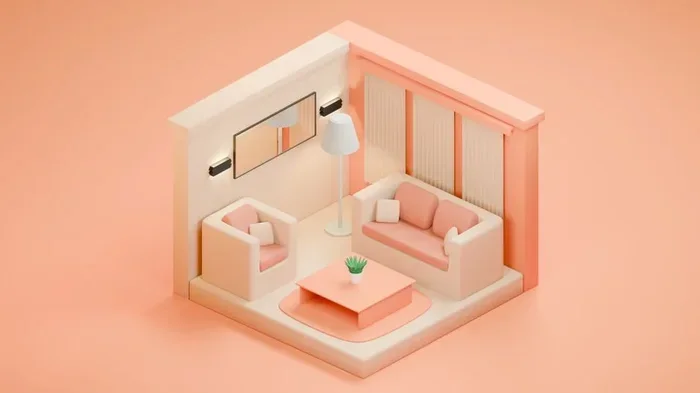
Small Living Room Color Ideas That Make Your Space Pop
Small living room color ideas can completely change how your space feels and functions. The right color palette for small spaces creates the illusion of more room while adding personality. Whether you prefer light neutral tones or bold wall colors, this guide covers everything you need to pick the perfect living room paint colors for your home.
Small living room color ideas are one of the easiest and most affordable ways to completely transform your space. When you have a compact room, every design choice matters more. The colors you choose affect how big or small the room feels, how warm or cool the atmosphere is, and even how relaxed you feel when you walk in.
Many people think small rooms need to be boring. They stick with plain white and hope for the best. But that is not the only option. With the right small room colors, you can make a tiny living room feel stylish, welcoming, and full of character. This guide walks you through the best approaches, from soft neutrals to daring accent walls.
We will cover color psychology for small spaces, the best paint shades to try, how to pair walls with furniture, and common mistakes to avoid. By the end, you will feel confident picking a color scheme for small living room that truly reflects your style.
Key Takeaways
- Light colors make small rooms look bigger: Soft whites, pale blues, and warm beiges reflect light and open up your space.
- Bold accent walls add depth: A single dark or vibrant wall creates dimension without overwhelming a small living room.
- Color psychology matters: Cool tones feel calming, warm tones feel cozy, and neutrals keep things timeless.
- Pair wall color with furniture wisely: Contrast and coordination between your walls and sofa or shelving make the room feel balanced.
- Accent colors bring life: Pillows, rugs, and decor in complementary shades add visual interest without cluttering the room.
- Test paint samples first: Colors look different in every room depending on lighting, so always try before you commit.
- Combine light and dark tones: A layered approach with both light and dark elements creates a stylish, dynamic small space.
📑 Table of Contents
Why Color Matters So Much in Small Living Rooms
Color is not just about looks. It actually changes how we perceive space. A well-chosen wall color for small living room can make walls seem to recede, giving the illusion of more square footage. On the other hand, the wrong shade can make a room feel cramped and closed in.
Light colors reflect more light. This means they bounce brightness around the room. Dark colors absorb light. They can make corners feel heavy and walls feel closer. But that does not mean dark colors are off limits. Used strategically, bold wall colors for small rooms can add drama and coziness.
Think of your living room as a canvas. Every color you choose contributes to the overall mood. A pale blue ceiling paired with warm beige walls and a charcoal accent wall creates a completely different feeling than all-white walls with bright yellow decor. The key is finding a balance that works for your space and your personality.
How Lighting Affects Your Color Choices
Before you pick any shade, look at the natural light in your room. Rooms with big windows and southern exposure handle darker colors well. North-facing rooms with less sunlight tend to benefit from warmer, lighter tones. If your room has limited natural light, stick with light and bright living room colors like soft whites, creams, or pale pastels.
Artificial lighting also changes how colors appear. Warm bulbs make cool tones look slightly different. Cool LED lights can make warm tones feel flat. Always view your paint swatches under the lighting conditions your room actually has. This one simple step saves a lot of regret later.
Best Light Colors for Small Living Rooms
If you want your small living room color ideas to make the space feel open and airy, light colors are your best friend. These shades maximize the effect of natural light and create a sense of calm and openness.
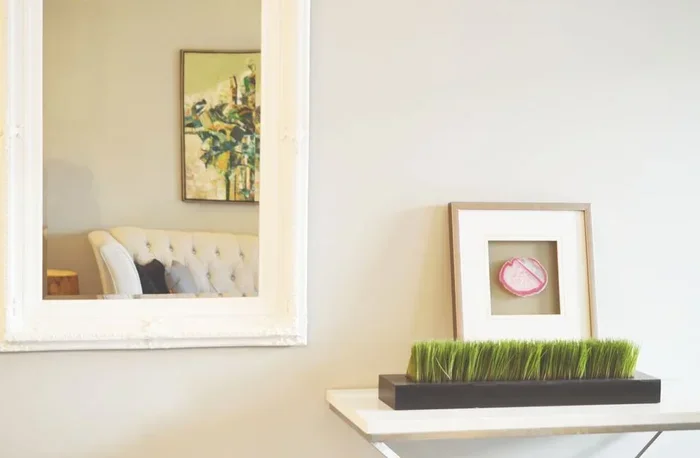
Soft white is a classic choice. It works with almost any decor style and keeps the room feeling clean and fresh. Warm cream is another great option. It adds a touch of warmth without making the space feel heavy. Both of these neutral tones for small spaces give you a flexible backdrop for any furniture or accessories you choose.
Pale pastels are also excellent for small rooms. Think soft mint green, light dusty blue, or a gentle blush pink. These pastel color ideas for living rooms add just enough personality while keeping things airy. They pair beautifully with natural wood furniture and light-colored textiles.
If you love the look of aesthetic living room ideas but have a small space, soft sage green or warm taupe can give you that stylish feel without overwhelming the room. These shades work wonderfully with the kind of furniture for small living spaces you find at many popular retailers, keeping the whole room feeling cohesive and intentional.
Pairing Light Walls with Furniture and Decor
Once you pick a light wall color, think about what goes on top of it. A light gray sofa against a white wall creates a soft, seamless look. A dark wood coffee table adds contrast and grounding. Accent pieces for living room like throw pillows, curtains, and wall art can introduce your secondary colors.
The trick is to keep your furniture and decor in a similar tone family. If your walls are cool-toned, choose furniture and accessories with cool undertones too. This creates a harmonious flow that makes the room feel put together, not scattered.
Bold and Dark Colors That Work in Small Spaces
Do not be afraid of dark living room colors. A deep navy, rich charcoal, or moody forest green can make a small room feel intimate and sophisticated. The trick is to use them in the right places.
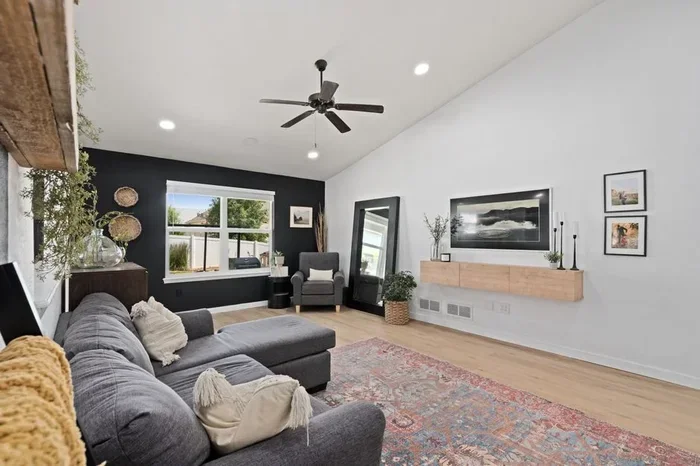
An accent wall is the most popular way to introduce a dark shade. Choose one wall, usually the one behind your sofa or the first wall you see when you enter the room, and paint it in a bold hue. This creates a focal point that draws the eye and adds depth. The other walls stay light, keeping the room balanced.
Another approach is to use dark colors on just one furniture piece. A charcoal velvet sofa or a dark walnut side table against lighter walls adds contrast without closing in the space. This works especially well when combined with plenty of natural light and mirrors to bounce light around the room.
For those who love industrial living room furniture, dark tones like matte black, iron gray, and deep brown pair naturally with exposed brick and metal accents. These industrial wall shelves for living room setups look stunning against a bold accent wall, creating a stylish urban retreat even in a compact apartment.
Creating a Cozy Vibe with Dark Tones
Dark colors absorb light, which can make a room feel cozy and enclosed. This is actually a benefit in a living room where you want to feel snug and relaxed. A moody color palette for small living room works well in rooms where you do not need maximum brightness. Think evening relaxation, movie nights, and quiet reading corners.
To keep dark rooms from feeling too heavy, add plenty of texture. A chunky knit throw, a woven rug, and metallic accessories all add visual interest without adding clutter. These elements catch light and keep the room from feeling flat.
Color Combinations That Work Beautifully
Choosing one color is just the start. The real magic happens when you combine colors thoughtfully. A well-planned color palette for small living rooms ties everything together and makes the space feel designed, not accidental.
Here are some tried-and-true combinations:
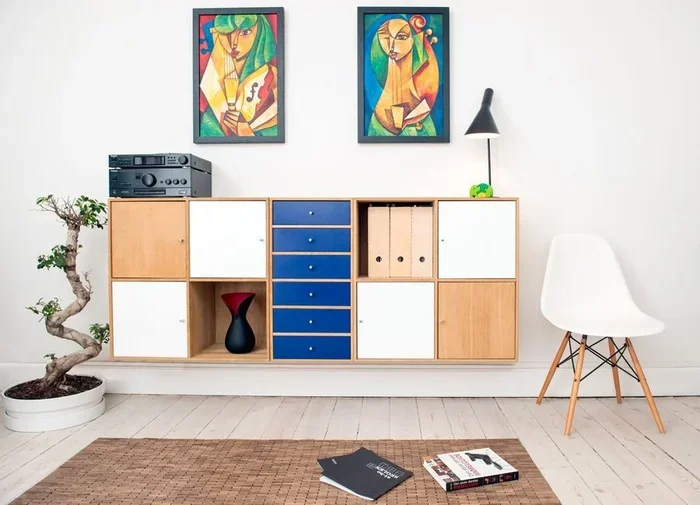
- White and warm wood: Crisp white walls with natural wood furniture create a fresh, Scandinavian-inspired look. This is one of the most popular neutral color schemes for small rooms.
- Soft gray and blush pink: A gentle gray wall paired with blush pink accents feels feminine and calming. Add white trim to keep it bright.
- Navy and gold: A navy accent wall with gold-framed mirrors and brass lamps feels elegant and warm. Perfect for adding a touch of luxury to a compact space.
- Sage green and cream: This earthy combination feels organic and restful. It works beautifully with rattan furniture and indoor plants.
- Charcoal and white: A bold, modern combo. Use charcoal on an accent wall and keep everything else white for a clean, graphic look.
When you are choosing a combination, follow the 60-30-10 rule. About 60 percent of the room should be your dominant color (usually the walls). 30 percent should be your secondary color (furniture and large textiles). The remaining 10 percent is your accent color (pillows, art, and small decor). This simple formula keeps your living room color scheme balanced and visually appealing.
Using Color to Define Zones in Open Spaces
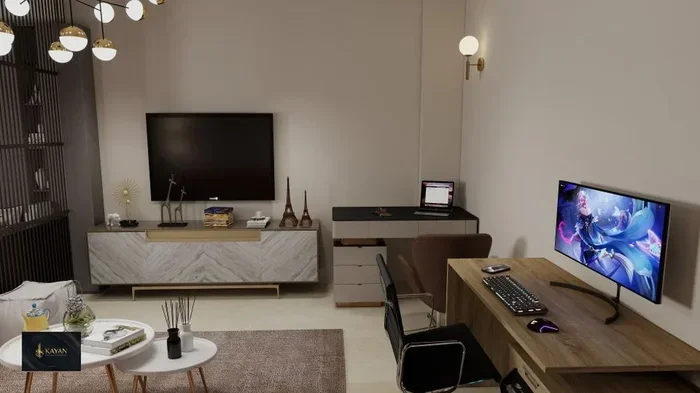
If your small living room is part of an open floor plan, color can help define different areas. Paint the living area in one shade and the dining or workspace in another. This subtle difference signals to your brain that these are separate zones, even without walls or furniture dividers.
For example, a light blue paint on one side and a warm beige on the other creates a natural boundary. You can use this trick when you have a compact living room apartment layout where every inch counts. The color difference helps each zone feel intentional and distinct.
Common Mistakes to Avoid When Choosing Colors
Even with the best intentions, people make mistakes when choosing colors for small rooms. Here are the most common ones to watch out for:
- Picking a color without testing it. A small paint swatch looks very different on a full wall. Always buy a sample size and paint a large section. Watch how it looks in the morning, afternoon, and evening light.
- Using too many colors. Stick to three colors maximum: a dominant, a secondary, and an accent. Too many shades create visual chaos, which makes a small room feel even smaller.
- Ignoring the ceiling. A white ceiling is standard for a reason. If you paint it a dark color, it will make the room feel lower and more confined. Keep the ceiling light or match it to your wall color for a seamless, taller look.
- Forgetting about the floor. Your floor color affects the overall feel. A dark floor with dark walls can feel like a cave. A light floor with light walls opens things up. Make sure your floor, walls, and furniture work together.
- Copying a room you saw online. That beautiful photo might have different lighting, different window size, and completely different proportions. What works in a bright loft may not work in your cozy apartment.
Quick Tips for Testing Colors
Here are a few fast tips to make your color testing easier. Paint a large swatch on the wall, not a small patch. Step back and look at it from different spots in the room. Check it at different times of day. Bring a photo of your main furniture pieces and hold them next to the wall to see if the colors work together.
If you are still unsure, start with a lighter shade and build from there. You can always add a darker accent wall or deeper accessories later. It is much harder to lighten a wall that is too dark. So when in doubt, go lighter.
Final Thoughts on Small Living Room Color Ideas
The best small living room color ideas are the ones that make you feel happy and comfortable in your own space. There is no single perfect color for every small room. Your perfect shade depends on your personal taste, your lighting, your furniture, and the mood you want to create.
Start with the basics. Pick a wall color for small living room that makes you smile. Add a secondary color through your furniture and textiles. Finish with accent pieces that bring in personality and flair. Take your time, test your colors, and trust your instincts.
Remember that color is one of the most powerful and affordable tools you have for transforming a small space. A fresh coat of paint costs a fraction of what new furniture costs, and it can completely change the feel of your room. Whether you go with soft, light tones or embrace bold, dark shades, the right color choices will make your small living room feel like exactly the space you have always wanted.
So grab some paint swatches, bring them home, and start experimenting. Your perfect small living room color palette is waiting for you. The only thing standing between you and a beautiful room is the first brushstroke.
Frequently Asked Questions
What are the best colors for a small living room?
Light neutrals like soft white, warm cream, and pale beige are the safest choices because they reflect light and make the room feel open. Soft pastels like light blue, mint green, and blush pink also work well. If you want something bolder, try a single accent wall in navy, charcoal, or forest green while keeping the other walls light.
Can I use dark colors in a small living room?
Yes, dark colors can work beautifully in small rooms when used strategically. The best approach is to paint just one accent wall in a dark shade while keeping the remaining walls light. This adds depth and coziness without making the room feel closed in. Pair dark walls with mirrors and plenty of lighting to keep things bright.
How do I choose a color palette for a small living room?
Start by picking a dominant color for the walls, a secondary color for furniture and large textiles, and an accent color for decor items. Follow the 60-30-10 rule to keep things balanced. Test your colors in your actual room lighting before committing. Choose shades that complement your existing furniture and the amount of natural light you have.
Should I paint my ceiling white in a small living room?
Yes, in most cases. A white or very light ceiling makes the room feel taller and more open. Painting the ceiling a dark color can make a small room feel lower and more cramped. If you want a slightly different look, choose a shade only one or two tones lighter than your wall color for a subtle, cohesive effect.
How many colors should I use in a small living room?
Three colors is the sweet spot for most small living rooms. One dominant color (usually the walls), one secondary color (furniture and large textiles), and one accent color (pillows, art, and small decor). Sticking to three prevents the room from feeling cluttered and keeps the look polished and intentional.
What colors make a small living room look bigger?
Light and cool-toned colors create the illusion of more space. Soft whites, pale blues, light grays, and warm creams all help walls seem to recede. Pair these with light-colored furniture and plenty of mirrors to bounce light around the room. Avoid heavy dark tones on all walls, as they can make a small room feel smaller and more enclosed.