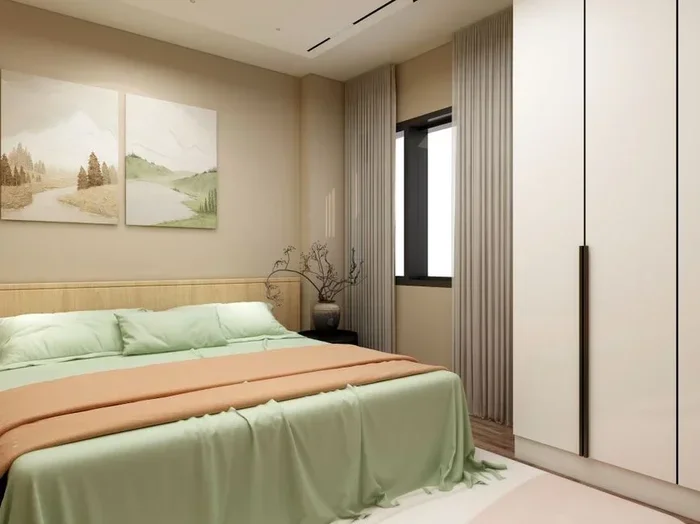
Sage Green and Beige Living Room Makeover and Decor Ideas
A sage green and beige living room creates a calm, elegant space that feels both modern and timeless. This guide covers everything you need for a stunning living room makeover, from choosing the right shades to styling accent pieces. You will learn practical tips on furniture, wall colors, textiles, and decor that bring this earthy palette to life.
There is something truly special about a sage green and beige living room. It feels calm, warm, and inviting all at once. This color combination draws from nature and brings a sense of peace into your everyday space. Whether you are starting from scratch or simply refreshing a room, these tones offer endless possibilities.
A living room makeover does not have to be overwhelming. You can ease into it with simple swaps and thoughtful choices. The beauty of sage green and beige is that they pair with almost any style. From minimalist to farmhouse, this palette adapts beautifully. In this guide, we walk you through everything you need to create a stunning room.
You will learn how to pick the perfect shades, choose furniture, add accents, and avoid common mistakes. By the end, you will feel confident enough to start your own project. Let us dive in and explore the world of earth tone living room design.
Key Takeaways
- Sage green and beige create a soothing, nature-inspired palette that works in any living room style.
- Choosing the right shade combination is key to achieving a balanced and cohesive look.
- Furniture choices like beige sofas and sage green accent chairs anchor the room beautifully.
- Adding textiles, plants, and artwork brings warmth and personality to the space.
- Proper lighting and layered decor elevate the entire room from ordinary to extraordinary.
- Both small and large living rooms can benefit from this versatile color pairing.
- Mixing natural materials like wood and linen enhances the earthy, organic feel.
📑 Table of Contents
- Why Sage Green and Beige Work So Well Together
- Choosing the Right Shades of Green and Beige
- Furniture Ideas for a Sage Green and Beige Room
- Decor and Accent Ideas That Bring the Room to Life
- How to Arrange Your Living Room Furniture
- Lighting Tips for a Warm and Inviting Space
- Common Mistakes to Avoid
- Expert Tips for a Polished Finish
- Conclusion
Why Sage Green and Beige Work So Well Together
These two colors share a common root in nature. Sage green reminds us of soft herbs and dried leaves. Beige evokes warm sand and natural stone. Together, they create a grounded, balanced atmosphere. Unlike bold colors that demand attention, this pairing quietly impresses.
The neutral color palette has been trending for years, and it is easy to see why. Neutral tones make small spaces feel larger. They also give you flexibility to change accessories without redoing the whole room. A beige sofa paired with sage green throw pillows instantly adds character and depth.
One of the biggest advantages of this combo is its timelessness. Trends come and go, but sage green and beige never truly fade. They work in every season and feel equally comfortable in bright sunlight and dim evening light. This makes them a smart long-term investment for your home.
The Science Behind the Calm
Color psychology plays a real role in how we feel in a space. Green tones are known to reduce stress and promote relaxation. Beige tones create a sense of warmth and stability. When combined, they form a living room that feels like a natural retreat. Studies show that nature-inspired colors can improve mood and focus.
This is why so many homeowners choose these tones for their main living areas. After a long day, there is nothing better than sinking into a cozy chair in a room that feels peaceful. The sage green and beige combination delivers exactly that kind of comfort.
Choosing the Right Shades of Green and Beige
Not all sage greens and beiges are created equal. Some lean more gray, while others have yellow or pink undertones. Choosing the right shades makes a huge difference in your final result. Here is how to narrow down your options.
Finding the Perfect Sage Green
Sage green ranges from pale, almost gray greens to deeper, richer tones. For a soft and airy feel, choose a lighter shade. If you want more drama, go with a deeper, muted green. Always test your paint on a large wall section before committing. Colors look different depending on the lighting in your room.
Some popular sage green shades include:
- Sage Mist a very light, almost white green
- Sage Green the classic muted green with gray undertones
- Deep Sage a richer, more saturated tone
- Sage Olive slightly darker with yellow-green hints
Selecting the Best Beige
Beige also comes in many variations. Warm beiges have pink or yellow undertones. Cool beiges lean more gray or taupe. The best choice depends on the other elements in your room. If your floors are warm wood, a cooler beige might balance things out. If your floors are cool-toned, a warm beige adds harmony.
Here are some common beige types to consider:
- Warm Beige creamy and inviting
- Cool Beige gray-toned and modern
- Taupe Beige a mix of gray and brown
- Greige a blend of gray and beige that is hugely popular
Furniture Ideas for a Sage Green and Beige Room
Furniture is the backbone of any living room. Choosing the right pieces sets the tone for the entire space. With a sage green and beige palette, you have many beautiful options to explore.
Sofas and Seating
A beige sofa is a classic choice that anchors the room. It provides a neutral base that lets your green accents shine. If you prefer something bolder, a sage green sofa can be the focal point instead. Both options work beautifully depending on your style.
For smaller living rooms, consider a loveseat in beige with a sage green accent chair. This creates a balanced seating arrangement without overcrowding the space. If you have a larger room, a sectional in neutral tones with green cushions offers plenty of seating and a cohesive look.
When selecting furniture, pay attention to the material. Linen and cotton in neutral tones complement this palette perfectly. Wooden furniture with a light oak or natural finish adds warmth without competing with your color scheme.
Coffee Tables and Side Tables
Your tables should support the overall look without stealing the spotlight. A natural wood coffee table pairs wonderfully with sage and beige tones. Wicker or rattan side tables add texture and a relaxed vibe. For a more modern feel, choose a white or light gray table with clean lines.
To style your side table effectively, check out our guide on how to style a side table in a living room. It offers simple tricks that elevate any space.
Storage and Shelving
Storage does not have to be boring. Open wooden shelves painted in sage green add both function and style. A beige accent chest can serve as extra seating and storage at the same time. For small spaces, consider furniture with built-in storage to keep the room clutter-free.
If you are looking for budget-friendly options, Ikea living room furniture offers many pieces that work well with this color palette. Neutral wood tones and simple designs let your color scheme take center stage.
Decor and Accent Ideas That Bring the Room to Life
Once your furniture is in place, it is time to add the details that make the room feel like home. Decor is where your personality truly shines through.
Throw Pillows and Blankets
Textiles are one of the easiest ways to introduce sage green and beige into a room. Mix different textures like velvet, linen, and knits for visual interest. Add a few sage green throw pillows on a beige sofa to create a layered look. Drape a beige or cream throw blanket over the arm for extra coziness.
Here are some accent piece ideas that complement this palette:
- Cream and sage striped cushions
- Beige woven baskets for storage
- Green ceramic vases with dried flowers
- A beige area rug with subtle green patterns
- Natural jute or linen curtains
When choosing accent pieces for your living room, remember that less is often more. Pick a few standout items rather than filling every surface. This keeps the room feeling calm and intentional.
Wall Art and Decor
Artwork ties a room together. For a sage green and beige living room, look for pieces that feature nature themes. Botanical prints, landscape paintings, and abstract art with green and neutral tones all work beautifully.
Consider creating a gallery wall with a mix of frames in wood and white. This adds dimension without clutter. Alternatively, a single large piece above the sofa makes a bold statement. The key is to let the art complement your color scheme, not compete with it.
For more inspiration on arranging and styling your living room, explore our article on aesthetic living room ideas. It is packed with creative suggestions you can adapt to your space.
Plants and Natural Elements
Plants are a natural match for a sage green and beige room. They add life, color, and texture all at once. Potted plants in ceramic pots that match your color scheme blend seamlessly. Hanging plants, potted trees, and small succulents all bring a fresh feel.
Beyond plants, consider adding natural elements like:
- Wooden trays and bowls
- Stone or marble coasters
- Dried pampas grass in a tall vase
- Woven wall hangings or macrame
- Bamboo or rattan accessories
These touches reinforce the nature-inspired living room theme and make the space feel grounded and authentic.
How to Arrange Your Living Room Furniture
Proper furniture arrangement can transform even a small room. The goal is to create a layout that feels open, functional, and inviting. With a sage green and beige palette, you want the arrangement to highlight the colors and textures you have chosen.
Start by defining the main seating area. Place your sofa and chairs to face each other, creating a conversation area. A coffee table in the center ties everything together. Make sure there is enough space to walk around comfortably. A good rule of thumb is to leave at least 30 inches between furniture pieces.
If your room has a fireplace or a television, arrange seating to face those focal points. Our guide on arranging living room furniture with a fireplace and TV offers detailed tips for handling these common setups.
For small living rooms, consider using a loveseat instead of a full sofa. This frees up floor space while still providing comfortable seating. You can also use multifunctional furniture, like an ottoman with storage, to maximize every inch.
Lighting Tips for a Warm and Inviting Space
Lighting plays a huge role in how your neutral living room palette feels. The right lighting can make sage green and beige tones come alive. The wrong lighting can wash them out or make the room feel flat.
Start with natural light. Keep windows unobstructed and use light curtains in neutral tones. This allows the sun to highlight your colors throughout the day. Sheer white or beige curtains work perfectly with this scheme.
For artificial lighting, layer different sources. A floor lamp in a warm tone adds ambiance in the evening. Table lamps with beige or cream shades provide soft, task lighting. If you have a feature wall painted in sage green, aim a light at it to create a beautiful focal point.
Avoid harsh overhead lighting whenever possible. It can make a cozy room feel cold and clinical. Instead, use a mix of floor lamps, table lamps, and even candles to create a warm glow that enhances your earth tone decor.
Common Mistakes to Avoid
Even with the best intentions, it is easy to make missteps when decorating. Here are some common mistakes to watch out for when working with sage green and beige.
- Using too many shades at once. Stick to two or three variations of green and beige. Too many tones create visual chaos.
- Neglecting texture. A room with only flat colors can feel boring. Add depth through different fabrics and materials.
- Forgetting about the floor. Your flooring sets the foundation. Make sure it complements both sage green and beige.
- Skipping the rug. A well-chosen rug anchors the seating area and adds warmth underfoot.
- Overlooking lighting. As mentioned above, poor lighting can undermine even the best color choices.
- Ignoring scale. Too many small decor items can clutter a room. Choose a few meaningful pieces instead.
By avoiding these pitfalls, you set yourself up for a successful living room makeover that looks polished and intentional.
Expert Tips for a Polished Finish
Professional designers know tricks that take a room from good to great. Here are some expert insights to elevate your sage green and beige living room.
Use the 60-30-10 Rule
This classic design rule helps you balance colors effectively. Use beige for 60% of the room (walls, large furniture). Use sage green for 30% (accent furniture, curtains, rugs). Reserve 10% for a contrasting accent color like gold, cream, or soft white. This creates a harmonious and visually appealing composition.
Add Warmth with Metallics
A touch of gold or brass hardware on lamps, frames, or table legs adds a subtle warmth. It pairs beautifully with both sage green and beige without feeling over the top. Keep metallics minimal and consistent throughout the room for a cohesive look.
Consider the Room’s Purpose
Think about how you use your living room. If it is a family hangout, prioritize durable fabrics and easy-to-clean surfaces. If it is a formal sitting room, you can lean into luxurious textures like velvet and silk. The sage green and beige palette adapts to any lifestyle with the right material choices.
Conclusion
A sage green and beige living room offers a timeless, calming, and elegant space that you will love coming home to. From choosing the right paint shades to selecting furniture and accessories, every decision contributes to the overall feel of the room. This versatile palette works for any budget, any size room, and any personal style.
Remember to keep things balanced. Use texture, lighting, and a few well-chosen accent pieces to bring the room to life. Avoid clutter and stick to a cohesive color story. With these tips, your living room makeover will be a success.
Start small if you need to. A few throw pillows, a new rug, and some plants can make a surprising difference. The beauty of this color combination is that it grows with you. Enjoy the process of creating a space that feels uniquely yours.
Frequently Asked Questions
What colors go well with sage green and beige in a living room?
Sage green and beige pair beautifully with soft whites, warm creams, muted gold, and light wood tones. You can also add a touch of soft gray or blush pink for extra depth. Stick to a few complementary colors to keep the room feeling calm and cohesive.
Is sage green and beige a good combination for a small living room?
Absolutely. Both sage green and beige are light and airy tones that make small spaces feel open and relaxed. Use lighter shades on the walls and larger furniture pieces, and add a few green accents through pillows and decor to keep the room from feeling flat.
What type of sofa works best in a sage green and beige living room?
A beige or cream sofa is a classic and versatile choice that pairs well with sage green accents. If you want a bolder statement, a sage green sofa works beautifully too. Linen or cotton fabrics in neutral tones complement this palette perfectly.
How do I add sage green to my living room without repainting?
You can add sage green through throw pillows, blankets, curtains, and rugs. A sage green accent chair or a set of green decorative vases also works well. Plants with green foliage naturally blend with the sage green theme without any paint at all.
What flooring works best with a sage green and beige living room?
Light hardwood floors in oak or natural wood tones complement this palette beautifully. If you prefer rugs, a beige area rug with subtle green or cream patterns ties the seating area together. For a modern look, light gray or greige flooring also works well.
Can I mix sage green and beige with other design styles?
Yes, this color pair is incredibly versatile. It works in farmhouse, boho, Scandinavian, modern, and traditional styles alike. The key is to let the colors guide your furniture and accessory choices, regardless of the design style you prefer.