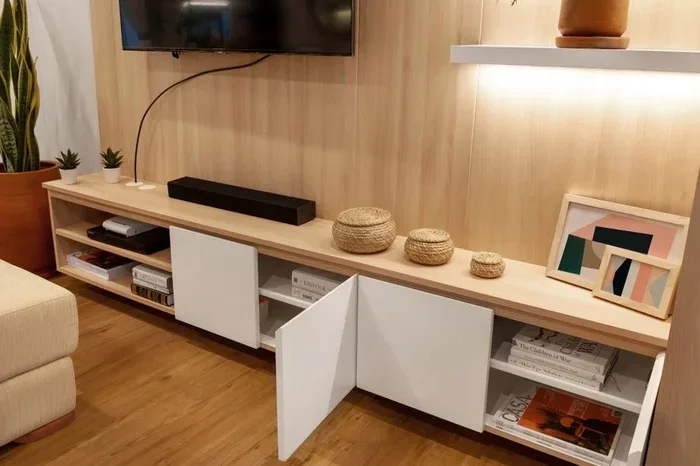
Best Living Room Storage Cabinet Picks for Your Home
A living room storage cabinet is one of the smartest ways to keep your space tidy and welcoming. Whether you need to hide clutter or display decor, the right cabinet makes a huge difference. In this guide, we share our top picks, practical buying tips, and real solutions for every home. You will learn how to choose the perfect size, style, and material for your needs.
A living room storage cabinet can transform a cluttered room into a calm, organized space. It is not just about hiding stuff. It is about making your home feel bigger, cleaner, and more inviting every single day.
If you have ever walked into a living room and felt overwhelmed by stuff everywhere, you are not alone. Many homes struggle with storage. The good news is that the right cabinet solves this problem fast. In this guide, we walk you through the best options, what to look for, and how to make the most of your investment.
Key Takeaways
- Variety of styles: From sideboards to media consoles, there is a living room storage cabinet for every decor theme.
- Material matters: Wood, MDF, and metal each offer different durability and aesthetic benefits.
- Size planning is key: Measure your space before buying to avoid overcrowding your room.
- Storage solutions vary: Open shelves, closed doors, and drawers serve different organizing needs.
- Budget-friendly options exist: You do not have to spend a fortune to get quality storage furniture.
- Assembly is manageable: Most cabinets come with clear instructions and basic tools.
📑 Table of Contents
- Why Every Living Room Needs a Storage Cabinet
- Types of Living Room Storage Cabinets
- What to Look for When Choosing a Living Room Storage Cabinet
- Top Picks for the Best Living Room Storage Cabinets
- Common Mistakes to Avoid When Buying a Storage Cabinet
- Quick Tips for Organizing Your Living Room Storage Cabinet
- Expert Insights: How Designers Use Storage Cabinets
- Maintenance Tips for Your Living Room Storage Cabinet
- Conclusion
Why Every Living Room Needs a Storage Cabinet
A living room storage cabinet does more than hold things. It ties the whole room together. It gives you a place for remotes, books, blankets, and anything else that tends to pile up. Without proper storage, clutter builds up quickly and makes your space feel small and stressful.
Here is why adding one to your room makes a real difference:
- Reduces visual clutter: Closed doors hide messes instantly.
- Boosts organization: You can sort items by category with shelves and drawers.
- Adds furniture value: A well-chosen cabinet elevates the look of your entire room.
- Creates a focal point: Many cabinets double as display pieces for decor and photos.
- Saves space: Vertical cabinets use wall height instead of floor space.
Think of a storage cabinet for living room as your room’s best helper. It works quietly in the background, keeping things neat without demanding attention. That is the beauty of good living room furniture storage.
Types of Living Room Storage Cabinets
Not all cabinets are the same. Different styles serve different purposes. Let us break down the most popular options so you can find the one that fits your home.
Media Console Cabinets
A media console is one of the most common types of living room storage cabinet. It sits below your TV and holds electronics, cables, and media devices. Most media consoles have open shelves and closed compartments. This mix lets you hide bulky items while keeping devices accessible.
These cabinets work great in modern and contemporary spaces. They come in many sizes, so you can find one that fits any wall. Some even include cable management holes to keep wires tidy.
Sideboard and Buffet Cabinets
A sideboard cabinet brings a classic, timeless feel to any living room. These tall, narrow cabinets usually have a combination of drawers, doors, and shelves. They are perfect for storing dishes, board games, and decorative items.
Sideboards also work as display surfaces. You can place a lamp, a vase, or framed photos on top. They add warmth and character to a room. Many people love using a sideboard as a living room organizer because of its versatility.
Bookshelf Cabinets
If you love books and decor, a bookshelf cabinet is a fantastic choice. These pieces combine open shelving with closed cabinet doors. You can display your favorite books and treasures on the open sections while hiding less attractive items behind doors.
Bookshelf cabinets come in tall and short versions. The tall ones work well in corners or against walls. They maximize vertical space and draw the eye upward, making your room feel larger.
Accent Cabinets
An accent cabinet is smaller and more decorative. It adds a touch of style while providing extra storage. These cabinets often feature glass doors, elegant wood grain, or unique shapes. They work best as a supplementary piece rather than a main storage solution.
Place an accent cabinet next to a sofa or in a corner. It fills empty wall space and gives you a spot for small items like keys, candles, or coasters.
What to Look for When Choosing a Living Room Storage Cabinet
Picking the right living room storage cabinet takes a bit of thought. You want something that looks great and works well for your daily life. Here are the key factors to consider.
Size and Dimensions
Before you shop, measure your available space. A cabinet that is too big will overwhelm the room. One that is too small will not meet your storage needs. Here are some quick tips:
- Measure wall length: Leave at least 2-3 inches on each side for breathing room.
- Check ceiling height: Tall cabinets work best in rooms with 8-foot ceilings or more.
- Consider depth: Standard cabinets are 16-20 inches deep. Deeper ones hold more but take up more floor space.
Getting the right cabinet dimensions is essential. A well-fitted piece looks intentional and polished, while a poorly sized one feels awkward.
Material and Durability
The material affects both the look and lifespan of your storage furniture. Here is a quick comparison of common materials:
| Material | Durability | Style | Price Range |
|---|---|---|---|
| Solid Wood | Very High | Classic, warm | Higher |
| MDF with Veneer | Moderate | Smooth, modern | Mid-Range |
| Plywood | High | Versatile | Mid-Range |
| Metal and Wood Combo | High | Industrial, sleek | Varies |
Solid wood cabinets last for decades. They develop a beautiful patina over time. MDF options are more budget-friendly and work well for painted finishes. Plywood offers a great balance of strength and affordability.
Storage Configuration
Think about what you need to store. Different configurations work for different needs:
- Drawers: Great for small items like remotes, coasters, and accessories.
- Open shelves: Perfect for displaying books, photos, and decor.
- Closed doors: Ideal for hiding clutter and keeping a clean look.
- Combination units: Offer the best of all worlds with mixed storage options.
The best living room organizers include a mix of these elements. This way, you can store both hidden and displayed items in one piece.
Style and Decor Matching
Your cabinet should complement your existing decor. Here are some style pairings to consider:
- Mid-Century Modern: Look for walnut or oak cabinets with clean lines and tapered legs.
- Farmhouse: Choose rustic wood with distressed finishes and simple hardware.
- Modern Minimalist: Go for sleek, handleless cabinets in neutral tones.
- Traditional: Opt for carved details, rich stains, and ornate hardware.
Matching your cabinet with doors to your room’s style creates a cohesive, pulled-together look. It makes the whole space feel intentional and well-designed.
Top Picks for the Best Living Room Storage Cabinets
Now that you know what to look for, here are some of our favorite options across different styles and budgets.
1. Solid Wood Sideboard with Drawers
This classic piece offers generous storage with a timeless look. The solid wood construction ensures durability, and the combination of drawers and doors gives you flexible storage options. It works beautifully in traditional and farmhouse living rooms.
2. Modern Media Console with Closed Storage
Perfect for TV lovers, this console keeps electronics hidden while providing ample space. The clean lines and neutral finish make it easy to fit into any modern or contemporary room. Cable management features keep wires out of sight.
3. Tall Bookshelf Cabinet with Glass Doors
This piece combines display and storage in one elegant unit. The glass doors protect your items from dust while letting you show off your favorite pieces. It is ideal for smaller rooms where you want to maximize vertical storage.
4. Compact Accent Cabinet for Small Spaces
Not everyone has a large living room. This compact option fits into tight spaces without sacrificing storage. It is perfect for apartments, condos, or any room where floor space is limited. Despite its size, it offers surprising storage capacity.
Common Mistakes to Avoid When Buying a Storage Cabinet
Even with the best intentions, mistakes happen. Here are common pitfalls to watch out for:
Skipping Measurements
The most common mistake is not measuring your space. A cabinet that does not fit looks terrible and wastes money. Always measure the wall, doorways, and any furniture it will sit near before purchasing.
Ignoring Door Clearance
Make sure your cabinet doors can open fully. Some cabinets need 90-120 degrees of door swing. If you place one too close to a wall or sofa, the doors will not open properly. This is an easy fix if you plan ahead.
Choosing Style Over Function
It is tempting to pick a beautiful cabinet that does not meet your storage needs. A gorgeous cabinet that cannot hold your stuff is not practical. Balance style with function to get the best of both worlds.
Forgetting About Weight Limits
Heavy items like books and electronics can strain shelves. Check the weight capacity before you buy, especially for open shelves. Reinforced shelves or solid wood construction handles weight much better than thin particleboard.
Quick Tips for Organizing Your Living Room Storage Cabinet
Once you have your cabinet, these tips will help you get the most out of it:
- Use baskets and bins: They keep smaller items contained and easy to move.
- Label shelves: This makes it simple to find things fast.
- Store items by frequency: Keep everyday items at eye level and seasonal items on higher or lower shelves.
- Add drawer dividers: They prevent small items from getting tangled or lost.
- Keep the top clear: Use the top surface for one or two decor pieces, not storage.
These simple habits keep your living room storage cabinet organized and functional. A tidy cabinet makes the whole room feel calmer and more welcoming.
Expert Insights: How Designers Use Storage Cabinets
Interior designers know the power of a well-placed cabinet. According to design experts, the key is to treat storage as part of your room’s design, not an afterthought. A storage cabinet for living room should enhance the space, not compete with it.
Many designers recommend choosing a cabinet that matches your existing furniture’s wood tone or finish. This creates visual harmony. Others suggest using a contrasting piece as an accent to add interest and depth to the room.
The trend right now is toward multi-purpose furniture. A storage ottoman or a cabinet with built-in seating are gaining popularity. These pieces serve double duty, offering storage and extra seating in one unit. They are especially popular in smaller living rooms where every piece needs to earn its place.
Another expert tip is to think about airflow. Cabinets with ventilation slots or open backs prevent electronics from overheating. This small detail can extend the life of your TV and other devices.
Designers also emphasize the importance of hardware. Handles and knobs may seem small, but they set the tone for the entire piece. Brushed brass, matte black, and brushed nickel are popular choices that work with many styles.
Maintenance Tips for Your Living Room Storage Cabinet
A good cabinet lasts for years with proper care. Here is how to keep your storage furniture looking its best:
- Dust regularly: Use a soft cloth to wipe surfaces weekly.
- Avoid direct sunlight: Prolonged sun exposure can fade wood finishes over time.
- Use coasters and pads: Protect the cabinet surface from water rings and heat marks.
- Tighten hardware: Check screws and hinges every few months to keep doors aligned.
- Use furniture polish: Apply a quality polish to wood cabinets every few months to maintain the finish.
These simple steps keep your living room storage cabinet looking fresh and functioning well for years to come.
Conclusion
A living room storage cabinet is one of the most practical and stylish additions you can make to your home. It keeps clutter hidden, organizes your belongings, and enhances your room’s appearance. Whether you choose a sideboard, media console, bookshelf cabinet, or accent piece, the right cabinet makes a real difference.
Remember to measure your space, choose a material that fits your budget and lifestyle, and balance style with function. The best storage solutions for living room are the ones that work for your daily life. Take your time, explore your options, and pick the cabinet that feels right for your home.
With the right living room storage cabinet, you can enjoy a cleaner, more organized, and more beautiful living space every single day.
Frequently Asked Questions
What is the best size for a living room storage cabinet?
The ideal size depends on your available wall space and storage needs. A standard width ranges from 48 to 72 inches. For smaller rooms, a compact cabinet between 30 and 48 inches works well. Always measure your wall and leave a few inches of breathing room on each side.
Can I use a living room storage cabinet in a small apartment?
Absolutely. Many compact and tall cabinets are designed specifically for smaller spaces. A narrow sideboard or a vertical bookshelf cabinet maximizes storage without taking up much floor area. Look for pieces with a small footprint and tall height.
What material is best for a living room storage cabinet?
Solid wood offers the best durability and classic look, but it comes at a higher price. MDF with veneer is a great budget-friendly option that still looks good. Plywood provides a solid middle ground with good strength and reasonable cost. Choose based on your budget and style preferences.
How do I style a living room storage cabinet?
Keep the top surface simple with one or two decor pieces like a lamp or a small plant. Use baskets and bins inside drawers and shelves to keep items organized. Match the cabinet’s wood tone or finish to your other furniture for a cohesive look.
Are open shelves or closed cabinets better for storage?
Both have their benefits. Closed cabinets hide clutter and keep a clean look, while open shelves are great for displaying decor and books. The best approach is a combination of both, which many modern cabinets offer in a single unit.
How much should I spend on a living room storage cabinet?
Prices vary widely based on material and size. Budget options start around $100-$200 for MDF or particleboard pieces. Mid-range cabinets made from plywood or quality veneers cost $300-$600. Solid wood cabinets can range from $500 to over $1,500. Set a budget based on your needs and stick to it.