Rust Colored Living Room Ideas That Transform Your Space
A rust colored living room brings warm, earthy energy into any home. This guide covers design ideas, color pairings, and styling tips to help you create a cozy, inviting space. You’ll learn how to use rust tones on walls, furniture, and decor with confidence. Whether you prefer bold accents or a full rust makeover, these ideas spark real transformation.
A rust colored living room has a way of making any home feel grounded and welcoming. The warm, earthy hue brings a sense of comfort that few other colors can match. Whether you fall in love with deep burnt orange or soft terracotta, rust tones add character and depth to your space. If you have been searching for a fresh way to refresh your living area, rust might be the perfect answer. This guide walks you through everything you need to know to pull off this beautiful color with confidence.
Rust is more than just a trend. It is a timeless warm tone that connects indoor spaces with nature. Think of autumn leaves, desert landscapes, and handmade clay pots. These natural images inspire the feeling of a rust colored living room. The color works beautifully with wood, metal, and organic textures. It brings a grounded, earthy energy that makes guests feel right at home. Many homeowners are discovering how well rust fits into modern and traditional designs alike.
The beauty of rust lies in its versatility. It pairs easily with cream, beige, navy, and even forest green. You can go bold with a full rust accent wall or keep it subtle with a few carefully chosen pieces. No matter your style, there is a way to weave rust into your living room that feels authentic. Let us explore the best ideas and strategies to make it work in your space.
Key Takeaways
- Rust tones create warmth: Earthy rust colors make any living room feel cozy and inviting.
- Mix with neutrals for balance: Pair rust with cream, beige, and warm whites for a polished look.
- Start small with accents: Rust throw pillows, curtains, and decor pieces ease you into the color.
- Layer textures for depth: Combine velvet, linen, wood, and metal finishes for a rich rust room.
- Avoid overdoing it: Balance rust with lighter shades so the room stays fresh and breathable.
- Rust works in any style: From bohemian to modern, rust adapts to many design aesthetics.
📑 Table of Contents
Why Rust Tones Work So Well in Living Rooms
Warm colors like rust trigger feelings of comfort and security. They remind us of firelight, warm soil, and harvested fields. These natural associations make a rust colored living room feel emotionally grounding. Unlike bright, bold colors, rust invites relaxation rather than stimulation. It creates a cocoon-like atmosphere that encourages rest and conversation.
Rust also has excellent staying power in interior design. Trends come and go, but warm earthy tones remain classic. A rust colored living room feels intentional and curated rather than trendy. It ages well and adapts to changing decor styles over time. The color also photographs beautifully, which matters if you love sharing your home on social media.
Another reason rust works so well is its ability to add depth. A room painted entirely in soft neutrals can sometimes feel flat. Introducing rust adds dimension and visual interest. It draws the eye and creates focal points without overwhelming the space. This is why many living room design ideas now feature rust as a key accent color.
Rust Colored Living Room Design Ideas
Rust Accent Wall
One of the simplest ways to introduce rust is through an accent wall. Choose the wall behind your sofa or the first wall you see when entering the room. A matte rust paint finish gives a sophisticated, modern feel. If you prefer texture, consider using reclaimed wood panels or shiplap in a rust stain. This adds a rustic charm that feels both warm and handcrafted.
An accent wall lets you commit to the color without overwhelming the room. It also gives you flexibility to change other elements around it. Pair the wall with cream-colored furniture and natural wood tones for a balanced look. This approach works beautifully in both large and small living rooms.
Rust Furniture Pieces
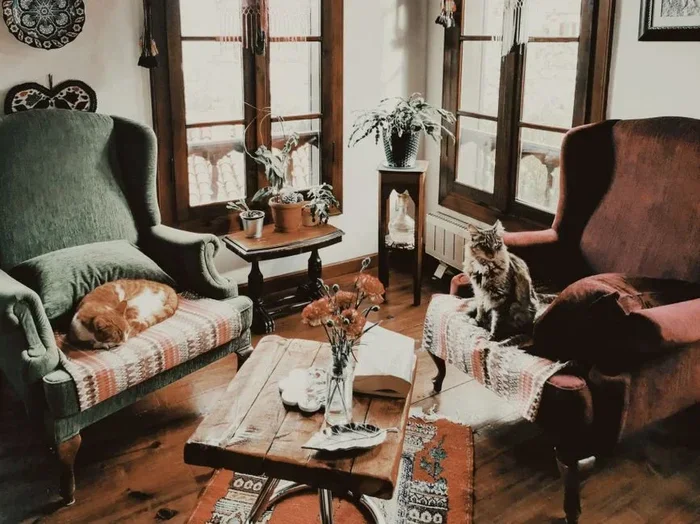
Furniture is a powerful way to anchor a rust colored living room. A rust leather sofa or armchair becomes the centerpiece of the space. The material ages gracefully and develops a rich patina over time. For a more affordable option, look for rust-colored fabric slipcovers or throw blankets.
Wooden furniture in walnut or oak tones complements rust tones perfectly. A rust coffee table or side table adds subtle color without dominating the room. You can also find rust metal frames for bookshelves and display units. These pieces bring an industrial edge that pairs well with the warmth of the color.
Rust Decor and Accessories
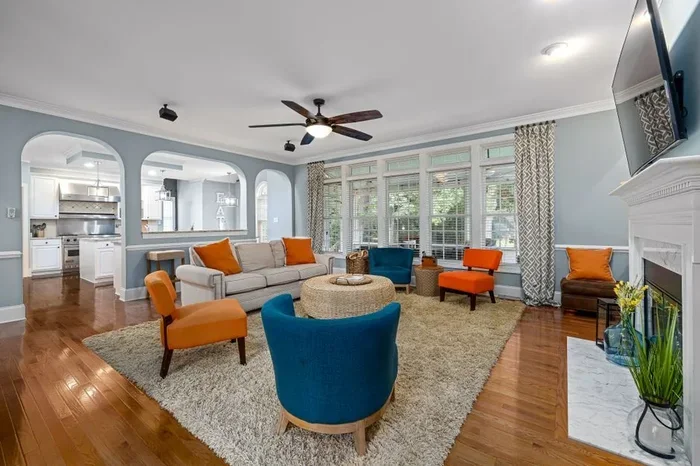
If painting or buying new furniture feels like a big step, start with decor. Rust-colored throw pillows, curtains, and rugs are easy swaps that make a big impact. Look for items in velvet, linen, or woven textures to add visual richness. A large rust area rug can tie the whole room together.
Ceramic vases, candle holders, and picture frames in rust finishes add layered detail. Metal lanterns and candle holders in aged copper or bronze also work well. These small touches build the rust atmosphere gradually and affordably. They let you experiment before committing to larger changes.
How to Style a Rust Colored Living Room
Styling a rust colored living room is about creating balance and harmony. Here are some practical tips to keep in mind.
- Start with a neutral base: Use white, cream, or warm beige for walls, large furniture, and floors. This gives rust a clean backdrop to shine against.
- Layer different rust shades: Mix burnt orange, terracotta, and deep maroon for a layered, dynamic look.
- Add natural materials: Wood, jute, rattan, and stone enhance the earthy feel of rust tones.
- Use warm metallics: Brass, copper, and gold accents complement rust beautifully.
- Bring in greenery: Plants add life and contrast to a rust room. Green and rust together feel incredibly organic.
Consider the flow of your room when placing rust items. A how to place furniture in living room guide can help you position pieces so the color feels intentional. You want rust elements distributed evenly rather than clustered in one area. This creates a cohesive and balanced atmosphere.
For those who love a bohemian living room vibe, rust is a natural fit. Layer rugs, add macrame wall hangings, and mix vintage finds with rust tones. The combination feels free-spirited and inviting. Similarly, an African themed living room often features warm earthy tones that pair seamlessly with rust.
Best Color Pairings for Rust Tones
Choosing the right colors to pair with rust makes all the difference. Here are some winning combinations that work beautifully in a living room setting.
| Color Pairing | Vibe | Best For |
|---|---|---|
| Rust + Cream | Soft and elegant | Traditional and transitional spaces |
| Rust + Navy | Bold and sophisticated | Modern and contemporary rooms |
| Rust + Olive Green | Natural and earthy | Bohemian and rustic styles |
| Rust + Warm White | Clean and fresh | Small spaces and minimalist rooms |
| Rust + Mustard Yellow | Warm and energetic | Creative and eclectic spaces |
Each pairing creates a different mood. Cream keeps things soft and calming. Navy adds drama and contrast. Olive green brings a natural, outdoor-inspired feel. The key is to test samples before committing. Paint a small section of your wall and observe how the color looks at different times of day.
Common Mistakes to Avoid
Even with the best intentions, it is easy to make missteps when working with rust tones. Here are a few pitfalls to watch out for.
- Using too much rust at once: Overloading a room with rust creates a heavy, suffocating feeling. Balance it with lighter shades and plenty of breathing room.
- Ignoring lighting: Rust can look very different under warm versus cool lighting. Test your paint or fabrics in the actual room before deciding.
- Skipping texture: A rust room without texture feels flat. Mix fabrics, materials, and finishes to add interest and depth.
- Forgetting about flow: Rust elements should connect from room to room. A how to arrange two sofas in living room with tv setup, for example, should consider how the color flows into adjacent spaces.
Avoiding these mistakes ensures your rust colored living room looks polished and intentional. Less is often more when working with bold warm tones.
Expert Tips for a Lasting Rust Living Room
Interior designers share a few insider tips for making rust work beautifully over the long term.
- Use matte finishes: Matte paint and fabrics absorb light softly, which keeps rust from feeling too intense.
- Add white space: Leave some areas of the room uncluttered. White or light-colored walls give the eye a place to rest.
- Mix vintage with new: Rust pairs well with vintage pieces. A how to style a side table in living room guide can show you how to display vintage finds alongside modern furniture.
- Refresh with textiles: Swap out pillows, throws, and curtains seasonally to keep the room feeling fresh without repainting.
These expert insights help you build a rust room that feels timeless rather than dated. The goal is to create a space that reflects your personality while staying visually balanced.
Final Thoughts
A rust colored living room is one of the most rewarding design choices you can make. The warmth and depth of this color transform ordinary spaces into inviting retreats. Whether you go all in or start with a few accent pieces, rust brings life and character to your home. The ideas in this guide give you a solid foundation to build from. Trust your instincts, have fun with it, and enjoy the process of creating a space that truly feels like yours.
Frequently Asked Questions
What colors go best with a rust colored living room?
Cream, beige, navy, olive green, and warm white all pair beautifully with rust. These colors create balance and let the rust tones shine without overwhelming the space.
Is rust a good color for a small living room?
Yes, but use it wisely. Stick to rust accents like pillows, rugs, or a single accent wall. This adds warmth without making the room feel cramped or heavy.
Can I mix rust with other warm colors?
Absolutely. Rust pairs well with mustard yellow, terracotta, and burnt orange. Just make sure to include neutral breaks so the room stays visually balanced.
What materials complement a rust colored living room best?
Wood, leather, linen, jute, and aged metals like brass and copper all enhance the earthy feel of rust. These materials add texture and depth to the space.
How do I keep a rust living room from feeling too dark?
Use plenty of natural light, keep walls lighter in surrounding areas, and add mirrors to reflect light. Mixing in white or cream textiles also helps keep the room bright and airy.
Where can I find affordable rust decor pieces?
Thrift stores, online marketplaces, and home decor retailers all carry rust-colored items at various price points. Look for throw pillows, curtains, and ceramic accessories to start.
=== CONCLUSION ===
A rust colored living room brings warmth, character, and timeless appeal to any home. By layering textures, pairing with complementary colors, and starting small with accents, you can create a space that feels both stylish and deeply comfortable. The tips and ideas in this guide give you everything you need to get started. Embrace the earthy beauty of rust and watch your living room come alive with cozy, inviting charm.