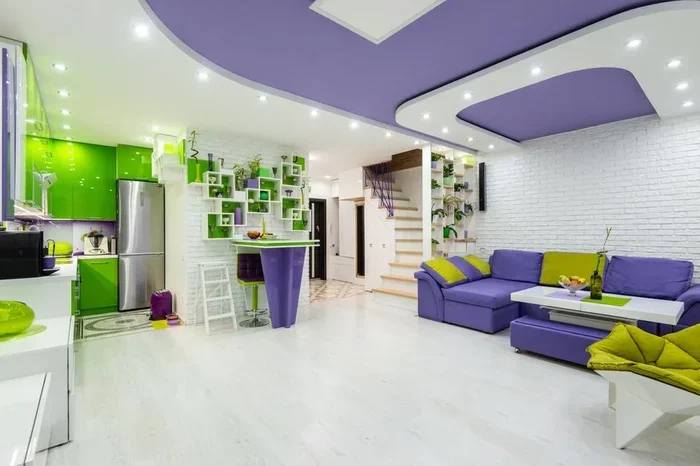
Pop Ceiling Design for Living Room Ideas You Will Love
Pop ceiling design for living room spaces can completely change how a room looks and feels. These ceiling treatments add depth, texture, and a touch of elegance to any home. Whether you prefer a modern pop design or a more traditional look, there is a style for every taste. This guide covers the best ideas, materials, and tips to help you choose the perfect ceiling for your living room. You will learn how to plan, install, and style your pop ceiling with confidence.
A pop ceiling design for a living room is one of the most impactful upgrades you can make. It instantly elevates the look and feel of your space. When you walk into a room with a beautifully designed pop ceiling, the whole atmosphere changes. The ceiling becomes a focal point that ties the room together.
Many homeowners overlook the ceiling when decorating. But the ceiling is the fifth wall of any room. It deserves just as much attention as your walls and floor. A well-planned pop ceiling adds character, hides imperfections, and improves the overall flow of your interior design.
In this guide, we will explore the best pop ceiling design ideas for living rooms. You will learn about different styles, materials, lighting options, and how to choose the right one for your home. Let us dive in and find the perfect ceiling design for your space.
Key Takeaways
- Pop ceilings add depth and dimension: They create a layered look that makes your living room feel larger and more inviting.
- Many styles to choose from: From cove designs to recessed panels, there is a pop ceiling idea for every home decor style.
- Lighting integration is key: Pop ceilings work beautifully with LED strips and recessed lights for a stunning glow.
- Materials matter: Gypsum, PVC, and MDF are popular choices, each with unique benefits for your living room.
- Installation is manageable: With the right guidance, a pop ceiling can be a DIY-friendly project or a professional job.
- Pair with the right decor: Choosing accent pieces and furniture that complement your ceiling elevates the entire room.
📑 Table of Contents
What Is a Pop Ceiling Design for Living Room?
A pop ceiling refers to a suspended or layered ceiling made from materials like gypsum, PVC, or MDF. The term “pop” comes from “plaster of Paris,” which is a common material used in these designs. Pop ceilings are built below the original ceiling to create a new, decorative surface.
These designs are extremely popular in living rooms because they add visual interest. They also allow you to hide wiring, pipes, and other unsightly elements. A pop ceiling can be flat, curved, or multi-layered depending on your style preferences.
The beauty of a pop ceiling is its versatility. You can create a simple tray ceiling or an elaborate multi-level design. It all depends on your budget, room size, and personal taste. Whether your home has a modern, classic, or bohemian style, there is a pop ceiling that fits.
Why Choose a Pop Ceiling?
There are many reasons homeowners love pop ceilings. First, they make the room look more polished and finished. Second, they provide a great surface for installing lights. Third, they can make a low ceiling appear higher through clever design. Here are the top benefits:
- Enhances room aesthetics: A pop ceiling adds a designer touch to any living room.
- Hides imperfections: Cracks, uneven surfaces, and old wiring are easily concealed.
- Improves lighting options: You can install recessed lights, LED strips, or pendant lights with ease.
- Adds perceived height: Layered designs create an illusion of a taller ceiling.
- Increases home value: A well-designed ceiling boosts your property’s appeal.
Popular Pop Ceiling Design Ideas for Living Room
When it comes to pop ceiling design for living room spaces, the options are endless. Each style brings a unique vibe and character. Let us explore the most popular designs that homeowners love.
1. Cove Ceiling Design
A cove ceiling features a curved transition between the wall and the ceiling. This creates a soft, flowing look that feels elegant and modern. Cove designs work especially well in rooms with aesthetic living room ideas because they add a subtle luxury touch.
You can install LED strip lights inside the cove for a warm glow. This creates a beautiful ambient effect that makes your living room feel cozy at night. The cove design is simple yet stunning, making it a favorite choice for many homes.
2. Tray Ceiling Design
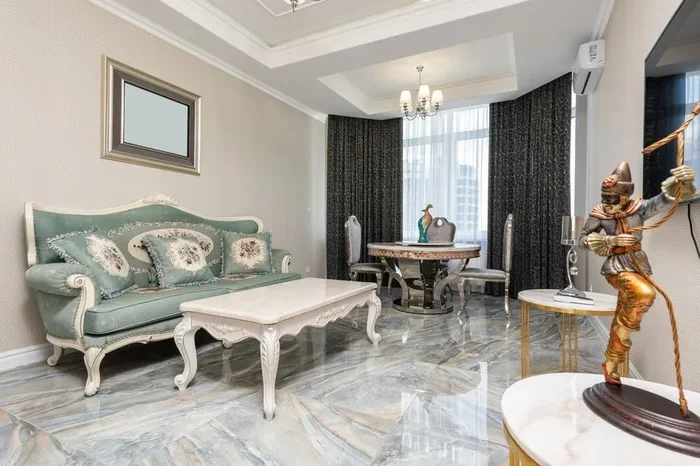
A tray ceiling has a recessed center section that is higher than the surrounding edges. This creates a tray-like shape that adds depth and dimension. Tray ceilings are perfect for living rooms with high ceilings. They draw the eye upward and make the space feel grand.
You can style a tray ceiling with a chandelier or pendant light in the center. This adds a focal point and enhances the room’s elegance. Pair it with aesthetic living room decor pieces like curtains and wall art for a complete look.
3. Layered Multi-Level Ceiling
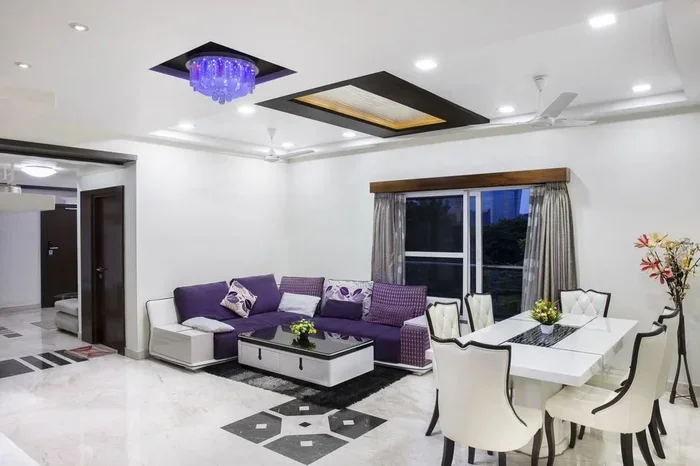
A multi-level pop ceiling uses different layers at various heights. This creates a dramatic, three-dimensional effect. It is one of the most popular choices for modern living rooms. The layers can be straight or curved, depending on your design vision.
This style works best in larger living rooms. In smaller spaces, it can feel overwhelming if not done carefully. Consider hiring a professional designer to plan the layout. The result is a stunning ceiling that becomes the centerpiece of your room.
4. Flat Pop Ceiling with Recessed Lighting
If you prefer a clean and minimal look, a flat pop ceiling is ideal. It is a simple, smooth surface with no extra layers or curves. The beauty of this design lies in the lighting. Recessed lights or spotlights installed in the ceiling create a modern and sleek appearance.
This design suits minimalist and contemporary living rooms. It keeps the ceiling uncluttered while still adding visual interest. A flat pop ceiling also works well with how to place furniture in living room layouts because it does not compete for attention.
5. Pop Ceiling with Wall Panels
For a cohesive look, combine your pop ceiling with wall panels. This creates a unified design that ties the entire room together. Wall panels can be wooden, textured, or painted to match your ceiling. This approach is common in luxury living rooms and home theaters.
Adding accent pieces like cushions and artwork complements this design beautifully. You can explore accent pieces for living room options that match the textures and colors of your ceiling and wall panels.
Materials Used in Pop Ceiling Design
Choosing the right material is an important part of your pop ceiling project. Each material has its own advantages and cost considerations. Let us look at the most common options.
Gypsum (Plaster of Paris)
Gypsum is the most popular material for pop ceilings. It is lightweight, easy to shape, and affordable. Gypsum can be molded into curves, angles, and intricate patterns. It also takes paint well, so you can match it to any room color scheme.
One downside of gypsum is that it is not waterproof. If you live in a humid area, you may need to treat it with a moisture-resistant coating. Overall, gypsum is the go-to choice for most pop ceiling projects.
PVC Panels
PVC panels are durable, waterproof, and easy to install. They are a great choice for living rooms in humid climates or areas prone to moisture. PVC comes in many designs, including wood-grain and textured finishes. It is also easier to clean than gypsum.
However, PVC can look less premium than gypsum. It may also emit a slight odor in hot weather. Despite these drawbacks, PVC is a practical and budget-friendly option for many homeowners.
MDF (Medium Density Fiberboard)
MDF is a dense, smooth material that works well for pop ceilings. It holds paint beautifully and has a clean, finished look. MDF is stronger than gypsum and can support heavier fixtures. It is a good choice if you plan to install heavy chandeliers or large lights.
The downside is that MDF is heavier and more expensive than gypsum. It also needs to be treated to resist moisture. If your living room stays dry, MDF can be an excellent choice for a long-lasting pop ceiling.
Lighting Ideas for Pop Ceilings
Lighting is a crucial part of any pop ceiling design. The right lights can transform your ceiling into a stunning feature. Here are the best lighting options to consider.
LED Strip Lights
LED strip lights are the most popular choice for pop ceilings. They fit perfectly into coves, recesses, and layered edges. You can choose warm white, cool white, or RGB colors to set the mood. LED strips create a soft, indirect glow that makes your living room feel warm and inviting.
These lights are energy-efficient and long-lasting. They are also easy to install, making them a great DIY option. For the best effect, place LED strips along the edges of your pop ceiling layers.
Recessed Downlights
Recessed downlights are installed directly into the ceiling surface. They provide focused lighting and a clean, modern look. These lights work well with flat pop ceilings and layered designs. You can arrange them in a grid or pattern to highlight specific areas of the room.
Recessed lights are perfect for living rooms where you need both ambiance and task lighting. They are discreet and do not take up visual space. This makes them ideal for smaller living rooms where every inch matters.
Chandeliers and Pendant Lights
If you want a statement piece, a chandelier or pendant light is a great choice. These fixtures hang from the center of the pop ceiling and draw the eye upward. They add a touch of glamour and sophistication to any living room.
Choose a fixture that matches the scale of your room. A large chandelier works well in spacious living rooms, while a small pendant light suits cozier spaces. Make sure the pop ceiling is strong enough to support the weight of the fixture.
How to Choose the Right Pop Ceiling for Your Living Room
Selecting the right pop ceiling design involves several factors. You need to consider your room size, budget, style, and lifestyle. Here is a simple guide to help you make the best decision.
Consider Your Room Size
Small living rooms benefit from simple pop ceiling designs. A flat ceiling with recessed lights keeps the room feeling open and airy. Avoid overly complex multi-level designs in small spaces, as they can make the room feel cramped.
Large living rooms can handle more elaborate designs. Layered ceilings, tray designs, and cove details all work well in spacious rooms. The key is to balance the ceiling design with the size of the furniture and layout.
Match Your Interior Style
Your pop ceiling should complement your overall interior design. For modern living rooms, choose clean lines and flat designs. For classic homes, consider tray ceilings with molding details. If you love a bohemian vibe, explore afro bohemian living room styles that pair well with textured pop ceilings.
Think about your wall colors, flooring, and furniture when choosing a design. The ceiling should feel like a natural extension of the room, not a separate element. A cohesive design makes your living room look polished and intentional.
Set a Realistic Budget
Pop ceiling costs vary based on material, complexity, and labor. Gypsum ceilings are generally the most affordable. PVC is also budget-friendly but may require more maintenance. MDF and custom designs tend to cost more but offer a premium finish.
Get quotes from at least three contractors before starting your project. Make sure the quote includes materials, labor, and any extra costs for lighting or electrical work. Planning your budget carefully helps avoid surprises during installation.
Common Mistakes to Avoid
Even with the best intentions, many homeowners make mistakes with their pop ceiling projects. Here are the most common errors and how to avoid them.
- Choosing a design that is too complex: Overly elaborate designs can overwhelm a small room. Keep it simple and elegant.
- Ignoring the room height: Low ceilings need flat or minimal designs. Too many layers can make the room feel claustrophobic.
- Using the wrong material: Gypsum in a humid bathroom or PVC in a formal living room may not be the best choice. Match the material to the room’s conditions.
- Skipping proper lighting planning: A pop ceiling without lighting looks flat and misses its full potential. Plan your lighting layout before installation.
- Not hiring a professional: While some designs are DIY-friendly, complex pop ceilings require skilled installation. A professional ensures a clean, safe finish.
Expert Tips for a Stunning Pop Ceiling
Want your pop ceiling to truly stand out? Follow these expert tips for the best results. First, always paint your pop ceiling in a shade slightly lighter than your walls. This creates a beautiful contrast and makes the design pop. Second, use indirect lighting to highlight the layers and edges of your ceiling. Third, keep the design proportional to your room size.
Another great tip is to add ceiling molding or trim for a finished look. Molding adds a classic touch that works with almost any style. You can also incorporate decorative elements like ceiling medallions around light fixtures. These small details make a big difference in the overall appearance.
Finally, consider how your ceiling design works with your furniture layout. A beautiful pop ceiling pairs best with well-placed furniture. If you are still arranging your room, check out how to style open shelves living room guides for tips on creating a balanced and harmonious space. The right combination of ceiling and furniture creates a living room that feels complete and thoughtfully designed.
Conclusion
A pop ceiling design for living room spaces is a fantastic way to elevate your home’s look and feel. Whether you choose a simple cove design or a dramatic multi-level ceiling, the results can be truly transformative. The right ceiling adds depth, improves lighting, and creates a focal point that ties your entire room together.
Take your time choosing the design, material, and lighting that suit your home. Consider your room size, budget, and personal style. With careful planning and the right execution, your pop ceiling will become the highlight of your living room for years to come. Start exploring these ideas today and give your living room the upgrade it deserves.
Frequently Asked Questions
What is the best pop ceiling design for a small living room?
A flat pop ceiling with recessed lighting works best for small living rooms. It keeps the space feeling open while still adding a decorative touch. Avoid multi-level designs that can make the room feel cramped.
How much does a pop ceiling cost for a living room?
The cost depends on the material and complexity of the design. Gypsum ceilings are the most affordable, while custom MDF designs cost more. On average, expect to pay between $5 and $20 per square foot for materials and labor combined.
Can I install a pop ceiling myself?
Simple flat pop ceilings can be a DIY project if you have basic skills. However, multi-level or curved designs usually require professional installation. Always assess your skill level honestly before starting a ceiling project.
What materials are best for a pop ceiling in a humid climate?
PVC panels are the best choice for humid climates because they are waterproof and resistant to moisture. Gypsum can also work if treated with a moisture-resistant coating. Avoid untreated wood-based materials in damp environments.
How do I light a pop ceiling effectively?
LED strip lights placed in the edges of your pop ceiling layers create a beautiful ambient glow. Recessed downlights work well for focused lighting. Combine both for a layered lighting effect that enhances the depth of your design.
How long does a pop ceiling last?
A well-installed pop ceiling can last 15 to 25 years or more. Gypsum and MDF ceilings are durable when kept dry and maintained properly. PVC ceilings may need occasional cleaning but hold up well over time with minimal upkeep.