Modern Living Room Cabinet Ideas That Transform Your Space
A modern living room cabinet can completely change how your space looks and feels. These pieces offer both stylish storage and a sleek, updated look for any home. Whether you prefer wall-mounted designs or low-profile entertainment centers, there is a perfect option for every room. We will walk you through styles, materials, placement tips, and common mistakes to avoid. By the end, you will feel confident choosing the best cabinet for your living room.
A modern living room cabinet does more than just hold your stuff. It sets the tone for the entire room. When you pick the right one, your space instantly feels more put-together, stylish, and welcoming.
Maybe your current cabinet is outdated. Or maybe you are starting from scratch and want something fresh. Either way, this guide covers everything you need to know. We will look at different styles, materials, sizes, and placement ideas. You will also learn about common mistakes and how to avoid them. Let us dive in and find the perfect cabinet for your living room.
Key Takeaways
- Modern living room cabinets come in many styles, from minimalist to bold and statement-making designs.
- Choosing the right material and finish can completely change the look and feel of your space.
- Proper placement and sizing make a huge difference in how functional and stylish your cabinet looks.
- Built-in and wall-mounted options save floor space and create a clean, uncluttered appearance.
- Avoiding common mistakes like poor measurements and wrong material choices saves time and money.
- Mixing open shelving with closed storage gives you both display space and hidden storage.
- Your cabinet should match your overall living room decor and personal style.
📑 Table of Contents
- Why a Modern Living Room Cabinet Matters
- Top Modern Living Room Cabinet Styles
- Materials and Finishes for Modern Cabinets
- How to Choose the Right Size Cabinet
- Placement and Layout Tips
- Expert Insights on Choosing the Perfect Cabinet
- Comparing Popular Cabinet Types
- How to Style Your Modern Living Room Cabinet
- Budget-Friendly Ways to Update Your Cabinet
- Final Thoughts on Choosing the Right Cabinet
Why a Modern Living Room Cabinet Matters
Your living room is the heart of your home. It is where you relax, entertain guests, and spend quality time with family. The furniture you choose shapes the whole vibe of this space. A modern living room cabinet acts as both a functional piece and a design anchor.
Older cabinets often look bulky and outdated. They take up space and do not always match today’s design trends. Modern cabinets, on the other hand, focus on clean lines, smart storage, and minimal fuss. They help you keep your room organized without sacrificing style.
Here is why upgrading your cabinet matters so much:
- Better storage: Modern designs offer clever compartments and hidden spaces.
- Improved aesthetics: Sleek finishes and contemporary shapes elevate your room’s look.
- More space: Wall-mounted and low-profile options free up valuable floor area.
- Personal expression: You can choose materials, colors, and styles that reflect your taste.
- Higher resale value: Updated furniture makes your home more appealing to buyers.
Think of your cabinet as a foundation piece. Everything else in the room builds around it. When you get this piece right, the rest of your decor falls into place much more easily.
Top Modern Living Room Cabinet Styles
Not all cabinets are created equal. Different styles suit different tastes and room layouts. Let us explore the most popular options for a modern living room.
Wall-Mounted Floating Cabinets
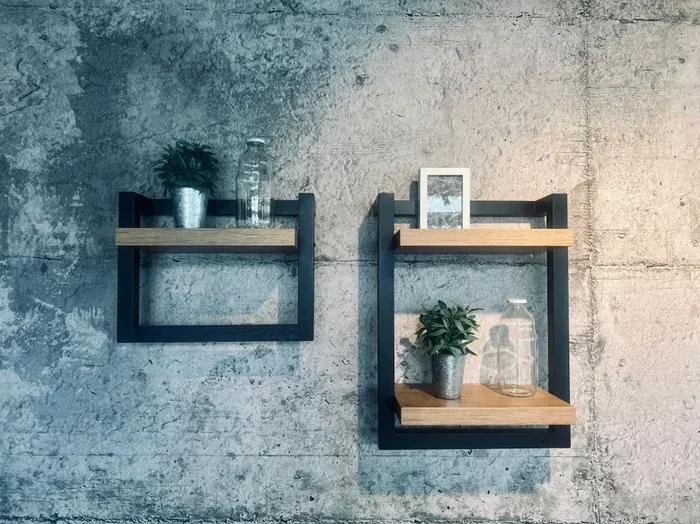
Floating cabinets mount directly to the wall. They create a sleek, airy feel in any room. Because they float above the floor, they make your space look bigger and more open.
These cabinets work great in smaller living rooms. They free up floor space and add a sense of lightness. You can pair them with floating shelves for a cohesive look. Many people love the clean, minimalist appearance of wall-mounted designs.
Media Consoles and Entertainment Centers
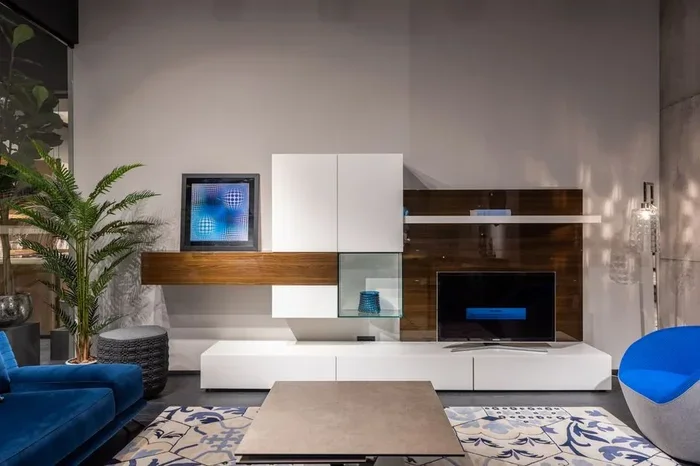
A media console is a staple in modern living rooms. It holds your TV, gaming consoles, speakers, and other electronics. Today’s media consoles come in sleek, low-profile designs that keep the focus on your screen.
Some entertainment centers include built-in cable management. This means you can hide all those messy cords from sight. Open compartments on the sides let you display decorative items or books. Closed cabinets keep everything tucked away and neat.
Sideboard Cabinets
A sideboard cabinet is a long, low piece of furniture. It usually sits against a wall and offers plenty of storage surface area. Sideboards are incredibly versatile. You can use them in the living room, dining room, or even a hallway.
Modern sideboards often feature a mix of open and closed storage. The open sections work great for displaying art or plants. The closed sections hide clutter like remotes, magazines, and game controllers. Many sideboards also include drawers for smaller items.
Open Shelving Units
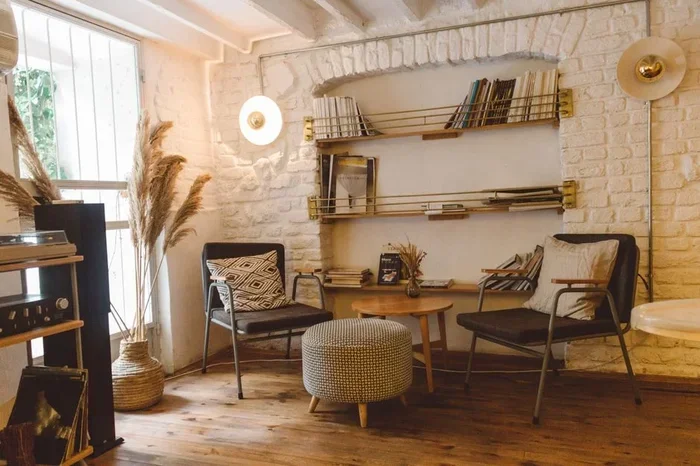
If you want to show off your favorite items, open shelving is a fantastic choice. These units let you display books, photos, plants, and decorative objects. They give your room a lived-in, personal feel.
Open shelving works best when you keep things organized. Too many items can make a space feel cluttered. A good rule of thumb is to group items by color or theme. This creates a curated, intentional look that looks great in any modern living room.
Built-In Cabinetry
Built-in cabinets are custom-made to fit your exact space. They wrap around walls, fit under windows, or line entire room perimeters. Because they are tailored to your room, they maximize every inch of storage.
Many homeowners love built-ins because they create a seamless, integrated look. The cabinets become part of the architecture rather than a separate piece of furniture. This works especially well in open-concept living spaces where continuity matters.
Materials and Finishes for Modern Cabinets
The material you choose affects both the look and durability of your cabinet. Modern designs use a wide range of materials, each with its own unique appeal.
Wood and Wood Veneer
Wood remains a top choice for contemporary furniture. It brings warmth and natural beauty to any room. Common wood types include oak, walnut, maple, and birch.
Wood veneer is a popular option for modern cabinets. It looks like real wood but costs less and is more stable. Veneer cabinets resist warping and cracking better than solid wood in many cases. They also come in a wider range of finishes and colors.
Painted and Laminated Surfaces
Painted cabinets in white or soft neutral tones create a bright, clean look. White cabinets especially make a small living room feel larger and more open. Matte finishes are trending right now because they hide fingerprints and smudges well.
Laminated surfaces offer a sleek, high-tech look. They are durable, easy to clean, and available in many colors and textures. High-gloss laminates add a luxurious feel, while matte laminates give a more understated appearance.
Glass and Metal Accents
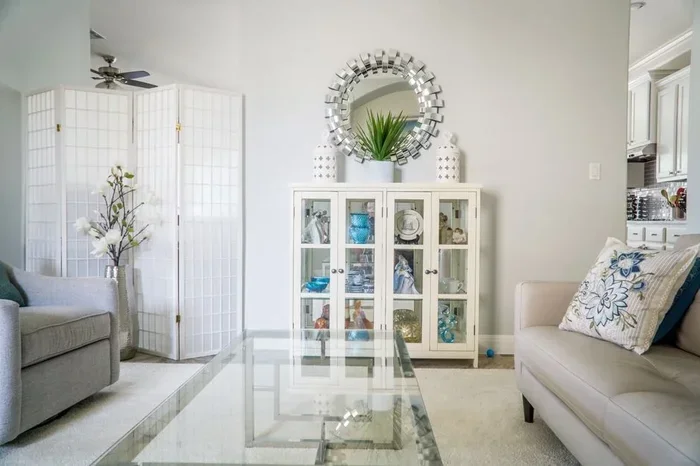
Glass-front cabinets add elegance and visual interest. They let you display beautiful items while keeping the rest of your collection hidden. Frosted glass offers a more subtle look, while clear glass shows off your pieces completely.
Metal accents in black, brass, or chrome add a modern edge. Many contemporary cabinets combine wood with metal legs or handles. This mix of materials creates a stylish, balanced look that feels current and sophisticated.
How to Choose the Right Size Cabinet
Size matters a lot when selecting a modern living room cabinet. Too big and your room feels cramped. Too small and you lack the storage you need. Here is how to get it right.
Start by measuring your available space. Use a tape measure and note the width, height, and depth of the area where the cabinet will go. Leave at least 30 inches of walking space in front of the cabinet. This ensures comfortable movement through the room.
Next, consider your TV or media setup. The cabinet should be proportional to your screen size. A general rule is that the cabinet width should be about two-thirds the width of your TV. This creates a balanced, visually pleasing arrangement.
Think about your storage needs, too. Do you have lots of items to hide away? Choose a cabinet with more doors and drawers. Do you want to display decorative pieces? Look for designs with open shelves or glass fronts.
Quick Tips for Sizing
- Measure your room before shopping. Always bring your measurements with you.
- Allow extra space for doors and drawers to open fully.
- Consider ceiling height for taller cabinets in rooms with high ceilings.
- Use a floor plan or tape outline on the floor to visualize the size.
- Choose a cabinet that fits your lifestyle, not just your room dimensions.
Placement and Layout Tips
Where you place your cabinet affects both function and flow. A well-placed cabinet enhances the entire room layout. A poorly placed one can block pathways and make the space feel smaller.
The most common placement is along the main wall, opposite the seating area. This creates a natural focal point for the room. Your TV or media setup sits on the cabinet, and everyone faces it comfortably.
Another popular option is placing the cabinet in a corner. Corner cabinets make use of dead space that often goes wasted. They work especially well in rectangular or L-shaped living rooms.
For open-concept spaces, consider placing the cabinet between the living room and dining area. This acts as a subtle divider while keeping the flow open and airy. Low-profile cabinets work best for this purpose because they do not block sightlines.
Common Mistakes to Avoid
Many people make avoidable mistakes when choosing and placing their cabinets. Here are the most common ones:
- Skipping measurements: Always measure twice and buy once. A cabinet that does not fit looks terrible and wastes money.
- Ignoring door clearance: Make sure doors and drawers can open fully without hitting furniture or walls.
- Choosing style over function: A beautiful cabinet that does not meet your storage needs will frustrate you over time.
- Mismatching the room style: Your cabinet should complement your existing furniture and decor, not clash with it.
- Overcrowding the space: Leave breathing room around your cabinet. Too many pieces crammed together makes any room feel small.
- Forgetting about lighting: Proper lighting highlights your cabinet and the items displayed on it. Consider adding LED strip lights or small lamps nearby.
Expert Insights on Choosing the Perfect Cabinet
Interior designers agree that the right cabinet can make or break a living room’s design. The key is finding a balance between form and function.
“The best modern cabinets serve double duty,” says Sarah Mitchell, a certified interior designer with over 15 years of experience. “They store your belongings beautifully while also acting as a design statement. When you walk into a room, the cabinet should feel like it belongs there.”
Mitchell recommends mixing closed and open storage. “Closed cabinets keep clutter hidden, which makes a room feel calm and organized,” she explains. “Open shelves let you show off personal items that add character and warmth. The combination of both creates depth and visual interest.”
Another expert tip is to think about your color palette. “Your cabinet should work with the colors already in your room,” Mitchell adds. “If your walls are neutral, you have more freedom to go bold with the cabinet. If your room has lots of color, a neutral cabinet keeps things balanced.”
One more thing to keep in mind: do not rush the decision. “Take your time browsing different styles and materials,” she advises. “A cabinet is a long-term investment. You want something you will love for years to come.”
Comparing Popular Cabinet Types
Choosing between different cabinet types can feel overwhelming. Here is a simple comparison to help you decide which style fits your needs best.
| Cabinet Type | Best For | Storage Level | Style |
|---|---|---|---|
| Wall-Mounted Floating | Small spaces, minimalist looks | Medium | Clean, airy, modern |
| Media Console | TV and electronics storage | High | Sleek, low-profile |
| Sideboard | Versatile storage and display | High | Classic, adaptable |
| Open Shelving | Display and easy access | Low to medium | Casual, personal |
| Built-In Cabinetry | Custom fit and maximum storage | Very High | Seamless, integrated |
Each type has its strengths. Think about what matters most to you. Do you need lots of hidden storage? A media console or sideboard works well. Want to show off your personal style? Open shelving or a glass-front cabinet is the way to go. Need to maximize every inch of space? Built-in cabinetry is your best bet.
How to Style Your Modern Living Room Cabinet
Once you have chosen your cabinet, the next step is styling it. How you arrange items on and around the cabinet makes a big difference in the overall look.
Start with a base layer. Place larger items like books, baskets, or storage boxes on the lower shelves. These anchor the cabinet and create a solid foundation. Then add medium-sized items like photo frames, plants, or decorative objects on the middle level. Finally, place smaller items like candles or small art pieces on the top shelves.
Use the rule of three when arranging items. Group things in odd numbers, as this tends to look more natural and visually appealing. Mix different heights and textures to create visual interest.
Do not forget about lighting. A small lamp or LED strip light behind the cabinet can create a warm glow that makes the whole room feel cozier. Well-lit cabinets look more expensive and polished than unlit ones.
Keep clutter to a minimum. A beautifully styled cabinet loses its impact when it is stuffed with too many items. Edit your displays regularly and keep only the items you truly love. This simple habit keeps your living room looking fresh and intentional.
Budget-Friendly Ways to Update Your Cabinet
You do not need to buy a brand-new cabinet to get a modern look. There are several budget-friendly ways to update your existing piece.
- Repaint or refinish: A fresh coat of paint can completely transform an old cabinet. White, matte black, and sage green are all trending colors right now.
- Replace hardware: New handles and knobs are an inexpensive way to update the look. Brass, matte black, and ceramic handles add a modern touch.
- Add new legs: Swapping out old legs for sleek metal or wooden ones gives the cabinet a modern makeover.
- Add open shelving: If your cabinet has solid doors, consider adding a few open shelves above or beside it for display space.
- Style with accessories: New throws, candles, and decorative objects can refresh the look without any major changes.
These small changes can make a big impact. They cost a fraction of what a new cabinet would and can completely refresh the look of your living room.
Final Thoughts on Choosing the Right Cabinet
Choosing a modern living room cabinet is an exciting process. It is a chance to refresh your space and make it truly yours. Whether you go with a floating wall cabinet, a sleek media console, or a custom built-in, the right choice will elevate your entire room.
Remember to focus on both form and function. The best cabinets look great and work hard for your everyday life. Take your time measuring, comparing styles, and thinking about your storage needs. Do not be afraid to mix materials and textures to create a look that feels uniquely yours.
Your living room deserves furniture that works as hard as you do. A well-chosen modern cabinet delivers style, storage, and lasting value for years to come. Start exploring your options today and watch your living room transform into the space you have always wanted.
Frequently Asked Questions
What is the best material for a modern living room cabinet?
Wood and wood veneer are the most popular materials for modern cabinets. They offer warmth, durability, and a timeless look. However, painted surfaces and laminated finishes also work well for a sleek, contemporary appearance. The best material depends on your budget, style preferences, and how much wear and tear the cabinet will face.
How do I know what size cabinet fits my living room?
Start by measuring the wall space where you plan to place the cabinet. Leave at least 30 inches of walking space in front. The cabinet width should be about two-thirds the width of your TV for a balanced look. Always bring your measurements when shopping and visualize the size using a floor plan or tape outline on the floor.
Can I mix different cabinet styles in my living room?
Yes, mixing styles can create a dynamic, layered look. The key is to keep a common thread, such as a consistent color palette or material. For example, pairing a wooden sideboard with a sleek white media console works well when both pieces share a similar finish or tone. Just make sure the overall look feels cohesive and intentional.
Are wall-mounted cabinets as sturdy as floor-standing ones?
Modern wall-mounted cabinets are designed to be sturdy and secure. They use heavy-duty mounting hardware and are built to hold typical living room items. However, they work best on solid walls like drywall with studs or masonry. Always follow the manufacturer’s installation instructions and use the right anchors for your wall type to ensure safety and stability.
What is the difference between a sideboard and a media console?
A sideboard is a versatile, long, low cabinet that works in many rooms and for many purposes. A media console is specifically designed to hold a TV and electronic equipment. Media consoles often include cable management features and openings for wiring. While both serve storage purposes, a media console is more specialized, whereas a sideboard is more adaptable to different uses.
How often should I update or replace my living room cabinet?
There is no set timeline for replacing a cabinet. A quality modern living room cabinet can last 10 to 20 years or more with proper care. However, you might want to update the style through repainting, new hardware, or restyling the contents every few years. If the cabinet is damaged, no longer fits your space, or feels outdated beyond repair, it is time to consider a replacement.