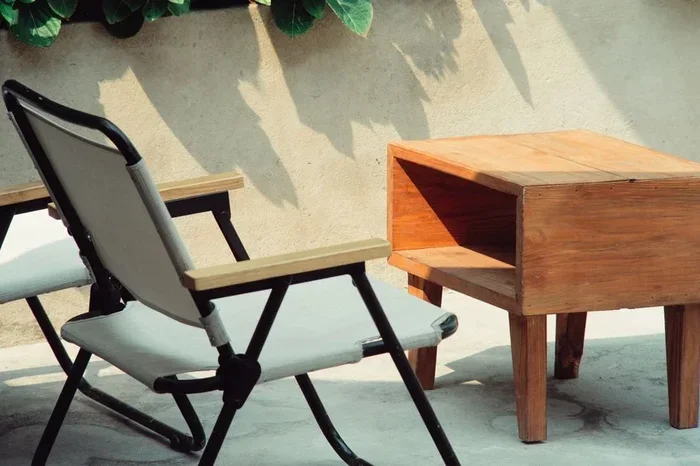
Low Living Room Table Ideas That Transform Your Space
A low living room table can completely change how your room feels and functions. These tables sit below standard seating height, creating a relaxed and open atmosphere. Whether you choose a low coffee table, a sleek console table, or a multifunctional piece, the right option boosts both comfort and design. We will walk you through the best styles, materials, and placement tips to help you pick the perfect fit for your home.
A low living room table does more than just hold your remote control. It sets the tone for the entire room. When you choose the right piece, it pulls your furniture together and makes the space feel intentional. A well-selected table adds warmth, balance, and a sense of design purpose that guests will notice immediately.
Low tables sit below the standard height of most sofas and chairs. This creates a relaxed, laid-back look that feels inviting. They also keep your room from feeling crowded. Many homeowners are turning to these pieces because they solve common problems like tight spaces, awkward proportions, and lack of storage. A low coffee table or a slim console table can completely change how a room works and feels.
In this guide, we will explore the best low living room table ideas, materials, styles, and placement tips. You will learn how to pick the right size, shape, and material for your home. By the end, you will have a clear plan to transform your living room with a table that looks great and works hard.
Key Takeaways
- Low tables create a cozy, open feel: They keep sightlines clear and make small rooms look bigger.
- Material choice matters a lot: Wood, glass, metal, and rattan each bring a different vibe to your space.
- Placement is key to function: Where you put your table affects traffic flow and room balance.
- Low profile tables work in every style: From minimalist to bohemian, there is a low table for every design theme.
- Multifunctional options save space: Storage tables and nesting designs add practical value without extra clutter.
- Height and proportion should guide your choice: A table that is too low or too high can feel off in your room.
📑 Table of Contents
- Why a Low Living Room Table Matters
- Best Low Living Room Table Styles
- Materials That Make a Difference
- Choosing the Right Size for Your Space
- Placement Tips That Maximize Impact
- Common Mistakes to Avoid
- Expert Insights on Low Table Design
- How to Style Your Low Living Room Table
- Key Takeaways
- Conclusion
Why a Low Living Room Table Matters
The height of your table plays a big role in your room’s comfort and flow. A low living room table sits closer to the floor than a standard coffee table. This might sound like a small detail, but it changes everything about the room.
Here is why height matters so much:
- Better sightlines: When your table is low, you can see across the room more easily. This makes the space feel open and connected.
- Relaxed seating feel: Low tables encourage a casual, lounge-like atmosphere. You feel more at ease when everything sits closer to the ground.
- Improved traffic flow: A lower table takes up less vertical space. People can move around the room without bumping into anything.
- Visual balance: A low coffee table pairs well with low-backed sofas and armchairs. The result is a harmonious, proportional look.
Many people underestimate how much table height affects their daily life. If your table is too high, it can feel cramped and uncomfortable. Too low, and you might struggle to reach your drinks. The sweet spot depends on your furniture and how you use the room.
Standard Heights and What Works Best
Most standard coffee tables sit between 16 and 18 inches tall. A low living room table typically ranges from 12 to 15 inches. Some ultra-low designs go even lower, around 10 inches. The best choice depends on your seat height. Measure the height of your sofa seat cushion. Your table should sit about 1 to 3 inches below that point for comfortable use.
Best Low Living Room Table Styles
Not all low tables look the same. Different styles bring different energy to your room. Let us look at the most popular options and what makes each one special.
Low Coffee Tables
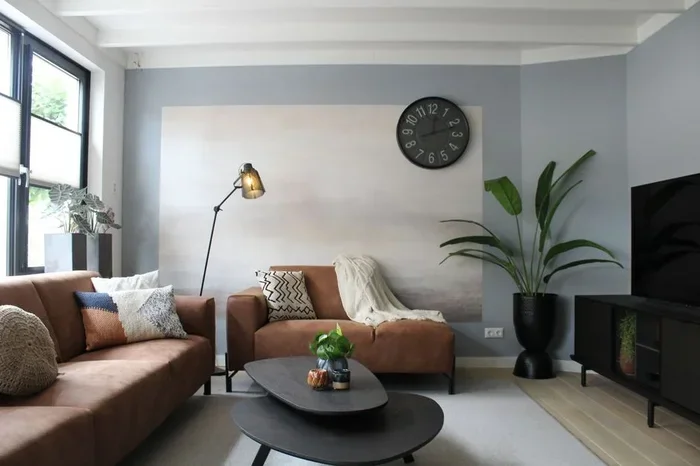
The low coffee table is the most common choice. It sits right in front of your sofa and anchors the seating area. These tables come in round, rectangular, and oval shapes. Round tables soften sharp corners and work well in smaller rooms. Rectangular tables suit longer seating arrangements.
Wooden low coffee tables give a warm, natural feel. Glass tops make a room look lighter and more modern. You can also find metal frames with wood tops for a mixed-material look that feels current and stylish.
Console Tables for the Living Room
A low console table is a narrow, table-like piece that works behind a sofa or against a wall. These are great for small living room spaces where a full coffee table would take up too much room. Console tables often include drawers or shelves for extra storage.
Place a low console table behind your sofa and use it to display books, plants, or decorative objects. It adds a layer of style without blocking foot traffic. This is one of the best space saving furniture solutions for apartments and cozy rooms.
Ottoman Tables and Poufs
An ottoman table combines the comfort of a footrest with the function of a table. These pieces are low to the ground and very versatile. You can use them as a coffee table, a footrest, or even extra seating when guests visit.
Many ottoman tables come with storage inside. This makes them a practical choice for families who need extra space to stash blankets, magazines, or toys. Look for ones with removable tops or lift-up lids for easy access.
Nesting Tables
Nesting tables are a set of two or three small tables that fit inside each other. When you need more surface area, you pull them apart. When you do not, they nest together and save floor space. These are perfect for low profile table lovers who want flexibility.
You can use nesting tables individually around the room or cluster them together near the sofa. They work well in modern living room setups where clean lines and minimalism matter.
Materials That Make a Difference
The material of your low living room table affects both the look and the durability. Here is a closer look at the most popular options.
Wood
Wood is a classic choice for low coffee table designs. It brings warmth and natural beauty to any room. Solid wood pieces last for years and develop a lovely patina over time. Oak, walnut, and teak are popular options because they are strong and visually appealing.
Wooden tables work in almost every style, from rustic farmhouse to sleek mid-century modern. They also pair well with most other materials like fabric, metal, and glass.
Glass
A glass-top low living room table makes a small space feel bigger. The transparent surface does not block light or visual space. This is why glass tables are a favorite in small living room setups.
Glass is easy to clean and gives a polished, refined look. However, it shows fingerprints and smudges more than other materials. If you have young children or pets, consider tempered glass for added safety.
Metal and Wood Combinations
Tables that mix metal frames with wood tops offer the best of both worlds. The metal adds a modern, industrial edge while the wood provides warmth and texture. These low profile table designs look great in contemporary living room and minimalist table setups.
Black metal frames are very popular because they pair with almost any color scheme. Brass and gold metal finishes add a touch of elegance and work well in warmer, cozy rooms.
Rattan and Wicker
For a bohemian table or a coastal vibe, rattan and wicker are excellent choices. These natural materials add texture and a relaxed feel. They work especially well in sunrooms, casual living rooms, and rooms with a warm color palette.
Rattan tables are lightweight and easy to move around. They are not as sturdy as wood or metal, so they work best in low-traffic areas.
Choosing the Right Size for Your Space
Size is one of the most important factors when picking a low living room table. A table that is too big overwhelms the room. One that is too small gets lost in the furniture layout.
Here are some simple rules to follow:
- Measure your seating area: The table should be about two-thirds the length of your sofa. This creates a balanced, proportional look.
- Leave enough space to walk: Allow at least 30 inches between the table edge and any surrounding furniture. This keeps traffic flowing smoothly.
- Consider the room size: In a small living room, go for a narrow or round table. In a larger room, you can use a bigger rectangular or oval piece.
- Check the height: Your low coffee table should sit 1 to 3 inches below your sofa seat cushion. This makes it easy to reach items without stretching.
| Room Size | Recommended Table Length | Recommended Table Height | Best Shape |
|---|---|---|---|
| Small (under 150 sq ft) | 24-36 inches | 12-14 inches | Round or square |
| Medium (150-250 sq ft) | 36-48 inches | 14-15 inches | Rectangular or oval |
| Large (over 250 sq ft) | 48-60 inches | 15-16 inches | Rectangular or oversized round |
Placement Tips That Maximize Impact
Where you put your low living room table affects how the room looks and functions. Thoughtful placement can make a big difference in your daily comfort.
Center It in Front of the Sofa
The most common placement is directly in front of the sofa. This creates a natural focal point and makes the table easy to reach from every seat. Center the table so it aligns with the sofa’s midpoint for a balanced look.
Use It as a Room Divider
In open-plan spaces, a low table can help define different areas. Place it behind the sofa to separate the seating area from the dining or workspace. This works especially well with a low console table because of its narrow profile.
Pair It with a Floor Lamp
A low coffee table next to a floor lamp creates a cozy reading nook. The table holds your book and drink while the lamp provides warm light. This combination is a favorite in modern living room designs.
Create a Gallery Wall Effect
Place your table against a wall with a gallery of framed art above it. This turns a simple low profile table into a decorative statement piece. Add a small plant, a candle, or a stacked collection of books to complete the look.
Quick Tips for Perfect Placement
- Keep the table at least 12 inches from the sofa edge for comfortable legroom.
- Use a round table in tight spaces to reduce the risk of bumping into corners.
- Match the table style to your room’s overall design theme for a cohesive look.
- Do not push the table too far back. Leave some space between the sofa and the table for a relaxed feel.
Common Mistakes to Avoid
Choosing a low living room table is exciting, but mistakes can happen. Here are the most common ones and how to avoid them.
Skipping the Measurements
Never buy a table without measuring your space first. A table that looks perfect in the store might be too big or too small for your room. Write down your measurements and bring them when you shop.
Ignoring the Room’s Traffic Flow
Do not place a table where it blocks walkways. Your living room furniture arrangement should allow easy movement from one area to another. Test the layout by walking through the room before you commit to a spot.
Choosing Style Over Function
A beautiful table that does not meet your needs will frustrate you over time. If you need storage, pick a table with shelves or drawers. If you have kids, choose a table with rounded edges and sturdy materials. Function should always come before fashion.
Picking the Wrong Height
Not all low coffee table heights work for every sofa. If your sofa seats are very low, an ultra-low table might be too hard to reach. Always compare the table height to your seat cushion height before buying.
Forgetting About Scale
A tiny table in a large room looks lost. A huge table in a small room feels suffocating. Always consider the scale of your table relative to the rest of the room design. The table should feel like it belongs, not like an afterthought.
Expert Insights on Low Table Design
Interior designers agree that a low living room table can be a game-changer for your space. According to design professionals, the key is to think about the table as part of a larger conversation. It should complement your sofa, your lighting, and your overall style.
Expert tip: “A low table creates a sense of calm. It tells the eye to relax. This is why low profile table designs are so popular in minimalist table and Scandinavian-inspired rooms,” says interior designer Sarah Collins.
Another expert insight is to layer textures. Pair a wooden low coffee table with a soft fabric throw on the sofa. Add a textured rug underneath. These small details make the table feel integrated into the room rather than just placed in it.
Designers also recommend using your table as a starting point for the room’s color palette. If your table has warm wood tones, pull in warm colors through pillows and decor. If it is a cool metal or glass piece, lean into cool blues and grays for a cohesive look.
How to Style Your Low Living Room Table
A bare table looks unfinished. Styling your low living room table is the final step that brings the whole look together.
Add a Tray for Organization
A decorative tray keeps small items grouped together. Place coasters, candles, and a small vase on the tray. This creates a polished, intentional look and makes cleanup easier.
Incorporate Greenery
A small potted plant or a fresh flower arrangement adds life to your table. Plants soften the hard surfaces and bring a natural element into the room. This works especially well with bohemian table and rustic styles.
Use Books as Props
Stack a few coffee table books to add height and visual interest. Choose books with covers that match your room’s color scheme. You can also use them to display a small decorative object on top.
Keep It Minimal
Do not overcrowd your table. A low profile table looks best with a few curated items rather than a cluttered surface. Leave some empty space to let each piece breathe. Less is more when it comes to table styling.
Seasonal Swaps
Change your table decor with the seasons. Add warm-toned candles and pine cones in fall. Switch to bright flowers and seashells in summer. These small swaps keep your living room furniture feeling fresh without a big investment.
Key Takeaways
- A low living room table transforms your space: It creates openness, comfort, and a relaxed atmosphere that standard-height tables cannot match.
- Choose the right style for your home: Low coffee tables, console tables, ottoman tables, and nesting tables each serve different needs and design preferences.
- Material affects both look and durability: Wood, glass, metal, and rattan each bring unique qualities that suit different room styles and lifestyles.
- Size and placement are just as important as style: Measure your space, consider traffic flow, and place the table where it enhances the room’s balance.
- Avoid common mistakes by planning ahead: Do not skip measurements, ignore traffic flow, or choose style over function.
- Styling makes all the difference: Add trays, plants, books, and seasonal touches to make your low table a true design statement.
Conclusion
A low living room table is one of the simplest and most effective ways to refresh your space. It changes the feel of the room, improves comfort, and adds a layer of design intentionality that guests will notice. Whether you prefer a warm wooden low coffee table, a sleek glass piece, or a versatile ottoman, the right table makes your room feel complete.
Take your time choosing the right piece. Measure your space, consider your style, and think about how you actually use your living room. The best low living room table is the one that fits your life, not just your decor photos. Start with the ideas in this guide, mix and match what works for you, and enjoy the process of creating a space that truly feels like home.
Your living room deserves furniture that works as hard as you do. A thoughtful low living room table choice is a step toward a more comfortable, stylish, and functional home. Make the change today and see the difference it makes every single day.
Frequently Asked Questions
What is the ideal height for a low living room table?
A low living room table typically sits between 12 and 15 inches tall. The best height depends on your sofa seat cushion. Aim for a table that is 1 to 3 inches below the seat height for comfortable use. This makes it easy to reach drinks, books, and decor without stretching.
Can a low table work in a small living room?
Yes, a low table is often a great choice for small living rooms. Low profile tables take up less vertical space and keep sightlines open. Choose a round or narrow rectangular shape to maximize floor space. A glass-top low table also makes a small room feel lighter and more open.
What materials are best for a low coffee table?
Wood, glass, metal, and rattan are the most popular materials. Wood brings warmth and durability. Glass makes a space feel larger and more modern. Metal adds a sleek, contemporary edge. Rattan works well for bohemian or coastal styles. Choose based on your room’s design theme and your lifestyle needs.
How do I style a low living room table?
Start with a decorative tray to group small items together. Add a small plant or fresh flowers for life and color. Stack a few coffee books for height. Keep the arrangement minimal and curated. Swap decor with the seasons to keep the table looking fresh and current.
What is the difference between a low coffee table and a console table?
A low coffee table is wider and placed in front of the sofa as a centerpiece. A console table is narrow and usually placed against a wall or behind a sofa. Console tables often include storage and work well in smaller spaces where a full coffee table would be too bulky.
Are low tables comfortable for everyday use?
Yes, low tables are very comfortable for everyday use when paired with the right furniture. They work best with low-backed sofas and lounge chairs. Make sure the table height matches your seat cushion height so reaching for items feels natural and easy. A well-chosen low table makes your seating area more inviting and functional.