Living Room Entertainment Center Ideas You Will Love
Transform your living room with the perfect entertainment center ideas that blend style and function. A living room entertainment center serves as the focal point of your space, housing your TV, speakers, and storage needs. Whether you prefer a modern, rustic, or minimalist look, there is a design to match your taste and budget. This guide covers the latest trends, practical tips, and creative inspiration to help you build the ultimate setup. Read on to discover how to make your entertainment area both beautiful and highly functional.
A living room entertainment center is more than just a piece of furniture. It is the heart of your home’s relaxation and leisure time. Whether you love binge-watching movies, hosting game nights, or simply enjoying music, your entertainment setup sets the mood for the entire room. Choosing the right design can completely transform how your space looks and feels.
The good news is that there are countless entertainment center ideas available for every style and budget. From sleek modern designs to cozy farmhouse vibes, you can find something that fits your home perfectly. In this article, we will explore the best options, share practical tips, and help you make a confident choice. Let us dive into the world of living room entertainment center designs that you will truly love.
Key Takeaways
- Choose the Right Style: Match your entertainment center to your existing decor with modern, rustic, or minimalist options.
- Prioritize Function: Focus on cable management, storage, and speaker placement for a clean and organized setup.
- Size Matters: Measure your space carefully before buying to ensure the unit fits comfortably and looks balanced.
- Mix Materials: Combine wood, metal, and glass for a unique and eye-catching design.
- DIY Options Exist: You can build or customize a living room entertainment center on a budget with simple tools and creativity.
- Lighting Adds Impact: Use LED strips, backlighting, or shelf lights to enhance the ambiance of your entertainment area.
- Plan for the Future: Choose a design that can adapt to new technology and changing needs over time.
📑 Table of Contents
- Why Your Entertainment Center Matters
- Popular Living Room Entertainment Center Styles
- How to Choose the Perfect Size and Layout
- Design and Decor Tips for Your Entertainment Area
- DIY Living Room Entertainment Center Projects
- Common Mistakes to Avoid When Choosing an Entertainment Center
- Expert Insights: Trends Shaping Entertainment Centers in 2024
- Comparison Table: Entertainment Center Styles at a Glance
- Final Thoughts
Why Your Entertainment Center Matters
Your entertainment center does much more than hold your television. It anchors the entire living room layout. Without it, your room can feel scattered and unfinished. A well-chosen unit brings everything together and gives your space a sense of purpose.
Think about how much time you spend in your living room. You probably watch shows, play games, or listen to music regularly. A living room entertainment center makes all of these activities more enjoyable. It keeps your devices organized and your space looking clean. When everything has a place, your room instantly feels more relaxing and inviting.
Sets the Tone for Your Room
The entertainment unit you choose acts as a style anchor. It influences the color palette, material choices, and overall vibe of the room. A rustic wooden console gives a warm, cozy feel. A sleek glass and metal unit creates a modern, polished look. Your choice sends a message about your personality and taste.
Maximizes Storage and Organization
One of the biggest benefits of a good entertainment center design is storage. Modern households have many devices, remotes, game controllers, and media that need a home. Without proper storage, clutter builds up quickly. A well-designed unit with shelves, drawers, and cabinets keeps everything hidden and tidy.
Popular Living Room Entertainment Center Styles
Not all entertainment centers look the same. Different styles suit different homes and preferences. Let us explore the most popular options that homeowners love today.
Modern Minimalist Entertainment Centers
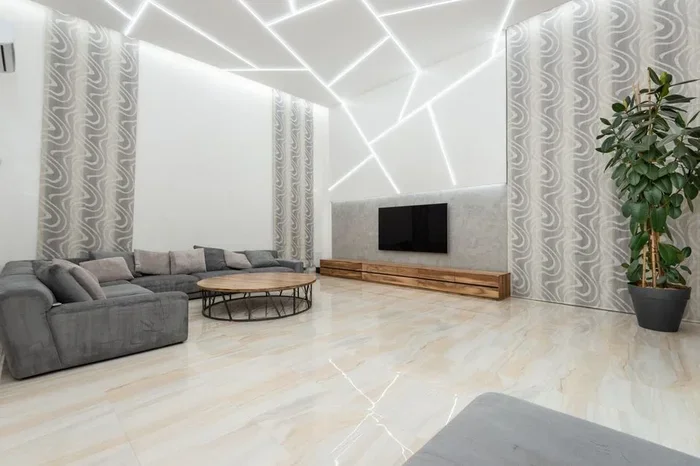
The minimalist approach focuses on clean lines and simplicity. These units often feature low profiles, neutral colors, and open shelving. A minimalist TV stand works beautifully in small apartments or contemporary homes. The goal is to let the technology and the room speak for themselves without visual clutter.
Key features of modern minimalist designs include:
- Clean, straight lines with no ornate details
- Neutral color palettes like white, black, and gray
- Open shelving for easy access to devices
- Floating designs that save floor space
- Built-in cable management systems
Rustic and Farmhouse Entertainment Centers
Rustic styles bring warmth and character to any living room. These units often use reclaimed wood, distressed finishes, and natural textures. A farmhouse entertainment center pairs perfectly with cozy living room furniture like plush sofas and warm rugs.
Rustic designs are perfect for homeowners who want a lived-in feel. They add charm and personality without trying too hard. Many people combine a rustic TV stand with vintage decorative items like old books, candles, and plants.
Industrial-Style Entertainment Units
Industrial design blends raw materials like metal and exposed wood. These units often feature a rugged, unfinished look that appeals to urban dwellers. An industrial entertainment center typically includes metal frames, open shelves, and a utilitarian aesthetic. It works well in lofts and modern apartments with high ceilings.
Mid-Century Modern Entertainment Centers
Mid-century modern design has made a huge comeback in recent years. These units feature tapered legs, bold shapes, and a retro-inspired vibe. A mid-century media console adds a timeless elegance to any living room. The warm wood tones and clean silhouettes make this style incredibly versatile.
How to Choose the Perfect Size and Layout
Size is one of the most important factors when selecting a living room entertainment center. A unit that is too large will overwhelm the room. One that is too small will look out of place and fail to meet your storage needs.
Measure Your Space First
Before shopping, grab a tape measure and note the dimensions of your wall area. Consider the height, width, and depth of the space. Also, think about where your windows, doors, and outlets are located. A well-measured space leads to a perfect fit.
Consider Your TV Size
Your television size should guide your unit choice. A large flat-screen TV looks best on a sturdy, proportional stand. As a general rule, the unit should be at least two-thirds the width of your TV. This creates visual balance and prevents the TV from looking oversized or lost in the room.
Layout Options to Explore
There are several layout options for arranging your entertainment area:
- Wall-Mounted Setup: Mount the TV on the wall and place a slim console below. This saves floor space and creates a floating effect.
- Central Focal Point: Place the entertainment unit in the center of the room to create a true focal point.
- Corner Placement: Tuck the unit into a corner to maximize open floor space in the rest of the room.
- Symmetrical Arrangement: Place matching units on both sides of the TV for a balanced, gallery-like look.
Design and Decor Tips for Your Entertainment Area
Choosing the right unit is only half the battle. How you style and decorate the area matters just as much. A few simple tips can elevate your entertainment center ideas from ordinary to extraordinary.
Add Proper Lighting
Lighting transforms the look and feel of your entertainment area. LED strip lights behind the TV create a soft glow that reduces eye strain. Shelf lights highlight decorative items and add depth to the room. You can also use a floor lamp or wall sconces to create a warm ambiance during movie nights.
Use the Right Wall Decor
What you hang on the walls around your unit matters. A large piece of art above the TV draws the eye upward and adds personality. Gallery walls with framed photos and prints create a curated look. Just make sure the wall decor complements the color and style of your living room entertainment center.
Incorporate Plants and Natural Elements
Adding plants brings life and freshness to any room. Place a tall plant on one side of the unit or small succulents on the shelves. Natural elements like wood, stone, and woven baskets add texture and warmth. They also soften the look of electronic devices and create a balanced atmosphere.
Cable Management Made Easy
Messy cables are the number one enemy of a clean entertainment setup. Use cable management solutions like cord covers, cable trays, and wireless devices to keep things tidy. Many modern media consoles come with built-in cable passages and ventilation holes. Taking care of cables instantly makes your room look more polished and organized.
DIY Living Room Entertainment Center Projects
Not ready to spend a fortune on a new unit? Building your own entertainment center can be a fun and rewarding project. DIY options let you customize every detail and save money at the same time.
Simple Pallet Entertainment Unit
Wooden pallets are an affordable and eco-friendly building material. Stack a few pallets, add wheels, and paint them in your favorite color. This creates a charming, rustic TV stand that costs very little. You can also add small shelves between the pallets for extra storage.
Floating Shelf Console
For a modern look, install floating shelves directly into the wall. Place your TV on the top shelf and use the lower shelves for books, decorative items, and devices. This approach works great in small spaces where a traditional unit would feel bulky. It also creates a sleek, minimalist appearance that many homeowners love.
Repurposed Dresser as Media Console
An old dresser can become a stunning media console with a little effort. Remove the top drawers, add a ventilated back panel, and paint or stain the piece to match your room. Dressers offer deep storage and a classic look that never goes out of style. This is one of the most popular budget-friendly entertainment center ideas on the internet.
Common Mistakes to Avoid When Choosing an Entertainment Center
Many people make avoidable mistakes when shopping for a living room entertainment center. Being aware of these pitfalls helps you make a smarter choice.
Buying Without Measuring
The most common mistake is purchasing a unit without measuring the available space. Always check the dimensions of both the unit and your wall area. Leave enough room for airflow around electronic devices to prevent overheating.
Ignoring Storage Needs
Do not choose a unit based on looks alone. Think about what you need to store. If you have many gaming consoles, Blu-ray discs, and remote controls, you need a unit with plenty of cabinets and drawers. An open-shelf design may look great but can lead to visible clutter.
Overlooking Material Quality
Cheap materials may save money upfront but wear out quickly. Particleboard and thin MDF can warp, scratch, and sag over time. Solid wood, engineered wood, and metal units tend to last much longer. Investing in quality materials pays off in the long run.
Forgetting About Ventilation
Electronic devices generate heat. If your entertainment center has closed cabinets without ventilation, your equipment can overheat. Look for units with open backs, perforated panels, or built-in fans. Proper airflow keeps your devices running smoothly and extends their lifespan.
Expert Insights: Trends Shaping Entertainment Centers in 2024
The world of living room entertainment center design is always evolving. Staying current with trends helps you create a space that feels fresh and up-to-date.
One major trend is the rise of smart home integration. Many entertainment centers now include built-in wireless charging pads, Bluetooth speakers, and smart lighting controls. Another trend is biophilic design, which brings natural elements indoors. Think living walls, stone accents, and organic shapes.
Modular and customizable units are also gaining popularity. Homeowners love the flexibility to reconfigure their setup as their needs change. Whether you want to add shelves, swap out panels, or expand the unit, modular designs offer unmatched versatility.
Comparison Table: Entertainment Center Styles at a Glance
| Style | Best For | Materials | Price Range |
|---|---|---|---|
| Modern Minimalist | Small spaces and contemporary homes | Glass, metal, engineered wood | Mid to high |
| Rustic / Farmhouse | Cozy, warm living rooms | Reclaimed wood, distressed finishes | Low to mid |
| Industrial | Lofts and urban apartments | Metal, exposed wood, concrete | Mid range |
| Mid-Century Modern | Retro-inspired and timeless looks | Solid wood, tapered legs | Mid to high |
| DIY / Custom | Budget-conscious and creative homeowners | Pallets, repurposed furniture, shelves | Low |
Final Thoughts
Choosing the right living room entertainment center is one of the most impactful decisions you can make for your home. It affects both the look and the functionality of your entire living space. Whether you go for a sleek modern design, a cozy farmhouse style, or a budget-friendly DIY project, the key is to choose something that reflects your personality and meets your needs.
Take your time, measure your space, and explore different entertainment center ideas before making a final decision. A well-chosen unit brings order, style, and enjoyment to your daily life. Your living room entertainment center is an investment in comfort and happiness. Make it count, and you will love the results for years to come.
Frequently Asked Questions
What is the best size for a living room entertainment center?
The best size depends on your room dimensions and TV size. As a general rule, the unit should be at least two-thirds the width of your television. Leave at least 18 inches of space on each side for airflow and visual balance. Always measure your wall area before purchasing.
How do I hide cables and wires in my entertainment center?
You can use cable management boxes, cord covers, or wall-mounted cable trays to hide wires. Many modern media consoles come with built-in cable passages behind the back panel. Alternatively, use a power strip with a built-in surge protector and route cables through a ventilated shelf or cabinet.
Can I build a living room entertainment center on a budget?
Absolutely. DIY projects like repurposing a dresser, stacking wooden pallets, or building floating shelves are affordable and customizable. You can find materials at hardware stores or salvage yards for a fraction of the cost of a new store-bought unit. A little creativity goes a long way.
What materials are best for an entertainment center?
Solid wood is the most durable and long-lasting option. Engineered wood offers a good balance of quality and affordability. Metal and glass units create a modern, sleek look. Choose materials that match your lifestyle, budget, and the overall style of your living room.
How do I style my entertainment center decoratively?
Start by placing your TV or media player on the unit. Then add decorative items like plants, books, candles, and framed art on the shelves. Use matching baskets or boxes to hide clutter. Add proper lighting with LED strips or shelf lamps to create a warm and inviting glow.
Should I wall-mount my TV or use an entertainment center stand?
It depends on your space and preference. Wall-mounting saves floor space and creates a modern, floating look. A stand or console offers more storage and a traditional feel. Consider your room size, budget, and the style of your other living room furniture when deciding.