Japandi Living Room Furniture That Transforms Your Space
Japandi living room furniture brings together the best of Japanese minimalism and Scandinavian coziness. This style creates a calm, beautiful space that feels both functional and inviting. You will learn the core design principles, the best furniture pieces, and easy tips to get the look. Whether you are redesigning a whole room or just refreshing a corner, japandi style works for every home and budget.
Key Takeaways
- Japandi style merges Japanese simplicity with Scandinavian warmth for a balanced look.
- Natural materials like wood, linen, and stone are essential to the japandi aesthetic.
- Clean lines and low-profile furniture create an open, uncluttered living room feel.
- Neutral color palettes with earth tones set the foundation for a zen-inspired space.
- Functional decor means every piece serves a purpose and adds quiet beauty.
- You do not need a big budget to achieve japandi style with smart choices and DIY touches.
📑 Table of Contents
- What Is Japandi Living Room Furniture?
- Key Design Elements of Japandi Style
- Best Japandi Furniture Pieces for Your Living Room
- How to Arrange Japandi Furniture for a Zen Feel
- Color Palettes and Materials That Define Japandi
- Common Mistakes to Avoid with Japandi Design
- Quick Tips for Nailing the Japandi Look
- Expert Insights on Japandi Furniture Trends
- Japandi Furniture on Any Budget
- Bringing It All Together
What Is Japandi Living Room Furniture?
Japandi furniture is a design style that mixes two beloved aesthetics. It takes the calm simplicity of Japanese design and blends it with the cozy charm of Scandinavian decor. The result is a look that feels peaceful, warm, and incredibly inviting.
If you have ever walked into a room and felt instantly relaxed, that is the magic of japandi. This style strips away anything unnecessary. It keeps only what is beautiful and useful. Japandi living room furniture focuses on pieces that look great and feel good to use every single day.
The name “japandi” comes from Japan and Scandinavia. Japanese design values emptiness, balance, and natural beauty. Scandinavian design values comfort, function, and hygge. Together, they create something truly special. Minimalist furniture lovers and zen living fans both fall hard for this style.
You do not need a huge home to try japandi. It works in small apartments and large open spaces alike. The key is choosing pieces that breathe. Every item should leave room for the next thing to shine.
Why Japandi Is So Popular Right Now
People are tired of cluttered spaces. Modern life moves fast, and homes should be a place to rest. Japandi furniture gives you that peaceful escape without sacrificing style. It is no wonder that scandinavian design and japanese aesthetics have become top searches for homeowners everywhere.
Social media has also fueled the trend. Clean, calm rooms photograph beautifully. But japandi is not just about looks. It is a way of living that values intention and mindfulness. That deeper meaning is what keeps people coming back to this style again and again.
Key Design Elements of Japandi Style
Understanding the core elements helps you spot japandi furniture from a mile away. Each piece shares certain traits that tie the whole look together. Let us break down what makes japandi furniture so special.
Clean Lines and Simple Shapes
The first thing you notice about japandi furniture is the lines. They are smooth, straight, and uncluttered. There are no fancy carvings or heavy decorations. Instead, you see organic shapes that feel natural and balanced.
A japandi sofa might have a low, slim profile with tapered legs. A coffee table could feature gentle curves without any fuss. These simple shapes let the beauty of the material speak for itself. Clean lines also make small rooms feel bigger and more open.
Natural Materials and Textures
Wood is the star of japandi furniture. Light-toned oak, warm walnut, and pale ash are all popular choices. The wood is often left with a natural finish to show off its grain and character. This connects to the Japanese idea of wabi-sabi, which finds beauty in imperfection.
Beyond wood, you will see linen, cotton, wool, and even stone. These materials add texture and warmth to a room. A linen throw on a low-profile sofa or a wool rug under a wooden coffee table creates layers of comfort. Nothing feels cold or sterile in a true japandi space.
Low-Profile and Functional Pieces
Japandi furniture sits close to the ground. Sofas, chairs, and side tables tend to have short legs or no legs at all. This low stance makes a room feel grounded and calm. It also creates a sense of openness above.
Every piece of functional decor earns its place. A japandi shelf is not just for show. It holds books, plants, and a few carefully chosen objects. Storage is built into many pieces, so clutter stays hidden. This is furniture that works hard while looking effortlessly beautiful.
Best Japandi Furniture Pieces for Your Living Room
Now that you know what makes japandi style tick, let us talk about the actual pieces. These are the furniture items that define a japandi living room. You can mix and match them based on your space and budget.
Low-Profile Sofas and Loveseats
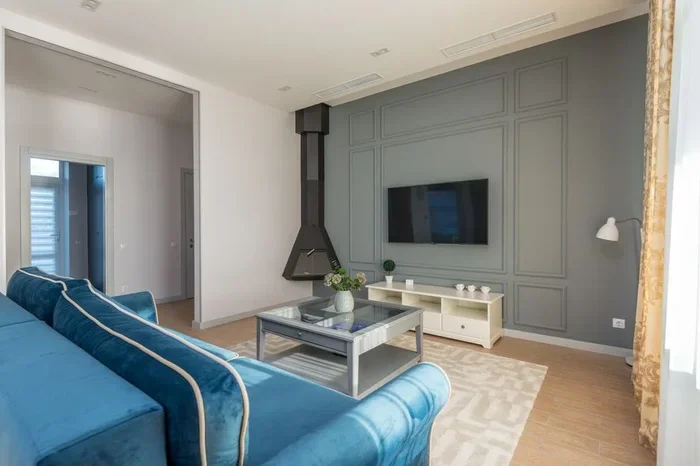
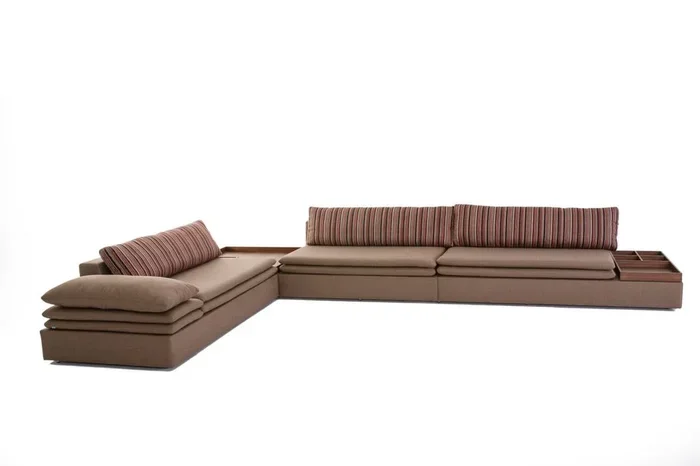
The sofa is the heart of any living room. In japandi style, you want a low, slim sofa with clean lines. Look for pieces with wooden legs and simple cushion shapes. Neutral colors like beige, soft gray, or cream work best.
A deep seat is nice for lounging, but the back should stay low. This keeps the room feeling open and airy. Linen or cotton upholstery adds that cozy hygge-inspired touch without feeling too heavy. Avoid big, boxy sofas with lots of pillows. Japandi favors restraint over excess.
Simple Wooden Coffee Tables
A japandi coffee table is usually round or oval with a natural wood finish. The shape softens the room and encourages conversation. Light woods like birch or ash keep the look fresh and airy.
Some coffee tables include hidden storage drawers. This is very practical and very japandi. The table should feel light, not bulky. If you have a small room, consider a nesting table set. These pieces tuck away when you need floor space.
Minimalist Shelving and Storage
Open shelving is a staple of japandi design. A simple wooden wall shelf can display a few books, a ceramic vase, and a small plant. The key is less is more. Do not overcrowd the shelf. Let each item have breathing room.
For hidden storage, look for media consoles with clean doors. A low wooden cabinet keeps your TV and devices out of sight. This maintains the calm, uncluttered feel that defines japandi living spaces. Curated living space storage solutions are all about what you choose to show and what you tuck away.
Accent Chairs with Purpose
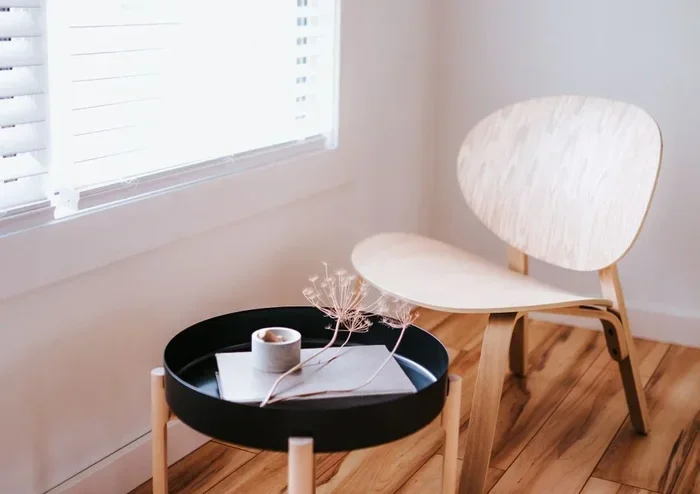
An accent chair adds a pop of interest without cluttering the room. In japandi style, look for chairs with simple wooden frames and soft cushions. A woven rattan chair or a linen-upholstered armchair fits right in.
Place the chair near a window for a cozy reading nook. Add a small side table and a warm lamp. Suddenly you have a perfect spot to relax and unwind. Earth tones like terracotta, sage green, or muted mustard work well as accent colors here.
How to Arrange Japandi Furniture for a Zen Feel
Buying the right furniture is only half the battle. How you place it in your room matters just as much. Japandi arrangement follows a few simple principles that create a sense of flow and calm.
Start with an Open Floor Plan
Japandi style loves open space. Push furniture away from the walls and create clear pathways. You do not need to push everything to the edges. Instead, float your furniture in the center of the room. This creates a cozy conversation area while keeping the space feeling free.
An open floor plan allows natural light to move around the room. It also makes the space feel larger than it is. If you live in a smaller home, this trick works wonders.
Create Zones with Purpose
Even in an open room, you can create distinct zones. A seating area for chatting, a reading corner with your accent chair, and a media area with your console. Each zone should feel connected but separate.
Use a rug to define the seating area. A simple jute or wool rug in a neutral shade works perfectly. Keep the furniture within the rug’s edges. This small trick instantly organizes the room without adding walls or barriers.
Balance Symmetry and Asymmetry
Japandi design uses both symmetry and asymmetry. A pair of matching side tables on either side of a sofa creates balance. But a single tall plant in one corner adds gentle asymmetry. This mix keeps the room feeling natural and alive.
Do not overthink the balance. Trust your eye. If something feels off, shift it a few inches. Japandi is about feeling, not rigid rules. The goal is a room that looks easy and feels peaceful.
Color Palettes and Materials That Define Japandi
Color and material choices make or break a japandi room. The palette is calm, grounded, and natural. Let us look at the colors and textures that make this style so appealing.
Neutral Tones as the Base
The foundation of japandi color is neutral. Think white, cream, soft gray, and warm beige. These colors reflect light and make rooms feel bright and calm. They also give you endless flexibility when choosing furniture and decor.
Start with a neutral wall color. A warm white or soft gray sets the perfect stage. Then build your room around that base with wooden furniture and soft textiles. Neutral tones never go out of style, and they make it easy to update your room over time.
Earth Tones for Warmth
Once you have your neutral base, add warmth with earth tones. Terracotta, warm brown, soft clay, and muted olive all work beautifully. These colors come from nature and feel instantly grounding.
Use earth tones in small doses. A terracotta pillow on a neutral sofa. A warm wooden tray on a coffee table. A clay-colored ceramic vase on a shelf. These touches add depth without overwhelming the space. Simple elegance comes from restraint, not excess.
Wood, Linen, and Stone
The three main materials in japandi design are wood, linen, and stone. Wood brings warmth and character. Linen adds softness and breathability. Stone introduces a cool, grounding element.
A wooden coffee table paired with a linen sofa and a stone accent creates a perfect trio. You can weave these materials through your room in many ways. A stone coaster on a wooden table. A linen curtain filtering light through the room. These small details tie everything together.
Common Mistakes to Avoid with Japandi Design
Even with the best intentions, it is easy to misstep with japandi style. Here are some common mistakes and how to avoid them.
Adding Too Many Decorative Items
The biggest mistake is cluttering your space. Japandi is about less, not more. If your coffee table is covered in trinkets, step back and remove half of them. Every item on display should earn its place.
Ask yourself: does this item serve a purpose or bring me joy? If the answer is no, find it a new home. A few well-chosen objects look far better than a dozen random items. Remember, zen living is about clearing mental and physical space.
Using Dark or Heavy Furniture
Japandi favors light furniture that lets the room breathe. Very dark wood or heavy, oversized pieces can make a space feel cramped and closed off. Stick with light or medium-toned wood for the best results.
If you already own a dark sofa, you can still work with japandi style. Pair it with light wood pieces and plenty of white or cream textiles. The contrast can look intentional and stylish. Just be mindful of keeping the overall feel light and airy.
Ignoring Texture and Warmth
Japandi is not cold or sterile. A common mistake is using too many smooth, hard surfaces without any soft textures. Add a wool throw, a linen cushion, or a woven basket. These touches bring the cozy warmth that makes japandi feel like home.
Texture is what separates a beautiful showroom from a livable space. Your room should invite you to sit down, relax, and stay a while. Soft textures do exactly that. They add warmth without adding visual noise.
Forgetting About Lighting
Lighting sets the mood in any room. Japandi style works best with warm, soft lighting. Harsh overhead lights can ruin the calm atmosphere. Instead, use floor lamps, table lamps, and even candles to create a gentle glow.
Paper lanterns and simple pendant lights fit the japandi aesthetic perfectly. Place lamps in corners and beside seating areas. The goal is to create pools of warm light that make the room feel cozy and welcoming, especially in the evening.
Quick Tips for Nailing the Japandi Look
- Start with a decluttered room. Remove anything you do not need or love before adding new furniture.
- Choose light wood tones. Oak, ash, and birch are your best friends in japandi design.
- Invest in quality over quantity. A few well-made pieces look better than many cheap ones.
- Add plants for life. A single potted plant or a small bonsai tree brings nature indoors.
- Stick to a simple color palette. Neutrals and earth tones create a cohesive, calming look.
- Layer textures gently. Linen, wool, and cotton add warmth without clutter.
- Leave empty space on purpose. Negative space is a core part of japandi and Japanese design philosophy.
Expert Insights on Japandi Furniture Trends
Interior designers who specialize in japandi style share a few insider tips. These insights can help you create a more authentic and polished look in your own home.
First, experts say to focus on the bones of the room. The furniture pieces that form the foundation, like your sofa and coffee table, should be the best quality you can afford. Accent pieces can be more affordable. The foundation sets the tone for everything else.
Second, do not rush the process. Japandi style is about intention. Take your time choosing each piece. Ask yourself if it fits the aesthetic and if it truly serves your needs. A room that evolves slowly often looks more authentic than one decorated in a weekend.
Finally, experts recommend bringing in elements from nature beyond just wood and stone. A small indoor garden, a bowl of smooth river stones, or a dried flower arrangement all reinforce the japandi connection to the natural world. These touches make your space feel alive and grounded.
Japandi Furniture on Any Budget
You might think japandi style requires expensive designer pieces. That is not true at all. You can achieve this look on a modest budget with a bit of creativity and patience.
Start by shopping secondhand. Thrift stores, flea markets, and online marketplaces often have simple wooden tables and chairs that fit the japandi aesthetic. A light wood table with a coat of natural finish can look like a high-end piece for a fraction of the cost.
DIY projects also work well in japandi style. A simple wooden shelf, a linen cushion cover, or a hand-thrown ceramic vase all add to the look. The beauty of japandi is that it values imperfection and handmade quality. Your DIY pieces add character and personality to the room.
If you have more to spend, invest in one statement piece like a quality low-profile sofa. Let the rest of the room build around it with simpler, more affordable pieces. This approach gives your space a polished look without breaking the bank.
Bringing It All Together
Japandi living room furniture offers a timeless approach to home design. It combines the quiet beauty of Japanese aesthetics with the cozy comfort of Scandinavian warmth. The result is a living room that feels both peaceful and welcoming.
Remember the core principles: clean lines, natural materials, neutral colors, and functional pieces. Choose furniture that breathes and leaves room for the space to feel open. Arrange your room with intention, and do not be afraid of empty space. Every element should serve a purpose and add quiet beauty to your home.
Whether you are starting from scratch or simply refreshing your current setup, japandi style is easy to adapt. Start small with a new coffee table or a few linen cushions. Build from there as your eye develops and your confidence grows. The journey to a japandi living room is just as rewarding as the destination.
Your living room should be a place of rest and renewal. With the right japandi living room furniture, it can be exactly that. Choose pieces that speak to you, keep the space uncluttered, and let the natural beauty of simple design do the talking. Your zen-inspired sanctuary is waiting.
Frequently Asked Questions
What makes japandi furniture different from Scandinavian or Japanese furniture alone?
Japandi combines the best of both worlds. Scandinavian furniture focuses on cozy comfort and function, while Japanese furniture emphasizes simplicity and empty space. Japandi merges these two styles into a balanced look that feels warm but not heavy, and simple but not cold.
What wood types work best for japandi living room furniture?
Light-toned woods like oak, ash, birch, and maple are ideal. They keep the room feeling bright and airy. You can also use walnut for a slightly warmer tone. The key is to choose wood with a natural finish that shows the grain and character of the material.
Can I mix japandi furniture with other decor styles?
Yes, japandi is quite flexible. It pairs well with modern, bohemian, and even mid-century styles. The trick is to keep the overall palette neutral and the lines clean. Start with japandi pieces as your base and add accents from other styles sparingly.
Is japandi style suitable for small living rooms?
Absolutely. Japandi works beautifully in small spaces because it values openness and simplicity. Low-profile furniture takes up less visual space, and the neutral color palette makes rooms feel larger. Focus on pieces with built-in storage to keep clutter hidden.
How do I add color to a japandi living room without breaking the style?
Stick to earth tones like terracotta, sage green, warm clay, and muted mustard. Use these colors in small accents like pillows, throws, or a single piece of art. The majority of the room should stay in neutral tones, with color used sparingly for visual interest.
What is the most important piece of furniture to start with in a japandi living room?
The sofa is usually the best place to start. Choose a low-profile sofa with clean lines and a neutral fabric like linen or cotton. From there, build around it with a simple coffee table, a wooden side table, and a few functional pieces that match the japandi aesthetic.
=== CONCLUSION ===
Japandi living room furniture gives you a simple yet powerful way to transform your home. By blending the best of Japanese calm and Scandinavian coziness, you create a space that feels both peaceful and stylish. Focus on natural materials, clean lines, and a neutral palette to build a room that truly represents the japandi spirit. Start with a few key pieces and let your room evolve naturally. The journey toward a more intentional, beautiful living space begins with the furniture you choose today.