Living Room Shelving Units That Transform Your Space
Living room shelving units are one of the easiest ways to add storage, display personality, and elevate your home’s look. Whether you prefer floating shelves, cube shelving, or a tall bookcase, the right unit can change everything. This guide covers types, styling tips, and mistakes to avoid so you can pick the perfect living room shelves for your space.
There is something magical about adding a single piece of furniture to a room and watching it completely change the feel. That is exactly what living room shelving units do. They do more than hold books and decorations. They create structure, add depth, and give your walls a purpose. If you have been staring at blank walls or cluttered surfaces, the right shelving unit might be the fix you need.
In this guide, we will walk you through everything you need to know. From the different types of living room shelves to styling tricks that make a huge difference, you will find practical advice you can use right away. We will also cover common pitfalls so you do not waste time or money on the wrong choice. By the end, you will feel confident picking the perfect display shelving for your home.
Let us get started. Your living room is about to look better than ever.
Key Takeaways
- Living room shelving units serve both storage and design purposes in any home.
- There are many types including floating shelves, cube units, and ladder shelves to fit every style.
- Choosing the right size, material, and placement matters more than most people think.
- Styling your shelves with intention creates a polished, curated look.
- Avoiding common mistakes like overcrowding keeps your space feeling open and balanced.
- Mixing materials and heights adds visual interest to any room.
- The best living room storage solutions combine function with personal expression.
📑 Table of Contents
Why Living Room Shelving Units Matter
Shelves are not just a place to stack stuff. They are a design tool that shapes how a room feels. Many homeowners underestimate the power of well-placed wall-mounted shelves or a sturdy bookcase. Here is why they matter so much.
First, they open up floor space. When you move items off the floor and onto storage shelves, the room instantly feels bigger and cleaner. This is especially helpful in smaller living rooms where every square inch counts.
Second, shelves give you a way to show off your personality. You can display photos, plants, art pieces, and books in a way that feels uniquely yours. Decorative shelving turns a generic room into a space that tells your story.
Third, they add vertical interest. The human eye naturally moves up and down when looking at a room. Tall shelving units draw the eye upward, making ceilings feel higher and the space more open.
Storage Meets Style
The best living room storage solutions do both jobs at once. You are not just hiding clutter. You are creating visual appeal. A well-styled shelf with a mix of books, plants, and objects looks intentional and inviting. It makes people feel welcome the moment they walk in.
Think of your shelves as blank canvases. You get to decide what goes on them. That is a level of creative control that very few other pieces of furniture offer.
Types of Living Room Shelving Units
Not all shelves are the same. Different styles serve different needs, and knowing your options helps you make a smarter choice. Here are the most popular types of living room shelving units you will find today.
Floating Shelves
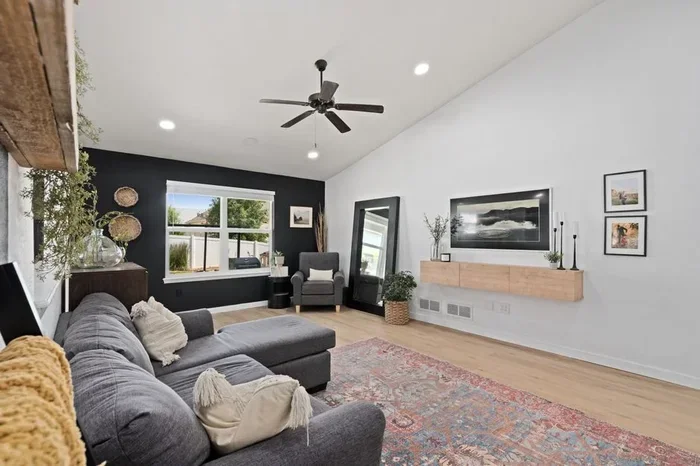
Floating shelves are mounted directly to the wall with no visible brackets. They create a clean, modern look that works beautifully in minimalist shelving setups. These are perfect for lightweight items like small plants, framed photos, or a few favorite books.
Because they sit flat against the wall, they take up almost no visual space. This makes them ideal for smaller rooms where you want to keep things feeling airy.
Cube Shelving Units
Cube shelving features a grid of square or rectangular compartments. These are incredibly versatile. You can use them with or without baskets, add decorative boxes, or display items openly. They are a favorite for modern shelving setups because they look sleek and organized.
One big advantage of cube units is flexibility. You can rearrange the cubes, add new ones, or mix in storage baskets as your needs change.
Ladder Shelves
Ladder shelves lean against the wall and get narrower toward the top. They have a rustic, casual charm that adds warmth to any room. These are great for wooden shelves lovers who want a natural, cozy feel.
Ladder shelves work best in living rooms with a farmhouse or boho style. They give a relaxed, effortless vibe that is hard to achieve with other furniture pieces.
Tall Bookcases
A classic bookcase never goes out of style. Tall shelving units reach close to the ceiling and offer maximum storage. They are perfect for people who have a lot of books, binders, or items that need to be stored out of sight.
Look for bookcases with adjustable shelves so you can customize the space to fit different-sized items. Some even come with cabinet doors for a cleaner look.
Corner Shelves
Do not ignore your corners. Corner shelves make use of dead space that usually goes to waste. They are compact, practical, and a great way to add extra display shelving without taking up valuable floor area.
Corner shelves come in many shapes, from simple triangular steps to curved designs. They work well in any room size and can hold plants, small decor items, or candles.
How to Choose the Right Living Room Shelving Unit
With so many options out there, picking the right one can feel overwhelming. But it does not have to be. A few simple questions will guide you to the right choice.
Start by measuring your space. Know exactly how much wall or floor area you have available. This prevents the common mistake of buying something too big or too small. Write down your measurements before you start shopping.
Next, think about what you need to store. Are you mainly displaying decorative items? Do you need to hide clutter behind cabinet doors? Or are you looking for a mix of both? Your answer will help you decide between open shelving and closed storage options.
Consider the material too. Wooden shelves bring warmth and texture. Metal and glass units feel more modern and industrial. MDF and laminate options are budget-friendly and come in many finishes. Match the material to your existing furniture for a cohesive look.
Matching Your Room Style
Your living room shelving units should complement your overall decor. Here is a quick guide to help you match.
- Modern rooms: Go for clean lines, white or black finishes, and cube or floating shelves.
- Traditional rooms: Choose solid wood bookcases with detailed molding and cabinet doors.
- Bohemian rooms: Try ladder shelves, woven baskets, and mixed natural materials.
- Minimalist rooms: Stick with floating shelves in neutral tones and keep styling simple.
- Rustic rooms: Reclaimed wood shelves, ladder styles, and open displays work best.
Size and Scale Considerations
A common mistake is choosing a shelf unit that does not fit the wall properly. A tiny shelf on a large wall looks lost. A massive unit on a small wall makes the room feel cramped.
As a general rule, your shelving unit should take up about 60 to 70 percent of the available wall space. This leaves enough breathing room and keeps the balance right. Also pay attention to height. Shelves at eye level or slightly above work best for display items.
Styling Tips That Make a Big Difference
Once you have your living room shelves in place, the fun part begins. How you style them makes all the difference between a room that looks cluttered and one that looks curated. Here are tips that actually work.
Start with a base layer of books. Stack them both horizontally and vertically to create a foundation. Books add height, texture, and a sense of structure. They are the backbone of almost every great shelf design.
Add height with plants or tall objects. A potted plant or a tall candle holder draws the eye up and breaks up the horizontal lines of books. This creates a more dynamic and interesting look.
Use trays to group small items together. A decorative tray corrals candles, small frames, and objects so they look intentional rather than scattered. This is one of the easiest styling tricks for a polished appearance.
Mix textures and materials. Combine wood, metal, ceramic, and fabric items for a rich, layered feel. A woven basket next to a ceramic vase next to a metal candle creates visual depth that keeps the eye moving.
The Rule of Three
Group items in odd numbers, especially threes. Three candles, three small frames, or a stack of three books looks more natural and pleasing than even numbers. This is a simple trick from interior design that makes a noticeable impact.
Leave Some Empty Space
Resist the urge to fill every inch. Empty space on shelves gives the eye a place to rest. It makes the whole display feel more relaxed and elegant. A good rule is to keep about 30 to 40 percent of each shelf empty.
Common Mistakes People Make with Living Room Shelving Units
Even with the best intentions, it is easy to make mistakes when setting up living room shelving units. Here are the ones to watch out for.
Overcrowding is the number one mistake. When you pack too many items onto every shelf, the result feels chaotic and heavy. Give each item room to breathe. Less is almost always more when it comes to shelf styling.
Ignoring wall color and paint. Your shelves should complement the wall behind them, not clash with it. If your walls are bold or dark, consider lighter-toned shelves to keep things balanced.
Skipping wall anchors. This is a safety issue, not just a style issue. Heavy shelving units need proper wall anchors to stay secure. Always follow the installation instructions and use the right hardware for your wall type.
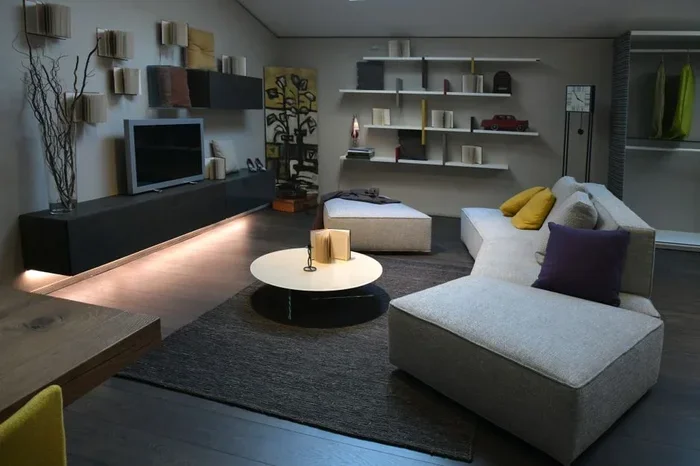
Forgetting about lighting. Adding a small LED strip or a clip-on light above or below your shelves can completely transform the look. It highlights your displayed items and creates a warm, inviting glow in the evening.
Quick Tips to Avoid Mistakes
- Measure your wall twice before buying any shelf unit.
- Start with fewer items and add gradually as you see what works.
- Use a level when mounting floating or wall-mounted shelves.
- Rotate your displayed items seasonally to keep the room fresh.
- Use shelf liners to protect surfaces and add a pop of color.
Best Living Room Shelving Units to Consider
If you are ready to shop, here are some standout options in different categories. These living room shelving units have earned strong reviews and offer great value.
| Type | Best For | Material | Price Range |
|---|---|---|---|
| Floating Shelves | Small spaces, minimalist look | Wood, MDF | $15 – $50 |
| Cube Shelving | Versatile storage and display | Particleboard, wood | $40 – $150 |
| Ladder Shelves | Rustic or boho decor | Wood, metal | $30 – $100 |
| Tall Bookcase | Maximum storage | Solid wood, MDF | $100 – $400 |
| Corner Shelves | Filling unused space | Wood, metal | $10 – $60 |
When choosing, read reviews carefully and check the weight capacity. A shelf that looks beautiful but cannot hold your items safely is not worth the money. Look for units with solid construction and positive feedback on durability.
Budget-Friendly Picks
You do not need to spend a fortune to get great living room shelves. Many affordable options look just as good as expensive ones. IKEA, Target, and Walmart all carry well-designed units at reasonable prices. The key is to focus on clean lines and neutral colors that will stay stylish for years.
Investment Pieces
If you want something that lasts decades, invest in solid wood or high-quality engineered wood. These pieces hold up better over time and often look better as they age. A well-made bookcase or solid wood shelf unit can become a family heirloom.
Final Thoughts
Living room shelving units are one of the most impactful and affordable ways to upgrade your home. They add storage, showcase your personality, and make your room feel more put-together. Whether you choose floating shelves, a tall bookcase, or a trendy cube unit, the right choice will make a real difference in how your space feels and functions.
Remember to measure your space, match the style to your room, and style with intention. Avoid the temptation to overcrowd, and leave some breathing room on every shelf. With these tips, your living room storage solutions will look fantastic and serve you well for years to come.
Start small if you are not sure where to begin. Add a single set of wall-mounted shelves or a modest cube unit and build from there. Your living room has so much potential, and the right shelving unit is the key to unlocking it.
Frequently Asked Questions
What is the best type of living room shelving unit for small spaces?
Floating shelves and corner shelves are the best options for small living rooms. They take up minimal floor space while still providing useful storage and display areas. You can also try tall, narrow units that reach up to the ceiling to maximize vertical space.
How do I style a living room bookshelf so it looks good?
Start with a mix of books stacked both horizontally and vertically. Add plants, decorative objects, and trays to create layers. Use the rule of three for grouping items and leave about 30 to 40 percent of each shelf empty for a clean, curated look.
Can I install floating shelves on any type of wall?
Most walls can support floating shelves, but the installation method depends on the wall material. Drywall needs anchors or a stud finder for heavier loads. Brick or concrete walls require different hardware. Always check the weight capacity and use the right wall anchors for your specific wall type.
How much do living room shelving units cost?
Prices vary widely based on size, material, and brand. Basic floating shelves can start around $15, while cube units range from $40 to $150. High-quality wooden bookcases can go from $100 to $400 or more. You can find great options at every budget level.
What materials are best for living room shelves?
Solid wood offers durability and a timeless look. Engineered wood like MDF is budget-friendly and comes in many finishes. Metal and glass shelves work well for modern or industrial styles. Choose based on your room’s style, your budget, and how much weight the shelves need to hold.
How do I keep my living room shelves looking organized over time?
Rotate displayed items seasonally to keep things fresh. Use storage baskets or boxes on lower shelves to hide clutter. Limit the number of items on each shelf and resist adding new pieces until something else comes off. A little regular maintenance goes a long way in keeping your shelves looking their best.
=== CONCLUSION ===
Living room shelving units are more than just furniture. They are a way to express your style, organize your space, and make your room feel complete. From floating shelves to tall bookcases, the options are endless and there is something for every taste and budget.
Take your time choosing the right unit. Consider your space, your style, and your storage needs. Then style your shelves with care and enjoy the transformation. Your living room is waiting to be refreshed, and the right shelving unit is the perfect place to start.