How to Arrange Living Room Seating for Maximum Comfort
Arranging your living room seating the right way can completely transform how your space feels and functions. This guide covers practical living room seating arrangements that boost comfort and style. You will learn how to pick the best furniture layout, avoid common setup mistakes, and create a cozy conversation area that works for any room size.
Your living room is the heart of your home. It is where you relax, entertain guests, and spend time with family. But the way you set up your space can make or break how comfortable it truly feels. Living room seating arrangements play a huge role in this. A well-planned layout invites conversation, improves traffic flow, and makes the room feel open and welcoming. On the other hand, a poorly arranged room can feel cramped, awkward, and unwelcoming.
Whether you are working with a small apartment or a large open-plan space, the right setup matters a lot. This guide walks you through everything you need to know about living room seating arrangements. You will learn how to choose the best layout, pick the right furniture, and avoid mistakes that trip up even experienced decorators. Let us dive in.
Key Takeaways
- Start with a focal point: Your seating should always face the main visual anchor in the room, whether it is a TV, fireplace, or window view.
- Choose the right layout for your room shape: Rectangular, square, and open-concept rooms each need different seating arrangement ideas to maximize space and flow.
- Mix seating options for versatility: Combining a sectional sofa, accent chairs, and an ottoman creates a flexible comfort seating setup that adapts to any occasion.
- Prioritize traffic flow: Leave enough space between furniture pieces so people can move around easily without bumping into anything.
- Use rugs and throw pillows to define zones: These simple touches help anchor your seating cluster and add warmth to the overall living room design.
- Avoid pushing all furniture against the walls: Pulling pieces slightly inward creates a more intimate and inviting atmosphere.
📑 Table of Contents
Why Living Room Seating Arrangements Matter
The way you place your furniture affects more than just how the room looks. It shapes how you use the space every single day. Good living room design starts with a thoughtful seating plan. When you get it right, the room feels balanced, functional, and easy to move through.
Here is why living room seating arrangements deserve your attention:
- Comfort: The right setup lets everyone sit comfortably and enjoy the room.
- Conversation: A well-planned conversation area encourages people to talk and connect.
- Space efficiency: Smart layouts make even small rooms feel spacious and uncluttered.
- Style: A cohesive arrangement ties your living room furniture together and boosts the room’s visual appeal.
- Function: Your layout should support how you actually use the room, whether for movie nights, reading, or hosting friends.
Before you move any furniture, take a moment to think about what you want from the room. Do you watch a lot of TV? Do you host dinner parties? Do you need a quiet reading nook? Your answers will guide your room layout and help you choose the best seating arrangement ideas for your home.
How to Choose the Right Seating Layout
Choosing a layout is the most important step in arranging your living room. There is no one-size-fits-all answer. The best layout depends on your room size, shape, and lifestyle. Let us explore the most popular options for living room seating arrangements.
The L-Shaped Layout
An L-shaped layout uses a sectional sofa that wraps around a corner. This setup works beautifully in both rectangular and square rooms. It creates a natural seating cluster that draws people together. The long side of the L usually faces the main focal point, like a television or fireplace.
This layout is one of the most popular seating arrangement ideas because it offers plenty of seats without taking up too much floor space. It also defines the seating area clearly, which helps with traffic flow.
The U-Shaped Layout
A U-shaped layout wraps seating around three sides of a room. It is perfect for large living rooms where you want to encourage group conversation. You can use a combination of a sectional sofa, two accent chairs, and a coffee table to create this setup.
The downside is that a U-shape can feel closed off in smaller rooms. If your room is under 250 square feet, consider a more open layout instead. Living room seating arrangements should always match the size of your space.
The Symmetrical Layout
A symmetrical layout places matching furniture on either side of a central point. This creates a balanced, formal look that works well in traditional living room design styles. You might place two identical accent chairs on each side of a fireplace or a pair of sofas facing each other.
This setup feels elegant and orderly. It also makes coffee table placement simple because the center is already defined. However, it can feel stiff if you do not add casual elements like throw pillows or a soft rug placement to warm things up.
The Open Layout
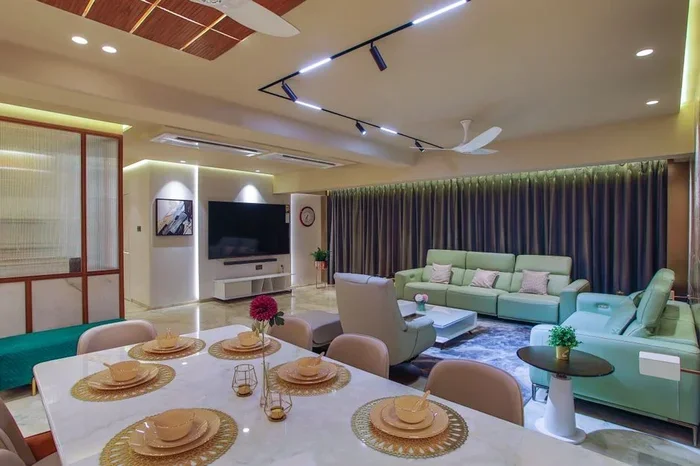
An open layout works best in open-concept homes where the living room flows into a dining area or kitchen. Instead of pushing all living room furniture against the walls, you float pieces in the center of the room. This creates distinct zones without closing off space.
Use a low-profile sectional sofa or a pair of loveseats to keep sight lines open. An ottoman can serve as a flexible seat or a footrest without blocking pathways. This is one of the most versatile living room seating arrangements for modern homes.
Best Living Room Seating Arrangements by Room Shape
Room shape plays a big role in determining the best layout. Let us look at how to arrange seating for different room shapes.
| Room Shape | Best Layout | Key Tip |
|---|---|---|
| Rectangular | L-shaped or symmetrical | Place the long side of furniture along the longer wall |
| Square | U-shaped or conversational grouping | Anchor seating around the center of the room |
| Open-concept | Floating or zone-based layout | Use a rug to define the seating area |
| Small or narrow | Two-facing chairs with a loveseat | Keep all pieces away from the walls |
| Large or expansive | Multiple seating clusters | Create conversation zones for different activities |
These seating arrangement ideas give you a solid starting point. But every room is unique, so feel free to mix and match approaches. The goal is to find a room layout that feels natural and comfortable for you and your household.
Tips for Maximum Comfort in Your Seating Setup
Comfort goes beyond just picking a soft sofa. How you arrange your furniture has a huge impact on how relaxing the room feels. Here are some practical tips to make your living room seating arrangements as comfortable as possible.
Anchor the Room with a Focal Point
Every room needs a focal point. This is the first thing people see when they enter the room. It could be a fireplace, a large window, a television, or even a piece of art on the wall. Your seating should face this focal point. When everyone can see and enjoy it, the room instantly feels more organized and intentional.
For living room seating arrangements, the focal point determines where your sofa and main chairs go. If the TV is your focal point, position the sofa directly facing it. If you have a fireplace, angle your seating to face it. This simple step makes a big difference in how the room functions.
Get the Coffee Table Placement Right
A coffee table is the centerpiece of any seating area. It should be close enough to reach from every seat but far enough to allow easy movement. A good rule of thumb is to leave about 16 to 18 inches between the sofa and the coffee table. This gives people room to pull their chairs out comfortably.
For comfort seating, consider an ottoman instead of a traditional table. An ottoman takes up less space and can be moved around easily. You can also use a nesting table set that tucks away when you need extra floor space.
Layer Your Textures and Textiles
Throw pillows and blankets add both comfort and style to your seating area. Mix different sizes, textures, and patterns to create visual interest. A soft rug placement under the seating cluster also adds warmth and helps define the area within the larger room layout.
Do not be afraid to experiment with colors. Throw pillows are an easy and affordable way to refresh your living room design without buying new furniture. Just make sure the colors and patterns work well together so the room looks cohesive rather than chaotic.
Consider the Entertainment Center Placement
If your TV or entertainment center is a key part of the room, plan your living room seating arrangements around it. The screen should be at eye level when seated. Avoid placing the TV too high or too low, as this causes neck strain over time.
Also, think about wiring and cable management. A clean setup with hidden cords makes the room feel more organized and reduces visual clutter. Your entertainment center should support the layout, not dictate it.
Create Multiple Seating Zones if Needed
In larger rooms, a single seating group can leave parts of the room feeling empty. Instead, create two or more seating clusters. One zone can face the TV for movie nights, while another faces a window for quiet reading. Each zone should have its own coffee table or ottoman and a defined rug underneath.
This approach to living room seating arrangements makes large rooms feel purposeful and inviting. It also gives your family and guests more options for how to use the space.
Quick Tips for Better Comfort
- Place a floor lamp near seating areas for soft, adjustable lighting.
- Add a rug placement that is large enough to fit all legs of the seating furniture on top of it.
- Use accent chairs with armrests for extra support and comfort.
- Leave at least 30 inches of walking space between furniture pieces for smooth traffic flow.
- Rotate throw pillows and blankets seasonally to keep the room feeling fresh.
Common Mistakes to Avoid in Living Room Layout
Even with the best intentions, it is easy to make mistakes when setting up living room seating arrangements. Here are the most common ones and how to avoid them.
Pushing All Furniture Against the Walls
This is the number one mistake people make. When you push everything flat against the walls, the room feels hollow and disconnected. Pulling your sofa and chairs slightly inward creates a more intimate conversation area and makes the space feel cozier. It also gives you room to add a coffee table or an ottoman in the center.
Ignoring Traffic Flow
You should be able to walk through the room without squeezing past furniture. Leave at least 30 to 36 inches of clear path between pieces. This traffic flow is essential for comfort, especially in a busy household where people move around constantly. Poor flow makes the room feel cramped and frustrating to use.
Choosing Style Over Comfort
It is tempting to pick furniture that looks great but is not comfortable. A sleek leather sofa might look stunning, but if it is too firm or too small, no one will want to sit in it. Always test furniture before you buy it. Comfort should never be sacrificed for style in living room seating arrangements.
Using Too Much or Too Little Furniture
Overcrowding a room with too much living room furniture makes it feel chaotic. Using too little leaves the space feeling empty and cold. Find the right balance for your room size. A floor plan drawn on paper before you buy anything can help you visualize the setup and avoid both problems.
Forgetting About Lighting
Good lighting enhances any living room design. Relying on a single overhead light creates harsh shadows and an uninviting atmosphere. Layer your lighting with floor lamps, table lamps, and even string lights. This adds warmth and makes your seating area feel welcoming at any time of day.
Expert Insights on Living Room Seating Arrangements
Interior designers agree on a few key principles when it comes to living room seating arrangements. First, always start with the largest piece of furniture, usually the sofa, and build around it. Second, make sure every seat has a clear view of the focal point. Third, use rugs and lighting to tie the seating area together visually.
One expert tip is to measure your room before shopping for furniture. A floor plan helps you see what fits and what does not. It also prevents the costly mistake of buying pieces that are too large or too small for the space. Many people also overlook the importance of scale. A massive sectional sofa in a tiny room will dominate the space and make it feel even smaller.
Another valuable insight is to think about how you actually live in the room. If you have kids or pets, choose durable fabrics and avoid fragile accent chairs in high-traffic areas. If you love hosting, prioritize a large coffee table and extra seating options like benches or folding chairs that you can pull out when needed.
The best living room seating arrangements are the ones that reflect your real life. Do not just copy a magazine layout. Adapt ideas to fit your needs, your family, and your daily routines. That is what makes a room truly comfortable and functional.
Conclusion
Arranging your living room seating does not have to be overwhelming. With the right approach, you can create a space that is comfortable, stylish, and perfectly suited to your lifestyle. Start by identifying your focal point, choosing a layout that matches your room shape, and mixing different seating options for flexibility.
Pay attention to traffic flow, coffee table placement, and lighting. Avoid the common mistakes that make rooms feel cramped or cold. And most importantly, make choices that reflect how you actually live. Living room seating arrangements are not about following rules, they are about creating a space where you and your loved ones feel at home.
Take what you have learned from this guide and start experimenting with your own setup. Rearrange a few pieces, add some throw pillows, and see how the room transforms. Small changes can lead to big improvements in comfort and style. Your perfect living room is closer than you think.
Frequently Asked Questions
What is the best seating arrangement for a small living room?
For a small living room, choose a compact sectional sofa or a pair of facing chairs with a loveseat. Pull furniture slightly away from the walls to create a more intimate feel. Use a rug placement to define the seating area and keep traffic flow open by leaving at least 30 inches between pieces.
How far should seating be from the TV?
The general rule is to sit about 1.5 to 2.5 times the diagonal screen size away from the TV. For most living rooms, this means 6 to 10 feet from a 55-inch screen. Make sure the screen is at eye level when seated for the most comfortable comfort seating experience.
Should all furniture face the same direction?
Not necessarily. While facing seating toward a focal point like a TV or fireplace works well, you can also create conversation areas where chairs face each other. This encourages interaction and works especially well in open-concept spaces with multiple seating clusters.
How do I create a conversation area in my living room?
Place chairs and a sofa close enough to talk comfortably, ideally within 8 feet of each other. Add a coffee table or ottoman in the center. Use a rug placement underneath to anchor the group visually. Throw pillows and soft lighting help make the area feel inviting.
What type of seating is most comfortable for long periods?
Deep-seat sofas with high-quality cushions offer the best comfort for extended sitting. Accent chairs with armrests provide great support for reading or relaxing. An ottoman or sectional sofa with a chaise section is ideal for stretching out. Always test furniture in person before buying.
Can I mix different seating styles in my living room?
Absolutely. Mixing a sectional sofa with accent chairs of different styles adds personality and depth to the room. Just keep a consistent color palette or material theme to tie everything together. This approach works well for eclectic and modern living room design styles.