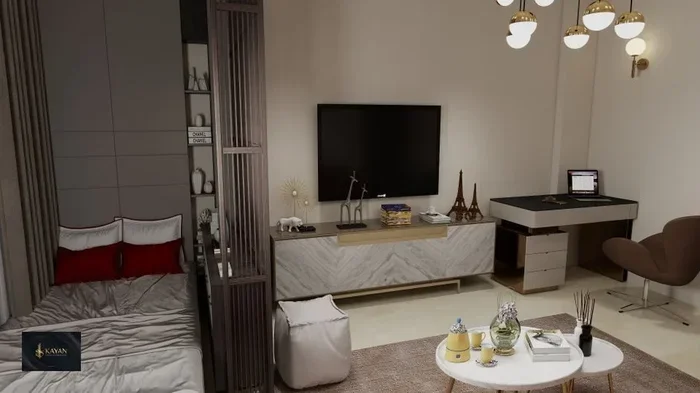
Living Room Furniture for Small Spaces That Actually Works
Choosing living room furniture for small spaces doesn’t have to be stressful. The right pieces can make a tiny room feel open, stylish, and fully functional. From multifunctional sofas to wall-mounted shelves, smart furniture choices transform cramped apartments into comfortable homes. You’ll learn proven strategies, top product types, and practical tips that real homeowners swear by.
Living in a small apartment doesn’t mean you have to sacrifice style or comfort. The truth is, picking the right living room furniture for small spaces can completely change how your room feels. When you choose smart pieces, even a 400-square-foot apartment can look and feel spacious, welcoming, and put-together.
Many people struggle with this. They buy furniture that looks great in a showroom but overwhelms their actual living room. The result? A cramped, cluttered space that feels smaller than it is. But it doesn’t have to be this way. With the right approach to small space furniture and a few clever design strategies, you can create a cozy living room that works beautifully for your lifestyle.
This guide covers everything you need to know. We’ll walk through the best furniture types, common mistakes to avoid, and practical tips that make a real difference. Whether you’re furnishing your first apartment or redesigning a compact living room, you’ll find actionable advice here.
Key Takeaways
- Multifunctional pieces are essential: Items like sofa beds and storage ottomans save space while adding value to your small living room.
- Scale matters more than style: Choosing furniture with the right dimensions prevents overcrowding and improves flow.
- Light colors and vertical storage create the illusion of space: Smart design tricks make small rooms feel bigger.
- Nesting tables and foldable furniture offer flexibility: You can expand when needed and store away when you don’t.
- Wall-mounted and floating furniture frees up floor space: This simple change opens up your living room significantly.
- Strategic placement changes everything: Arranging furniture thoughtfully maximizes every square foot.
- Budget-friendly options exist: You don’t need to spend a fortune to furnish a small living room well.
📑 Table of Contents
- Why Small Living Rooms Need Smart Furniture Choices
- Best Furniture Pieces for Small Living Rooms
- Furniture Arrangement Tips for Small Spaces
- Common Mistakes People Make with Small Living Room Furniture
- Budget-Friendly Ways to Furnish a Small Living Room
- Expert Tips for Making Small Living Rooms Feel Bigger
- Final Thoughts on Choosing Living Room Furniture for Small Spaces
Why Small Living Rooms Need Smart Furniture Choices
Small living rooms come with unique challenges. Every piece of furniture competes for limited floor space. Poor choices lead to congestion, blocked walkways, and a feeling of confinement. On the other hand, well-chosen compact furniture opens up a room and makes it feel airy and comfortable.
The key is understanding that furniture scale matters more in small rooms than in large ones. A oversized sectional sofa might look luxurious in a big show home, but it can dominate a tiny living room. You need pieces that fit your space proportionally while still meeting your needs.
The Problem with Standard-Sized Furniture
Most furniture is designed for average-sized living rooms. When you place standard furniture in a small space, several problems arise. Pieces block natural light, narrow pathways, and make the room feel closed-in. This is why space-saving furniture has become so popular in urban homes and apartments.
Small living room ideas often focus on furniture that does double duty. A coffee table that also stores blankets, a sofa that converts into a bed, or wall shelves that replace bulky bookcases. These choices free up floor area and keep the room feeling open.
Best Furniture Pieces for Small Living Rooms
Not all furniture works equally well in tight spaces. Some pieces are specifically designed to maximize function while minimizing footprint. Here are the top categories of living room furniture for small spaces that actually deliver results.
Multifunctional Sofas and Seating
Your sofa is usually the largest piece in the living room. That makes it the most important choice for small spaces. A compact sofa with clean lines keeps the room feeling open. Look for seats that are around 65 to 75 inches wide rather than oversized models that stretch eight feet or more.
Sofa beds are a fantastic option if you host guests often. Modern sofa beds have come a long way. They now offer comfortable mattresses and easy conversion mechanisms. You get a seating area during the day and a guest bed at night without taking up extra room.
Another great choice is a storage sofa. These models include hidden compartments under the seats or in the arms. You can store blankets, pillows, remotes, and even books inside the sofa itself. This cuts down on clutter and removes the need for extra storage furniture.
Ottomans and Storage Footstools
An ottoman is one of the most versatile pieces of small space furniture you can own. It serves as a coffee table, extra seating, a footrest, and storage all in one. Best of all, many ottomans are lightweight and easy to move around whenever you need to rearrange your living room layout.
Look for ottomans with lift-off tops or hollow interiors. These storage ottomans let you tuck away items quickly. You can also choose nesting versions that tuck under a sofa or coffee table when not in use.
Nesting Tables and Foldable Surfaces
Traditional coffee tables take up permanent floor space. Nesting tables solve this problem beautifully. These are a set of two or three tables that slide together when you need them and spread apart when you want more surface area.
When guests come over, you pull them apart and place them around the room. When you don’t need them, you nest them together in one corner. This flexibility is perfect for apartment furniture setups where every inch counts.
Foldable side tables work the same way. You can mount them on the wall or fold them down from a cabinet. They provide a surface for drinks, lamps, or decor without permanently occupying precious floor space.
Wall-Mounted Shelves and Floating Cabinets
Floor-standing bookshelves and cabinets consume valuable square footage. Wall-mounted furniture solves this by moving storage upward. Floating shelves, wall cabinets, and mounted consoles keep the floor clear and create a sense of height in the room.
This is one of the simplest small living room ideas that makes the biggest impact. When you free up floor space, the room instantly feels larger. You also gain valuable storage without adding bulk to the room’s footprint.
Furniture Arrangement Tips for Small Spaces
Even the best living room furniture for small spaces won’t work well if you arrange it poorly. How you place your pieces determines how the room flows and how spacious it feels. A few simple arrangement rules can transform a cramped room into a comfortable, functional space.
Start with the Focal Point
Every living room has a focal point. It might be a fireplace, a television, a large window, or a piece of artwork. Arrange your seating to face this focal point. This creates a natural layout that feels intentional and organized.
For small rooms, keep all seating within a conversational distance. Sofas and chairs should face each other, not sit in isolated corners. This arrangement makes the room feel connected and purposeful.
Use Light Colors and Reflective Surfaces
Color plays a huge role in how spacious a room feels. Light-colored furniture in whites, soft grays, and pastels reflects light and makes walls seem farther away. Dark furniture absorbs light and can make a small room feel even smaller.
Pair light furniture with mirrors to amplify the effect. A large mirror on the wall bounces light around the room and creates a sense of depth. This is a classic small space design trick that interior designers use all the time.
Create Zones Instead of Blocking Space
In a small living room, try creating zones rather than pushing all furniture against the walls. A rug can define a seating area without walls or dividers. A bookshelf placed at an angle can separate the living area from a dining nook.
This approach works especially well in open-plan apartments where the living room flows into other areas. Zone-based layout gives each area its own identity while keeping the overall space feeling open and connected.
Common Mistakes People Make with Small Living Room Furniture
Avoiding mistakes saves you time, money, and frustration. Many people make the same errors when furnishing a small living room. Here are the most common ones and how to avoid them.
Buying Furniture That’s Too Large
This is the number one mistake. People fall in love with a beautiful sofa or dining table that simply doesn’t fit their room. Before you buy anything, measure your space carefully. Leave at least 30 inches of clearance around walkways and between furniture pieces.
A good rule of thumb is to choose furniture that fits about two-thirds of the wall or floor space. This leaves breathing room and prevents the space from feeling crowded. Always bring a tape measure and a floor plan sketch when you shop for living room furniture for small spaces.
Ignoring Vertical Space
When floor space is limited, the answer is to look up. Many people only think about furniture that sits on the floor. They forget about tall cabinets, wall shelves, and hanging storage solutions.
Using vertical space is one of the easiest ways to add storage without sacrificing floor area. Install shelves above doorways, use tall narrow cabinets, or add a wall-mounted desk. These strategies make a huge difference in how functional your room feels.
Choosing Furniture with Exposed Legs or Heavy Bases
Furniture with exposed legs actually works well in small rooms because you can see the floor underneath. This creates a lighter, airier feel. Heavy, solid-base furniture, on the other hand, blocks sightlines and makes the room feel denser.
However, there’s a balance. Choose pieces with slim, tapered legs rather than bulky ones. Furniture with a light visual footprint keeps the room feeling open and uncluttered.
Budget-Friendly Ways to Furnish a Small Living Room
You don’t need a big budget to furnish a small living room beautifully. Some of the best space-saving furniture options are affordable and easy to find. Here’s how to furnish your space without breaking the bank.
Shop Secondhand and Thrift
Thrift stores, garage sales, and online marketplaces are goldmines for affordable furniture. Small pieces like side tables, stools, and shelving units are easy to find at a fraction of retail prices. A fresh coat of paint can transform a dated piece into something modern and stylish.
DIY and Upcycle
If you enjoy hands-on projects, consider building or upcycling furniture. A simple wooden crate can become a coffee table with the addition of casters. A vintage suitcase stacked on its side becomes a charming side table. These projects save money and add unique character to your cozy living room.
Focus on Essentials First
You don’t need to furnish everything at once. Start with the essentials: a comfortable sofa, a coffee table or ottoman, and a TV stand or media console. Add side tables, lamps, and decor pieces over time as your budget allows. This approach keeps your spending manageable and your room from feeling cluttered.
Expert Tips for Making Small Living Rooms Feel Bigger
Interior designers use specific techniques to make small rooms appear larger. You can apply these same small space design principles to your own living room. Here are expert-backed tips that really work.
Keep sightlines open
Avoid blocking windows or doorways with furniture. When you can see through the room, it feels larger. Place low-profile furniture near windows so light can flow freely. This simple change makes a dramatic difference in how spacious your room feels.
Use furniture with exposed legs
We mentioned this briefly, but it deserves emphasis. Furniture that “floats” above the floor, with visible legs underneath, creates a sense of lightness. The floor shows through, which tricks the eye into perceiving more space. This is a favorite trick among designers working with tiny living room layouts.
Stick to a cohesive color palette
Too many colors and patterns make a small room feel chaotic. Choose a consistent color scheme for your furniture and decor. Neutral tones work best for small living room ideas because they create a calm, unified look that expands the visual space.
Add furniture gradually
Resist the urge to buy everything at once. Add one piece at a time and live with it for a few days. This helps you understand how the furniture affects the room’s flow. Over time, you’ll build a living room layout that feels balanced, comfortable, and perfectly suited to your space.
Final Thoughts on Choosing Living Room Furniture for Small Spaces
Furnishing a small living room is all about making smart, intentional choices. The best living room furniture for small spaces combines function, scale, and style in equal measure. When you prioritize multifunctional pieces, keep furniture proportions in check, and arrange your layout thoughtfully, even the tiniest room can feel comfortable and stylish.
Remember that every small decision adds up. From choosing a storage ottoman over a standard one to mounting shelves instead of placing bookcases on the floor, each choice shapes how your room feels. Start with the essentials, add pieces gradually, and trust your instincts. Your small living room has the potential to be one of the most inviting spaces in your home.
The journey to a well-furnished small living room doesn’t happen overnight. Take your time, enjoy the process, and celebrate each addition that makes your space more functional and beautiful. With the right approach, your compact living room will surprise you with how much comfort and style it can hold.
Frequently Asked Questions
What is the best furniture for a small living room?
The best furniture for a small living room includes multifunctional pieces like sofa beds, storage ottomans, nesting tables, and wall-mounted shelves. These items maximize function while minimizing the space they take up on your floor.
How do I arrange furniture in a small living room?
Start by identifying your room’s focal point, then arrange seating to face it. Keep walkways clear with at least 30 inches of space. Use lighter-colored furniture and avoid blocking windows or doors to maintain an open feel.
What colors make a small living room look bigger?
Light colors like white, soft gray, and pastels make a small room feel larger. These shades reflect natural light and create an airy atmosphere. Pair them with mirrors and minimalist furniture for the best visual effect.
Can I use a large sectional in a small living room?
It’s generally not recommended. Large sectionals overwhelm small rooms and block pathways. Instead, choose a compact sofa or a modular set that fits your space proportionally without dominating the room.
How can I add storage without taking up floor space?
Use vertical storage solutions like wall-mounted shelves, floating cabinets, and tall narrow bookcases. Storage ottomans and sofa beds also add hidden storage without extra floor footprint.
Is multifunctional furniture worth the investment?
Absolutely. Multifunctional furniture like sofa beds, nesting tables, and storage benches serves multiple purposes and saves valuable space. For small apartments and compact living rooms, these pieces are often the smartest investment you can make.
=== CONCLUSION ===
Choosing the right living room furniture for small spaces comes down to understanding your room’s dimensions, your lifestyle needs, and smart design principles. By selecting compact furniture that does more with less, arranging pieces thoughtfully, and avoiding common mistakes, you can turn even the smallest living room into a comfortable and stylish retreat. Start with the essentials, build gradually, and enjoy the process of creating a space that truly works for you.