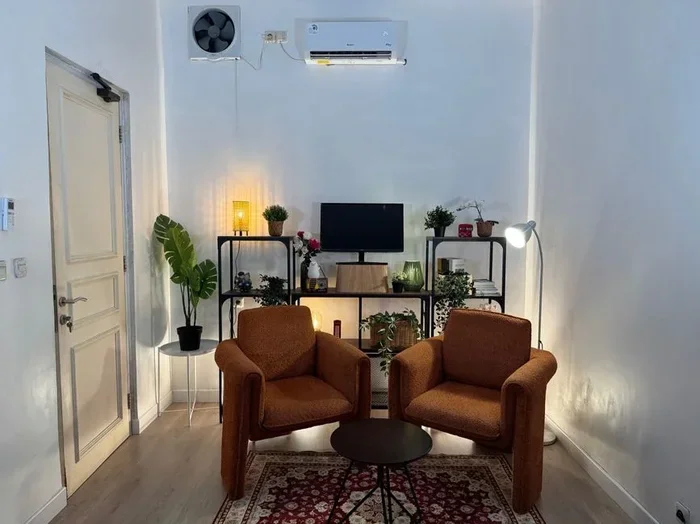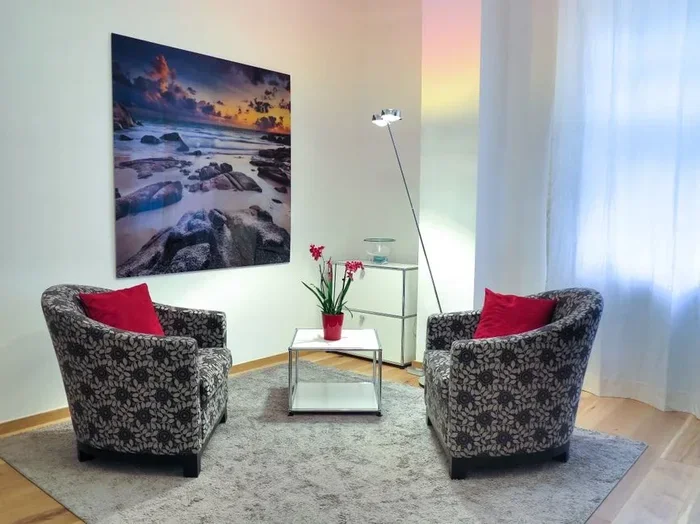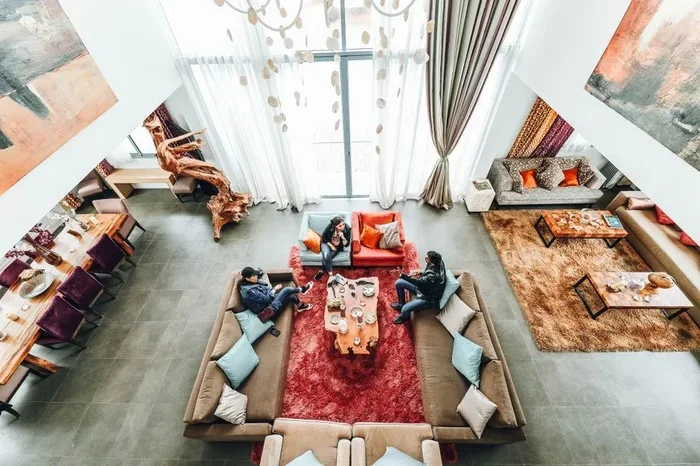
Living Room Console Cabinet Ideas You Need to Explore
A living room console cabinet is a versatile piece of furniture that adds both style and storage to any home. Whether you have a small apartment or a large open-plan space, the right console cabinet can transform your room. In this guide, you will find the best styles, placement ideas, and styling tips to make your space shine.
A living room console cabinet is one of the most underrated pieces of furniture you can add to your home. It sits against a wall, holds your stuff, and looks great doing it. But choosing the right one can feel overwhelming with so many styles, sizes, and materials out there.
This guide covers everything you need to know. We will explore different types of console cabinets, how to pick the perfect one, and the best ways to style it. By the end, you will feel confident about making a choice that fits your space and your taste.
## What Is a Living Room Console Cabinet
A living room console cabinet is a long, low piece of furniture designed to sit against a wall. It typically features a flat top surface and storage below, which can include drawers, shelves, or closed cabinets.
### Why You Need One
Console cabinets serve a few important purposes. First, they give you extra storage. Second, they create a visual anchor in a room. Third, they help define spaces in open floor plans.
Here are some key reasons to consider adding one:
– Extra storage for remotes, books, and blankets
– A surface for decorative items like lamps and photos
– A way to organize clutter and keep your room tidy
– An opportunity to add personal style to your space
### Console Cabinet vs. Sofa Table vs. Entryway Table
People often confuse these pieces. Here is how they differ:
– A console cabinet usually has closed storage and sits against a wall
– A sofa table is similar but often has open shelving and sits behind a sofa
– An entryway table is designed for foyers and hallways, not living rooms
Each piece has its place. But the console cabinet is the most flexible option for a living room setup.
## Types of Living Room Console Cabinets
There are many styles to choose from. Your pick should match your room’s vibe and your storage needs. Let us look at the most popular options.
### Modern Minimalist Console Cabinet
This style features clean lines, simple shapes, and a sleek finish. Materials like glass, metal, and lacquered wood are common. Modern console cabinets work well in contemporary living rooms and minimalist spaces.
Key features include:
– Smooth, flat surfaces with no ornamentation
– Neutral colors like white, black, or gray
– Slim profiles that save floor space
– Push-to-open drawers for a clean look
### Rustic Farmhouse Console Cabinet
Rustic cabinets bring warmth and character. They are often made from reclaimed wood or solid pine. Distressed finishes and visible wood grain give them a cozy, lived-in feel.
This style fits well in country-style homes and cottage-inspired rooms. Think warm tones, vintage hardware, and natural textures.
### Mid-Century Modern Console Cabinet
Mid-century designs have made a huge comeback. They feature tapered legs, clean lines, and retro-inspired shapes. Teak, walnut, and rosewood are popular materials for this style.
A mid-century living room console cabinet adds a retro-chic touch that pairs nicely with modern and bohemian decor.
### Rustic or Farmhouse Console Cabinet
Farmhouse-style cabinets are all about warmth and texture. They often feature shiplap panels, barn doors, or beadboard details. Solid wood construction is a must for this look.
What makes a farmhouse console cabinet stand out:
– Distressed or whitewashed wood finishes
– Wrought iron or black hardware
– Open shelving combined with closed storage
– A cozy, inviting feel
### Floating Console Cabinet
Floating cabinets mount directly to the wall, creating a sleek, space-saving look. They are perfect for small living rooms where floor space is limited.
These cabinets give the illusion of more open space. They also make cleaning the floor underneath much easier.
## How to Choose the Right Living Room Console Cabinet
Picking the right cabinet comes down to a few key factors. Let us walk through them.
### Measure Your Space First
Before you shop, grab a tape measure. Note the wall length, height clearance, and depth available. A cabinet that is too big will overwhelm the room. One that is too small will look lost.
Quick measurement tips:
– Leave at least 30 inches of walking space in front of the cabinet
– Match the cabinet length to about two-thirds of the wall or sofa behind it
– Check that the top surface height works with your sofa or artwork placement
### Consider Your Storage Needs
Think about what you plan to store. Do you need drawers for remotes and cords? Open shelves for books and decor? Closed cabinets for hidden storage?
A living room console cabinet with a mix of open and closed storage gives you the most flexibility. You get display space for items you love and hidden space for things you want out of sight.
### Match the Style to Your Room
Your console cabinet should complement your existing furniture. Here are some quick pairing ideas:
– Mid-century furniture: Choose a cabinet with tapered legs and warm wood tones
– Modern decor: Go for a sleek, lacquered finish in a neutral color
– Farmhouse style: Pick a rustic wood cabinet with vintage-style hardware
– Bohemian space: Look for a rattan or woven-front cabinet with open shelving
### Set a Budget
Console cabinets come in a wide price range. Budget options start around $100, while high-end designer pieces can cost $1,000 or more. You do not need to spend a fortune to get a great look.
Budget-friendly options to consider:
– Flat-pack furniture from home retailers
– Second-hand or vintage finds from thrift stores
– DIY projects using reclaimed wood
– Modular units that let you customize as needed
## Styling Tips for Your Living Room Console Cabinet
A plain cabinet can become a stunning focal point with the right styling. Here are some easy tips to make yours look amazing.
### Layer Items at Different Heights
The golden rule of styling a console cabinet is to create visual interest at different heights. Place tall items at the back and shorter pieces in front.
Try this arrangement:
– Back row: A tall lamp or a stack of books
– Middle row: A framed photo or a small plant
– Front row: A decorative bowl or a small tray
This layered approach makes the surface look dynamic and curated.
### Add Lighting
Good lighting transforms a console cabinet from plain to stunning. Consider adding:
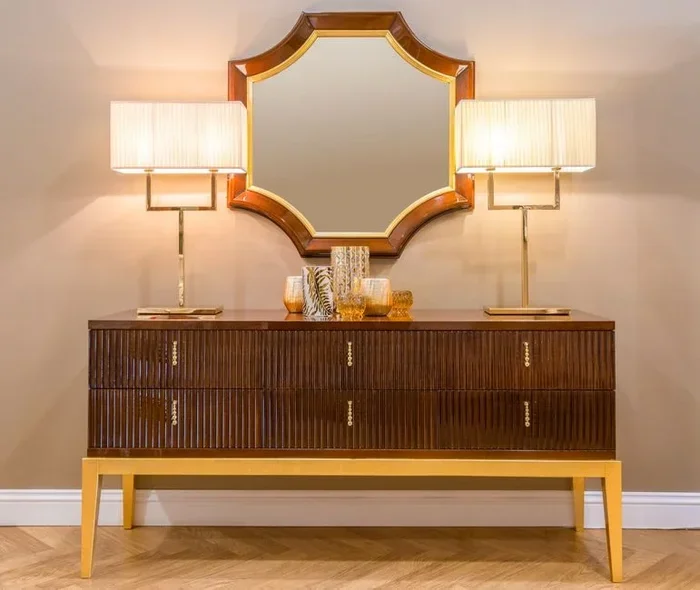
– A table lamp on top for warm ambient glow
– LED strip lights inside open shelves
– Small puck lights to highlight artwork or decor
– A candle or lantern for a cozy touch
Lighting draws the eye and makes the cabinet feel like a designed feature, not just a piece of furniture.
### Use Trays and Groups
Grouping items together creates a polished, intentional look. Use a decorative tray to corral small items like keys, candles, and remote controls.
Styling groups work best when you:
– Stick to a color palette or theme
– Vary textures like wood, metal, and fabric
– Leave some empty space for a clean look
– Repeat items in odd numbers (groups of three work well)
### Mix Functional and Decorative Items
The best styled console cabinets balance function and beauty. Keep everyday items like coasters and magazines on display, but style them intentionally.
For example, stack a few magazines neatly beside a small plant. Place a decorative tray over a drawer to create a spot for everyday essentials. This way, your cabinet looks great and works hard.
## Best Places to Put a Living Room Console Cabinet
Where you place your cabinet matters just as much as the cabinet itself. Here are the best spots to consider.
### Behind a Sofa
Placing a console cabinet behind a sofa is a classic move. It fills the gap between the sofa and the wall and gives you a surface to display items.
Make sure the cabinet is at least two-thirds the length of the sofa. This creates a balanced, proportional look.
### In an Entryway or Hallway
A living room console cabinet can also work in an open entryway that flows into the living room. It gives you a spot to drop keys, store mail, and display art.
Hallway cabinets are especially useful in homes where space is tight. A narrow console fits perfectly in a hallway without blocking the path.
### Under a Window
Placing a console cabinet under a window lets natural light shine over and around it. This creates a bright, airy feel.
Just make sure the cabinet is low enough that it does not block the window or impede the view.
### In a Large Open-Plan Room
In open-plan spaces, a console cabinet can help define different areas. Place one between the living room and dining area to create a subtle boundary without walls.
## Common Mistakes to Avoid
Even with the best intentions, people make mistakes when styling their console cabinets. Here are a few to watch out for.
### Overcrowding the Surface
Too many items make a console cabinet look cluttered and chaotic. Less is more. Give each item room to breathe.
A good rule of thumb is the “rule of three.” Group items in odd numbers and vary heights for a balanced look.
### Ignoring Scale
A tiny cabinet in a large room looks lost. A huge cabinet in a small room feels overwhelming. Always consider the scale of the cabinet relative to your space.
### Forgetting About Function
Style matters, but so does function. Do not choose a cabinet that looks great but has no storage you can actually use. Pick one that works for your daily life.
### Skipping the Backdrop
The wall behind your console cabinet matters. A plain white wall works, but adding a piece of art or a gallery wall behind the cabinet elevates the whole setup.
## Expert Tips for Choosing the Perfect Living Room Console Cabinet
Interior designers have a few tricks up their sleeves when it comes to console cabinets. Here is what the pros recommend.
### Go for Quality Over Quantity
A well-made cabinet lasts for years. Look for solid wood or high-quality engineered wood with sturdy hardware. A living room console cabinet is an investment in your home.
### Think About Your Color Scheme
Your cabinet should work with your room’s color palette. Neutral tones like white, gray, and natural wood are safe bets. But a bold-colored cabinet can add a pop of personality if your room is mostly neutral.
### Consider Adjustable Shelves
Cabinets with adjustable shelves let you customize the storage to fit your needs. You can change the configuration as your storage needs change over time.
### Don’t Forget the Back
Some console cabinets have decorative backs that can be seen when placed away from a wall. Choose a cabinet with a finished back if you plan to place it in the center of a room or where it can be seen from behind.
## Frequently Asked Questions
What is the standard height of a living room console cabinet?
Most living room console cabinets stand between 30 and 36 inches tall. This height allows them to sit comfortably behind a sofa or along a wall without blocking sightlines. Always measure your space before purchasing to ensure the right fit.
Can a console cabinet work in a small living room?
Absolutely. A narrow living room console cabinet is perfect for small spaces. Look for slim profiles, floating designs, or wall-mounted options to maximize floor space. Even a small cabinet adds storage and style without overwhelming the room.
What materials are best for a living room console cabinet?
Solid wood, engineered wood, metal, and glass are the most common materials. Solid wood offers durability and a classic look. Metal and glass create a modern, airy feel. Choose based on your room style and how much wear and tear the cabinet will face.
How do I style a living room console cabinet on a budget?
Start with what you already own. Group books, plants, and personal items in odd numbers. Add a lamp for warmth. A simple tray can tie everything together. The secret is to edit ruthlessly and keep the arrangement balanced and uncluttered.
Should I place my console cabinet against the wall or use it as a room divider?
It depends on your layout. Against a wall is the most common placement and works well in most rooms. As a room divider, a console cabinet can define zones in open-plan spaces. Just make sure it is sturdy enough to stand on its own if it is not wall-mounted.
How do I clean and maintain a living room console cabinet?
Dust regularly with a soft cloth. For wood cabinets, use a manufacturer-recommended polish every few months. Avoid harsh chemicals that can damage finishes. For metal or glass cabinets, a simple glass cleaner works well. Keeping drawers and shelves organized also makes cleaning easier.
## Conclusion
A living room console cabinet is a simple yet powerful way to upgrade your home. It gives you storage, style, and a place to showcase what you love. Whether you go modern, rustic, or mid-century, the right cabinet can tie your whole room together.
Take your time choosing. Measure your space, consider your storage needs, and pick a style that reflects your personality. With the tips in this guide, you are ready to find the perfect console cabinet and style it like a pro. Start exploring your options today and watch your living room transform.
Key Takeaways
- Versatile Storage: A living room console cabinet offers both open display space and hidden storage for a tidy, organized room.
- Multiple Styles Available: From modern minimalist designs to rustic farmhouse looks, there is a console cabinet for every home decor theme.
- Smart Placement Matters: Where you put your console cabinet affects the flow and feel of your entire living room.
- Styling Is Easy: With the right accessories and arrangement, even a simple cabinet can become a room focal point.
- Space-Saving Solution: Console cabinets work beautifully in small rooms, hallways, and tight spaces where larger furniture won’t fit.
- Budget-Friendly Upgrade: A new console cabinet is one of the most affordable ways to refresh your living room look.
Frequently Asked Questions
What is living room console cabinet?
living room console cabinet is an important topic with many practical applications.