Interior Design Living Room Low Budget Tips and Tricks
You don’t need a huge budget to create a beautiful living room. This guide shares proven interior design living room low budget strategies that anyone can use. From DIY decor projects to smart shopping hacks, you’ll learn how to make your space look polished and stylish without overspending.
Everyone deserves a living room that feels warm, inviting, and put together. But too often, people think that means spending thousands of dollars on furniture and decor. The truth is, a stunning room has nothing to do with your budget. With the right interior design living room low budget approach, you can completely transform your space for a fraction of the cost.
In this guide, we will walk you through practical tips and tricks that real people use to create beautiful living rooms without breaking the bank. You will learn how to plan your room, choose budget-friendly furniture, tackle easy DIY projects, and use color and lighting to make a huge impact. Whether you live in a small apartment or a spacious home, these ideas will help you achieve the look you love.
The best part is that you do not need any special skills or expensive tools. Most of these strategies are simple enough for beginners and effective enough to impress your guests. Let us dive in and explore how you can redesign your living room on a budget and still get professional-looking results.
Key Takeaways
- Plan Before You Buy: A clear room design plan prevents wasted money and keeps your project on track.
- DIY Decor Works Wonders: Simple projects like painting accent walls and making wall art save tons of cash.
- Thrift Stores Are Goldmines: Affordable furniture and unique decor pieces are hiding in secondhand shops.
- Lighting Changes Everything: The right lighting fixtures can completely transform the mood of a room.
- Rearrange Before You Replace: Sometimes just moving furniture around gives your living room a fresh new feel.
- Small Touches Matter: Throw pillows, blankets, and rugs add warmth and style for very little cost.
📑 Table of Contents
- Why You Don’t Need a Big Budget to Style Your Living Room
- Plan Your Living Room Makeover Before You Spend a Dime
- Budget-Friendly Living Room Furniture Ideas
- Easy DIY Decor Projects for a Stylish Look
- Lighting and Color Tricks That Transform Any Room
- Smart Shopping Tips for Affordable Living Room Decor
- Common Mistakes to Avoid When Decorating on a Budget
- Key Takeaways
- Conclusion
Why You Don’t Need a Big Budget to Style Your Living Room
There is a common myth that good interior design requires a big budget. That is simply not true. Many of the most beautiful living rooms on social media were created with very little money. The secret lies in knowing what to focus on and where to save.
A low-cost living room makeover can be just as impressive as an expensive one. The key is to focus on the overall feel and atmosphere of the room. Things like color, lighting, arrangement, and small accessories do most of the heavy lifting. Expensive furniture is nice, but it is not what makes a room look great.
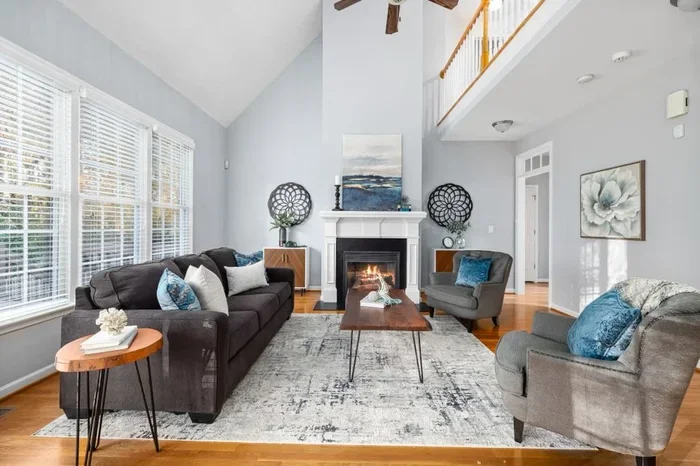
Think about it this way. A room with a fresh coat of paint, a well-placed rug, and some cozy throw pillows can look incredible. Meanwhile, a room with expensive furniture but no personality can feel cold and uninviting. Budget-friendly living room design is all about creativity and intention.
When you embrace the idea that style does not have to cost a lot, you unlock a world of possibilities. You start seeing potential in things you already own. You become more creative with what you have. And that is where the real magic of home design happens.
The Power of a Room Makeover on a Budget
A room makeover does not always mean buying new things. Sometimes it just means looking at what you already have in a new way. Rearranging furniture, adding a new color scheme, or swapping out small accessories can completely change the feel of a space.
Many people spend hundreds of dollars on a living room refresh when a few simple changes would have done the trick. Before you buy anything new, take a hard look at your current setup. Ask yourself what is working and what is not. Often, the answer is simpler than you think.
For example, moving your sofa to a different wall can open up the room and create a new focal point. Adding a couple of inexpensive cushions can make your seating area feel cozier and more inviting. These small changes are the foundation of a successful living room on a budget.
Plan Your Living Room Makeover Before You Spend a Dime
One of the biggest mistakes people make is jumping into a room redesign without a plan. They wander through stores, buy things they like in the moment, and end up with a room that feels scattered and unfocused. A simple plan can save you time, money, and a lot of frustration.
Start by measuring your living room. Know the dimensions of your walls, windows, and floor space. Then think about what you want the room to feel like. Do you want it to be cozy and intimate? Bright and energetic? Calm and relaxing? Having a clear vision helps you make better decisions.
Next, make a list of what you already have. Include your sofa, coffee table, TV stand, and any other large pieces. Then decide what you need and what you can work with. This step is crucial for a low-cost interior design project because it prevents you from buying duplicates of things you already own.
Finally, set a budget and stick to it. Write down how much you can spend on each category, such as paint, furniture, decor, and lighting. When you have a clear budget, you are less likely to overspend. A well-planned budget-friendly living room project stays on track and delivers real results.
Create a Mood Board for Inspiration
A mood board is a simple visual tool that helps you define the look and feel you want for your room. You can create one using Pinterest, a physical corkboard, or even a notebook. Collect images of rooms you like and look for patterns in color, style, and furniture choices.
Your mood board will serve as a guide throughout your project. When you are tempted to buy something that does not fit your vision, you can refer back to it. This simple habit keeps your cheap living room makeover focused and purposeful.
Also, pay attention to the style you are drawn to. Are you into modern minimalism? Rustic farmhouse? Bohemian eclectic? Knowing your style helps you make consistent choices that tie the room together. Without a clear style direction, even the most expensive room can feel disjointed.
Budget-Friendly Living Room Furniture Ideas
Furniture is usually the biggest expense in any room redesign. But there are plenty of ways to furnish your living room without spending a fortune. The key is to know where to look and what to prioritize.
Start with the essentials. Your sofa and coffee table are the two most important pieces. Everything else can be added gradually over time. If your current sofa is in good shape, consider reupholstering it or buying a new slipcover instead of replacing the whole thing.
For affordable furniture, think beyond traditional furniture stores. Thrift stores, garage sales, online marketplaces, and clearance sections all offer great deals. You would be surprised at the quality of pieces you can find for a fraction of retail price.
Another smart strategy is to invest in multi-purpose furniture. A storage ottoman serves as both a seat and a place to stash blankets and magazines. A sofa bed works for everyday seating and guest sleeping. These versatile pieces give you more value for your money.
Thrift Store Finds and Secondhand Furniture
Thrift stores and secondhand shops are absolute goldmines for budget-friendly living room furniture. You can find solid wood tables, vintage chairs, and unique decor pieces at incredibly low prices. The key is to be patient and visit regularly.
When shopping at thrift stores, look for pieces with good bones. A wooden table with a scratched surface can be sanded down and refinished. A worn-out chair can be reupholstered with a new fabric. A little effort goes a long way in restoring secondhand finds to their former glory.
Online platforms like Facebook Marketplace, Craigslist, and OfferUp are also excellent sources for affordable furniture. People often give away or sell furniture for very low prices when they are moving or redecorating. You can sometimes find nearly new pieces for just a few dollars.
DIY Furniture Projects
If you enjoy hands-on projects, DIY furniture can be one of the most rewarding parts of a low-cost interior design journey. Simple builds like a coffee table made from wooden crates or a bookshelf constructed from reclaimed planks can add character and save you money.
You do not need advanced woodworking skills to build basic furniture. There are countless tutorials online that walk you through each step. Many projects require only basic tools like a drill, a saw, and some sandpaper. The satisfaction of using something you built yourself is unbeatable.
Even if you are not handy, simple DIY projects like painting an old dresser or adding new hardware to cabinets can breathe new life into outdated furniture. These small changes make a big difference in how your living room looks and feels.
Easy DIY Decor Projects for a Stylish Look
Decor is where you can really let your personality shine. And the best part is that many of the most impactful decor items cost very little to make yourself. DIY home decor projects are perfect for anyone who wants a stylish living room without the high price tag.
Some of the easiest and most effective DIY projects include making your own wall art, creating decorative pillows, and building simple shelving units. These projects require minimal materials and can be completed in an afternoon. The results look professional and expensive, even though the cost was tiny.
Another great idea is to repurpose items you already own. A stack of old books can become a decorative display. A beautiful scarf can be hung as wall art. Old jars can be painted and turned into vases or candle holders. Creativity is the most important tool in any low-cost interior design project.
DIY Wall Art and Gallery Walls
Gallery walls are a popular way to add visual interest to a living room, and they do not have to cost a thing. Print out your favorite photos, use free online art prints, or create your own drawings and paintings. Arrange them on the wall in a pleasing pattern for an instant focal point.
You can also use washi tape to create geometric designs on your walls. This is a temporary and removable option that adds color and texture without any damage. It is a perfect solution for renters who cannot paint or hang heavy artwork.
For a more textured look, try making a macrame wall hanging or a woven tapestry. These projects require just a few dollars in supplies and can become the centerpiece of your living room. They add warmth, character, and a handmade charm that store-bought decor simply cannot replicate.
Refresh Old Furniture with Paint
Painting old furniture is one of the most transformative and affordable things you can do. A tired, worn-out side table can look brand new with a fresh coat of paint. You can even paint just the legs or the top of a piece for a modern, two-tone look.
Chalk paint is a popular choice because it goes on smoothly and requires no priming. It comes in many colors and gives a soft, matte finish that looks elegant. If you prefer a more durable option, regular latex paint works great too, especially when sealed with a clear topcoat.
Consider painting an accent wall in your living room as well. A single painted wall adds color and depth without the cost of redecorating the entire room. Bold colors like navy blue, forest green, or terracotta create a striking backdrop for your furniture and decor.
Lighting and Color Tricks That Transform Any Room
Two of the most powerful tools in interior design are lighting and color. They cost very little but have an enormous impact on how a room feels. Learning to use them effectively is one of the best interior design living room low budget skills you can develop.
When it comes to color, you do not need to paint every wall. An accent wall, a colorful rug, or a set of vibrant throw pillows can introduce color into a room. Start with one or two elements and build from there. The goal is to create a cohesive color palette that ties everything together.
Neutral colors like white, beige, and gray work well as a base because they are versatile and calming. You can then add pops of color through accessories that are easy to swap out. This approach gives you flexibility and keeps your room feeling fresh without constant spending.
Lighting is equally important. A well-lit room feels open, warm, and welcoming. Harsh overhead lighting can make a room feel cold and uninviting. Instead, layer different light sources to create depth and ambiance.
Affordable Lighting Fixtures That Make a Difference
You do not need expensive designer lighting to brighten up your living room. Simple floor lamps, table lamps, and string lights can create a warm and inviting atmosphere. Look for affordable options at discount stores, online retailers, or thrift shops.
String lights are a particularly budget-friendly option. Drape them along a bookshelf, wrap them around a headboard, or hang them across a wall for a cozy, magical glow. They are inexpensive, easy to install, and instantly add warmth to any room.
Another trick is to use candles and lanterns as decorative lighting. Battery-operated candles are safe and come in many styles. Place them on your coffee table, shelves, or windowsill to add a soft, flickering glow. This simple addition can make your living room feel intimate and relaxed.
The Impact of Color on Room Feel
Color has a profound effect on our emotions and how we perceive a space. Cool colors like blue and green create a calm and serene feeling. Warm colors like red, orange, and yellow bring energy and coziness. Neutral tones keep a room feeling open and airy.
For a low-cost interior design refresh, consider using color strategically. Paint the inside of a bookshelf a bold color for a surprising pop. Add a colorful area rug to define the seating area. Use decorative cushions in complementary shades to pull the room together.
Even small touches like a new set of curtains or a decorative tablecloth can introduce color and change the entire mood of a room. The beauty of these budget decor tips is that they are easy to change whenever you want a new look.
Smart Shopping Tips for Affordable Living Room Decor
Shopping smart is at the heart of any successful budget-friendly living room project. Knowing when to buy, where to look, and what to prioritize can save you a significant amount of money.
One of the best strategies is to shop during sales and clearance events. End-of-season sales at home decor stores often offer deep discounts on items that were popular just months ago. Online retailers also run frequent promotions, especially during holiday weekends and special events.
Another tip is to buy decor items inexpensively and replace them seasonally. You do not need to invest in permanent pieces for every accessory. Inexpensive candles, seasonal cushions, and temporary wall decor let you refresh your room’s look throughout the year without a big investment.
Where to Find the Best Deals
Beyond thrift stores and online marketplaces, there are many other places to find affordable furniture and decor. Dollar stores carry surprisingly stylish items like picture frames, vases, and decorative objects. Discount retailers offer basic pieces at very low prices.
Garage sales and estate sales are also excellent sources. You can often negotiate prices and find unique items that no one else has. The key is to arrive early, bring cash, and be willing to look past cosmetic flaws. A little elbow grease can turn a dusty old find into a beautiful decor piece.
Also, consider joining local buy-nothing groups or community exchange programs. People often give away items they no longer need, and you can find perfectly good furniture and decor this way. It is a win-win: you get what you need for free, and someone else gets rid of something they do not want.
Prioritize What Matters Most
Not every item in your living room needs to be brand new or expensive. Prioritize the pieces that have the most impact on the room’s overall feel. Typically, that means your sofa, coffee table, area rug, and lighting fixtures.
Smaller decor items like books, plants, and accessories can be found for very little money. These items add personality and warmth without requiring a big investment. Focus your budget on the big pieces and fill in the gaps with affordable finds.
Remember, a stylish living room is not about having the most expensive things. It is about how well everything works together. A room filled with a mix of new and old, store-bought and handmade items can feel more authentic and inviting than a room full of matching expensive furniture.
Common Mistakes to Avoid When Decorating on a Budget
Even with the best intentions, it is easy to make mistakes when redecorating on a budget. Being aware of these pitfalls can help you stay on track and get the best results for your money.
One common mistake is buying everything at once. This often leads to overspending and a room that feels cluttered. Instead, start with the essentials and add pieces gradually. This approach gives you time to find the right items and ensures everything fits together cohesively.
Another mistake is ignoring scale and proportion. A huge sofa in a small room or tiny accessories in a large space can throw off the balance of the room. Always consider the size of your furniture relative to the room before making a purchase.
People also sometimes focus too much on trends and forget about timeless style. Trendy items can be fun, but they often go out of fashion quickly. Choose a classic base for your room and add trendy accents that are easy to swap out when your tastes change.
Finally, do not underestimate the power of decluttering. A messy room always looks smaller and less inviting, no matter how much you spend on decor. Before you add new items, take the time to organize and simplify your space. A clean, uncluttered room is the foundation of any successful low-cost interior design project.
Key Takeaways
- Plan Before You Buy: A clear room design plan prevents wasted money and keeps your project on track.
- DIY Decor Works Wonders: Simple projects like painting accent walls and making wall art save tons of cash.
- Thrift Stores Are Goldmines: Affordable furniture and unique decor pieces are hiding in secondhand shops.
- Lighting Changes Everything: The right lighting fixtures can completely transform the mood of a room.
- Rearrange Before You Replace: Sometimes just moving furniture around gives your living room a fresh new feel.
- Small Touches Matter: Throw pillows, blankets, and rugs add warmth and style for very little cost.
- Avoid Common Mistakes: Don’t buy everything at once, ignore scale, or overlook the power of decluttering.
Conclusion
Interior design living room low budget projects are not only possible, they can be incredibly rewarding. You do not need a big budget to create a space that looks stylish, feels comfortable, and reflects your personality. With a little planning, creativity, and smart shopping, you can transform your living room into the room of your dreams.
Start with a plan, focus on the essentials, and let your creativity guide you. Use the tips and tricks in this guide to make informed decisions and avoid common pitfalls. Remember, the goal is not to copy a magazine spread perfectly. The goal is to create a space that feels like home to you.
Pick one idea from this guide and try it this weekend. You might be surprised at how much difference a simple change can make. Your dream living room is closer than you think, and it does not have to cost a fortune. Happy decorating!
Frequently Asked Questions
What is the cheapest way to redesign a living room?
The cheapest way is to start with what you already have. Rearrange your furniture, declutter, and add small touches like throw pillows and blankets. Painting an accent wall is also very affordable and makes a huge visual impact. These budget-friendly living room changes cost almost nothing but look amazing.
How can I make my living room look expensive on a low budget?
Focus on lighting, color, and texture. Layer different light sources, add a cohesive color palette, and mix textures like velvet, linen, and wood. A well-placed mirror can also make a small room feel larger and more luxurious. These low-cost interior design tricks create a high-end look without the high-end price tag.
Where can I find affordable furniture for my living room?
Thrift stores, garage sales, online marketplaces like Facebook Marketplace and OfferUp, and clearance sections at home goods stores are all excellent sources. You can also find affordable furniture at discount retailers and through community exchange groups. Patience and a keen eye are your best tools for finding quality pieces at low prices.
Do I need to hire a professional interior designer for a living room makeover?
Absolutely not. Many of the most beautiful living rooms are designed by homeowners themselves. With a clear plan, some inspiration, and the tips from this guide, you can achieve professional-looking results on your own. DIY home decor projects are both fun and cost-effective.
How do I stick to my living room budget?
Set a clear budget before you start shopping and write it down. Make a list of priorities and stick to it. Avoid impulse purchases and give yourself a cooling-off period before buying anything expensive. A well-planned living room on a budget stays focused and delivers the best results for your money.
What are some quick DIY decor projects for beginners?
Beginner-friendly projects include painting a canvas for wall art, making throw pillow covers from fabric remnants, and arranging a bookshelf with books and small decorative objects. You can also create a gallery wall with printed photos or free online art. These cheap living room makeover ideas require minimal skill and very little money.
=== CONCLUSION ===
The ideas shared in this article prove that a beautiful living room does not require a big budget. From planning your room layout to tackling simple DIY projects, every tip here is designed to help you get maximum impact for minimum cost. The key is to be intentional, creative, and patient.
Remember that interior design living room low budget success comes from focusing on the details. Color, lighting, furniture arrangement, and small accessories all work together to create a room that feels polished and inviting. You do not need to spend a lot of money to achieve this. You just need the right approach.
Now it is your turn. Pick one or two ideas from this guide and start today. Your dream living room is within reach, and with these budget-friendly strategies, you can make it happen. Happy decorating!