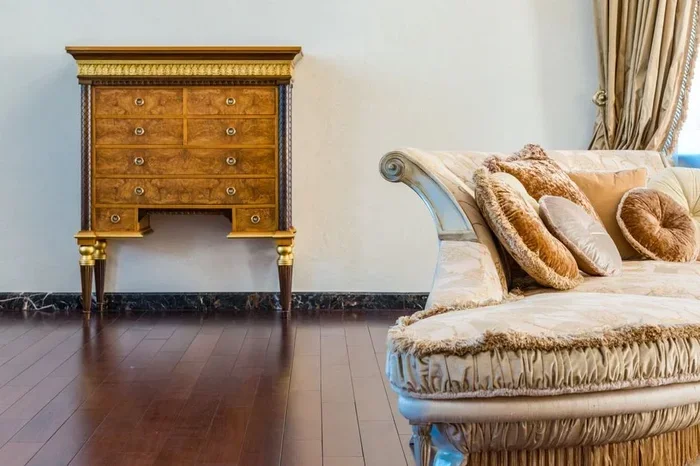
Best Chest for Living Room Ideas to Transform Your Space
A chest for living room is a stylish and practical storage solution that can transform any space. Whether you need extra seating, a coffee table, or a hidden blanket box, the right chest adds both function and charm. This guide explores the best types, styles, and placement ideas to help you choose the perfect living room storage chest.
A chest for living room is one of the most versatile pieces you can add to your home. It does more than just hold items. It anchors the room, adds character, and solves clutter problems in one move. Many people overlook this classic furniture piece, but the right chest can completely change how a space feels.
Whether you have a small apartment or a large family room, a living room storage chest adapts to your needs. You can use it as a coffee table, a TV stand, a bench, or a decorative accent. The beauty lies in its simplicity and strength. In this guide, we walk you through the best ideas, styles, and placement tips to make the most of a chest in your living room.
Key Takeaways
- Measure your space first: A chest for living room should fit snugly without blocking walkways.
- Mix materials for contrast: A wooden chest can warm up a sleek, modern room.
- Go for a lift-top design: It serves as both seating and hidden storage.
- Use it as a coffee table or TV stand: A storage chest adds function without extra furniture.
- Place a bench chest at the foot of a sofa: It offers a cozy spot to sit and store throws.
- Choose a decorative chest for style: An ornate trunk can be a statement piece.
- Keep it well-maintained: Regular dusting and polishing protect the finish.
📑 Table of Contents
Why a Chest for Living Room Is a Smart Choice
A chest for living room brings together storage and style in a single footprint. Unlike bulky cabinets, a chest often sits low and sleek. This keeps your room feeling open and airy. It also invites you to use the top surface for decor, plants, or a tray of drinks.
Here is why homeowners love adding a chest to their living space:
- Extra hidden storage: Toss in blankets, magazines, or remote controls without them showing.
- Flexible seating: A bench-style chest gives you a place to sit and store items at the same time.
- Visual anchor: A well-chosen chest grounds the furniture arrangement and draws the eye.
- Easy to move: Most chests are lighter than armoires or large cabinets, so you can rearrange when needed.
- Budget-friendly upgrade: A single chest can refresh a room without a full furniture makeover.
Quick Tip: Before you buy, measure the area where the chest will sit. Leave at least 30 inches of walking space around it. This ensures the room still flows freely.
Types of Chests for Living Room
Not all chests are the same. Different designs offer different benefits. Understanding the main types helps you pick the perfect chest for living room that matches your lifestyle.
Wooden Chest
A wooden chest brings warmth and timeless charm. Solid oak, pine, or walnut chests look beautiful in any era. They are sturdy and can last for decades. You can find simple, clean-lined wooden chests or ones with carved details and brass hardware.
Storage Chest with Lift-Top
This design is a game-changer for small spaces. The lid lifts up to reveal a deep storage compartment, and the top flips to become a seat or a flat surface. A lift-top storage chest works wonders as a coffee table or a footrest. You get seating and hidden storage in one piece.
Bench Chest
A bench chest combines a seating surface with a storage box underneath. It often has a hinged lid and a cushioned top. These are perfect at the foot of a sofa. They hold throw pillows, blankets, or board games while giving you a place to sit when putting on shoes.
Modern and Minimalist Chest
If your living room has a sleek, contemporary look, a modern storage chest fits right in. Look for smooth surfaces, neutral tones, and hidden hinges. These chests often use materials like lacquered wood, metal, or high-gloss finishes. They prioritize clean lines over ornamentation.
Comparison Table: Types of Living Room Chests
| Type | Best For | Material | Style |
|---|---|---|---|
| Wooden Chest | Classic warmth and durability | Oak, pine, walnut | Traditional, rustic |
| Lift-Top Storage Chest | Dual function and small spaces | MDF, solid wood, metal | Modern, transitional |
| Bench Chest | Seating plus hidden storage | Wood with upholstery | Cozy, farmhouse |
| Modern Minimalist Chest | Sleek, clean-lined rooms | Lacquered wood, metal | Contemporary |
How to Pick the Perfect Chest for Living Room
Choosing the right chest for living room comes down to a few key factors. It is not just about looks. You need to think about size, material, and how it fits into your daily routine.
Size and Placement
Start by deciding where the chest will live. Will it sit in front of a sofa? Behind a TV? In a corner? A chest for living room should never block doorways or windows. Measure the height, width, and depth of the spot. A low, long chest works well as a coffee table substitute. A taller chest can act as a TV stand or a room divider.
Common Mistakes: Many people buy a chest that is too large for the room. This makes the space feel cramped. Another mistake is placing it too close to the TV, which can cause glare on the lid surface.
Material and Finish
The material affects both the look and the durability. Solid wood chests are heavy and sturdy. They develop a beautiful patina over time. Engineered wood with a veneer finish offers a similar look at a lower price. Metal and leather chests give an industrial or mid-century vibe. Choose a finish that matches your existing furniture.
Expert Insight: If you have kids or pets, consider a chest with rounded edges and a soft-close hinge. This prevents pinched fingers and dents. A matte finish also hides scratches better than a high-gloss one.
Style Matching
Your chest should feel like it belongs in the room. If your living room is modern, a plain wooden chest with clean lines works well. For a farmhouse look, choose a chest with a distressed finish and wrought-iron pulls. A traditional room pairs nicely with an ornate, carved chest that has brass or ceramic hardware.
Quick Tip: Bring a fabric swatch or a photo of your room’s color palette when shopping. Match the wood tone or paint color to your sofa, rug, or curtains for a cohesive look.
Creative Ways to Use a Chest in Your Living Room
A chest for living room is not just a storage box. It can serve many roles. With a little creativity, it becomes the most useful piece in the room.
As a Coffee Table
Place a low, wide chest in front of your sofa. Add a tray on top to hold coasters, books, and candles. The inside can store extra blankets, board games, or magazines. A lift-top chest is perfect for this because you can easily access the storage without bending down.
As a TV Stand or Media Console
Instead of a bulky entertainment center, use a long, narrow chest to hold your TV and devices. Many chests have enough depth to fit a soundbar or a streaming box. The closed doors or lid keep cables and remotes out of sight. This creates a clean, uncluttered look.
As an Entryway or Hallway Bench
While not strictly in the living room, a chest placed near the entryway connects the space. A bench chest with storage inside is ideal for storing shoes, umbrellas, and jackets. It also provides a place to sit while tying shoes. This makes the transition from outside to living room smooth and stylish.
As an Ottoman-Style Seating
A chest with a padded top and sturdy legs can double as an ottoman. Add a plush cushion on top, and you have a cozy spot for feet up. The storage inside keeps extra pillows and throws handy. This works great in a family room where extra seating is often needed.
Quick Tip: Use a chest with casters if you want to move it around easily. Lock the wheels when in use, and you can roll it to clean under it or shift it for a party.
Top Chest Styles to Transform Your Living Room Decor
The style of your chest sets the tone for the entire room. Here are some popular looks that can elevate your living room.
Traditional Blanket Chest
A traditional blanket chest is tall and rectangular with a wide lid. It often features detailed woodwork, carved panels, and sturdy brass or ceramic handles. This style is perfect for classic or heritage interiors. It gives a sense of history and craftsmanship. A traditional chest works well in a formal living room or a cozy den.
Rustic Farmhouse Chest
Rustic chests embrace natural textures and imperfections. Think reclaimed wood, rough-sawn edges, and simple iron hardware. A farmhouse chest adds warmth and a lived-in feel. It pairs beautifully with neutral rugs, linen sofas, and greenery. This style is very popular in farmhouse and cottage-inspired living rooms.
Sleek Contemporary Chest
For a cutting-edge look, choose a contemporary chest with smooth surfaces and bold shapes. Materials like high-gloss lacquer, chrome, or leather give a modern edge. These chests often have hidden storage and minimal visible hardware. They fit perfectly in minimalist or Scandinavian-inspired interiors.
Decorative Trunk Style
A leather or wooden trunk brings a travel-inspired charm. Vintage-style trunks with metal corners and lock details make a strong statement. You can use them as a coffee table or a standalone accent. They add a sense of adventure and story to your living room.
Expert Insight: Do not be afraid to mix styles. A rustic wooden chest next to a modern sofa creates an eclectic, curated look. The key is to find a common thread, like a shared wood tone or a similar finish, to tie everything together.
Care and Maintenance Tips for Your Living Room Storage Chest
A good chest lasts for years when you take care of it. Simple habits keep your chest for living room looking its best.
Cleaning and Polishing
Dust your chest weekly with a soft, dry cloth. For wooden chests, use a furniture polish or wax every few months. This protects the finish and brings out the natural grain. Avoid harsh chemical cleaners that can strip the varnish or damage the wood.
Avoiding Damage
Place the chest away from direct sunlight and heat sources. Prolonged sun exposure can fade the wood or crack the finish. Use coasters and placemats on the top surface to prevent water rings and scratches. If you have a cushioned bench chest, vacuum the upholstery regularly and spot-clean any spills right away.
Common Mistakes: Many people place heavy items on the lid of a chest without checking its weight limit. This can cause the hinges to sag or the lid to warp. Always check the manufacturer’s guidelines for load capacity.
Quick Tip: If you have a lift-top chest, lubricate the hinges once a year with a silicone-based spray. This keeps the motion smooth and quiet.
Conclusion
A chest for living room is one of the smartest investments you can make for your home. It offers hidden storage, flexible seating, and a touch of personality that few other pieces can match. Whether you choose a rustic wooden chest, a sleek lift-top design, or a decorative trunk, the right chest will serve your family for years to come.
Take your time to measure your space, compare styles, and think about how you will use it every day. A well-chosen chest becomes more than furniture. It becomes the heart of your living room’s organization and charm. Start exploring your options today, and watch your space transform with a single, well-placed piece.
Frequently Asked Questions
What is the best size for a chest in a living room?
A chest that is about 30 to 36 inches tall works well as a coffee table or bench. For a TV stand, aim for a length of at least 48 inches to hold your equipment comfortably. Always leave at least 30 inches of walking space around the chest so the room does not feel cramped.
Can I use a chest as a coffee table?
Absolutely. A low, wide chest makes an excellent coffee table, especially if it has a lift-top or a flat surface. You can add a tray on top for drinks and decor, and use the inside to store blankets, magazines, or remotes. It is a practical and stylish alternative to a traditional coffee table.
How do I style a chest for a modern living room?
Choose a chest with clean lines and a smooth finish in neutral tones like white, gray, or natural wood. Keep the top minimal with a single tray or a few books. Avoid ornate details. A modern storage chest with hidden hinges keeps the look sleek and uncluttered.
Is a wooden chest durable enough for a family room?
Yes, solid wood chests are very durable and can handle daily use. Look for hardwoods like oak or walnut for the most strength. If you have young children, consider a chest with rounded edges and a soft-close mechanism to prevent injuries and damage.
What is the difference between a chest and a trunk?
A trunk is typically more decorative and often has a curved or rounded shape with metal hardware. A chest is usually more rectangular and simpler in design. Both offer storage, but a chest often blends more easily into a living room as a functional piece, while a trunk leans more toward a vintage or statement look.
How do I maintain a leather or fabric-covered chest?
For leather, wipe it with a damp cloth and condition it every few months to keep it supple. For fabric-covered chests, vacuum the surface regularly and spot-clean spills with a mild upholstery cleaner. Avoid placing the chest in direct sunlight, which can fade both leather and fabric over time.