Beautiful Antique Decorating Ideas for Living Room
Transform your living room with gorgeous antique decorating ideas that bring warmth, character, and timeless elegance to any space. Whether you love Victorian-era pieces or mid-century vintage finds, these tips help you create a inviting room that feels both curated and personal. You will learn how to choose the right antique furniture, mix old with new, and use vintage accessories to elevate your home decor.
There is something magical about a living room filled with antique decorating ideas. These spaces feel warm, layered, and full of personality. Unlike a room filled with mass-produced furniture, a room with antique pieces tells a story. Every item has a history, a character, and a soul.
If you have been dreaming of a living room that feels both elegant and inviting, you are in the right place. This guide covers everything you need to know about vintage living room decor. From choosing the right antique furniture to mixing in modern touches, you will find practical tips that are easy to follow. Let us dive in and explore how to turn your living room into a timeless retreat.
Key Takeaways
- Start with a focal point: A statement antique piece sets the tone for the entire living room.
- Mix eras with confidence: Blending antique and modern items creates a fresh, layered look.
- Use a vintage color palette: Warm, muted tones complement antique furniture beautifully.
- Add texture with vintage textiles: Rugs, curtains, and throw pillows bring depth and coziness.
- Lighting matters: Antique lamps and chandeliers add instant charm and warmth.
- Accessorize thoughtfully: Antique frames, mirrors, and collectibles tell a story and personalize your space.
- Balance is key: Avoid clutter by pairing ornate pieces with clean, simple lines.
📑 Table of Contents
- Why Antique Decorating Ideas Work So Well
- Choosing the Right Antique Furniture
- Creating a Vintage Color Palette
- Lighting That Enhances Antique Decor
- Adding Vintage Accessories and Textiles
- Mixing Antique and Modern Pieces
- Common Mistakes to Avoid When Decorating with Antiques
- Final Thoughts on Antique Decorating Ideas for Living Room
Why Antique Decorating Ideas Work So Well
Antique decorating ideas for living room spaces have been popular for decades, and for good reason. They bring a sense of warmth and authenticity that new furniture simply cannot match. When you surround yourself with pieces that have survived decades or even centuries, your home feels grounded and connected.
Here is why these ideas resonate with so many homeowners:
- Unique character: Each antique piece has its own quirks, patina, and history. No two items are exactly alike.
- Quality craftsmanship: Older pieces were often built by hand with solid materials. They are built to last.
- Timeless appeal: Trends come and go, but well-made antique furniture never looks outdated.
- Sustainability: Reusing and repurposing old items is one of the most eco-friendly decorating choices you can make.
- Emotional connection: Many antique items are family heirlooms or carry personal meaning.
When you incorporate classic home decor elements into your living room, you create a space that feels curated rather than cookie-cutter. It is this individuality that makes antique-inspired rooms so appealing.
Choosing the Right Antique Furniture
The foundation of any great antique decorating ideas living room plan is the furniture you choose. You do not need to fill the entire room with antiques. In fact, mixing a few key pieces with modern items often works best. The trick is to select pieces that complement each other and fit your space.
Start with a Statement Piece
Every room needs a focal point. This could be a vintage sofa, an ornate armchair, or a beautifully carved antique side table. The statement piece anchors the room and gives your eye a place to rest first.
Here are some popular statement pieces to consider:
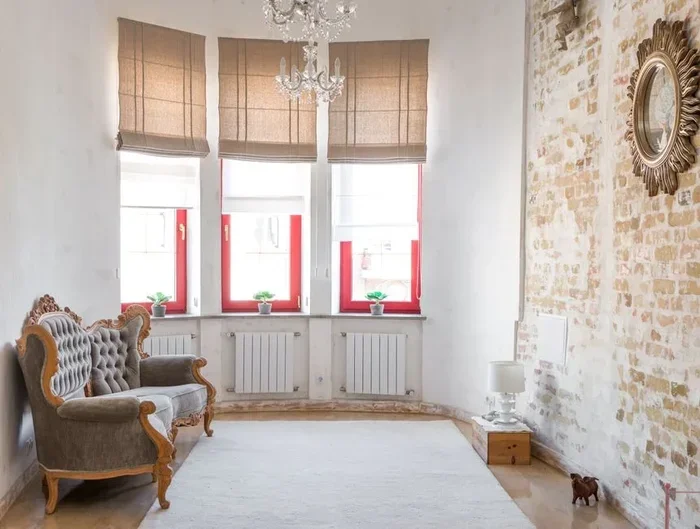
- A Victorian settee: These elegant seats feature rolled arms, tufted backs, and rich upholstery. They make a dramatic entrance in any living room.
- A Georgian-era writing desk: These pieces bring refinement and a touch of sophistication. They also serve as a functional surface for everyday use.
- An antique rocking chair: Perfect for a cozy corner. Rocking chairs add a charming, nostalgic feel.
- A carved wooden hutch or cabinet: These pieces offer both storage and display space for your favorite collectibles.
Consider Scale and Proportion
Not every antique piece will fit in every room. Before you buy, measure your space carefully. A massive ornate furniture piece can overwhelm a small living room, while a tiny side table can get lost in a large space.
Keep these tips in mind:
- Measure the room and sketch a simple floor plan before shopping.
- Leave enough walking space around each piece, at least 30 inches.
- Choose furniture that matches the scale of your room, not your dream room.
- If a piece is too large, consider having it refinished or resized by a professional.
Check the Quality
When shopping for heirloom furnishings, quality matters more than anything else. Look for solid wood construction, dovetail joints, and hand-carved details. Avoid pieces that feel wobbly or have been heavily repaired. A well-made antique piece will only get better with age.
Creating a Vintage Color Palette
Color plays a huge role in making antique decorating ideas come to life. The right color scheme enhances the warmth and charm of your vintage pieces while keeping the room feeling fresh and balanced.
Warm and Muted Tones
Most vintage color palette choices lean toward warm, muted hues. Think dusty rose, sage green, cream, soft gold, and warm beige. These colors create a cozy backdrop that lets your antique furniture and accessories shine.
Here are some color combinations that work beautifully:
- Cream and walnut brown: A classic pairing that suits almost any antique style.
- Sage green and ivory: This combination feels calm and elegant, perfect for Victorian or Georgian-inspired rooms.
- Navy and gold accents: Adds a touch of luxury and richness to a more formal living room.
- Soft rust and cream: A warm, earthy combo that works well with rustic and farmhouse antiques.
Use Color to Balance Ornate Pieces
If your room features heavily carved or detailed antique furniture, use neutral wall colors to balance the visual weight. Bold wall colors can compete with ornate pieces and make the room feel busy. Instead, let the furniture be the star and keep the walls subtle.
Lighting That Enhances Antique Decor
Lighting is one of the most powerful tools in classic interior design. The right light fixtures can transform a plain room into something extraordinary. When decorating with antiques, choose lighting that complements the era and style of your furniture.
Antique Lamps and Chandeliers
Antique lamps and antique chandeliers are must-haves for any vintage-inspired living room. A crystal chandelier hung above the seating area instantly adds glamour and drama. Similarly, a brass or glass table lamp on an antique side table creates a warm, inviting glow for evening relaxation.
Types of lighting that pair well with antique decor include:
- Brass table lamps: These versatile lamps work with almost any antique style. Place them on side tables or consoles.
- Crystal chandeliers: Perfect for formal living rooms. They add sparkle and a sense of grandeur.
- Tiffany-style lamps: The stained glass shades add a pop of color and artistry. These lamps are especially popular in Arts and Crafts-style rooms.
- Wall sconces: Great for filling dark corners and adding ambient light without taking up floor space.
Layer Your Lighting
Do not rely on just one light source. Layered lighting creates depth and makes the room feel more dynamic. Combine overhead lighting, table lamps, and floor lamps to achieve a balanced and welcoming atmosphere.
Adding Vintage Accessories and Textiles
This is where the magic really happens. Accessories and textiles bring life, texture, and personality to your antique decorating ideas living room. Without the right finishing touches, even the best furniture can feel incomplete.
Vintage Rugs and Textiles
A beautiful antique rug ties the whole room together. It anchors the seating area, adds warmth underfoot, and introduces pattern and color. Look for Persian rugs, Turkish kilims, or woven tapestries that complement your furniture style.
Other vintage textiles to consider include:
- Linen curtains: Light and airy, they soften the room and add a relaxed feel.
- Throw pillows in velvet or brocade: These fabrics add luxury and visual interest to seating areas.
- Antique quilts or woven blankets: Draped over a sofa or armchair, they add cozy texture and a homespun charm.
- Vintage tablecloths as wall hangings: This creative use of textiles adds color and pattern to bare walls.
Antique Mirrors and Frames
Antique mirrors are a decorator’s best friend. They reflect light, make small rooms feel larger, and add a touch of elegance. Hang a large ornate mirror above a fireplace or console table for maximum impact.
Antique picture frames are another wonderful accessory. Fill them with vintage prints, botanical illustrations, or family photographs. Arrange a gallery wall of mismatched frames for a casual, collected-over-time look.
Collectibles and Display Items
One of the joys of decorating with antiques is displaying items that reflect your interests and travels. Vintage book collections, ceramic vases, old clocks, and decorative trays all add character. The key is to group items thoughtfully rather than scattering them randomly.
Quick Tip: Group items in odd numbers, such as three or five, for a more visually appealing display. Vary the heights and textures to create visual interest.
Mixing Antique and Modern Pieces
You do not need to choose between all-antique or all-modern. Some of the most stunning living rooms blend both styles. The secret is finding a balance that feels intentional and harmonious.
The 70/30 Rule
A popular approach is the 70/30 rule. Choose 70 percent of your pieces from one style and 30 percent from the other. If you love antiques, let them dominate the room and add a few modern pieces for contrast. If you prefer a modern base, sprinkle in antique accessories to add warmth and history.
What to Avoid
Here are some common mistakes people make when mixing styles:
- Too many competing styles: Stick to two or three styles maximum. More than that can feel chaotic.
- Ignoring scale: A tiny modern chair next to a massive Victorian sofa will look odd. Match the size and visual weight of pieces.
- Forgetting cohesion: Use a consistent color palette or material to tie different styles together. For example, brass finishes work well in both vintage and modern settings.
- Over-accessorizing: More is not always better. Leave some breathing room so each piece can stand out.
Expert Insight on Blending Styles
Interior designers often suggest starting with a neutral base. Paint the walls a soft, neutral color and choose a simple sofa. Then layer in antique pieces one at a time. This approach lets each item stand out and prevents the room from feeling cluttered.
The goal is to create a room that feels collected over time, not staged. A few well-chosen pieces will always look better than a room full of mismatched items.
Common Mistakes to Avoid When Decorating with Antiques
Even the best intentions can lead to decorating mistakes. Here are some pitfalls to watch out for when planning your antique decorating ideas living room project.
Buying Without Measuring
This is the number one mistake. Always measure your space before purchasing any furniture. A beautiful antique cabinet that does not fit through your doorframe is a costly disappointment. Keep a tape measure handy and sketch out your room plan before you shop.
Overdoing the Antique Look
While antiques bring wonderful character, too many pieces can make a room feel heavy and dated. Balance is essential. Mix in modern elements, clean lines, and plenty of open space to keep the room feeling fresh and livable.
Ignoring Comfort
Antique furniture can sometimes be less comfortable than modern pieces. A beautifully carved Victorian chair may look stunning but lack proper cushioning. Add soft throws and cushions to make antique seating comfortable for everyday use.
Skipping Restoration
If you find a piece with minor damage, consider having it restored rather than passing it by. A fresh coat of paint, new upholstery, or repaired joints can breathe new life into an old treasure. Just be careful not to over-restore pieces that lose their authentic character in the process.
Final Thoughts on Antique Decorating Ideas for Living Room
Antique decorating ideas for living room spaces offer a wonderful way to create a home that feels personal, warm, and full of character. Whether you start with a single antique mirror or commit to a full vintage makeover, every small choice adds to the story of your home.
Remember to start with a statement piece, build around a vintage color palette, layer in lighting and textiles, and balance old with new. The best rooms are not the most expensive ones. They are the ones that feel authentic and welcoming.
Take your time, enjoy the process, and let your living room reflect who you are. With the right antique furniture and thoughtful styling, you can create a space that feels timeless and truly yours. Happy decorating.
Frequently Asked Questions
What are the best antique styles for a living room?
Victorian, Georgian, and Arts and Crafts styles are among the most popular choices for living rooms. Victorian pieces are ornate and dramatic, while Georgian furniture is more refined and symmetrical. Arts and Crafts items focus on handcrafted simplicity. Choose the style that best matches your personal taste and the architecture of your home.
How do I clean and care for antique furniture?
Always dust antique furniture with a soft, dry cloth. Avoid harsh chemical cleaners that can damage the finish. For wood pieces, use a gentle wood polish sparingly. Upholstered items should be vacuumed carefully and spot-cleaned with mild soap and water. When in doubt, consult a professional restorer.
Can I mix antique furniture with modern decor?
Absolutely. Mixing antique and modern pieces creates a dynamic, layered look that feels fresh and personal. Use the 70/30 rule to maintain balance, and tie different styles together with a consistent color palette or shared materials like brass or wood.
Where can I find authentic antique furniture?
Check local estate sales, antique markets, thrift stores, and online marketplaces like Etsy or Chairish. Estate sales often have the best finds at reasonable prices. Always inspect the piece carefully for damage and ask about its history before purchasing.
How do I know if a piece is truly antique?
Genuine antiques are typically at least 100 years old. Look for hand-cut dovetail joints, solid wood construction, and aged hardware. Maker’s marks, stamps, or labels can also help confirm authenticity. If you are unsure, consult a reputable antique dealer or appraiser for guidance.
What colors work best with antique furniture?
Warm, muted tones like cream, sage green, dusty rose, soft gold, and warm beige complement antique furniture beautifully. These colors create a cozy backdrop that lets your vintage pieces stand out. Avoid bright or bold wall colors that can compete with the intricate details of antique furnishings.