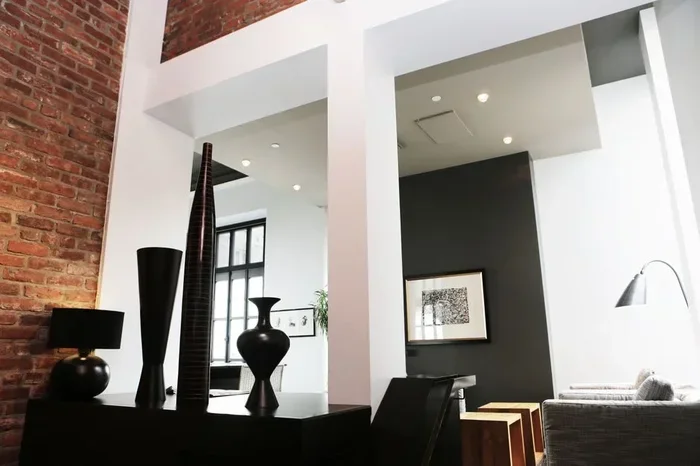
Industrial Living Room Decor Tips to Transform Your Space
Industrial living room decor brings the raw charm of old factories and warehouses into your home. You will learn how to use metal, wood, and concrete to create a space that feels both rugged and inviting. These tips cover furniture, lighting, colors, and textures to help you design a stunning loft-style living room. Whether you are starting fresh or just refreshing your current setup, this guide has everything you need to get started.
Industrial living room decor has taken the design world by storm. People everywhere are falling in love with the raw, unfiltered beauty that this style brings into a home. If you have ever walked into a converted warehouse or a loft apartment and thought, “I want my living room to feel like that,” then you are in the right place.
This style draws inspiration from old factories, warehouses, and urban spaces. It celebrates unfinished surfaces, metal frameworks, and a no-frills attitude. The best part? You do not need a massive budget or a huge space to pull it off. With the right industrial living room decor ideas, even a small apartment can feel like a chic downtown loft.
In this guide, we will walk you through everything you need to know. From choosing the right furniture to picking the perfect lighting, we have got you covered. You will find practical tips, real examples, and expert insights that make the process easy and fun. Let us dive in and turn your living room into something truly special.
Key Takeaways
- Start with a neutral color palette: Grays, browns, and blacks form the foundation of any great industrial living room decor scheme.
- Embrace raw materials: Reclaimed wood, exposed brick, and metal accents add authentic character to your space.
- Choose the right lighting: Edison bulbs and iron fixtures are essential for nailing the factory aesthetic.
- Mix vintage and modern: Blending old and new pieces creates a balanced and stylish industrial look.
- Add texture with textiles: Distressed leather, burlap, and woven throws soften the hard edges of industrial design.
- Avoid overdoing it: Keep a balance between raw elements and comfort so your room stays livable and warm.
📑 Table of Contents
- What Is Industrial Living Room Decor?
- Choosing the Right Furniture for Your Industrial Living Room
- Lighting Fixtures That Make a Statement
- Building the Perfect Color Palette and Textures
- Common Mistakes to Avoid in Industrial Decor
- Expert Tips for a Polished Industrial Living Room
- Bringing It All Together
- Key Takeaways
What Is Industrial Living Room Decor?
The industrial style has its roots in the early 20th century. Back then, factories and warehouses were converted into living spaces out of necessity. People loved the exposed brick walls, the metal beams, and the open floor plans. Over time, this look became a deliberate design choice that homeowners around the world now embrace.
At its core, industrial living room decor is about celebrating raw, unfinished beauty. It is not about hiding the bones of a building. Instead, it highlights them. Think of metal pipes, concrete floors, and weathered wood surfaces. These elements work together to create a space that feels honest, grounded, and full of character.
The style also embraces a neutral color palette. You will see a lot of grays, blacks, browns, and whites. These colors let the textures and materials speak for themselves. When you combine these elements with modern comforts, you get a living room that is both stylish and livable.
Key Features of Industrial Design
Every design style has its signature elements. Here are the features that define the industrial look:
- Exposed brick walls: Whether real or faux, brick adds instant texture and history to a room.
- Metal accents: Iron, steel, and copper fixtures bring a factory feel to furniture and decor.
- Open floor plans: Industrial spaces tend to be open and airy, with few walls dividing the room.
- Concrete surfaces: Polished or raw concrete floors and countertops are a staple of this style.
- Vintage industrial decor: Old factory carts, metal signs, and reclaimed wood pieces add authenticity.
- High ceilings: Tall ceilings with visible ductwork or beams enhance the warehouse feel.
Choosing the Right Furniture for Your Industrial Living Room
Furniture is the backbone of any living room. In industrial design, you want pieces that feel sturdy, timeless, and a little bit rugged. The goal is to find items that look like they could belong in an old factory but still feel comfortable for everyday living.
Material Matters
When selecting furniture for your industrial living room decor, focus on materials that tell a story. Reclaimed wood is a top choice for coffee tables, shelves, and side tables. It brings warmth and history into the room. Metal frames, especially those made from iron or steel, work beautifully for chairs, tables, and bookcases.
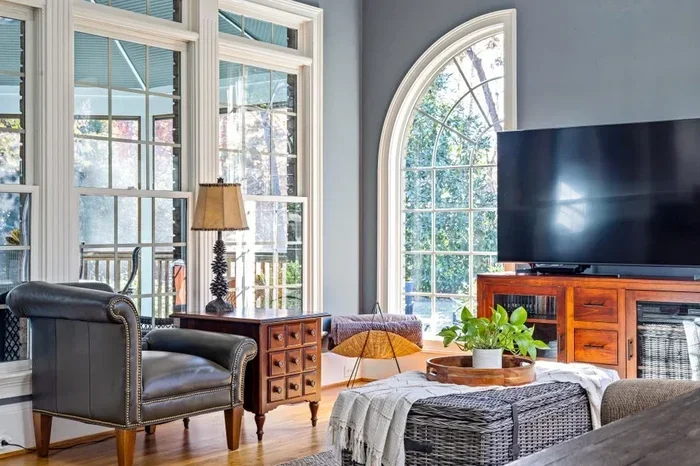
Leather is another essential material in industrial design. Distressed leather sofas and armchairs add a touch of class while keeping the vibe raw and authentic. Look for pieces with visible stitching, worn edges, and a natural patina. These details make a big difference in achieving the right look.
Furniture Pieces to Consider
Here are some must-have furniture items for an industrial living room:
- A reclaimed wood coffee table: This becomes the centerpiece of the room and anchors the design.
- Metal pipe shelving units: They offer storage and display space while reinforcing the industrial aesthetic.
- Leather sectional sofa: Choose a deep gray or brown leather for an authentic feel.
- Vintage metal accent chairs: These add visual interest and a touch of nostalgia.
- An old wooden trunk or crate: Use it as a coffee table or storage piece for a truly unique touch.
Lighting Fixtures That Make a Statement
Lighting can make or break an industrial living room. The right fixtures do more than illuminate the space. They set the mood and reinforce the overall design theme. In industrial decor, lighting is meant to be seen and appreciated.
Edison Bulbs and Beyond
If there is one lighting element that screams industrial, it is the Edison bulb. These bulbs have a warm glow and a distinctive filament design that instantly evokes a factory or warehouse vibe. You can use them in pendant lights, table lamps, or even string lights for a cozy touch.
Pair Edison bulbs with metal fixtures for maximum impact. Think black iron pendant lights over your coffee table or brass desk lamps on your side tables. These combinations create a beautiful contrast between warm light and cool metal.
Creative Lighting Ideas
Here are some lighting ideas that work wonders in an industrial setting:
- Track lighting: Install metal track lights along the ceiling for an authentic warehouse feel.
- Factory-style pendant lights: These hang over dining areas or seating zones and draw the eye upward.
- Caged wall sconces: They add a subtle industrial touch to your walls without overwhelming the space.
- Vintage table lamps: Look for lamps with metal bases and fabric shades in neutral tones.
When planning your industrial lighting fixtures, remember that layering is key. Combine overhead lights with floor lamps and table lamps to create depth and warmth. This approach makes the room feel inviting, not just visually striking.
Building the Perfect Color Palette and Textures
Color and texture go hand in hand in industrial design. The palette is typically neutral and earthy, but that does not mean your room has to feel boring. The magic is in how you mix different textures to add interest and depth.
Neutral Colors as Your Base
Start with a foundation of grays, whites, blacks, and browns. These colors reflect the raw materials found in industrial spaces. Paint your walls a warm gray or leave them as bare plaster if possible. Choose a dark charcoal or espresso-colored sofa to anchor the seating area.
You can add subtle warmth with wooden tones. A reclaimed wood accent wall or a wooden beam ceiling can transform the entire feel of the room. These natural elements soften the coolness of metal and concrete.
Mixing Textures for Visual Interest
Texture is where industrial decor truly shines. Here are some textures to incorporate:
- Distressed leather: Used on sofas, chairs, and throw pillows for a worn-in look.
- Burlap and linen: These natural fabrics work great for curtains and upholstery.
- Rough wood grain: Unfinished or weathered wood adds a rustic touch.
- Brushed metal: Iron, steel, and copper accents bring an urban feel.
- Concrete: Even in small doses, concrete surfaces add an industrial edge.
The key is to balance rough textures with softer ones. Too much metal and concrete can make a room feel cold. Adding plush throws, soft rugs, and cushions creates a welcoming atmosphere while keeping the industrial vibe intact.
Common Mistakes to Avoid in Industrial Decor
Even with the best intentions, it is easy to make mistakes when designing an industrial living room. Here are some pitfalls to watch out for.
Overdoing the Raw Look
One of the biggest mistakes people make is going overboard with raw elements. If every single surface is concrete, metal, or exposed brick, the room can feel harsh and unwelcoming. The industrial style should feel lived-in and comfortable, not like a working factory.
To avoid this, balance hard materials with soft textiles and warm wood tones. Add a plush rug over concrete floors. Use cushions on metal chairs. These small touches make a huge difference in how the room feels.
Ignoring Functionality
Industrial decor can sometimes prioritize looks over function. While it is important to nail the aesthetic, your living room still needs to work for your daily life. Make sure you have enough storage, comfortable seating, and good lighting for activities like reading or entertaining guests.
Choose furniture that is both stylish and practical. A beautiful metal coffee table is great, but if it has no storage and the surface is too small, it will not serve you well. Think about how you actually use your living room and let that guide your choices.
Forgetting About Personal Touches
Industrial design can sometimes feel cold or impersonal if you do not add your own personality. Display family photos in metal frames. Add a vintage rug that you love. Include books and artwork that reflect your interests. These personal touches make the space truly yours while still fitting the industrial theme.
Expert Tips for a Polished Industrial Living Room
Design professionals who specialize in urban decor and loft-style living share a few insider tips that can elevate your space from good to great.
First, focus on the floor plan. Industrial design loves open spaces. If your living room has too many furniture pieces crammed together, step back and think about what you can remove. Negative space is just as important as the items in the room. Let the architecture breathe.
Second, pay attention to scale. Large rooms can handle oversized metal fixtures and chunky furniture. Smaller spaces need more carefully chosen pieces. A single statement light fixture and a well-placed mirror can make a small room feel larger and more industrial.
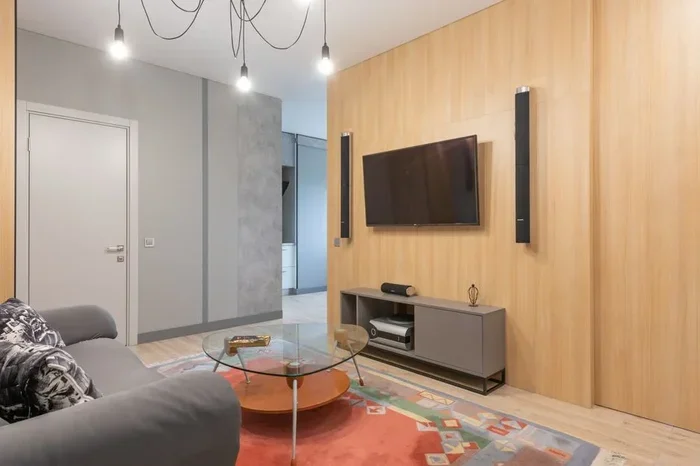
Third, do not be afraid to mix eras. An industrial living room looks best when it blends vintage finds with modern essentials. Pair a mid-century modern sofa with an antique metal cart. Combine a sleek TV stand with a rustic wood shelf. This mix of old and new creates visual depth and keeps the room feeling dynamic.
Finally, add plants. Green plants bring life into any industrial space. They soften the hard edges of metal and concrete and add a natural contrast. Tall fiddle leaf figs, trailing pothos, and small succulents all work wonderfully in this setting.
Bringing It All Together
Designing an industrial living room decor scheme is all about balance. You want raw materials and vintage charm, but you also need comfort and warmth. Start with a solid foundation of neutral colors and natural textures. Add statement lighting and sturdy furniture pieces. Then layer in personal touches that make the space uniquely yours.
The beauty of industrial design is its flexibility. Whether you live in a full loft apartment or a cozy suburban home, these principles apply. You can go all in with exposed brick and concrete floors, or take a lighter approach with just a few metal accents and a reclaimed wood shelf. There is no single right way to do it. The best industrial living room is one that feels authentic to you.
Take your time. Shop for pieces that speak to you. Mix and match until the room feels just right. With patience and creativity, you can create an industrial living room that is not only beautiful but also a place you genuinely love spending time in.
Key Takeaways
- Start with a neutral color palette: Grays, browns, and blacks form the foundation of any great industrial living room decor scheme.
- Embrace raw materials: Reclaimed wood, exposed brick, and metal accents add authentic character to your space.
- Choose the right lighting: Edison bulbs and iron fixtures are essential for nailing the factory aesthetic.
- Mix vintage and modern: Blending old and new pieces creates a balanced and stylish industrial look.
- Add texture with textiles: Distressed leather, burlap, and woven throws soften the hard edges of industrial design.
- Avoid overdoing it: Keep a balance between raw elements and comfort so your room stays livable and warm.
Frequently Asked Questions
What are the key elements of industrial living room decor?
The key elements include exposed brick walls, metal accents, reclaimed wood furniture, concrete surfaces, and Edison bulb lighting. These pieces work together to create a raw, factory-inspired aesthetic that feels both rugged and inviting.
How do I make an industrial living room feel warm and cozy?
Add soft textiles like leather cushions, woven throws, and plush rugs. Warm wood tones and layered lighting also help soften the hard edges. Plants are another great way to bring life and warmth into an industrial space.
Can industrial decor work in small living rooms?
Absolutely. Industrial design works well in small spaces because it often uses clean lines and a minimalist approach. Choose a few statement pieces, use mirrors to create the illusion of space, and keep the color palette light and neutral for the best results.
What colors work best for an industrial living room?
Neutral tones like charcoal gray, warm brown, matte black, and off-white are the most popular choices. You can add subtle pops of color through accessories like throw pillows or artwork, but the base palette should stay earthy and grounded.
Is industrial decor expensive to achieve?
Not necessarily. Many industrial elements, like exposed brick or metal pipe shelving, can be achieved on a budget with faux finishes or thrift store finds. The key is to focus on texture and material rather than expensive brand-name furniture.
What is the difference between industrial and rustic decor?
Industrial decor focuses on urban, factory-inspired elements like metal, concrete, and exposed ductwork. Rustic decor leans more toward a countryside feel with natural wood, stone, and a cozy cabin aesthetic. Both styles share a love for raw materials but differ in their overall mood and inspiration.