How to Stage a Living Room Like a Professional Stager
Staging your living room can make or break a home sale. This guide shows you exactly how to stage a living room using simple, proven techniques that professional stagers use every day. You will learn how to arrange furniture, choose colors, add decor, and create a space that buyers love.
You have probably heard the phrase home staging before. Maybe you saw it on a TV show or read about it online. But do you really know what it means and why it matters so much? If you are thinking about selling your home, staging can be the single most powerful thing you do to attract buyers and close faster.
How to stage a living room is one of the most common questions homeowners ask. The living room is often the first room buyers walk into. It sets the tone for the entire home. A well-staged living room makes people feel welcome. It helps them picture themselves living there. And that emotional connection leads to faster offers and better prices.
Professional stagers know tricks that work every time. But you do not need to hire a pro to get great results. With the right approach, anyone can transform a tired living room into a space that feels fresh, warm, and appealing. This guide will walk you through every step of the process.
Key Takeaways
- Declutter first: Remove personal items and excess furniture to make rooms feel larger and more inviting.
- Use neutral colors: Soft whites, warm beiges, and light grays appeal to the widest range of buyers.
- Focus on furniture arrangement: Create conversation areas and clear pathways for a natural flow.
- Lighting matters: Maximize natural light and layer in warm artificial lighting for a cozy feel.
- Add finishing touches: Small decor items like plants, pillows, and art make a big difference in buyer perception.
- Staging pays off: Professionally staged homes sell faster and often for more money than unstaged homes.
- You can stage on a budget: Many effective staging techniques cost little or nothing at all.
📑 Table of Contents
Why Staging a Living Room Matters for Home Selling
Before you dive into the how-to, it helps to understand why staging matters so much. The real estate market is competitive. Buyers have choices. A beautifully staged living room stands out from the first glance. It signals that the home has been cared for and is ready to move into.
Studies show that staged homes sell faster than unstaged ones. Some research suggests staged properties sell up to 88% faster. They also tend to fetch a higher price. Buyers are willing to pay more when they feel an emotional connection to a space.
When buyers walk into a staged living room, they immediately feel something. Maybe it is the warm lighting. Maybe it is the clean lines of the furniture. Maybe it is the lack of clutter. Whatever it is, that feeling makes them imagine their own life in that space.
The Psychology Behind Home Staging
Home staging works because of psychology. When buyers see a room that looks perfect, they start to think about themselves living there. They imagine weekend mornings on the couch. They picture holiday dinners with family. This mental shift is powerful. It turns a house into a home in their minds.
On the flip side, a cluttered or outdated living room can turn buyers off immediately. They might focus on flaws instead of potential. They might start negotiating lower prices. Property staging helps you avoid all of that. It puts your best foot forward from the moment someone steps inside.
Step-by-Step: How to Stage a Living Room
Now let us get into the actual process. Staging a living room does not have to be overwhelming. You can break it down into manageable steps. Each step builds on the last to create a cohesive, beautiful space.
Step 1: Declutter and Depersonalize
The very first step in how to stage a living room is decluttering. This means removing anything that does not serve a purpose or add visual appeal. Go through every surface. Clear off coffee tables, side tables, and shelves.
Take down family photos. Remove personal collections and trophies. Buyers need to see a blank canvas. They need to imagine their own belongings in the space. The more neutral and clean you keep it, the better.
Also, consider removing excess furniture. If your living room feels cramped, take out a chair or a side table. You want to create an open floor plan feel even if the room is not technically one. Space matters to buyers.
Step 2: Deep Clean Everything
After decluttering, deep clean the room. Wash all windows inside and out. Dust every surface, including ceiling fans and light fixtures. Vacuum carpets and mop hard floors. Pay attention to baseboards and corners that often get overlooked.
A spotless room feels fresh and inviting. It also signals that the home has been well maintained. Buyers notice these details, even if they do not say so out loud.
Step 3: Choose a Neutral Color Palette
Color plays a huge role in home staging. You want to appeal to the widest range of buyers. That means sticking with neutral colors like soft whites, warm beiges, light grays, and gentle taupes.
If your walls are a bold or dark color, consider repainting. A fresh coat of neutral paint is one of the cheapest and most effective staging investments you can make. It brightens the room and makes it feel larger.
Do not forget about your existing furniture. If your sofa or chairs are in bright or bold colors, consider adding neutral throws and cushions. This softens the look without requiring a full furniture swap.
Step 4: Arrange Furniture for Flow and Conversation
Furniture arrangement is at the heart of staging a home. You want to create a layout that feels natural and welcoming. Start by identifying the focal point of the room. This could be a fireplace, a large window, or a television.
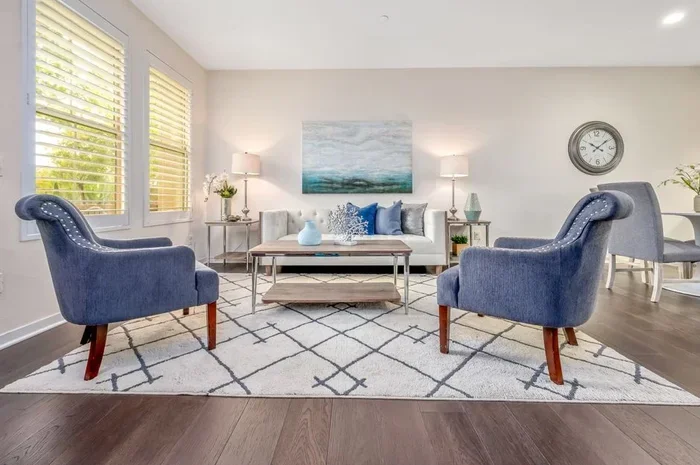
Arrange your main seating pieces to face the focal point. Create a conversation area with a sofa and two chairs. Make sure there is a clear path for walking through the room. You do not want buyers feeling like they have to squeeze past furniture.
Use a rug to anchor the seating area. The rug should be large enough that all front legs of the furniture sit on it. This creates a defined, intentional look. It also makes the room feel more put together.
Step 5: Layer Your Lighting
Lighting can make or break a staged room. Natural light is your best friend. Open all curtains and blinds to let the sunshine in. If your windows are small or face north, consider adding a mirror to reflect light and brighten the space.
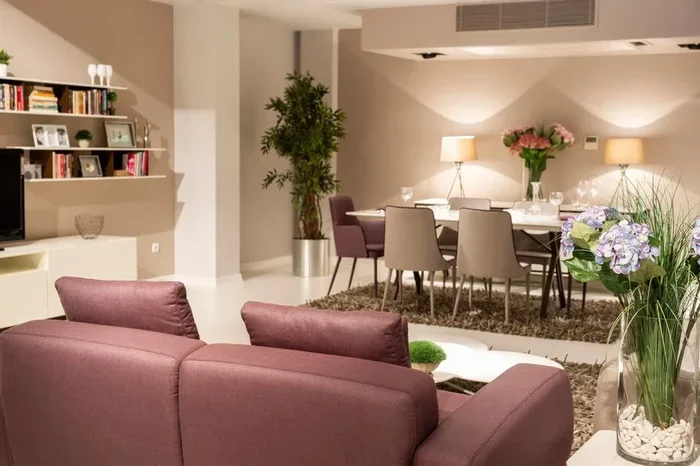
Next, layer in artificial lighting. Use a mix of overhead lights, table lamps, and floor lamps. This creates depth and warmth. Avoid harsh, bright lighting. Instead, aim for soft, inviting glow that makes the room feel cozy.
Turn on all the lights before a showing. Even during the day, a well-lit room feels more welcoming. Replace any burnt-out bulbs and clean all light fixtures for maximum impact.
Step 6: Add Stylish Accessories and Decor
Now comes the fun part. Accessories bring a staged room to life. But less is more. Choose a few high-impact items rather than cluttering every surface.
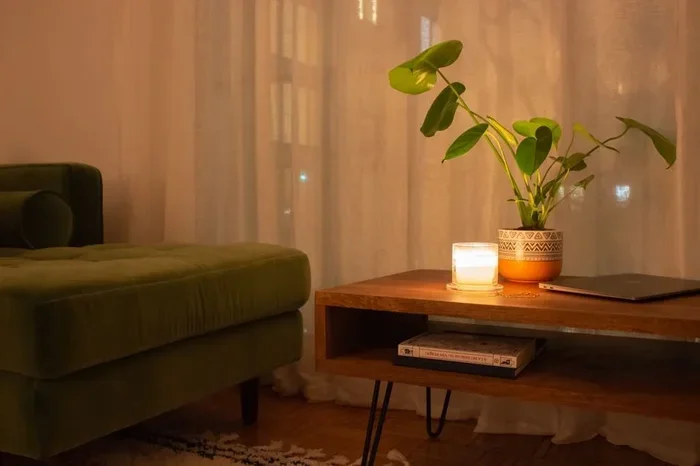
Add a vase of fresh flowers or a small potted plant. Place a stack of coffee table books with a decorative tray. Add throw pillows and a soft blanket on the sofa. These small touches add warmth and personality without overdoing it.
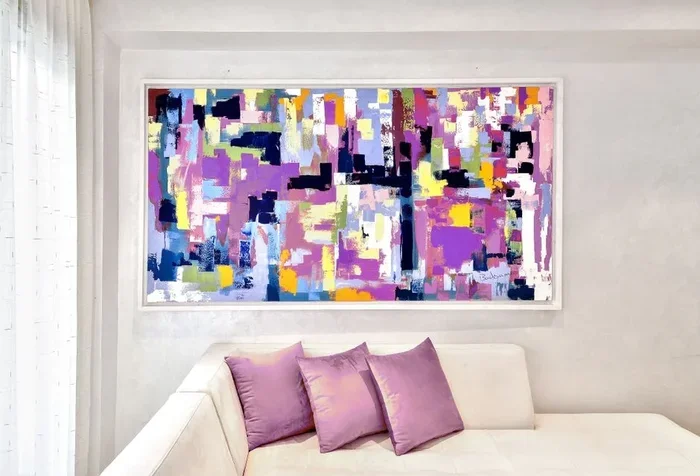
Hang a piece of art above the sofa or fireplace. Choose something with neutral tones and a modern feel. Avoid anything too abstract or controversial. You want art that most people can appreciate.
Common Mistakes to Avoid When Staging
Even with the best intentions, homeowners often make mistakes when staging. Knowing what to avoid can save you time, money, and frustration.
Overcrowding the Room
One of the biggest mistakes is trying to fill the room with too much furniture or decor. A cluttered space feels small and overwhelming. Remember, you want buyers to see the room at its best. Empty space is actually a good thing. It makes the room feel larger and more breathable.
Ignoring Curb Appeal
Staging is not just about what happens inside. Curb appeal sets the stage before buyers even walk through the door. Make sure your front door, porch, and entryway look welcoming. A fresh doormat, clean windows, and well-trimmed landscaping go a long way.
Using Too Bold or Personal Style
Your bold pink walls or your collection of sports memorabilia might be meaningful to you. But they can be a turn-off for buyers. Always keep the staging neutral and appealing to a broad audience. You are not decorating for yourself. You are decorating for the widest possible pool of buyers.
Neglecting the Small Details
Buyers notice small things. A leaky faucet, a sticky door handle, or a burnt-out light bulb can create a negative impression. Before any showing, walk through the room and fix anything that is broken, dirty, or out of place. These details matter more than you think.
Staging on a Budget: Affordable Tips That Work
You do not need a big budget to stage effectively. Many of the most powerful staging techniques cost very little or nothing at all.
- Repaint walls in a fresh neutral color. A gallon of paint costs around $30 and transforms a room.
- Rearrange existing furniture to create a better flow. This costs nothing but makes a huge difference.
- Add throw pillows and blankets from a discount store for under $20.
- Use mirrors to reflect light and make the room feel larger.
- Bake cookies or use a mild air freshener before showings. Scent is a powerful tool in real estate.
- Borrow or rent staging furniture if you do not have enough pieces.
The key is to focus on high-impact, low-cost changes. You would be surprised how much a few small adjustments can elevate the entire room.
When to Hire a Professional Stager
While DIY staging works for many homeowners, there are times when hiring a staging professional makes sense. If your home is on the higher end of the market, professional staging can make a significant difference in sale price.
Also consider hiring a pro if you lack the time or energy to tackle staging yourself. A professional stager knows the latest trends and techniques. They can transform your space quickly and efficiently.
Many staging companies offer free consultations. This lets you see what they recommend before committing. It is a great way to get expert advice without a big upfront investment.
Final Thoughts on Staging Your Living Room
How to stage a living room is really about creating an emotional experience for buyers. You want them to walk in and feel instantly at home. Every detail matters, from the furniture arrangement to the throw pillows on the couch.
Start with decluttering and cleaning. Move on to color, lighting, and furniture placement. Add thoughtful accessories that bring warmth and style. Avoid common mistakes like overcrowding or being too personal.
Remember, staging is an investment. A well-staged living room can lead to faster offers, higher prices, and a smoother selling experience. Whether you do it yourself or hire a pro, the effort pays off in ways you might not expect.
Take the time to get it right. Your living room is the heart of your home. Make it shine, and buyers will fall in love with it from the moment they step inside.
Frequently Asked Questions
What is the first step in how to stage a living room?
The first step is always decluttering and depersonalizing. Remove personal items, excess furniture, and anything that does not add visual appeal. This creates a clean, neutral canvas that buyers can imagine their own belongings in.
How much does it cost to stage a living room?
Costs vary widely. DIY staging can cost as little as $50 to $200 for paint, accessories, and cleaning supplies. Hiring a professional stager typically costs between $500 and $5,000 depending on the size of the room and the level of service you choose.
Do I need to hire a professional stager?
Not necessarily. Many homeowners stage successfully on their own using simple tips and techniques. However, if your home is higher-priced or you are short on time, a professional can add significant value and polish to the process.
What colors work best for staging a living room?
Neutral colors like soft whites, warm beiges, light grays, and gentle taupes work best. These shades appeal to the widest range of buyers and make the room feel bright, clean, and inviting. Avoid bold or dark colors that may limit buyer appeal.
How long does it take to stage a living room?
A thorough DIY staging can take anywhere from a few hours to a full weekend, depending on the size and condition of the room. Professional stagers can typically complete the job in one to two days. The key is to focus on high-impact changes first.
Can staging a living room really help my home sell faster?
Yes, absolutely. Studies consistently show that staged homes sell faster and often for more money than unstaged homes. A well-staged living room creates an emotional connection with buyers and helps them envision living in the space.