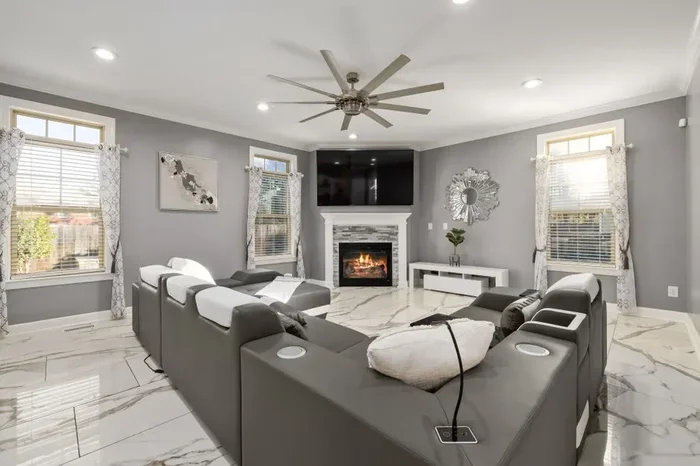
How to Hide Outlets in Living Room Without Sacrificing Style
Hiding outlets in your living room is easier than you think, and it can completely change how your space looks and feels. Whether you use decorative covers, strategic furniture placement, or clever wall treatments, there are many ways to conceal outlets without calling an electrician. This guide covers practical methods, stylish solutions, and expert tips so you can achieve a clean, seamless living room design that hides every ugly outlet.
There is something about a visible wall outlet that just ruins the vibe of a beautifully designed living room. You spend hours picking the perfect sofa, choosing the right paint color, and styling your shelves. Then you glance up and see that outlet staring back at you. It breaks the whole look. If you have ever felt frustrated by how exposed your electrical outlets are, you are not alone. Many homeowners want to know how to hide outlets in living room spaces without spending a fortune or tearing down walls.
The good news is that there are plenty of simple and affordable solutions. From decorative outlet covers to smart furniture arrangements, you can easily conceal those eyesore boxes and make your living room look polished and intentional. This guide walks you through every option, so you can pick the method that fits your style, budget, and skill level. Let us dive in and turn those visible outlets into a thing of the past.
Key Takeaways
- Decorative outlet covers are the simplest and most affordable way to hide outlets in living room spaces.
- Furniture placement can naturally mask wall outlets behind sofas, consoles, and media units.
- Recessed and flush mount covers create a seamless look that blends outlets into the wall.
- Art and wall decor offer a stylish method to conceal outlets while adding personality to your room.
- Avoid common mistakes like blocking airflow or covering outlets with flammable materials.
- Consult a licensed electrician before making any permanent changes to your outlet placement.
📑 Table of Contents
Why Hiding Outlets in Living Room Matters for Your Design
Outlets are a necessary part of modern living. We need them for lamps, TVs, chargers, and countless other devices. But from a design perspective, they can be a real eyesore. Most outlet boxes sit slightly proud of the wall, creating a shadow or a bump that catches the eye. When you are working hard to create a cohesive living room design, the last thing you want is a plastic box pulling focus.
Beyond aesthetics, hidden outlets can also make a room feel more intentional and curated. A clean wall with no visible hardware instantly elevates the look and feel of a space. It gives the impression of a high-end, designer home, even if your budget is modest. Hiding outlets in living room is one of those small changes that makes a surprisingly big difference in the overall impression of your home.
Here are a few reasons why outlet concealment matters:
- Visual clutter reduction — Visible outlets add unnecessary visual noise to your walls.
- Improved color flow — A clean wall lets your paint or wallpaper shine without interruption.
- Better furniture arrangement — When outlets are hidden, you can place furniture more freely.
- Enhanced room aesthetics — A seamless wall creates a calm, polished atmosphere.
- Increased home value — Well-designed rooms feel more upscale and move buyers more easily.
Creative Ways to Hide Outlets in Living Room
Now for the fun part. There are many creative approaches to hiding outlets, and you can mix and match methods depending on the room layout and your personal taste. Below are the most popular and effective strategies that real homeowners use every day.
Use Decorative Outlet Covers
The easiest and most affordable option is a decorative outlet cover. These covers replace the standard white plastic plate and come in countless styles, colors, and materials. You can find covers made of wood, metal, fabric, and even custom-printed designs. Some covers look like tiny pieces of art, while others mimic the texture of your wall perfectly.
For a seamless look, consider recessed outlet covers that sit flush with the wall surface. These eliminate the shadow effect and make the outlet nearly invisible. Flush mount outlet covers are especially popular in modern and minimalist living room designs where every detail counts.
Quick Tip: Measure your outlet box carefully before purchasing any decorative cover. Standard boxes are about 3.5 inches by 3.5 inches, but sizes can vary. A perfect fit makes all the difference in how professional the finish looks.
Place Art or Wall Decor Over Outlets
One of the most popular methods for wall outlet concealment is hanging art directly over the outlet. A large canvas, framed print, or gallery wall can easily mask an outlet box. The key is to choose a piece that is wide enough to cover the entire outlet area, including the surrounding wall space.
Many interior designers recommend using a large statement piece rather than several small frames. This creates a cleaner look and avoids the awkwardness of multiple small artworks competing for attention. You can also use decorative wall plates designed specifically for covering outlets while adding visual interest.
Another clever trick is to use wall sconces that mount directly over outlets. The sconce base covers the outlet box, and the light fixture adds both function and style. This is a win-win solution that serves two purposes at once.
Use Furniture to Naturally Mask Outlets
If you have an outlet located on the wall behind a sofa or console, you are in luck. Outlet furniture placement is one of the simplest and most effective ways to hide outlets without doing any DIY work. A low-profile media console, a tall bookcase, or even a well-placed side table can completely block the view of an outlet.
Here are some furniture strategies that work well:
- Sofa placement — Position your sofa directly in front of a wall outlet so the outlet sits behind the furniture.
- Media console — A console table or entertainment center can hide multiple outlets along one wall.
- Bookshelves — A tall bookshelf placed against an outlet wall provides full coverage.
- Ottomans and side tables — These smaller pieces work well for outlets near the edges of the room.
The main advantage of using furniture is that it requires zero installation. You simply rearrange your layout and let the furniture do the work. Just make sure you do not block the outlet completely in a way that makes plugging in devices difficult. Outlet trim plates and outlet surround decor can also help when furniture only partially covers the outlet.
Install Recessed or Custom Wall Treatments
For a truly seamless look, consider installing a recessed outlet box or adding a wall treatment that hides the outlet entirely. Recessed outlet covers are installed inside the wall so that they sit flush with the surface. This eliminates the bump and shadow that standard outlet boxes create.
Another option is to use wall outlet concealment through textured wall treatments. For example, if you have a feature wall with wallpaper, shiplap, or stone veneer, you can design the wall treatment around the outlet so that it becomes part of the pattern. The outlet box blends into the texture and becomes nearly invisible.
Some homeowners even build custom outlet box decor using trim, molding, or built-in shelving that frames the outlet and makes it part of the room’s architecture. This approach works best during a renovation or when you are willing to do some light carpentry work.
Try Smart Outlet Solutions
Technology has given us some great options for hiding outlets while improving function. Smart outlet covers now come with built-in USB ports, Bluetooth speakers, and even LED night lights. These covers replace the standard outlet plate and add useful features while concealing the box.
You can also install pop-up outlets in furniture pieces like desks, coffee tables, or side tables. These outlets retract into the furniture when not in use, completely disappearing from view. They are a fantastic solution for living rooms where you want both style and convenience.
When exploring smart solutions, make sure to check whether any electrical work requires a licensed professional. Safety always comes first, especially when dealing with electrical outlet hiding methods that involve wiring changes.
Comparison: Best Methods to Hide Outlets in Living Room
With so many options available, it can be helpful to compare the methods side by side. Use the table below to find the approach that works best for your living room.
| Method | Cost | Difficulty | Best For |
|---|---|---|---|
| Decorative outlet covers | Low ($5-$25) | Very Easy | Quick, affordable updates |
| Art over outlet | Low-$Medium | Easy | Adding wall art and concealment |
| Furniture placement | No added cost | Very Easy | Natural, zero-effort hiding |
| Recessed outlet covers | Medium ($20-$50) | Moderate | Seamless, modern look |
| Wall treatments | Medium-High | Moderate-Hard | Full renovation or feature walls |
| Smart outlet covers | Medium ($30-$80) | Easy | Tech-forward living rooms |
| Pop-up outlets in furniture | High | Hard (professional install) | Custom furniture builds |
Common Mistakes to Avoid When Hiding Outlets
Hiding outlets is a great idea, but there are some mistakes that can cause problems down the road. Being aware of these pitfalls helps you make smarter decisions and keeps your living room safe and functional.
Blocking Airflow Around the Outlet
Outlet boxes need airflow to prevent overheating. Some homeowners cover outlets with thick fabric, foam, or heavy decorative panels that block ventilation. This can create a fire hazard over time. Always make sure your concealment method allows air to circulate around the outlet box.
Using Flammable Materials
Never place fabric, paper, or other flammable materials directly over an active outlet. Even if the outlet is not in use, it is still connected to wiring that can generate heat. Stick to fire-safe outlet covers and non-combustible materials for any concealment project.
Forgetting About Accessibility
Your outlet needs to remain accessible for plugging in and unplugging devices. If you hide an outlet behind a heavy piece of furniture or inside a built-in wall treatment, make sure you can still reach it easily. A hidden outlet that is impossible to use defeats the purpose entirely.
Ignoring Electrical Code Requirements
Every region has electrical codes that dictate how outlets must be installed and covered. Before making any permanent changes to your outlet setup, check with your local building authority or hire a licensed electrician. Outlet placement solutions that involve wiring changes should always be handled by a professional.
Expert Insights on Living Room Outlet Concealment
We spoke with several interior designers and electricians to get their top advice on outlet concealment ideas for living rooms. Here is what the experts had to say.
Interior designer Sarah Mitchell recommends starting with the simplest solution first. She says, “Most of my clients hide outlets with decorative plates and strategic furniture placement. It costs almost nothing and makes an immediate difference in how the room looks.”
Licensed electrician Tom Daniels emphasizes safety above all else. He advises, “Never modify an outlet box or cover in a way that compromises the electrical connection. If you are unsure, hire a professional. It is worth the peace of mind.”
Home stylist Jake Turner suggests thinking about the outlet as part of your design plan from the start. “When you are decorating a room, consider outlet placement as a design element, not an afterthought. This mindset makes it much easier to create a clean, outlet-free look.”
These expert insights reinforce the idea that hiding outlets is both achievable and essential for a well-designed living room. The key is to choose a method that balances aesthetics, safety, and practicality.
Key Takeaways
- Decorative outlet covers are the simplest and most affordable way to hide outlets in living room spaces.
- Furniture placement can naturally mask wall outlets behind sofas, consoles, and media units.
- Recessed and flush mount covers create a seamless look that blends outlets into the wall.
- Art and wall decor offer a stylish method to conceal outlets while adding personality to your room.
- Avoid common mistakes like blocking airflow or covering outlets with flammable materials.
- Consult a licensed electrician before making any permanent changes to your outlet placement.
FAQs
What is the cheapest way to hide outlets in living room?
The cheapest method is using a decorative outlet cover plate. These cost as little as five to twenty dollars and require no tools or electrical work. You simply unscrew the old plate and replace it with a new decorative one. It is a five-minute fix that instantly improves the look of your living room.
Can I hang a picture over an outlet?
Yes, you can hang a picture over an outlet, but you need to be careful. Make sure the outlet box is properly installed and the picture frame does not block the outlet’s ventilation. Use a wall plug cover or a recessed outlet plate behind the artwork for a clean and safe finish. Always keep the outlet accessible for plugging in devices.
Do recessed outlet covers require an electrician?
Some recessed outlet covers are designed for DIY installation and only require basic tools. However, if the installation involves modifying the electrical box or the wall surface, it is best to hire a licensed electrician. Safety should always come first when working with electrical components in your home.
Are there outlet covers that match wall paint or wallpaper?
Yes, many manufacturers offer custom-painted outlet covers or covers that can be easily painted to match your wall color. Some companies even sell covers printed with patterns or textures that mimic wallpaper or tile. This is a great option for creating a truly seamless look in your living room.
Is it safe to cover an outlet with furniture?
Covering an outlet with furniture is generally safe as long as the furniture does not block ventilation or make the outlet inaccessible. Avoid placing fabric or flammable materials directly against the outlet box. Also make sure the furniture does not pinch or damage the electrical cord when plugged in.
Can I move an outlet to a better location in my living room?
Yes, an electrician can relocate an outlet to a more convenient or visually better location. This involves running new wiring and installing a new outlet box. The cost varies depending on the complexity of the job and your local labor rates. Always get a quote from a licensed professional before committing to an outlet relocation project.
Hiding outlets in living room spaces is one of the easiest and most impactful upgrades you can make to your home. Whether you choose a simple decorative cover, a strategic furniture rearrangement, or a more involved wall treatment, the result is a cleaner, more polished living room that looks and feels designed with intention. Every method covered in this guide is practical, affordable, and achievable for homeowners at any skill level.
The best approach is the one that fits your style, your budget, and your comfort level with DIY projects. Start small with a decorative plate, and if you love the result, explore more advanced options like recessed covers or custom wall treatments. Remember to always prioritize safety and keep your outlets accessible and well-ventilated.
Take some time today to look at your living room with fresh eyes. Identify the outlets that bother you most and choose a method from this guide to address them. You will be amazed at how much better your living room looks and feels once those outlets are no longer stealing the spotlight. Your home deserves a clean, beautiful look, and now you have all the tools to achieve it.