Elegant Traditional Living Room Ideas For Timeless Style
Elegant traditional living room ideas blend classic charm with modern comfort to create a space that feels both refined and inviting. You will learn how to choose the right furniture, color palettes, lighting, and accessories that define timeless style. These tips help you build a sophisticated living room that stays beautiful for decades.
There is something truly special about a well-designed traditional living room. It feels warm. It feels welcoming. And it tells a story about the people who live there. If you have ever walked into a room and felt an instant sense of calm and sophistication, chances are it was designed with elegant traditional living room ideas in mind.
Traditional design is not about following trends. It is about creating a space that feels timeless, comfortable, and deeply personal. Whether you are starting from scratch or refreshing an existing room, this guide will walk you through everything you need to know. You will discover how to choose furniture, pick colors, add the right accessories, and avoid common pitfalls. Let us dive in.
Key Takeaways
- Rich wood tones and ornate furniture form the foundation of any elegant traditional living room.
- Neutral color palettes with accent colors create a balanced and timeless look.
- Chandeliers and layered lighting add warmth and drama to traditional spaces.
- Architectural details like crown molding and wainscoting elevate the room’s elegance.
- Vintage accessories and heirloom pieces bring personality and depth to the design.
- Avoid over-cluttering — traditional elegance thrives on simplicity and quality over quantity.
📑 Table of Contents
- What Makes a Traditional Living Room Elegant
- Choosing the Right Furniture for Your Space
- Color Schemes and Patterns That Work
- Lighting and Accessories That Elevate the Space
- Fireplace and Architectural Details
- Common Mistakes to Avoid When Designing a Traditional Living Room
- Bringing It All Together
What Makes a Traditional Living Room Elegant
Traditional design has roots that go back centuries. It draws from classic European styles and blends them with everyday comfort. The result is a room that feels both grand and livable. But what exactly makes a traditional living room look elegant? Let us break it down.
The Foundation: Furniture and Layout
The furniture you choose sets the tone for the entire room. In traditional living room decor, pieces tend to be sturdy, well-crafted, and full of character. Think of rolled arms on sofas, turned legs on chairs, and solid wood construction. These pieces are built to last, which is part of what gives them their charm.
Arrangement matters too. In a traditional setting, furniture often faces the fireplace or the main focal point of the room. This creates a conversational layout that feels natural and inviting. You do not need to push everything against the walls. Pulling furniture slightly forward can make the room feel more intimate and cohesive.
Rich Wood Tones and Natural Materials
One of the hallmarks of elegant traditional design is the use of rich wood tones. Mahogany, cherry, walnut, and oak are all popular choices. These woods bring warmth and depth to a room. They also age beautifully, gaining character over time.
Beyond wood, traditional rooms often feature materials like leather, velvet, silk, and linen. These textiles add texture and visual interest. A velvet armchair next to a leather ottoman creates a layered look that feels both luxurious and approachable. Mixing textures is a simple trick that makes a big difference.
Choosing the Right Furniture for Your Space
Selecting furniture for a traditional living room is about more than just picking pieces you like. It is about finding items that work together to create a unified look. Here are some practical tips to guide you.
Invest in Key Pieces
Start with the big items: your sofa, armchairs, and coffee table. These pieces will anchor the room. Look for quality over quantity. A single well-made sofa in a classic design will always outperform several cheap, trendy pieces. When you invest in ornate furniture, you are building a foundation that will last for years.
Consider pieces with details like carved wood, button-tufted upholstery, or scalloped edges. These small touches add a layer of refinement. They signal that the room was designed with care and intention.
Mix Period Styles Thoughtfully
You do not need to stick to one exact era. Many beautiful traditional rooms blend elements from different periods. A Queen Anne-style chair next to a more modern piece can create an interesting contrast. The key is to keep a consistent color palette and overall mood so the mix feels intentional rather than random.
When shopping for furniture, look for pieces that share at least one common feature. This could be a matching wood finish, a similar silhouette, or a coordinating fabric. These connections help tie the room together.
Scale and Proportion Matter
Furniture should fit the room proportionally. An oversized sofa in a small room will feel cramped. A tiny chair in a large room will look lost. Measure your space before you buy anything. Sketch out a rough floor plan if it helps. Getting the scale right is one of the simplest ways to achieve that polished, elegant look.
Color Schemes and Patterns That Work
Color has a powerful effect on the mood of a room. In elegant traditional living room ideas, color palettes tend to be warm, grounded, and sophisticated. Let us explore some approaches that work beautifully.
Neutral Foundations with Rich Accents
A neutral color palette is the backbone of most traditional rooms. Think creamy whites, warm beiges, soft grays, and deep creams. These colors create a calm and elegant backdrop. They also give you flexibility to change accent colors without redoing the entire room.
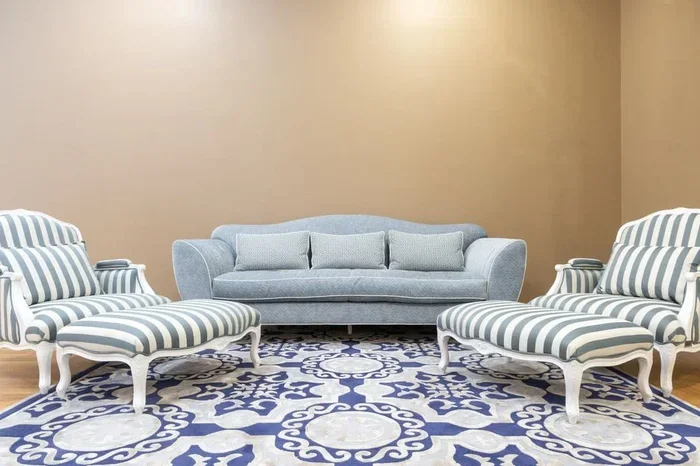
Once you have your neutral base, add rich accent colors. Deep burgundy, navy blue, forest green, and gold are all classic choices. These colors add depth and personality. They work beautifully in throw pillows, curtains, and artwork.
Classic Patterns and Textiles
Patterns bring life to a traditional living room. Damask, toile, florals, and stripes are all timeless options. The trick is to use them in moderation. Too many patterns can make a room feel busy and chaotic.
A good rule of thumb is the three-pattern rule. Pick one large-scale pattern, one medium-scale pattern, and one small-scale pattern. Make sure they share at least one color. This creates a cohesive look that feels curated rather than cluttered.
Wall Treatments That Add Dimension
Traditional rooms often feature architectural wall treatments that add visual interest. Wainscoting walls and decorative molding are two popular options. Wainscoting adds a raised panel effect that makes walls feel more substantial and refined.
Paint your wainscoting in a contrasting shade for a dramatic look. Or keep it the same color as the walls for a subtler effect. Either way, these details add a level of sophistication that is hard to achieve any other way.
Lighting and Accessories That Elevate the Space
Lighting is one of the most overlooked elements in traditional design. But it can make or break the ambiance of a room. The right lighting choices turn a nice space into an extraordinary one.
Chandeliers and Statement Fixtures
A chandelier lighting fixture can serve as the crown jewel of a traditional living room. Crystal chandeliers, in particular, are a classic choice. They cast beautiful light patterns across the room and add a sense of grandeur.
If a full chandelier feels too formal, consider a semi-flush mount or a pendant light with traditional styling. The goal is to choose a fixture that feels elegant but also fits the scale of your room. A fixture that is too small gets lost. One that is too large overwhelms the space.
Layered Lighting for Warmth
Professional designers always use layered lighting. This means combining ambient, task, and accent light sources. Ambient light comes from your overhead fixture. Task light comes from table lamps and floor lamps. Accent light highlights artwork or architectural features.
Layering creates depth and dimension. It also makes the room feel more functional. You can brighten the room for entertaining or dim it for a cozy evening at home. Both moods are essential in a well-designed living room.
Accessories That Tell a Story
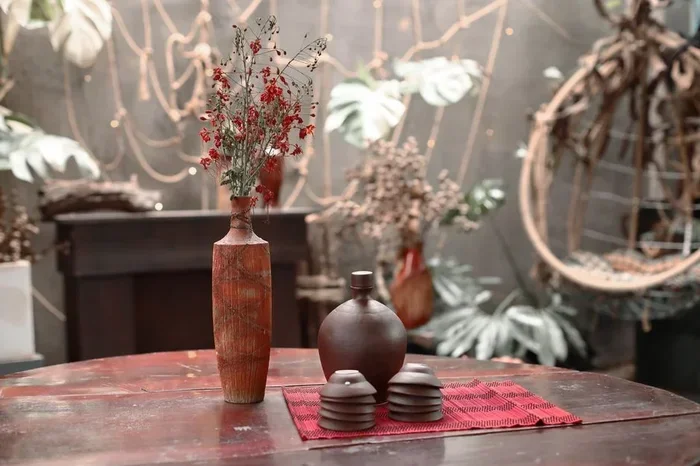
Accessories are what give a traditional living room its soul. Vintage accessories and heirloom pieces carry meaning and history. A grandfather clock, a framed family portrait, or a collection of antique books all add character.
Do not be afraid to display personal items. Traditional design is not about creating a showroom. It is about creating a home. A few well-chosen accessories speak volumes about who you are and what you value.
Here are some quick tips for accessorizing:
- Group items in odd numbers for a more natural look.
- Use trays to organize small items on coffee tables and consoles.
- Add antique mirrors to reflect light and make the room feel larger.
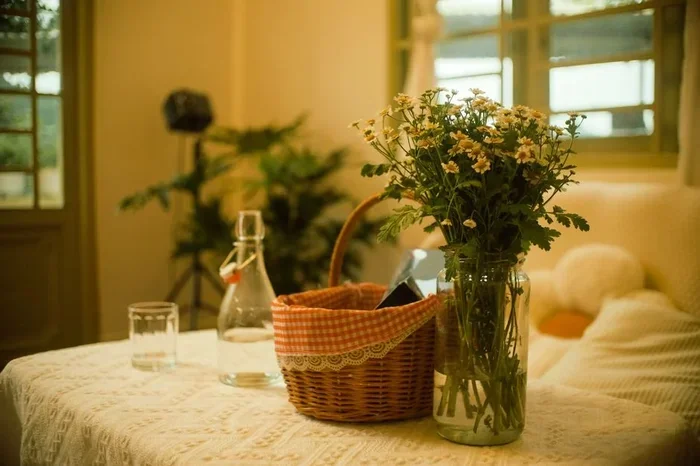
- Incorporate fresh flowers or greenery for a touch of life.
- Layer area rugs under furniture to define the seating zone.
Fireplace and Architectural Details
The fireplace has always been the heart of a traditional living room. It draws people together and creates a natural focal point. Even if you do not use your fireplace regularly, it still anchors the room visually.
Traditional Fireplace Design
A classic brick or stone fireplace adds warmth and texture. You can paint the surround in a neutral tone to keep the look clean and modern. Or you can leave the natural material exposed for a more rustic feel.
Add a mantel that suits your style. Carved wooden mantels are a traditional favorite. They provide a natural display space for candles, artwork, or seasonal decorations. The mantel is one of the easiest ways to inject personality into the room.
Built-In Shelving and Crown Molding
Built-in shelving is another feature that elevates traditional design. Custom bookshelves around the fireplace or along an alcove add both storage and visual interest. Style them with a mix of books, objects, and negative space for a balanced look.
Crown molding and decorative molding along the ceiling and walls add architectural elegance. These details were standard in homes built during the traditional design era. If your home does not have them, consider adding them during a renovation. The impact is remarkable.
Window Treatments for Elegance
Do not overlook your windows. Silk curtains or layered drapery add a touch of luxury. Choose heavy fabrics that drape beautifully. Hang curtains close to the ceiling and wider than the window frame. This trick makes windows look larger and the room feel more spacious.
Common Mistakes to Avoid When Designing a Traditional Living Room
Even with the best intentions, it is easy to make missteps when designing a traditional space. Here are some pitfalls to watch out for.
Overdoing the Ornament
Traditional design celebrates detail, but there is a fine line between elegant and overdone. Too many carved pieces, too many patterns, or too many accessories can make a room feel heavy. Remember that traditional elegance thrives on simplicity and quality. Choose a few standout pieces rather than filling every surface.
Ignoring Comfort
Traditional design is sometimes mistaken for formal and stiff. But the best traditional living rooms are comfortable too. Choose seating that invites you to sit and stay awhile. Add plenty of soft throws and cushions. A room that looks beautiful but feels uncomfortable is not truly successful.
Skipping the Focal Point
Every room needs a focal point. Without one, the eye has nowhere to rest. The fireplace is the most common choice, but a large piece of artwork or a statement window can work just as well. Identify your focal point and arrange your furniture around it.
Forgetting About Flow and Function
Beauty matters, but so does function. Make sure there is enough space to move around comfortably. Leave room for traffic paths between furniture pieces. A room that looks great but feels cramped will not feel truly elegant.
Here are some quick reminders to keep in mind:
- Measure your room before buying furniture.
- Create a clear focal point for the space.
- Balance ornate pieces with simpler ones.
- Prioritize comfort alongside aesthetics.
- Leave enough breathing room between furniture groups.
Bringing It All Together
Designing a living room with elegant traditional living room ideas is a rewarding journey. It is about creating a space that reflects your personal taste while honoring classic design principles. Start with the foundation. Choose quality furniture in rich materials. Build your color palette around warm neutrals with bold accents. Layer in lighting that creates atmosphere. Add accessories that tell your story. And pay attention to architectural details that give the room its character.
The beauty of traditional design is its flexibility. You can interpret it in many different ways. Whether your style leans more formal and grand or warm and relaxed, the principles remain the same. Focus on quality, balance, and comfort. Let your personality shine through the choices you make.
Take your time. Great design does not happen overnight. Collect pieces that you love. Arrange them thoughtfully. And trust the process. The result will be a living room that feels timeless, elegant, and truly yours.
Frequently Asked Questions
What colors work best for elegant traditional living rooms?
Neutral tones like cream, beige, and warm gray form the perfect base. Rich accent colors such as burgundy, navy, forest green, and gold add depth and sophistication. Stick to a palette of three to four colors for a cohesive look.
How do I make a small living room feel traditionally elegant?
Choose furniture with a lighter visual weight. Use mirrors to create the illusion of space. Stick to a light neutral color palette. Opt for scaled-down versions of classic pieces. Every item should earn its place in the room.
Can I mix modern and traditional elements in the same room?
Absolutely. Blending modern and traditional pieces creates a layered, interesting space. The key is to maintain a consistent color palette and balance. Let one style dominate and use the other as accents.
What type of lighting is best for a traditional living room?
Chandeliers and semi-flush mount fixtures work well as ambient light. Table lamps and floor lamps add task lighting. Use accent lighting to highlight artwork or architectural features. Layered lighting creates the most elegant results.
How important are architectural details in traditional design?
They are very important. Details like crown molding, wainscoting, and decorative trim add character and depth. If your home lacks these features, you can add them during renovations. They make a significant impact on the overall feel of the room.
Where can I find authentic traditional furniture pieces?
Antique shops, estate sales, and vintage dealers are excellent sources. Many furniture companies also offer traditional-style collections with modern construction. Focus on quality craftsmanship and materials that will stand the test of time.