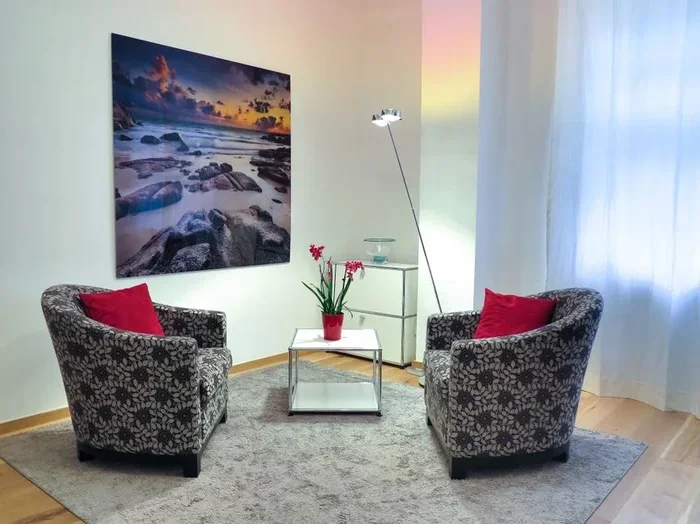
How to Decorate a Living Room With Effortless Style
Learn how to decorate a living room with simple, proven techniques that transform any space into a stylish retreat. This guide covers furniture layout, color choices, lighting layers, and accessorizing tricks that make a big impact with minimal effort. Whether you are starting fresh or refreshing a tired room, these living room decor ideas help you create a cozy living room that reflects your personal taste and feels welcoming every single day.
Want to know how to decorate a living room that looks like it came straight out of a magazine? You do not need a huge budget or a design degree. With a few smart choices and a bit of confidence, you can turn any living space into a place you love coming home to.
The truth is, most people overthink their living room decor. They scroll through endless Pinterest boards, feel overwhelmed, and end up doing nothing at all. But here is the secret — decorating does not have to be complicated. It is about making intentional choices that reflect who you are and how you want to feel in your space.
This guide walks you through everything you need to know about home styling. From picking the right color palette to arranging your furniture in a way that actually works, we have got you covered. By the end, you will feel ready to tackle your own room makeover with ease and excitement.
Key Takeaways
- Start with a focal point: Every great living room needs a anchor piece that ties the whole space together.
- Choose a cohesive color palette: Stick to 2-3 base colors and build from there for a polished look.
- Arrange furniture for conversation: Position your sofa and chairs to encourage connection and easy flow.
- Layer your lighting: Combine overhead, task, and accent lights to add depth and warmth.
- Accessorize with intention: Use throw pillows, wall art, and decorative objects to add personality without clutter.
- Add soft furnishings for comfort: Rugs, curtains, and blankets make a room feel inviting and complete.
- Take it step by step: A successful room makeover does not happen overnight — build your style gradually.
📑 Table of Contents
- Start With Your Focal Point
- Choose a Color Palette That Works
- Arrange Furniture for Flow and Comfort
- Master Layered Lighting
- Accessorize with Intention
- Add Soft Furnishings for Coziness
- Common Mistakes to Avoid
- Expert Insights on Effortless Style
- Bringing It All Together: Your Room Makeover Plan
- Conclusion
Start With Your Focal Point
Every room needs a focal point. This is the first thing your eyes land on when you walk in. It anchors the entire space and gives your furniture arrangement a clear starting point.
What Makes a Great Focal Point?
Your focal point can be many things. A fireplace is a classic choice. A large window with a beautiful view works wonderfully too. Some rooms feature a bold piece of wall art or a statement TV wall unit. The key is to choose something that feels natural and intentional.
Here are common focal points to consider:
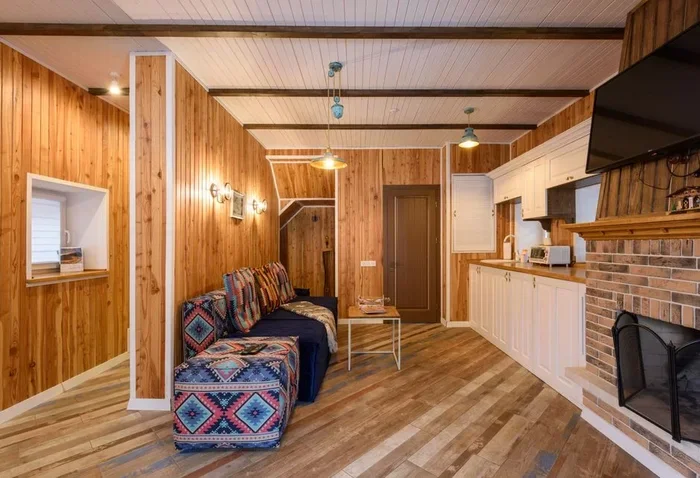
- Fireplace: A natural gathering spot that adds warmth and character.
- Large window: Lets in natural light and highlights a view.
- Statement wall: A painted accent wall or gallery wall draws the eye.
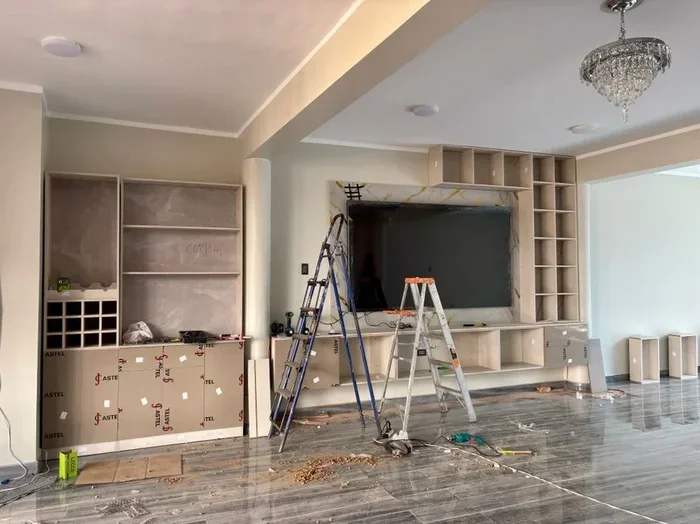
- Entertainment center: A sleek media console can serve as a modern anchor.
Once you identify your focal point, arrange your main furniture pieces around it. Your sofa should face it directly. Chairs can angle slightly inward to create a cozy conversation area. This simple trick makes the whole room feel balanced and purposeful.
Choose a Color Palette That Works
Color is one of the most powerful tools in home styling. The right palette sets the mood and ties everything together. But choosing colors can feel intimidating if you do not know where to start.
Pick Your Base Colors First
Start by choosing two or three base colors. One should be your dominant color, which covers the largest areas like your walls and sofa. The second is your secondary color, used for things like curtains and accent chairs. The third is an accent color that pops through in small doses.
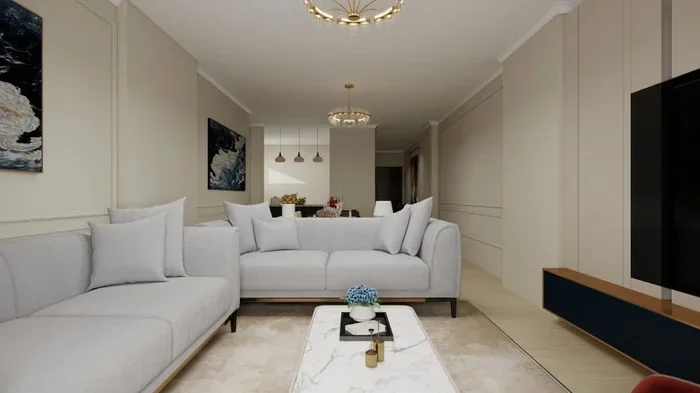
Many people love working with neutral tones as their foundation. Shades like warm beige, soft gray, and creamy white create a calm backdrop. They also make it easy to switch up your look later without starting from scratch.
Add Personality With Accent Colors
Once your base is set, introduce your personality through accent colors. Maybe you love a deep navy blue. Or perhaps a warm terracotta feels more like you. These colors come alive in throw pillows, a small area rug, or a vase on your coffee table.
A quick tip: pull your accent color from something you already love. A favorite painting, a piece of fabric, or even a pair of shoes can inspire your entire color story. This keeps your decorating feeling personal and authentic.
Arrange Furniture for Flow and Comfort
Furniture arrangement is where most people get stuck. They push all the pieces against the walls, and the room ends up feeling empty and awkward. Instead, try floating your furniture in the center of the room.
The Conversation Triangle
Think about how people actually use a living room. They sit, talk, and relax together. Arrange your sofa and chairs to create a natural conversation area. You do not need to push everything against the walls. In fact, pulling your sofa a few inches forward often makes the room feel larger and more inviting.
Keep these furniture arrangement tips in mind:
- Create clear pathways: Leave at least 30 inches between furniture pieces for easy movement.
- Use a coffee table: It should be about 16-18 inches from your sofa for comfortable reach.
- Angle your chairs: Slightly tilted chairs feel more relaxed and welcoming than perfectly straight ones.
- Match scale to room size: A small room needs smaller furniture. A large open floor plan can handle bigger pieces.
Remember, your furniture layout should support the way you live. If you love movie nights, position your seating toward the TV. If you enjoy reading, create a cozy corner with a comfortable chair and a good lamp.
Master Layered Lighting
Lighting is the secret weapon of every beautifully decorated room. A single overhead light creates harsh shadows and flat energy. Layered lighting adds depth, warmth, and atmosphere to any space.
The Three Layers of Light
Great rooms use three types of lighting working together. First, there is ambient lighting, which provides overall illumination. This is your ceiling fixture or recessed lights. Second, there is task lighting, which helps you see what you are doing. Think reading lamps and table lights. Third, there is accent lighting, which highlights art or architectural features.
Here is how to bring layered lighting into your living room:
- Ambient: Use a dimmable overhead fixture or a floor lamp placed in a corner.
- Task: Add a table lamp next to your reading chair or sofa.
- Accent: Install small wall sconces or LED strip lights behind a shelf.
Accent lighting is a game changer. It adds depth and makes the room feel curated rather than just lit. A simple picture light above your wall art or a small lamp on a console table can completely transform the mood.
Accessorize with Intention
Accessories are what turn a plain room into a personal space. But there is a fine line between curated charm and cluttered chaos. The trick is to be intentional about every item you add.
Throw Pillows and Soft Furnishings
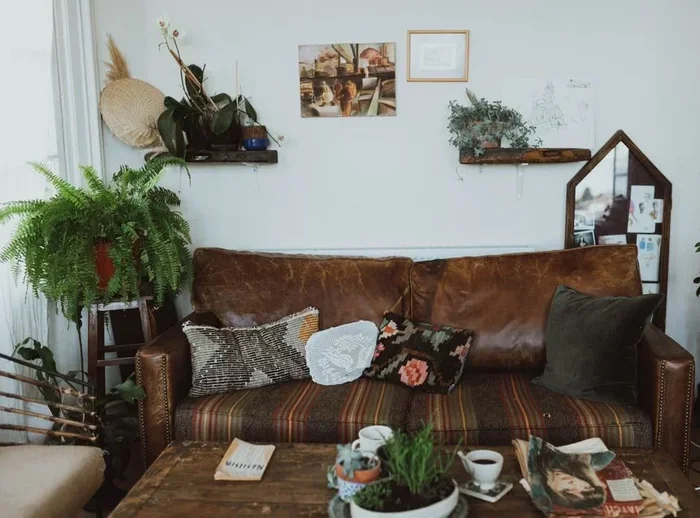
Throw pillows are one of the easiest and most affordable ways to refresh your living room decor. They add color, texture, and comfort. Mix different sizes and textures for visual interest. Try combining a velvet pillow with a linen one and a woven basket throw blanket.
Do not be afraid to play with patterns. A striped pillow next to a floral one can look amazing as long as they share at least one color. This keeps the look cohesive without being boring.
Wall Art and Shelf Styling
Your walls tell a story. Hang artwork that you genuinely love. It does not matter if it is a painting, a photograph, or even a colorful textile. What matters is that it resonates with you.
For shelf styling, group items in odd numbers. A cluster of three books, a small plant, and a decorative object creates a natural, eye-catching display. Vary the heights and textures to keep it interesting. Avoid lining everything up perfectly — a little asymmetry feels more organic and relaxed.
The Coffee Table
Your coffee table is a small stage. Style it with a tray, a few books, and a small plant or candle. Keep it simple. A cluttered coffee table makes the whole room feel messy. A styled one adds charm and personality without effort.
Add Soft Furnishings for Coziness
Soft furnishings are the finishing touch that makes a living room feel complete. They add warmth, absorb sound, and create that cozy living room feeling everyone craves.
Start with an area rug. This is one of the most impactful decisions you will make. A large rug that fits under the front legs of your sofa and chairs defines the seating area and adds texture. Choose a size that works with your furniture layout — too small and it looks lost, too large and it overwhelms the space.
Curtains are another soft furnishing with serious impact. Hang them high and wide to make your windows look larger. Choose a fabric that complements your color palette. Sheer curtains let in gentle light, while heavier drapes add privacy and a sense of luxury.
Do not forget the power of textiles in your decorative accessories. A chunky knit throw draped over the arm of your sofa invites people to curl up and stay a while. These small touches make a big difference in how the room feels.
Common Mistakes to Avoid
Even the best intentions can lead to decorating missteps. Here are a few common mistakes to watch out for:
- Skipping the rug: Without an area rug, your seating area feels disconnected and unfinished.
- Matching everything perfectly: A room where every piece matches looks staged, not lived in. Embrace variety.
- Ignoring scale: Tiny furniture in a large room looks lost. Oversized furniture in a small room feels cramped.
- Over-accessorizing: Too many decorative objects create visual noise. Edit ruthlessly.
- Forgetting about traffic flow: Make sure you can walk through the room comfortably without squeezing past furniture.
Avoiding these pitfalls keeps your decorating process smooth and your results looking polished.
Expert Insights on Effortless Style
Professional interior designers agree on one thing — effortless style comes from simplicity. The best rooms feel easy because someone made deliberate choices and then stopped. Not every wall needs art. Not every surface needs a decoration.
Interior design tips from experts often come down to a few core principles. Balance is one. You want a mix of visual weight throughout the room. Symmetry creates formality. Asymmetry creates a more relaxed, modern feel. Rhythm is another — repeat colors, textures, or shapes in different parts of the room to create visual harmony.
One of the most valuable interior design tips is to edit before you buy. Look at your room with fresh eyes. Remove anything that does not serve a purpose or bring you joy. Then add only what you truly need. This approach keeps your living room decor feeling fresh and intentional over time.
Bringing It All Together: Your Room Makeover Plan
Now that you know the key elements, here is a simple plan to guide your room makeover. Start with your focal point and work outward. Choose your color palette next. Then arrange your furniture for flow. Add lighting layers. Finally, bring in your accessories one at a time.
Do not rush the process. A successful home styling journey takes time. Live with your room for a few weeks before adding new pieces. You will start to notice what feels right and what does not. Trust your instincts. You know your own style better than anyone.
The goal is not perfection. It is a living room that feels like you. A space that welcomes you home and makes you smile every time you walk through the door. That is the real magic of how to decorate a living room with effortless style.
Conclusion
Learning how to decorate a living room does not require years of training or a massive budget. It requires a clear vision, a few basic principles, and the confidence to make choices. Start with your focal point. Build a color palette you love. Arrange furniture for comfort and conversation. Layer your lighting. Add soft furnishings and accessories with care. Avoid common decorating mistakes. And most importantly, enjoy the process.
Your living room is the heart of your home. It is where you relax, connect with loved ones, and recharge. By following these interior design tips, you can create a space that is both beautiful and deeply personal. So go ahead — start your room makeover today. Your effortlessly stylish living room is closer than you think.
Frequently Asked Questions
What is the best way to start decorating a living room?
Begin by identifying your focal point and choosing a color palette. These two decisions guide every other choice you make. From there, arrange your furniture and add lighting and accessories one by one.
How do I make a small living room look bigger?
Use light neutral tones on your walls. Choose furniture with exposed legs to create a sense of airiness. Add a large mirror to reflect light. Keep pathways clear and avoid overcrowding with too many pieces.
What are the best color palettes for a cozy living room?
Warm neutrals like beige, taupe, and soft gray create a cozy foundation. Add depth with accent colors like navy, forest green, or warm terracotta. These combinations feel inviting and timeless.
How much does a living room makeover cost?
A makeover can cost as little or as much as you want. Simple changes like rearranging furniture, adding throw pillows, and swapping curtains cost very little. Larger investments like new furniture or an area rug can be phased in over time.
What is the rule for arranging living room furniture?
Create a conversation area where seating faces inward. Leave at least 30 inches between pieces for easy movement. Pull your sofa slightly away from the wall to create a more intimate and dynamic layout.
How do I know if my living room decor is complete?
A room feels complete when it looks balanced, feels comfortable, and reflects your personality. If you love walking into the space and it makes you feel at ease, you have likely achieved the right balance. Trust your gut and edit anything that feels unnecessary.