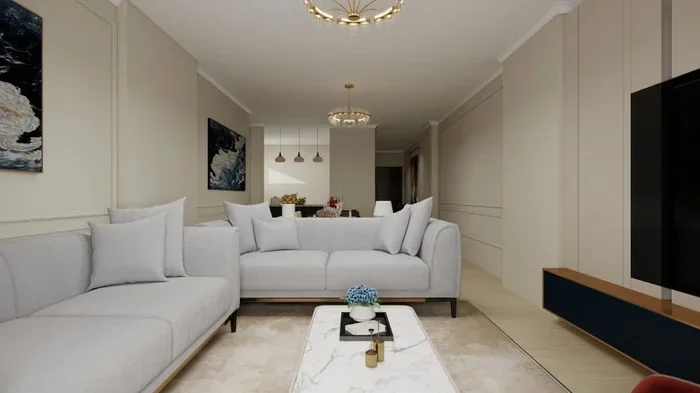
Your Guide to Different Types of Living Room Styles
Finding the right living room style can completely change how your home feels. This guide covers the most popular types of living room styles, from modern and minimalist to bohemian and farmhouse. You will learn what makes each style unique, what furniture and colors work best, and how to choose the one that fits your personality. Whether you are redecorating or just curious, this guide has practical tips and real examples to help you create a space you will love.
Your living room is the heart of your home. It is where you relax, entertain guests, and spend quality time with family. The different types of living room styles give you the power to shape that space into something that truly reflects who you are. Whether you prefer clean lines and minimal fuss or warm textures and bold colors, there is a style out there waiting for you.
Choosing a living room style is not just about picking furniture. It is about creating a mood. The right design can make a small room feel spacious, or a large room feel cozy. In this guide, we will walk through the most popular living room styles and break down what makes each one special. By the end, you will know exactly what kind of look you want and how to bring it to life.
Key Takeaways
- There are many living room styles to choose from: Modern, farmhouse, Scandinavian, mid-century modern, bohemian, industrial, traditional, and transitional are the most popular options.
- Each style has its own color palette, furniture, and vibe: Understanding the core elements helps you identify what resonates with you.
- Mixing styles is totally okay: Eclectic and transitional styles let you combine elements from different aesthetics for a personalized look.
- Start with what you love: Pick a style based on how you want your home to feel, not just how it looks in magazines.
- Small changes make a big difference: You do not need to overhaul your entire room. Swapping out pillows, rugs, and lighting can shift the whole feel.
- Avoid common mistakes like over-matching or ignoring scale: These simple tips will keep your living room looking balanced and intentional.
📑 Table of Contents
- Why Your Living Room Style Matters
- Modern Living Room Style
- Scandinavian Living Room Style
- Mid-Century Modern Living Room Style
- Bohemian Living Room Style
- Farmhouse Living Room Style
- Industrial Living Room Style
- Traditional Living Room Style
- Transitional Living Room Style
- Coastal Living Room Style
- Eclectic Living Room Style
- Minimalist Living Room Style
- How to Choose Your Living Room Style
- Common Mistakes to Avoid When Choosing a Living Room Style
- Final Thoughts
Why Your Living Room Style Matters
The way you design your living room affects your daily mood more than you might think. A cluttered, mismatched room can feel stressful. A well-designed space with a clear living room aesthetic can help you feel calm and happy. Your style choices send a message about your personality, your habits, and what makes you comfortable.
Here is why picking a style matters:
- It creates consistency: A chosen style ties your furniture, colors, and accessories together.
- It saves money: When you know your style, you shop with purpose instead of buying random pieces.
- It boosts your confidence: A room that feels like “you” makes you proud to invite people over.
- It adds home value: A thoughtfully designed living room can increase your home’s appeal to buyers.
Modern Living Room Style
The modern living room is one of the most popular styles today. It focuses on clean lines, open spaces, and a sense of order. When people ask about different types of living room styles, modern design is almost always at the top of the list. This style came from the mid-20th century and still feels fresh and relevant.
Key Features of a Modern Living Room
- Neutral color palette: Think whites, grays, blacks, and soft beiges.
- Sleek furniture: Low-profile sofas and chairs with smooth surfaces.
- Minimal decor: Less is more. Every item has a purpose.
- Open layouts: Furniture is arranged to keep the space feeling open and airy.
- Natural light: Large windows and sheer curtains let sunlight flood in.
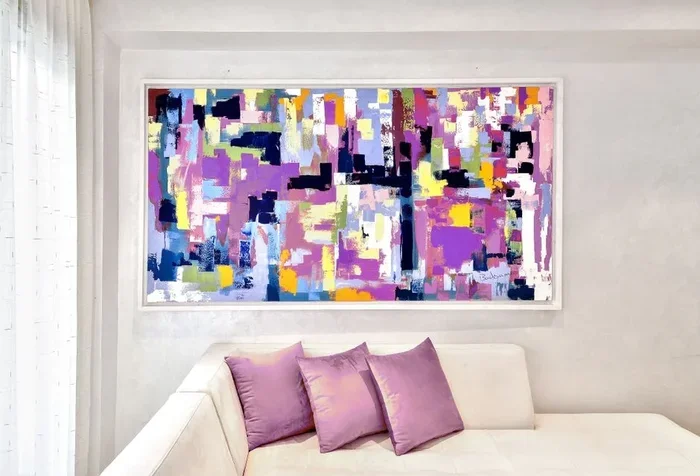
A great example of a modern living room is a space with a gray sectional sofa, a glass coffee table, and a single statement piece of art on the wall. The walls stay mostly bare, and the floors are clean and uncluttered. This style works beautifully in apartments and open-concept homes.
Quick Tip: If you want a modern look but feel it is too cold, add warm wood accents or a soft textured rug. This balances the sleekness with coziness.
Scandinavian Living Room Style
Scandinavian design has taken the world by storm, and for good reason. It combines simplicity with warmth in a way that feels both stylish and inviting. This style comes from the Nordic countries and emphasizes function, comfort, and natural materials. It is one of the most beloved living room styles for people who want a cozy yet polished look.
What Makes Scandinavian Design Unique
- Light woods: Pine, birch, and oak are used for furniture and flooring.
- Soft whites and pastels: The base is light and airy, often with pops of soft pink or muted blue.
- Textured textiles: Wool throws, linen cushions, and sheepskin rugs add warmth.
- Functional furniture: Every piece serves a purpose and looks beautiful doing it.
- Plants: Greenery brings life and freshness into the room.
Imagine a living room with a light oak coffee table, a plush white sofa, and a chunky knit throw draped over the arm. A few potted plants sit near the window, and a simple pendant light hangs above. That is the Scandinavian magic. It feels calm, organized, and deeply welcoming.
Mid-Century Modern Living Room Style
Do not confuse mid-century modern with modern design. Mid-century modern is its own distinct style that emerged in the 1940s through the 1960s. It is known for its retro charm, organic shapes, and timeless appeal. Many people who love different types of living room styles gravitate toward mid-century modern because it feels both vintage and sophisticated.
Defining Mid-Century Modern Elements
- Iconic furniture shapes: Tapered legs, curved backs, and sculptural forms.
- Bold colors: Mustard yellow, teal, burnt orange, and walnut brown are staples.
- Mix of materials: Wood, metal, plastic, and fabric come together in creative ways.
- Geometric patterns: Think atomic-era prints on pillows and curtains.
- Retro lighting: Sputnik chandeliers and arc floor lamps are signature pieces.
A mid-century modern living room might feature a tufted velvet sofa in mustard, a walnut coffee table with hairpin legs, and a round geometric rug. The walls could be a warm olive green, and a brass floor lamp adds a touch of glamour. It is a style that never goes out of fashion.
Expert Insight: Interior designers love mid-century modern because it pairs well with almost any other style. You can blend it with modern pieces or add bohemian touches for a unique look.
Bohemian Living Room Style
If you love color, texture, and personality, the bohemian living room is for you. This style is all about self-expression and freedom. There are no strict rules in boho design, which makes it one of the most fun living room styles to explore. It is creative, layered, and full of character.
Bohemian Style Essentials
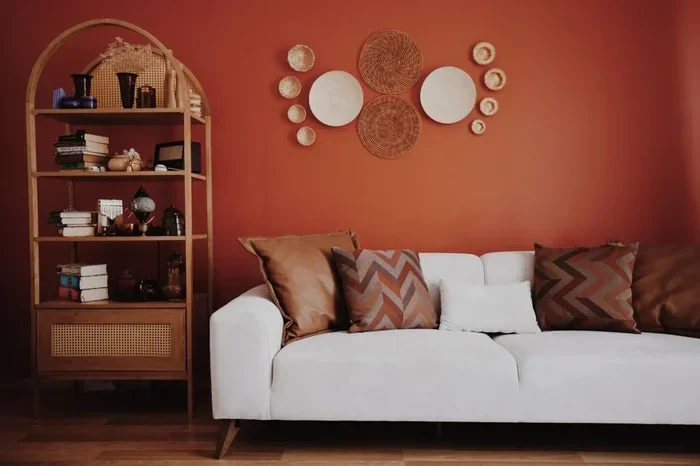
- Rich colors and patterns: Jewel tones, earthy hues, and mixed prints are encouraged.
- Vintage and handmade items: Rugs from Morocco, macrame wall hangings, and handmade pottery.
- Plants everywhere: Hanging plants, potted ferns, and trailing vines are essential.
- Layered textiles: Mix rugs, throws, and cushions in different textures and patterns.
- Mismatched furniture: A worn leather sofa next to a rattan chair is totally on brand.
A bohemian living room feels like a cozy treasure chest of treasures. You might find a colorful woven rug under a low wooden table, surrounded by floor cushions and hanging planters. The walls are covered in art, tapestries, and framed photos. It is a space that tells a story.
Common Mistake: Many people try too hard to look “boho” by adding random items without a cohesive thread. The trick is to pick a base color palette and build from there. Even eclectic spaces need some grounding.
Farmhouse Living Room Style
The farmhouse living room brings the warmth of the countryside into your home. This style is rooted in simplicity, comfort, and natural materials. It has surged in popularity thanks to shows and social media, and for good reason. A farmhouse living room feels like a warm hug.
Farmhouse Style Building Blocks
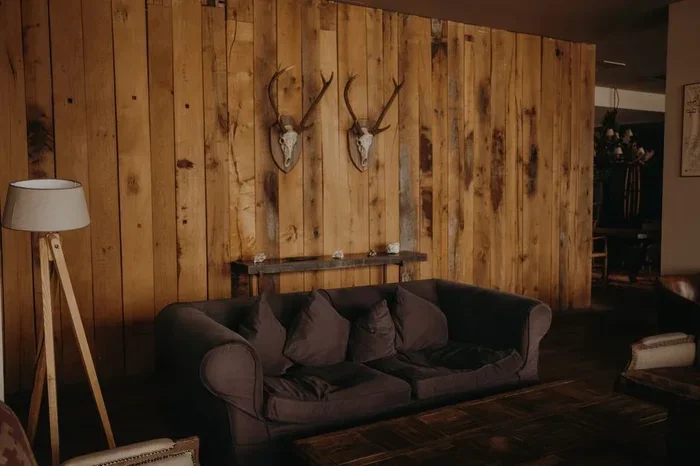
- Reclaimed wood: Barn doors, wooden beams, and distressed furniture are common.
- Neutral and earthy tones: Whites, creams, warm browns, and soft greens dominate.
- Cozy textiles: Plaid throws, linen curtains, and cotton cushions create comfort.
- Vintage accessories: Old books, mason jars, and antique clocks add charm.
- Open shelving: Displaying dishes and decor on open wooden shelves is very farmhouse.
Picture a farmhouse living room with a large reclaimed wood coffee table, a plush cream sofa, and a woven area rug. A stone fireplace anchors the room, and mason jars with wildflowers sit on the windowsill. The overall feel is warm, grounded, and effortlessly charming.
Industrial Living Room Style
The industrial living room draws inspiration from old factories and warehouses. It celebrates raw materials, exposed structures, and a rugged aesthetic. This style is perfect for people who like a bold, edgy look in their home. It is one of the more dramatic choices among different types of living room styles.
Industrial Design Must-Haves
- Exposed brick walls: This is the signature element of industrial design.
- Metal furniture and fixtures: Black iron, steel, and copper are heavily used.
- Concrete and wood floors: Polished concrete or aged hardwood floors work best.
- Dark color palette: Grays, blacks, and deep browns create a moody atmosphere.
- Utilitarian decor: Old factory lights, metal shelves, and leather sofas fit right in.
An industrial living room might have a leather Chesterfield sofa, a metal pipe coffee table, and Edison bulb pendant lights. The walls show exposed brick, and the floor is dark stained wood. It feels bold, urban, and undeniably cool.
Traditional Living Room Style
The traditional living room is classic, elegant, and timeless. It draws from European design traditions and emphasizes symmetry, rich colors, and refined details. If you love the idea of a formal, polished space, traditional design is worth exploring.
Traditional Living Room Features
- Rich wood furniture: Dark mahogany, cherry, and walnut pieces with carved details.
- Formal arrangements: Furniture is often placed in balanced pairs.
- Deep, saturated colors: Navy, burgundy, forest green, and gold are common.
- Ornate accessories: Crystal chandeliers, framed oil paintings, and silk curtains.
- Patterned fabrics: Damask, toile, and floral prints add visual interest.
A traditional living room might feature a pair of wingback chairs flanking a fireplace, a grand coffee table, and heavy drapes in deep red. The walls are often painted in rich warm tones, and the flooring is dark hardwood with a Persian rug on top.
Transitional Living Room Style
The transitional style is the perfect bridge between traditional and modern. It takes the best of both worlds and blends them seamlessly. This is one of the most versatile living room styles because it adapts easily to any home and any personal taste.
What Makes Transitional Work
- Balanced furniture: Mix classic silhouettes with clean modern lines.
- Neutral base with subtle pops of color: Beige, gray, and cream anchor the room, with soft accent colors.
- Texture over pattern: Instead of bold prints, transitional design relies on texture for interest.
- Streamlined decor: Accessories are curated but not overly formal or overly minimal.
- Comfortable and livable: The room feels both polished and relaxed.
A transitional living room might have a neutral linen sofa with simple metal legs, paired with a traditional wooden bookshelf. The rug is a subtle geometric pattern, and the lighting is modern but warm. It feels put-together without trying too hard.
Coastal Living Room Style
The coastal living room brings the breezy feel of the beach into your home. It is light, fresh, and relaxed. This style is perfect if you love the ocean and want your living room to feel like a peaceful retreat. It is one of the most refreshing choices among different types of living room styles.
Coastal Style Essentials
- White and blue color scheme: Crisp whites paired with ocean blues and sandy neutrals.
- Natural light: Sheer curtains and large windows keep the room bright.
- Nautical touches: Rope details, shells, and driftwood add coastal charm.
- Light wood furniture: Whitewashed or natural wood keeps the feel airy.
- Soft textiles: Linen cushions, cotton throws, and jute rugs complete the look.
Imagine a coastal living room with a white wicker sofa, a light oak coffee table, and a striped navy-and-white rug. The walls are painted a soft blue-gray, and seashells sit in a glass vase. The room feels open, calm, and full of light.
Eclectic Living Room Style
If you love mixing and matching, the eclectic living room gives you total freedom. This style combines elements from different periods, cultures, and aesthetics to create something entirely unique. There is no single formula for eclectic design, which is what makes it so exciting.
How to Nail an Eclectic Living Room
- Start with a neutral base: A solid wall color and neutral large furniture give the room a foundation.
- Mix patterns boldly: Stripes, florals, and geometric prints can coexist when done with confidence.
- Combine old and new: A vintage rug next to a modern sofa creates visual interest.
- Add personal treasures: Travel souvenirs, family heirlooms, and handmade items all belong here.
- Use a unifying element: A repeated color or a consistent material ties everything together.
An eclectic living room might have a bright yellow accent wall, a mid-century modern sofa, a traditional Persian rug, and modern abstract art on the walls. It looks like a curated collection of the owner’s favorite things, and that is exactly the point.
Minimalist Living Room Style
The minimalist living room is all about intentionality. Every item in the room earns its place. This style strips away excess and focuses on what truly matters: function, quality, and calm. Minimalism is not about having less for the sake of it. It is about having only what adds value to your life.
Minimalist Design Principles
- Clean lines and simple forms: Furniture is low-profile and geometric.
- Limited color palette: Whites, grays, and soft earth tones dominate.
- Hidden storage: Everything has a place, and clutter is kept out of sight.
- High-quality pieces: Fewer items, but each one is well-made and meaningful.
- Empty space is embraced: Not every surface needs to be filled.
A minimalist living room might feature a single gray sofa, a small wooden side table, and one piece of wall art. The floor is clear, the walls are white, and the room breathes. It is peaceful, organized, and deeply calming.
Quick Tip: Start your minimalist journey by removing items you no longer use or love. Then build your room around the pieces that truly matter to you. Quality always beats quantity.
How to Choose Your Living Room Style
With so many different types of living room styles to choose from, the decision can feel overwhelming. Here is a simple approach to help you find your perfect match.
First, think about how you want your living room to feel. Do you want it to feel calm and organized, or bold and energetic? Second, look at your current furniture and ask what style it leans toward. Third, collect inspiration. Save images that catch your eye and look for patterns in what attracts you. Fourth, consider your budget. Some styles require specific furniture pieces that can be expensive, while others work well with budget-friendly finds. Finally, trust your gut. The right style is the one that makes you smile when you walk into the room.
You do not need to commit to one style forever. Many homeowners blend elements from multiple styles to create something personal. The key is to start somewhere and let your space evolve with you.
Common Mistakes to Avoid When Choosing a Living Room Style
- Copying a room exactly from Pinterest: Real life is different from curated photos. Adapt ideas to fit your space and needs.
- Ignoring your lifestyle: If you have kids and pets, a delicate white linen sofa may not be practical. Choose furniture that works for your daily life.
- Mixing too many styles at once: Combining too many aesthetics can create visual chaos. Pick one main style and let one or two others play a supporting role.
- Forgetting about scale: Oversized furniture in a small room or tiny accessories in a large room both look wrong. Measure your space before you buy.
- Neglecting lighting: Lighting sets the mood. A beautiful room with harsh overhead lighting will never feel as inviting as one with layered light sources.
Final Thoughts
Exploring different types of living room styles is an exciting journey. Each style offers something unique, and the best part is that there is no wrong answer. Whether you lean toward the clean simplicity of a modern living room, the cozy charm of a farmhouse living room, or the bold creativity of a bohemian living room, your space should feel like home.
Use this guide as a starting point. Gather inspiration, experiment with pieces, and remember that your style can grow and change over time. The most important thing is that your living room feels like a place you love to be. Start small, stay true to yourself, and enjoy the process of creating a space that is uniquely yours.
Frequently Asked Questions
What are the most popular types of living room styles?
The most popular living room styles include modern, Scandinavian, mid-century modern, bohemian, farmhouse, industrial, traditional, transitional, coastal, eclectic, and minimalist. Each style has its own unique look, feel, and set of design principles that make it stand out.
How do I know which living room style is right for me?
Think about how you want your living room to feel and what kind of atmosphere brings you joy. Look at inspiration images and notice patterns in what attracts you. Consider your lifestyle, budget, and the size of your space. The right style is the one that feels authentic to you.
Can I mix different living room styles together?
Absolutely. Mixing styles is a great way to create a personalized look. The key is to choose one dominant style and add accent pieces from other styles. Transitional and eclectic designs are perfect examples of blended styles that work beautifully in real homes.
What is the easiest living room style to achieve on a budget?
Minimalist and Scandinavian styles tend to be the most budget-friendly. They rely on fewer pieces, neutral colors, and natural materials. You can also achieve a farmhouse or coastal look with affordable thrift store finds and DIY touches. The secret is to focus on texture and arrangement rather than expensive furniture.
How can I change my living room style without spending a lot of money?
Small changes can completely shift the feel of a room. Swap out throw pillows, add a new rug, change your curtains, or rearrange your furniture. Add a statement light fixture or hang new wall art. These low-cost updates can transform your living room and help you move toward a new style.
What are the key elements that define a living room style?
The key elements include color palette, furniture shape and material, lighting, flooring, textiles, and decor accessories. Each style uses these elements differently to create a distinct mood. For example, modern style uses neutral colors and sleek furniture, while bohemian style uses rich colors and layered textures.