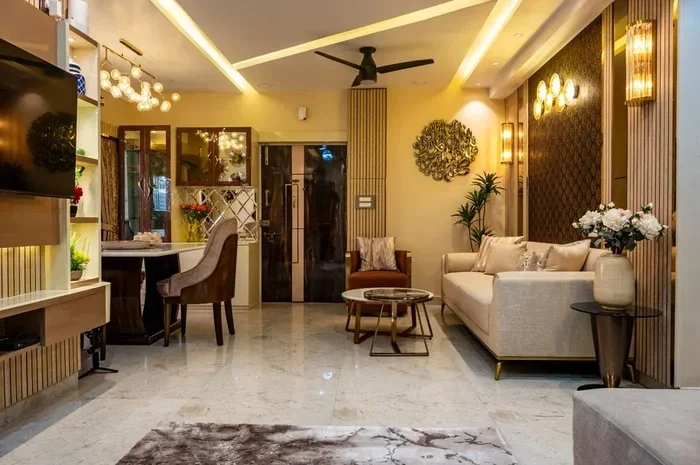
Home Improvement Living Room Ideas That Transform Your Space
Home improvement living room projects can completely change how your space looks and feels. Whether you have a big budget or just a weekend, these ideas help you create a room you love. Learn how to refresh furniture, update lighting, pick the right colors, and add personal touches that make your living room truly yours.
Your living room is the heart of your home. It is where you relax, entertain guests, and spend quality time with family. But over time, even the best living room can start to feel dull or outdated. That is where home improvement living room ideas come in.
A well-planned living room renovation does not require a huge budget or months of work. Sometimes, a few smart changes can completely change the feel of a room. In this guide, we will walk you through practical, actionable tips that help you transform your space from ordinary to extraordinary. Whether you are looking for home decor ideas or full-blown room transformation inspiration, you will find something here that works for you.
Home improvement living room projects range from simple weekend tasks to more involved upgrades. The key is knowing where to start and what will make the biggest difference. This article covers everything from layout and furniture arrangement to color schemes, lighting, and budget-friendly tricks. By the end, you will have a clear roadmap to create the living room of your dreams.
Key Takeaways
- Small Changes Make a Big Impact: Simple upgrades like new throw pillows, a fresh coat of paint, or updated lighting can completely refresh your living room without a major renovation.
- Budget-Friendly Options Exist: You do not need to spend a fortune. DIY projects, thrift store finds, and smart swaps can deliver stunning results for any home improvement living room budget.
- Layout Matters More Than You Think: Rearranging furniture and improving traffic flow can instantly make your living room feel larger and more inviting.
- Lighting Sets the Mood: Layering different light sources—ambient, task, and accent—transforms the atmosphere of any living room design.
- Color and Texture Create Depth: Using a cohesive color palette and mixing textures adds visual interest and makes the space feel polished and intentional.
- Personal Touches Make It Yours: Art, greenery, and meaningful decor items turn a generic room into a space that truly reflects your personality and style.
📑 Table of Contents
- Why Your Living Room Deserves a Makeover
- Plan Your Living Room Layout First
- Choose the Right Color Scheme
- Upgrade Your Lighting for Instant Impact
- Furniture Tips for Style and Comfort
- Budget-Friendly Home Improvement Living Room Hacks
- Common Mistakes to Avoid
- Expert Insights on Living Room Design
- Key Takeaways
- Conclusion
Why Your Living Room Deserves a Makeover
The living room sets the tone for your entire home. When it looks great, everything else feels better too. Yet many homeowners put off updating this important space. They think it requires a massive renovation or a big expense. The truth is much simpler.
A living room refresh can be as easy as swapping out a few accessories or repainting a wall. Small updates add up fast. They boost your mood, increase your home’s value, and make daily life more enjoyable. Think of your living room as a canvas. Every change, no matter how small, contributes to the bigger picture.
Here are some reasons to consider a home improvement living room project right now:
- Boosts curb appeal and resale value. A stylish living room makes a strong first impression.
- Improves daily comfort. A well-designed space feels more relaxing and welcoming.
- Reflects your personal style. Your home should feel like you, not a showroom.
- Saves money long term. Small updates prevent bigger problems down the road.
- Increases functionality. Better layout and storage make the room work harder for you.
Plan Your Living Room Layout First
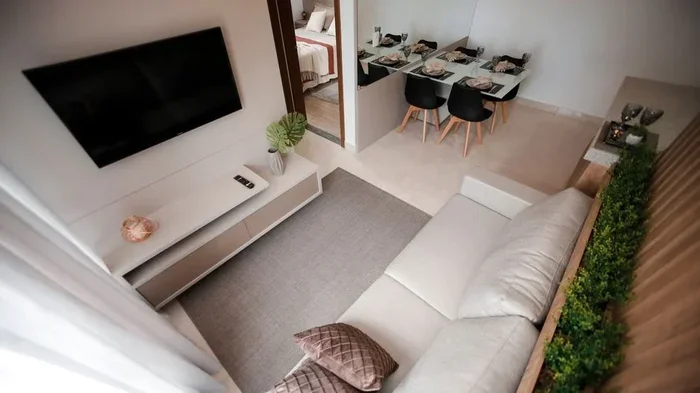
Before buying anything new, start with your layout. The way furniture is arranged affects how the room feels and functions. A good living room layout improves traffic flow and makes the space feel open and airy.
Measure Your Room and Map It Out
Grab a tape measure and note the dimensions of your room. Mark the windows, doors, and any architectural features. Then sketch a simple floor plan. This helps you visualize where each piece of furniture will go. Many people underestimate how much space they actually have—or lack. A quick sketch prevents costly mistakes.
Create a Focal Point
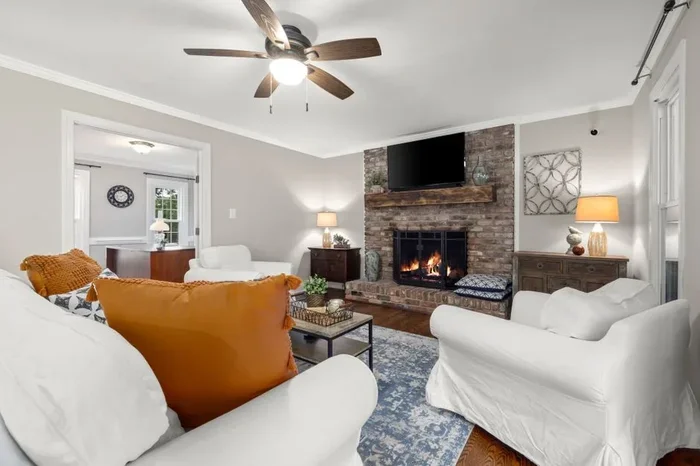
Every great living room has a focal point. This could be a fireplace, a large window, a TV wall, or a piece of art. Arrange your main seating around this focal point. It creates a natural gathering spot and gives the room a sense of purpose.
Leave Room to Breathe
Do not push furniture against every wall. Leaving space between pieces makes the room feel larger. Aim for at least 30 inches of walking space between furniture. This simple trick is one of the most overlooked interior design tips for living rooms.
Choose the Right Color Scheme
Color has a powerful effect on mood and perception. The right living room color scheme can make a small room feel spacious or a large room feel cozy. Choosing colors is one of the most impactful home improvement decisions you can make.
Start With a Neutral Base
Neutral colors like white, beige, gray, and soft cream work as a versatile foundation. They pair well with almost any style and make it easy to change accessories later. If you love bold colors, use them as accents through pillows, rugs, and artwork. This keeps the room balanced and visually appealing.
Consider the Light in Your Room
Rooms with lots of natural light can handle deeper, richer colors. North-facing rooms or spaces with little natural light benefit from lighter, warmer tones. Test paint samples on your walls before committing. Watch how the color changes throughout the day. This small step saves time and regret later.
Add Accent Colors for Personality
Accent colors bring life to a neutral room. Think navy blue, mustard yellow, sage green, or dusty rose. Use them in throw pillows, curtains, or a feature wall. A well-chosen accent color ties the whole room together and adds depth without overwhelming the space.
Upgrade Your Lighting for Instant Impact
Lighting is one of the easiest and most affordable ways to transform a living room. Many homes rely on a single overhead light, which creates flat, harsh illumination. Layered lighting adds warmth, depth, and function to any space.
Layer Your Light Sources
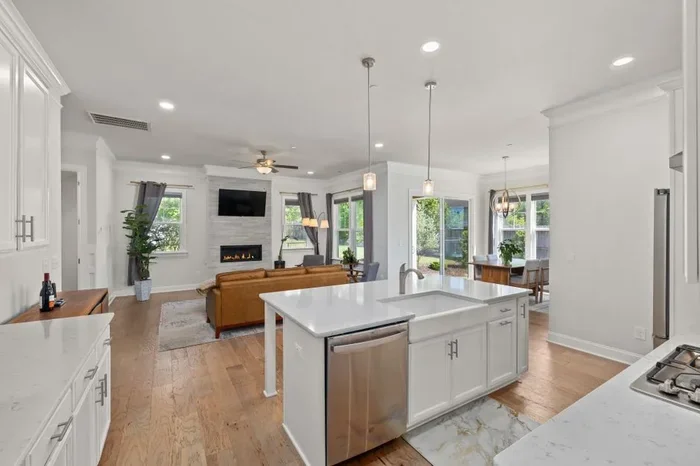
Good lighting uses three layers: ambient, task, and accent. Ambient lighting provides general illumination—think ceiling fixtures or recessed lights. Task lighting focuses on specific areas, like a reading lamp next to a favorite chair. Accent lighting highlights art, architectural details, or plants. Combining all three creates a dynamic and inviting atmosphere.
Use Floor and Table Lamps Strategically
Lamps are affordable and come in countless styles. Place a tall floor lamp in a dark corner to brighten the room. Use table lamps on side tables for a cozy glow. Swap out old lampshades for a fresh look. This is one of the simplest DIY living room projects that delivers immediate results.
Add Dimmer Switches
A dimmer switch is a small upgrade with a big payoff. It lets you adjust the brightness to match the time of day and the mood. Hosting a movie night? Dim the lights. Entertaining guests? Brighten them up. Dimmers are inexpensive and easy to install, making them a perfect budget home improvement project.
Furniture Tips for Style and Comfort
Furniture is the backbone of any living room. Choosing the right pieces—and placing them well—makes all the difference. You do not always need to buy everything new. Smart choices and a little creativity go a long way in home improvement projects.
Invest in a Quality Sofa
The sofa is usually the largest piece of furniture in the room. It sets the style and comfort level for the entire space. Look for durable materials and a design that fits your lifestyle. If your current sofa is still in good shape, consider having it reupholstered. This is a cost-effective way to update the look without replacing the whole piece.
Mix and Match Furniture Styles
Matching furniture sets are no longer the only option. Mixing styles adds character and visual interest. Pair a modern sofa with a vintage coffee table. Combine a rustic bookshelf with sleek side chairs. The key is to find a unifying element, like a shared color or material, to keep the room cohesive.
Add Functional Storage Pieces
A cluttered living room feels chaotic. Storage furniture helps keep things tidy while adding style. Ottomans with hidden storage, media consoles with closed cabinets, and bookshelf units all serve double duty. They keep your living room design ideas practical and beautiful at the same time.
Budget-Friendly Home Improvement Living Room Hacks
Transforming your living room does not have to break the bank. Some of the best home improvement results come from creative, low-cost solutions. Here are tried-and-true hacks that deliver big impact for small investment.
Paint an Accent Wall
A single accent wall adds color and drama without the cost of painting the entire room. Choose a wall that naturally draws the eye, like the one behind your sofa. A bold shade or a subtle wallpaper texture can completely change the room’s personality. This project can be done in a single afternoon.
Refresh Your Window Treatments
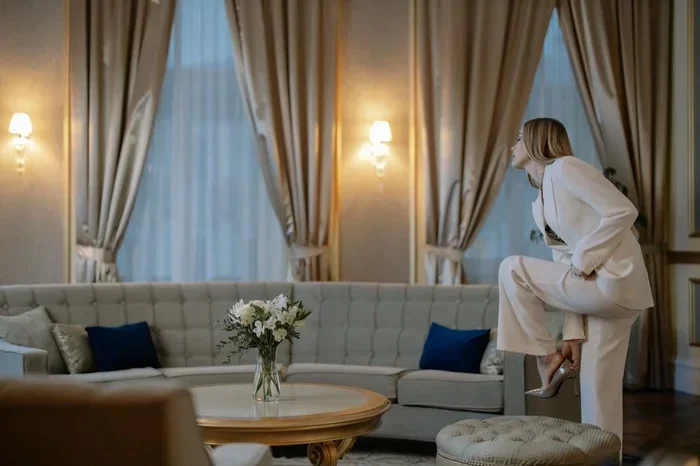
Curtains and blinds frame your windows and control natural light. Upgrading them instantly freshens the room. Try sheer curtains for a light, airy feel or blackout curtains for a cozy, polished look. Rod-pocket styles are easy to install and come in affordable fabrics at any home improvement store.
Update Hardware and Fixtures
Small details like door handles, light switch plates, and curtain rod finials add up. Swapping out old, worn hardware for modern alternatives gives the room a polished, updated feel. This is one of the most underrated home improvement tips for renters and homeowners alike.
Bring in Plants and Natural Elements
Houseplants breathe life into any room. They add color, texture, and a sense of calm. Low-maintenance options like pothos, snake plants, and peace lilies thrive in indoor conditions. Place them on shelves, side tables, or in stylish planters. Natural elements like wood, stone, and woven baskets add warmth and ground the space.
Common Mistakes to Avoid
Even the best intentions can lead to missteps in a living room renovation. Avoiding these common mistakes saves time, money, and frustration.
- Skipping the planning phase. Without a clear vision, purchases become random and disconnected. Take time to plan your layout, color palette, and style before buying anything.
- Overcrowding the room. Too much furniture makes a space feel cramped. Measure your room and leave enough breathing room between pieces.
- Ignoring the flow. Furniture should allow easy movement through the room. Avoid blocking doorways or walkways.
- Choosing style over comfort. A beautiful sofa means nothing if no one wants to sit on it. Balance aesthetics with everyday comfort.
- Neglecting lighting. Relying on a single overhead light creates a flat, uninviting atmosphere. Layer your lighting for a more dynamic result.
- Copying a design exactly. Inspiration is great, but your living room should reflect your own personality. Adapt ideas to fit your space and lifestyle.
Expert Insights on Living Room Design
Interior designers agree on a few principles that make home improvement living room projects successful. These insights come from years of experience and can guide your own decisions.
Start with a clear style direction. Whether you prefer modern, farmhouse, mid-century, or eclectic, having a style in mind keeps your choices focused. Browse magazines, Pinterest boards, and design blogs for inspiration. Save images that resonate with you and look for patterns in color, texture, and furniture style.
Focus on one room at a time. Trying to renovate the entire house at once leads to burnout and overspending. Prioritize the living room since it is the most visible and frequently used space. A focused approach yields better results and keeps your budget in check.
Invest in quality where it matters. Spend more on pieces you use daily, like your sofa and mattress. Save on decorative items where trends change quickly. This approach ensures longevity and timeless style.
Trust your instincts. Trends come and go, but your personal taste is timeless. If a piece or color makes you feel good, it is probably the right choice for your home. The best living room upgrades are the ones that feel authentic to you.
Key Takeaways
- Start with layout and flow: Arranging furniture properly makes the biggest immediate difference in how your room feels.
- Use color strategically: A fresh paint job or accent wall is one of the most cost-effective ways to transform a space.
- Layer your lighting: Combining ambient, task, and accent lighting creates a warm, inviting atmosphere.
- Mix old and new furniture: You do not need to replace everything. Smart combinations add character and save money.
- Keep it personal: Add art, plants, and meaningful decor to make the room truly yours.
- Set a budget and stick to it: Plan your expenses before you start shopping to avoid overspending.
- Small updates compound: Even minor changes like new hardware or throw pillows add up to a major transformation over time.
Conclusion
A home improvement living room project is one of the most rewarding investments you can make in your home. It does not have to be complicated or expensive. With the right plan, a clear vision, and a willingness to start small, you can completely change how your living room looks and feels. From rearranging furniture and updating paint colors to upgrading lighting and adding personal touches, every change moves you closer to the space you have always wanted.
The beauty of living room improvement is that it is ongoing. You can make small updates over time or tackle a bigger project all at once. What matters most is that the space reflects who you are and supports how you live. Start with one change today. You will be surprised how quickly your living room begins to feel brand new.
Now that you have all the ideas and strategies, it is time to take action. Grab a notebook, measure your room, and pick one project to start this weekend. Your dream living room is closer than you think.
Frequently Asked Questions
What are the easiest home improvement living room projects for beginners?
Paint an accent wall, swap out throw pillows and curtains, add a new area rug, or update light fixtures. These projects require minimal skills and tools but deliver noticeable results. They are perfect first steps for anyone new to home improvement.
How can I improve my living room on a tight budget?
Focus on low-cost changes like rearranging furniture, repainting a single wall, adding DIY art, or shopping at thrift stores for unique pieces. Even simple updates like new lampshades or a fresh coat of paint can dramatically change the look of a room without straining your wallet.
What is the best color scheme for a small living room?
Light and neutral colors like soft white, warm beige, or pale gray make small rooms feel open and airy. Use a slightly deeper shade on one accent wall to add depth. Avoid dark colors on all walls, as they can make a small space feel cramped and closed in.
How do I choose the right furniture for my living room?
Start by measuring your room and identifying your needs. Consider how many people use the space and what activities happen there. Choose a sofa that fits the scale of the room, and mix in pieces that balance comfort with style. Always test seating before you buy.
Can I do a living room renovation myself?
Absolutely. Many DIY living room projects are simple and rewarding. Painting, arranging furniture, updating lighting, and adding decor are all tasks you can handle on your own. Save complex electrical or structural work for licensed professionals.
How often should I update my living room decor?
There is no set rule. Some people refresh their space every season with new pillows and accessories. Others make larger changes every few years. The best approach is to update when the room no longer feels inspiring to you. Small swaps keep the space feeling current without a full renovation.