Modern Formal Living Room Ideas You Will Love Today
Modern formal living room ideas modern combine timeless elegance with clean, contemporary lines for a space that feels both sophisticated and welcoming. You will learn how to choose the right color palette, statement furniture, and decorative accessories that transform any room. These tips make it easy to create a polished, stylish living room you will love spending time in every single day.
When you think about formal living room ideas modern, you might picture stiff, cold spaces that feel more like a museum than a home. That could not be further from the truth today. Modern formal design has evolved into something warm, inviting, and incredibly stylish. The best part is that you do not need a huge budget to pull it off.
A well-designed formal living room sets the tone for your entire home. It is the first room guests see, the place where families gather for special moments, and a space that reflects your personal taste. Whether you are redesigning from scratch or simply refreshing what you have, the right approach makes all the difference. In this article, we will walk you through proven strategies to create a modern formal living room that looks stunning and feels comfortable every single day.
Key Takeaways
- Neutral tones with bold accents create a balanced and inviting modern formal look
- Statement furniture anchors the room and sets the tone for the entire space
- Proper lighting transforms a formal space into a warm, inviting area for family and guests
- Architectural details like crown molding add instant elegance and character
- Accessorizing with intention keeps the room refined, polished, and clutter-free
- Furniture arrangement matters just as much as the pieces you choose for the room
- Avoiding common mistakes like over-formalizing ensures the room feels comfortable and lived-in
📑 Table of Contents
What Makes a Formal Living Room Feel Modern
The secret to a great formal living room lies in balance. Traditional formal rooms often feel heavy with dark wood and ornate details. Modern design strips away the excess and keeps what truly matters. The result is a space that feels refined, clean, and effortlessly elegant.
Clean Lines Meet Classic Elegance
Modern formal design leans heavily on clean lines. Think sleek sofas, straight-edged coffee tables, and uncluttered surfaces. But that does not mean you have to lose the warmth of classic style. Mixing clean lines with a few traditional pieces creates a look that feels both timeless and current. This blend is often called contemporary formal design, and it works beautifully in almost any home.
One easy way to start is by choosing furniture with simple silhouettes. A tufted sofa in a neutral shade pairs perfectly with a minimalist side table. You keep the formal feel without making the room look like it belongs in a different decade. This approach to modern decor gives you the best of both worlds.
The Role of Negative Space
Negative space is a big deal in modern design. It refers to the empty areas around furniture and decor. In a formal living room, negative space gives each piece room to breathe. It prevents the room from feeling crowded and lets your best pieces stand out. When you plan your living room layout, leave some open floor space. Your room will instantly look more polished and intentional.
Think of it like a well-organized room. Everything has its place, and nothing feels out of order. This sense of order is what makes modern formal spaces so appealing. It is calm, balanced, and visually pleasing. Your guests will notice the difference the moment they walk in.
Best Color Schemes for a Modern Formal Living Room
Color sets the mood in any room, and a formal space is no exception. The right color palette can make a small room feel expansive and a large room feel cozy. For formal living room ideas modern, neutral tones work as the foundation, and bold accents add personality and depth.
Neutral Foundations
Start with a base of soft whites, warm beiges, or cool grays. These neutral color schemes create a calm, sophisticated backdrop. They also make it easy to swap out accessories whenever you want a fresh look. A warm white wall paired with a charcoal gray sofa creates a refined yet approachable feel.
Do not be afraid to add depth with darker tones. A navy accent wall or a deep emerald sofa can add drama without overwhelming the space. The key is to keep the dominant colors light and neutral, then use darker shades as accents. This approach works well for home interior design projects of any size.
Adding Bold Accents
Once your base is set, introduce bold accent colors through pillows, artwork, or a statement rug. Gold, brass, and copper tones work beautifully in formal spaces. They add warmth and a touch of luxury without feeling over the top. A few well-placed metallic accessories can completely transform the room.
Here are some winning color combinations for a formal living room:
- Soft cream walls with a navy sofa and gold accents
- Light gray walls with a charcoal sectional and blush pink pillows
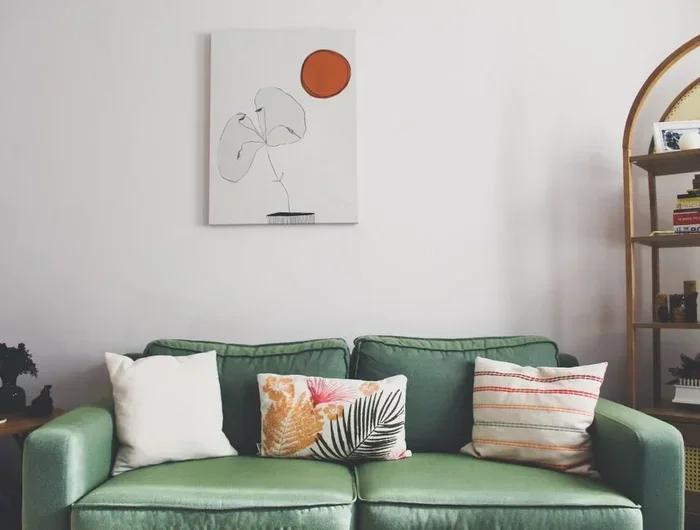
- White walls with a deep green velvet armchair and brass lamp
- Warm beige walls with a black and white patterned sofa and turquoise decor
Furniture Selection and Arrangement
Furniture is the backbone of any formal living room design. The pieces you choose and how you place them determine the room’s entire feel. In a modern formal space, every item should serve a purpose and look intentional. Contemporary furniture with clean lines and quality craftsmanship is the way to go.
Choosing the Right Statement Pieces
A statement piece anchors the room and gives it personality. This could be a grand sofa, an elegant armchair, or a unique coffee table. When selecting statement furniture for a modern formal room, look for quality over quantity. A single beautifully crafted piece does more for the room than several average ones.
Consider pieces with refined details like channel tufting, clean piping, or tapered legs. These small design elements add sophistication without feeling fussy. Upholstered furniture in velvet or leather elevates the entire room and gives it that upscale feel. Think of your furniture as an investment in your home’s luxury living room aesthetic.
Arranging Furniture for Conversation
How you arrange your furniture matters just as much as the pieces themselves. In a formal living room, the goal is to encourage conversation while maintaining an open, flowing feel. Here are some proven tips:
- Place the main sofa facing the focal point, such as a fireplace or television
- Arrange chairs at angles to create intimate conversation areas
- Keep pathways clear with at least 30 inches of walking space
- Use a large area rug to define the seating zone
- Anchor the arrangement with a coffee table that is proportional to the furniture
Avoid pushing all furniture against the walls. This is a common mistake that makes a room feel empty and uninviting. Pulling pieces slightly forward creates a more cozy and connected layout. Your formal seating area should feel like a natural gathering spot, not a showroom display. This is a key principle in living room furniture arrangement that many people overlook.
Mixing Formal and Casual Pieces
One of the best ways to keep a formal room from feeling stiff is to mix in a few casual pieces. A plush throw blanket draped over a sofa adds warmth and comfort. A woven basket for blankets keeps things tidy while adding texture. These small touches make the room feel lived-in and welcoming. Your formal entertaining space should feel like a place people want to relax, not a room they are afraid to sit on.
Lighting and Architectural Details
Lighting and architectural features can make or break a formal living room. They add depth, drama, and character that furniture alone cannot provide. Getting these elements right is what separates a good room from a great one.
Layered Lighting for Ambiance
A well-lit formal room uses multiple light sources at different heights. This is called layered lighting, and it creates a warm, inviting atmosphere. Start with ambient lighting from a chandelier or pendant fixture. Add task lighting with table lamps or floor lamps near seating areas. Finally, use accent lighting to highlight artwork or architectural features.
A stunning chandelier serves as the perfect centerpiece for a modern formal living room. It draws the eye upward and makes the ceiling feel taller. Choose a fixture that matches your style, whether it is a sleek modern design or a more traditional crystal piece. Chandelier lighting instantly adds a sense of grandeur and sophistication to any formal space.
Do not underestimate the power of dimmer switches. They let you adjust the mood for any occasion, from a bright afternoon gathering to a soft evening with family. This simple addition gives you complete control over the room’s ambiance.
Architectural Details That Impress
Do not overlook the architectural elements already in your room. Features like architectural details, crown molding, wainscoting, and exposed brick add instant character and elegance. If your room has high ceilings, celebrate them with tall bookshelves or a dramatic light fixture.
For rooms without built-in architectural details, you can add them. Crown molding is relatively affordable and transforms a plain room into something special. A decorative fireplace mantel, even if it is not functional, adds a focal point and a sense of formality. These details are what separate a truly polished room from a basic one. They give your formal fireplace design and overall space a sense of permanence and refinement that is hard to achieve any other way.
Decorative Accessories and Finishing Touches
The accessories in your room are the finishing touches that tie everything together. They add personality, color, and texture to your modern formal living room. But there is a fine line between curated and cluttered. The goal is to create a space that looks intentionally designed, not overdone.
Artwork and Wall Decor
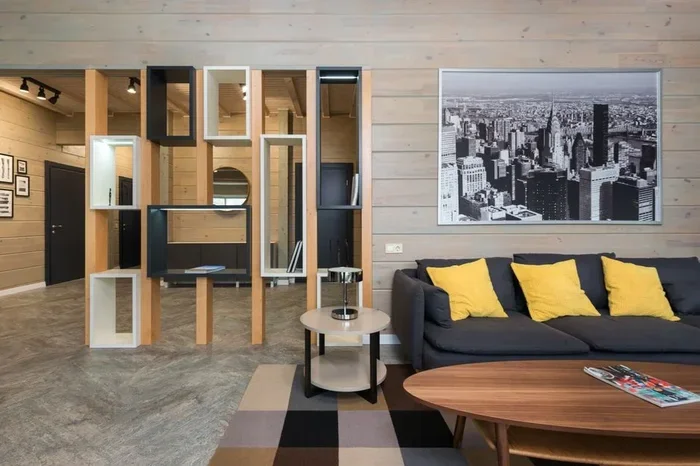
Artwork is one of the easiest ways to add personality to a formal space. Large-scale pieces work best above sofas or fireplaces. Choose art that complements your color scheme and adds visual interest without overwhelming the room. Black and white photography, abstract paintings, and minimalist prints all fit beautifully in a modern formal setting.
Consider creating a gallery wall if you have a large empty space. Mix frames in similar tones and vary the art sizes for a curated look. This approach adds depth and tells a story about your tastes and interests. It is a simple way to make your elegant living room feel personal and unique.
Decorative Accessories Done Right
When it comes to decorative accessories, less is more in a formal room. Choose a few high-quality pieces rather than filling every surface. A beautiful vase, a stack of coffee table books, and a sculptural object create a polished look without feeling busy. This approach to upscale home decor keeps the room feeling refined and expensive.
Here are some quick tips for accessorizing:
- Use odd numbers when grouping items, like three candles or five books
- Stick to a consistent color palette across all accessories
- Add texture with woven baskets, linen pillows, or a fur throw
- Include natural elements like fresh flowers or potted plants
- Rotate accessories seasonally to keep the room feeling fresh
Rugs and Window Treatments
A well-chosen rug defines the seating area and adds warmth underfoot. For a formal room, choose a rug that is large enough for all furniture legs to sit on it. This creates a cohesive look and makes the room feel complete. Neutral patterns or solid colors work best for a clean, modern aesthetic. The rug ties the whole living room design together and grounds the furniture in a way that feels intentional and polished.
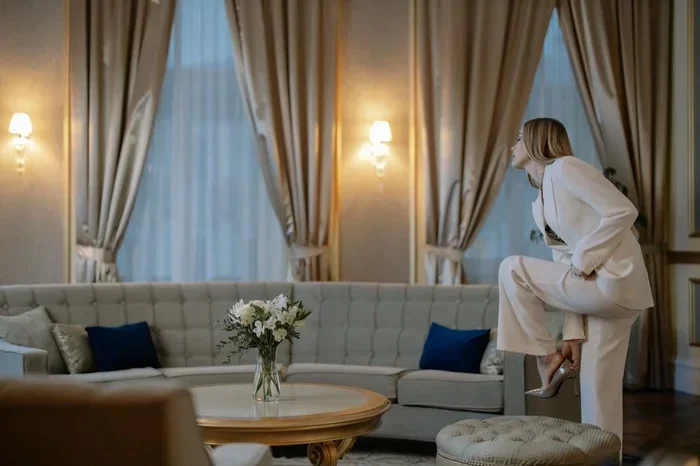
Window treatments also play a big role in formal living rooms. Floor-length curtains in a lightweight fabric like linen or sheer add elegance and softness. They filter light beautifully and create a sense of luxury. If you prefer a more modern look, simple roman shades in a neutral shade can be just as effective. The key is to keep the treatments simple and elegant, matching the overall tone of the room.
Common Mistakes to Avoid in Formal Living Room Design
Even with the best intentions, it is easy to make mistakes when designing a formal living room. Being aware of these pitfalls helps you avoid them and create a space that truly works for your lifestyle.
Over-Formalizing the Space
The biggest mistake people make is making the room too stiff. A formal room should feel elegant, not uncomfortable. If you feel like you need to keep your elbows on the table at all times, something is wrong. Add soft textiles, cozy throws, and personal items to warm up the space. The goal is to create a room that looks polished but feels like home.
Ignoring Scale and Proportion
Furniture that is too small or too large for the room throws off the entire balance. A tiny sofa in a large room looks lost, while an oversized sectional in a small room feels cramped. Always measure your space before purchasing furniture. Consider the scale of each piece relative to the room and to each other. Proper scale is one of the most overlooked aspects of living room design, yet it makes the biggest difference.
Skipping the Rug
Some people skip the rug to keep the room looking clean and modern. But a rug is essential in a formal living room. It anchors the furniture, adds color and texture, and defines the seating area. Without a rug, the room can feel unfinished and cold. Invest in a quality rug that complements your furniture and color scheme. It is one of the simplest ways to elevate the entire room.
Neglecting the Entryway
The entryway sets the tone for the entire room. A cluttered or bare entryway makes guests feel unwelcome before they even sit down. Add a console table, a mirror, and a small piece of art to create a welcoming first impression. This small detail makes a big difference in how the whole space feels. First impressions matter, and a well-designed entryway makes guests feel valued from the moment they arrive.
Conclusion
Creating a beautiful formal living room ideas modern space is all about finding the right balance between elegance and comfort. You do not need to choose between traditional and contemporary. The best rooms blend the best of both worlds, creating a space that looks sophisticated and feels genuinely welcoming to everyone who walks through the door.
Start with a strong neutral foundation, add a few statement pieces, and layer in lighting and accessories with intention. Pay attention to furniture arrangement, architectural details, and the small finishing touches that make a room feel complete. With the right approach, your formal living room can become the most inviting space in your home. It will be the room where memories are made and guests always feel at ease.
Take what you have learned here and start experimenting. Swap out a pillow, add a new lamp, or rearrange your furniture. Small changes lead to big transformations. Your dream modern formal living room is closer than you think, and it is going to look amazing. Trust your instincts, have fun with the process, and enjoy the journey of creating a space that truly reflects who you are.
Frequently Asked Questions
What is the best color palette for a modern formal living room?
Neutral tones like soft whites, warm beiges, and cool grays work best as your foundation. Add bold accents through pillows, artwork, or a statement rug in colors like navy, emerald, or gold. This combination keeps the room looking sophisticated while adding personality and warmth to the space.
How do I make a formal living room feel less stiff?
The key is to mix formal pieces with casual touches. Add plush throw blankets, textured pillows, and personal items like family photos or books. Layered lighting with dimmers also helps create a warm, inviting atmosphere that feels comfortable rather than intimidating.
What furniture works best for a modern formal living room?
Look for pieces with clean lines and refined details like channel tufting or tapered legs. Velvet or leather upholstery adds a touch of luxury. Choose quality over quantity, and make sure each piece is proportional to the room. A statement sofa and a couple of well-chosen accent chairs are all you need.
How important is lighting in a formal living room?
Lighting is absolutely essential. Layered lighting with a chandelier for ambient light, table lamps for task lighting, and accent lights for highlighting features creates depth and warmth. Dimmer switches let you adjust the mood for any occasion, making the room feel inviting at any time of day.
Can I mix modern and traditional furniture in a formal living room?
Absolutely. Mixing modern and traditional pieces is one of the best ways to create a timeless, personal look. Pair a sleek modern sofa with a classic wooden coffee table, or combine a traditional armchair with contemporary lighting. The key is to keep the color palette consistent so the mix feels intentional and harmonious.
What are common mistakes to avoid in formal living room design?
The most common mistakes include over-formalizing the space, choosing furniture that is the wrong size for the room, skipping the rug, and neglecting the entryway. To avoid these, focus on balance, measure your space carefully, invest in a quality rug, and always create a welcoming first impression at the door.