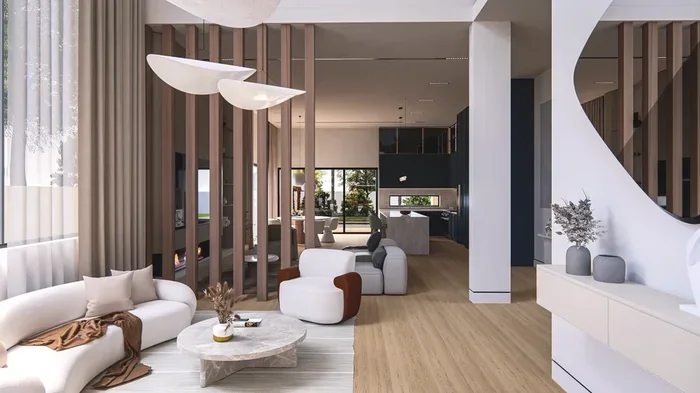
Great Room vs Living Room Key Differences Explained
The great room vs living room debate confuses many homeowners. A great room is an open, multi-purpose space that blends cooking, dining, and lounging areas. A living room is a formal, dedicated seating area for relaxation and entertaining guests. Understanding these differences helps you design a home layout that works for your lifestyle.
When you are planning a home renovation or buying a new house, the question of great room vs living room comes up a lot. Many people use these terms interchangeably, but they are not the same thing. Each space serves a different purpose and shapes how you move through your home every day.
A great room is a large, open space that often combines the functions of a living room, dining room, and kitchen. It is the heart of the home where families gather, cook, eat, and relax together. A living room, on the other hand, is a more formal space. It is usually separate from the kitchen and dining areas. It is designed for quiet relaxation and hosting guests.
Understanding these differences matters. The right choice affects your daily routine, your home’s resale value, and how comfortable you feel in your own space. This guide breaks down everything you need to know. We will cover what each room is, how they differ, and how to pick the best option for your home.
Key Takeaways
- Great rooms are open, casual, and multi-functional spaces that combine several activities in one area.
- Living rooms are formal, dedicated spaces designed primarily for seating and relaxation.
- Open floor plans favor great rooms, while traditional home architecture leans toward separate living rooms.
- Traffic flow and zoning play a big role in deciding which layout works best for your home.
- Design style and room dimensions influence how you furnish and decorate each space.
- Space planning is essential whether you choose a great room or a living room setup.
📑 Table of Contents
What Is a Great Room?
A great room is a large, open area that serves as the main gathering space in a home. It typically combines the functions of several traditional rooms into one. Think of it as a multi-purpose room where the family spends most of their time together.
Great rooms became popular in the 1990s when open floor plans took over home design. Builders realized that homeowners wanted spaces that felt bigger and more connected. The great room idea answered that demand perfectly.
Key Features of a Great Room
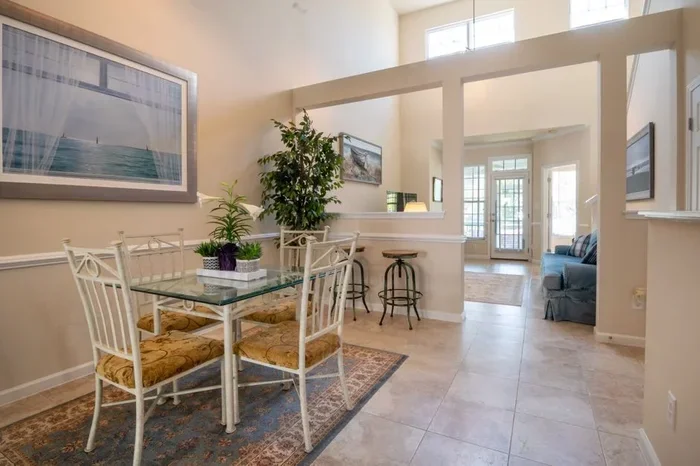
- Open concept layout that connects the kitchen, dining, and lounging areas
- High ceilings that create a sense of spaciousness
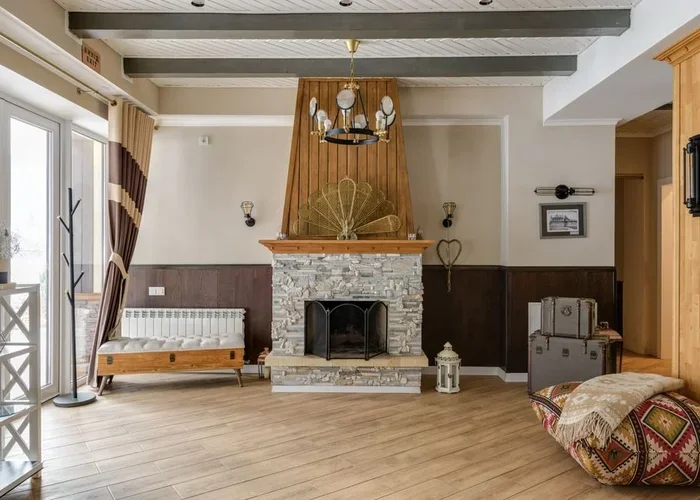
- A central fireplace as the focal point
- Flexible seating area arrangements
- Space for both casual and semi-formal activities
- Large windows that let in natural light
How a Great Room Is Used
Great rooms are incredibly versatile. In the morning, you might have breakfast at the kitchen island while the kids do homework at the dining table. In the evening, the whole family might gather on the couch to watch a movie. Friends might come over for a dinner party, and the space easily transitions from cooking to dining to socializing.
The common area feel of a great room makes it perfect for busy families. There is no need to move from room to room to handle different tasks. Everything is right there in one open space. This is why many modern home layouts feature a great room as the central hub.
What Is a Living Room?
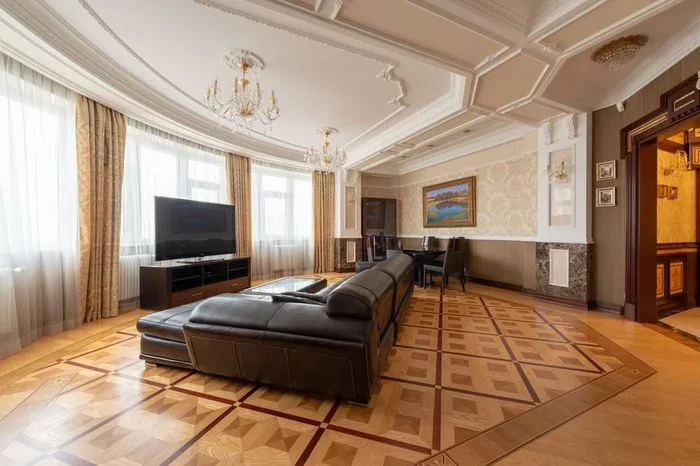
A living room is a dedicated space for relaxation and entertaining. It is typically a separate room from the kitchen and dining areas. The living room has a more formal design and is often used for receiving guests or quiet family time.
Living rooms have been a staple of home architecture for decades. In traditional homes, the living room was a formal space that was used mainly on special occasions or when guests visited. Today, many homeowners use their living rooms more casually, but the core idea remains the same.
Key Features of a Living Room
- A distinct, enclosed space separate from the kitchen and dining areas
- Formal seating arrangements with a sofa, armchairs, and coffee table
- A more refined interior design style
- Often features decorative elements like crown molding or built-in shelves
- Designed for comfort and quiet relaxation
- May include a television but often emphasizes a more polished look
How a Living Room Is Used
A living room is where you unwind after a long day. It is also the first room guests see when they enter your home. Because of its formal nature, a living room often has a more curated feel. The furniture is arranged to encourage conversation. The decor reflects your personal design style in a polished way.
Some homeowners use their living rooms for reading, listening to music, or enjoying a quiet morning coffee. It is a space that feels intentional and purposeful. In many homes, the living room is the most comfortable living area for peaceful downtime.
Great Room vs Living Room: The Main Differences
Now that you know what each space is, let us look at the key differences. Understanding these will help you decide which layout fits your home and lifestyle best.
Layout and Openness
The biggest difference between a great room and a living room is the layout. A great room is open and connected to other areas of the home. A living room is a separate, enclosed space. This single difference changes everything about how you use your home.
In a great room setup, there are no walls separating the kitchen from the seating area. This creates a sense of togetherness. In a living room setup, the walls give each area its own identity and purpose.
Formality and Vibe
A living room tends to feel more formal. The furniture is arranged with intention. The decor is often more polished. A great room feels casual and relaxed. It is built for everyday life, not just special occasions.
That does not mean a great room cannot look beautiful. It just means the vibe is different. A great room is warm and inviting. A living room is elegant and refined.
Traffic Flow and Zoning
Traffic flow is another important difference. In a great room, people move freely between the kitchen, dining, and seating areas. The zoning is done with furniture placement rather than walls. In a living room, traffic flow is more defined. Each room has a clear entrance and purpose.
Good space planning is essential in both layouts. You want to make sure there is enough room to move around comfortably. Poor traffic flow can make any space feel cramped and frustrating.
Room Dimensions and Size
Great rooms tend to be larger than living rooms. They need to accommodate multiple functions in one space. A living room can be smaller because it serves one primary purpose. However, a large living room can feel just as impressive as a great room when designed well.
When thinking about room dimensions, consider your household size. A family of five will likely need more space than a couple living alone. The home improvement goal should always match your real needs.
Furniture and Decor
In a great room, furniture is often arranged in a relaxed way. Sectional sofas, oversized ottomans, and flexible coffee tables are common. In a living room, you might see more structured pieces like a formal sofa, accent chairs, and a styled coffee table.
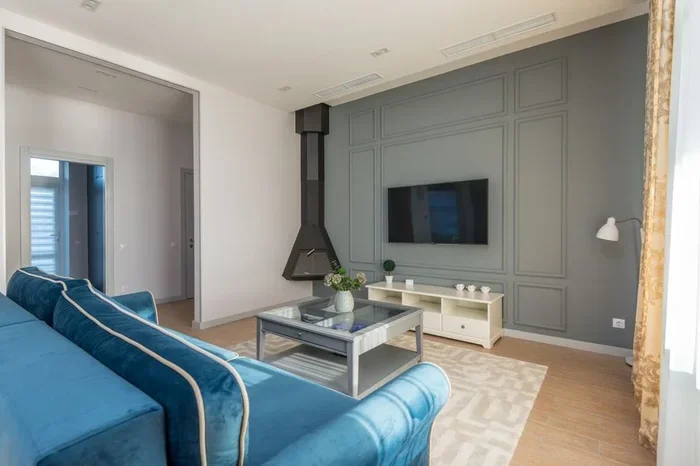
The entertainment space also differs. A great room often has a large TV mounted on the wall as the central entertainment hub. A living room might have a smaller TV or even skip one entirely in favor of a more refined aesthetic.
| Feature | Great Room | Living Room |
|---|---|---|
| Layout | Open, connected to kitchen and dining | Separate, enclosed space |
| Formality | Casual and relaxed | Formal and polished |
| Functions | Multiple (cooking, dining, lounging) | Single (relaxation, entertaining) |
| Traffic Flow | Free-flowing and open | Defined and structured |
| Furniture Style | Flexible, comfortable, casual | Structured, refined, intentional |
| Best For | Busy families, open concept homes | Formal entertaining, quiet relaxation |
| Size | Typically larger | Can be smaller or large |
| Design Style | Modern, farmhouse, contemporary | Traditional, classic, transitional |
How to Choose Between a Great Room and a Living Room
Choosing between a great room and a living room depends on several factors. There is no one-size-fits-all answer. Your decision should reflect your lifestyle, your home’s architecture, and your personal preferences.
Consider Your Lifestyle
Do you love cooking while the kids play nearby? A great room might be perfect for you. The open layout lets you stay connected to your family no matter what you are doing. If you prefer a quiet, private space to unwind, a living room could be the better choice.
Think about how you use your home on a typical day. Do you host frequent dinner parties? Do you prefer casual family time? Your answers to these questions will guide your decision.
Think About Your Home’s Architecture
The style of your home matters too. Modern and contemporary homes often feature great rooms with open floor plans. Traditional homes with separate wings or floors tend to include a formal living room. You can always modify a space during a home improvement project, but working with your home’s existing structure saves time and money.
Also consider your home’s interior design flow. A great room works best when there is a natural gathering point, like a central fireplace or a large window. A living room works best when it is positioned near the front entrance for a welcoming first impression.
Budget and Space Planning
Great rooms require more square footage to feel comfortable. If your home is small, a great room might feel cramped instead of spacious. A living room can work well in smaller homes because it is a defined, single-purpose space.
Budget is another factor. Open-concept renovations can be expensive. Removing walls, updating electrical and plumbing, and redesigning the entire flow of the home adds costs. A living room renovation is usually simpler and more affordable.
Quick Tips for Choosing
- Walk through your home and note how you currently use each space.
- Talk to all household members about their preferences.
- Consider your long-term needs, not just today’s lifestyle.
- Look at homes in your neighborhood for inspiration.
- Consult an interior designer if you are unsure.
Design Tips for Great Rooms and Living Rooms
Whether you have a great room, a living room, or both, good design makes all the difference. Here are some practical tips to help you make the most of each space.
Design Tips for Great Rooms
- Use area rugs to define zones. Even in an open space, a rug can signal where the seating area begins. This creates a sense of structure without walls.
- Choose a statement fireplace. A fireplace anchors the room and gives everyone a natural gathering point.
- Layer your lighting. Use a mix of overhead lights, floor lamps, and table lamps to create different moods for different times of day.
- Keep the color palette cohesive. Since the great room connects to other areas, use consistent colors and materials throughout.
- Add storage without cluttering. Built-in shelves and hidden storage keep the open space feeling clean and organized.
Design Tips for Living Rooms
- Create a focal point. A fireplace, a large window, or a piece of art draws the eye and anchors the furniture arrangement.
- Choose a cohesive design style. Whether you prefer modern, traditional, or transitional, stick with a consistent look.
- Invest in quality seating. Since the living room is a dedicated relaxation space, the sofa and chairs should be comfortable and durable.
- Use decorative accents thoughtfully. Throw pillows, curtains, and artwork add personality without overwhelming the room.
- Balance form and function. A living room should look beautiful and feel comfortable for everyday use.
Expert Insights on Great Room and Living Room Design
Interior designers often say that the best rooms serve the people who use them. A great room should feel like a warm embrace. A living room should feel like a refined retreat. Both spaces have value, and both can be designed beautifully with the right approach.
According to design experts, the trend in recent years has been toward more open layouts. Many homeowners prefer the great room concept for its flexibility. However, there is also a strong counter-movement toward formal living rooms. People crave dedicated quiet spaces in an increasingly busy world.
The best advice? Do what feels right for your family. There is no rule that says you must follow trends. Your home should reflect how you actually live, not how a magazine says you should live.
Common Mistakes to Avoid
When deciding between a great room and a living room, homeowners often make a few common mistakes. Avoiding these pitfalls can save you time, money, and frustration.
- Choosing a layout based solely on trends. What looks good on Pinterest might not work for your family’s daily routine. Always prioritize function over style.
- Ignoring traffic flow. A great room can feel chaotic if the furniture blocks pathways. Make sure there is clear, easy movement through the space.
- Underestimating the need for storage. Open spaces can collect clutter quickly. Plan for plenty of storage solutions in your great room design.
- Making the living room too formal. If you never host formal dinners, do not design a room that feels stiff and unwelcoming. Make it a space you actually want to use.
- Skipping proper lighting. Both great rooms and living rooms need layered lighting. Relying on one overhead light creates a flat, uninviting atmosphere.
- Forgetting about acoustics. Great rooms with high ceilings can have echo problems. Add soft furnishings like rugs and curtains to absorb sound.
Why These Mistakes Happen
These mistakes happen because people get caught up in the excitement of a new design. They focus on the big picture and overlook the small details. Take your time. Plan carefully. And remember that the best room is the one that fits your life.
The Future of Great Rooms and Living Rooms
Home design is always evolving. The great room vs living room debate is not going away anytime soon. But we are seeing some interesting trends that may shape the future of these spaces.
One trend is the hybrid approach. Many new homes combine elements of both. They have an open great room for daily family life and a smaller, more formal living room for guests and quiet time. This gives homeowners the best of both worlds.
Another trend is the focus on multi-functional furniture. Modular sofas, folding tables, and convertible pieces make it easier to adapt a single space for different purposes. This is especially useful in smaller homes where every square foot counts.
Smart home technology is also changing how we use these spaces. Voice-controlled lighting, motorized blinds, and integrated sound systems make it easy to transform a room’s mood with a simple command.
No matter what the future holds, the core principles remain the same. A great room should bring people together. A living room should provide a peaceful retreat. When you understand these differences, you can create a home that truly works for you.
Conclusion
The debate between a great room vs living room comes down to one simple question: what do you need from your space? A great room offers openness, flexibility, and a casual gathering place for the whole family. A living room provides a formal, dedicated space for relaxation and entertaining.
Both spaces have unique strengths. Both can be designed beautifully with the right approach. The key is to understand your lifestyle, your home’s architecture, and your personal preferences. When you do, the choice becomes clear.
Take the time to plan your space thoughtfully. Consider how you use your home every day. Think about the rooms that bring you the most joy. Whether you choose a great room, a living room, or both, the goal is the same. Create a comfortable living area that feels like home.
Start with small changes. Rearrange your furniture. Add a new rug or a few throw pillows. See how the space feels. You might be surprised at how much a few thoughtful adjustments can transform your home. The best room is the one that fits your life perfectly.
Frequently Asked Questions
Can you have both a great room and a living room in the same home?
Yes, absolutely. Many homes feature both spaces. The great room serves as the casual, multi-purpose hub for daily family life. The living room provides a formal, separate space for entertaining guests or quiet relaxation. This combination gives you the best of both worlds.
Is a great room more expensive to build than a living room?
It can be. Great rooms require more square footage and often involve open-concept construction. Removing walls, updating electrical systems, and redesigning the floor plan adds to the cost. A living room is typically simpler and more affordable to create or renovate.
What is the best design style for a great room?
Great rooms work well with modern, contemporary, farmhouse, and transitional design styles. These styles embrace open spaces and casual living. The key is to keep the design cohesive since the great room connects to multiple areas of the home.
How big should a great room be?
A great room should be large enough to accommodate its multiple functions comfortably. A general guideline is at least 400 to 600 square feet for a family home. However, the right size depends on your household size and how you use the space.
Do great rooms have a fireplace?
Many great rooms feature a central fireplace as the room’s focal point. It creates a natural gathering spot and adds warmth and ambiance. However, a fireplace is not required. You can use a large window, a statement piece of art, or a cozy seating arrangement as your focal point instead.
Is a living room the same as a family room?
Not exactly. A living room is typically more formal and used for entertaining guests or quiet relaxation. A family room is more casual and designed for everyday family activities. Some homeowners use the terms interchangeably, but they do have distinct differences in style and purpose.