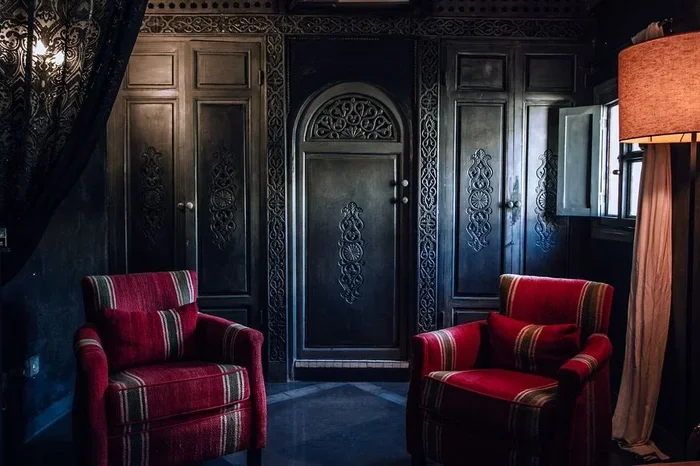
Gothic Living Room Decor How to Create a Dark Elegant Space
Learn how to design a gothic living room decor space that feels dark, elegant, and timeless. This guide covers everything from choosing the right color palette to selecting dramatic furniture and lighting. You will find practical tips, expert insights, and easy steps to bring the gothic aesthetic into your home. Whether you love Victorian vibes or modern dark aesthetics, this guide has you covered.
Creating a gothic living room decor space is easier than you might think. This style brings a sense of mystery, elegance, and drama into any home. If you love dark aesthetics and rich textures, the gothic design approach is perfect for you. It draws inspiration from Victorian architecture, medieval elegance, and dark romance. The result is a living room that feels both cozy and dramatic at the same time.
Many people assume gothic decor means a dark, gloomy room. That is far from the truth. A well-designed gothic living room feels warm, inviting, and deeply stylish. It uses layered textures, moody lighting, and bold furniture to create a space that stands out. Whether you want a full gothic transformation or just a few dark touches, this guide will walk you through every step.
In this article, we will cover everything you need to know. From choosing the right color palette to selecting the perfect lighting, you will find practical tips you can use right away. Let us dive into the world of dark elegant interior design and turn your living room into a masterpiece.
Key Takeaways
- Gothic decor blends dark romance with timeless elegance: It creates a moody, sophisticated atmosphere using rich colors and textures.
- Color palette is the foundation: Black, deep burgundy, dark purple, and charcoal set the mood for a true gothic living room.
- Lighting makes or breaks the look: Moody candlelight, gothic chandeliers, and dimmable lamps create the perfect ambiance.
- Furniture should be bold and ornate: Think velvet sofas, antique-style tables, and carved wooden pieces.
- Accessories add the finishing touch: Ornate mirrors, gothic art, and dramatic window treatments complete the design.
- Avoid common mistakes: Overcrowding, poor lighting, and ignoring texture can ruin the gothic aesthetic.
📑 Table of Contents
What Is Gothic Living Room Decor?
Gothic living room decor is a design style rooted in history and drama. It originated from Gothic architecture of the 12th century and later evolved through the Victorian era. Today, it blends medieval influences with modern dark aesthetics. The style is all about contrast, depth, and a sense of refined mystery.
At its core, this design approach uses dark colors, ornate details, and rich materials. Think velvet, wrought iron, stone, and dark wood. The goal is to create a space that feels intimate and luxurious. It is not about being scary or gloomy. Instead, it celebrates the beauty of shadows and depth.
Key Characteristics of Gothic Design
Several elements define the gothic aesthetic. Here are the most important ones:
- Dark color schemes like black, deep red, and charcoal
- Ornate furniture with carved details and curved lines
- Moody lighting using candles, dimmers, and statement fixtures
- Rich textures such as velvet, silk, and brocade
- Dramatic accents like mirrors, candelabras, and gothic art
- Architectural details including arches, columns, and vaulted ceilings
When you combine these elements, you get a living room that feels timeless and bold. The gothic interior design style works beautifully in both large and small spaces. It just requires intentional choices and a love for the dramatic.
Choosing the Right Color Palette
The color palette sets the foundation for any gothic living room decor project. Dark, deep tones are the heart of this style. But that does not mean your room has to be all black. The best gothic spaces use a range of dark and rich hues to create depth and interest.
Primary Colors for a Gothic Living Room
Start with a base of deep, saturated colors. Here are the top choices:
- Black — The anchor color. Use it on walls, furniture, or accent pieces.
- Burgundy — Adds warmth and richness. Perfect for upholstery and curtains.
- Deep purple — Brings a sense of mystery and royalty to the space.
- Charcoal gray — A softer alternative to pure black. Works well on walls.
- Dark navy — Adds depth without feeling too heavy.
Accent Colors That Pop
Once you have your base, add accents to keep the room from feeling flat. Gold and brass accents look stunning against dark backgrounds. Silver and chrome add a modern edge. Deep emerald green works beautifully with burgundy for a classic gothic feel. Cream and ivory can soften the darkness just enough to keep the room welcoming.
The key is balance. Too much black can feel heavy. Too many bright accents can clash. Stick to a 60-30-10 rule: 60 percent dark base, 30 percent medium tone, and 10 percent accent. This creates a dark elegant space that feels intentional and cohesive.
Furniture and Accessories for a Gothic Look
Furniture is where your gothic living room really comes to life. The pieces you choose should feel bold, detailed, and timeless. Avoid minimalist or sleek modern furniture. Instead, look for items with character and history.
Best Furniture Pieces
Here are the essential furniture items for a gothic living room:
- Velvet sofa or loveseat — Choose deep colors like burgundy, plum, or black. Velvet adds luxury and comfort.
- Carved wooden coffee table — Look for pieces with ornate legs and detailed carvings. Dark walnut or ebony finishes work best.
- Ornate bookshelf — A tall, detailed bookshelf adds vertical interest and displays your gothic collection.
- Armchairs with curved backs — These echo Victorian and medieval furniture styles perfectly.
- Ottoman or chaise — Adds a touch of elegance and extra seating.
Accessories That Complete the Look
Accessories are what make a gothic room feel authentic. They add personality and depth. Here are some must-have items:
- Ornate mirrors — Gilded or black-framed mirrors reflect light and make the room feel larger.
- Candelabras and candles — These are essential for creating that moody gothic ambiance.
- Gothic art prints — Think skulls, roses, ravens, or dark landscapes.
- Throwing pillows — Use velvet or brocade in deep jewel tones.
- Rugs — Choose dark, patterned rugs with intricate designs.
Each accessory should feel purposeful. Avoid cluttering the space. A few well-chosen pieces create a much stronger impact than filling every surface. The goal is dramatic decor that feels curated, not chaotic.
Lighting and Ambiance
Lighting is arguably the most important element in gothic living room decor. The right lighting transforms a room from ordinary to extraordinary. Gothic design thrives on shadows, contrast, and warm, flickering light. You want your space to feel mysterious and inviting at the same time.
Types of Lighting to Use
Layer your lighting for the best effect. Here are the key types to consider:
- Gothic chandeliers — A statement piece that anchors the room. Look for black iron, brass, or crystal designs.
- Wall sconces — These cast beautiful shadows and add vertical light. Choose ornate, candle-style fixtures.
- Table lamps — Use dimmable lamps with dark shades. Place them on side tables and bookshelves.
- Candlelight — Real or LED candles on trays, candelabras, or windowsills create instant gothic ambiance.
- Floor lamps — Arc floor lamps with dark finishes add both light and style.
Tips for Setting the Mood
Use warm-toned bulbs with a color temperature around 2700K. This creates a soft, golden glow that feels cozy and intimate. Install dimmer switches on every light source so you can adjust the brightness throughout the day. Avoid overhead fluorescent lighting — it kills the mood instantly. Instead, let the light come from multiple lower sources. This creates the layered, dramatic effect that defines the gothic style.
Window Treatments and Flooring
Do not overlook your windows and floors when designing a gothic living room. These large surface areas set the tone and ground the space. The right choices here tie everything together beautifully.
Window Treatments
Heavy curtains are a staple of gothic design. Look for floor-length drapes in velvet, brocade, or heavy cotton. Deep colors like black, burgundy, and dark purple work best. Consider adding a second layer of sheer curtains for a soft, layered look. Ornate curtain rods with finials add an extra touch of elegance. If you have large windows, consider adding decorative stained glass inserts or Gothic-style window films.
Flooring Options
The floor should complement the dark, rich aesthetic. Here are some great options:
- Dark hardwood — Walnut or ebony-stained wood adds warmth and depth.
- Dark tile — Patterned Victorian-style tile creates a classic gothic feel.
- Area rugs — A large, dark patterned rug anchors the seating area and adds texture.
- Stone accents — If you have a fireplace, natural stone adds a medieval touch.
Common Mistakes to Avoid
Even with the best intentions, it is easy to make mistakes when designing a gothic living room decor space. Here are the most common pitfalls and how to avoid them.
Overdoing the Darkness
Using too much black can make a room feel oppressive rather than elegant. Balance dark walls with lighter accents. Add cream-colored pillows, a lighter rug, or metallic finishes to keep the space feeling open and breathable.
Ignoring Texture
Gothic design relies heavily on texture. A room with only smooth, flat surfaces will feel flat and uninspired. Mix velvet, leather, wood, metal, and stone to create visual interest. The variety of textures is what makes a gothic room feel rich and layered.
Skipping the Lighting
Poor lighting can ruin even the best gothic design. If your room is too bright, it loses its moody charm. If it is too dark, it feels unwelcoming. Aim for warm, layered light that you can adjust. Dimmer switches are your best friend in gothic design.
Choosing Wrong-Sized Furniture
Oversized furniture can overwhelm a small room. Conversely, tiny furniture in a large room looks lost. Measure your space carefully before buying any piece. Choose furniture that fits the scale of the room while still delivering that bold gothic presence.
Forgetting Personal Touches
A gothic room should feel personal, not like a museum display. Add books, personal artifacts, family heirlooms, or items that reflect your interests. These small touches make the space feel lived-in and authentic. The best gothic interior design spaces tell a story about the people who live there.
Bringing It All Together
Designing a gothic living room decor space is about creating atmosphere and intention. Start with a dark, rich color palette. Choose bold, ornate furniture with velvet and dark wood finishes. Layer your lighting to create mood and depth. Add accessories that reflect the gothic aesthetic — mirrors, candelabras, and dramatic art. And always pay attention to texture and balance.
Remember, gothic design is not about being extreme. It is about embracing the beauty of the dark, the elegant, and the dramatic. Your living room should feel like a retreat — a place that is both mysterious and comfortable. Take your time, choose pieces you love, and let the style evolve naturally.
With the right approach, your gothic living room will become the most talked-about space in your home. It will be a place where guests feel drawn in by the atmosphere and stay because the design is so inviting. So go ahead, embrace the dark side, and create a space that is truly unforgettable.
Frequently Asked Questions
What is gothic living room decor?
Gothic living room decor is a design style that uses dark colors, ornate furniture, and dramatic lighting to create a moody yet elegant space. It draws inspiration from Victorian and medieval aesthetics, blending rich textures like velvet and dark wood with bold accessories like candelabras and ornate mirrors.
What colors work best for a gothic living room?
The best colors include black, deep burgundy, dark purple, charcoal gray, and navy. Add accent colors like gold, brass, cream, or emerald green for contrast. Stick to a dark base with medium and light accents to keep the room balanced and inviting.
How do I light a gothic living room?
Use warm, layered lighting with dimmable options. Gothic chandeliers, wall sconces, table lamps, and candles all work well. Avoid bright overhead lights. Aim for a color temperature around 2700K to create that cozy, moody atmosphere that defines the gothic style.
Can I mix gothic decor with modern furniture?
Absolutely. Mixing gothic elements with modern pieces creates a unique, contemporary gothic look. Try pairing a sleek sofa with an ornate gothic mirror or a modern rug with a carved wooden coffee table. The key is keeping the dark palette and rich textures consistent throughout the space.
What type of furniture is best for a gothic living room?
Look for furniture with carved details, curved lines, and dark finishes. Velvet sofas, carved wooden tables, armchairs with curved backs, and ornate bookshelves are excellent choices. The furniture should feel bold and detailed without overwhelming the room.
How do I avoid making my gothic room feel too dark or gloomy?
Balance dark elements with lighter accents like cream pillows, metallic finishes, or a lighter area rug. Use warm, layered lighting to brighten key areas. Adding plants with rich green leaves also brings life and freshness into a dark gothic space. The goal is dramatic elegance, not gloom.
=== CONCLUSION ===
Creating a gothic living room decor space is a rewarding design journey. It allows you to express your love for dark elegance, rich textures, and dramatic atmosphere. By choosing the right color palette, furniture, lighting, and accessories, you can transform any living room into a gothic retreat that feels both stylish and welcoming.
Start with the basics — a dark color scheme and bold furniture — and build from there. Add layers of texture, moody lighting, and personal touches to make the space truly yours. Avoid common mistakes like overcrowding or poor lighting, and remember that balance is key. With patience and creativity, your gothic living room will be a space that captivates everyone who walks through your door.