Chinoiserie Living Room Ideas to Create a Dream Space
Chinoiserie living room ideas bring a sense of exotic elegance and artistic flair into any home. This style blends Chinese-inspired decor with European design traditions to create a truly unique look. You will learn how to choose the right furniture, colors, and accessories for your space. The guide covers practical tips, common mistakes, and expert insights to help you succeed. Let us explore how to build your dream chinoiserie living room step by step.
Chinoiserie living room ideas have surged in popularity, and for good reason. This style brings a rich tapestry of history, art, and culture right into your home. Whether you are a design enthusiast or just starting to explore new looks, chinoiserie offers something for everyone.
The beauty of chinoiserie living room ideas lies in their flexibility. You do not need a mansion or a huge budget to pull off this aesthetic. A few well-chosen pieces can completely change the feel of a room. In this guide, we will walk you through everything you need to know.
Key Takeaways
- Chinoiserie decor combines Chinese artistic motifs with Western design for a timeless look.
- Blue and white porcelain and lacquerware are essential elements that anchor the style.
- Using Chinese-inspired furniture like carved screens and lacquered cabinets adds authenticity.
- Wallpaper chinoiserie with floral and pagoda patterns sets the mood instantly.
- Mixing silk fabrics, jade accents, and dragon motifs creates a cohesive design story.
- Avoid overdoing it; balance is key to making chinoiserie feel inviting, not overwhelming.
📑 Table of Contents
- What Is Chinoiserie and Why Does It Work?
- Choosing the Right Color Palette
- Furniture Pieces That Define the Style
- Wall Treatments and Decorative Accents
- Accessorizing Your Chinoiserie Living Room
- Common Mistakes to Avoid
- Expert Insights on Mastering Chinoiserie
- Quick Tips for Success
- Bringing It All Together
What Is Chinoiserie and Why Does It Work?
Chinoiserie is a European decorative style inspired by Chinese art and design. It emerged in the 17th century when trade routes brought Chinese goods to Europe. Artists and designers fell in love with the intricate patterns and craftsmanship. Over time, they began incorporating these elements into their own work.
The style features motifs like dragons, pagodas, and floral patterns. It also uses bold colors such as red, gold, and deep blue. What makes chinoiserie so appealing is its storytelling quality. Every piece has a history, a narrative woven into its design.
The History Behind the Style
European elites in the 18th century were obsessed with all things Eastern. They collected Chinese porcelain, silk, and lacquerware. These items became status symbols in royal courts across France and England. Designers began creating furniture and wallpaper that mimicked Chinese aesthetics.
Today, this tradition continues. Homeowners around the world embrace oriental style interiors to add warmth and character. The style feels both luxurious and personal, which is why it endures.
Why Chinoiserie Fits Modern Living Rooms
You might wonder if an old-fashioned style belongs in a modern home. The answer is absolutely yes. Chinoiserie has evolved over centuries. Today’s designers blend traditional elements with contemporary touches. The result is a look that feels fresh and timeless at the same time.
Modern chinoiserie often uses a lighter color palette. Think soft whites, warm creams, and muted golds. This approach keeps the room feeling open and airy. It also makes the style accessible to a wider audience.
Choosing the Right Color Palette
Color is the backbone of any great design. In a Chinese-inspired living room, your color choices set the entire mood. The right palette can make a small room feel grand and a large room feel cozy.
Classic Chinoiserie Colors
The most traditional chinoiserie colors come from nature and art. Here are the staples you should consider:
- Blue and white inspired by Chinese porcelain
- Deep red symbolizing luck and prosperity
- Gold for a touch of luxury and warmth
- Black for contrast and definition
- Jade green bringing natural calm
These colors work beautifully together. They create a rich yet balanced atmosphere. You do not need to use all of them. Pick two or three as your base and build from there.
Modern Color Twists
Want to put a fresh spin on tradition? Try pairing chinoiserie with neutral backgrounds. A soft gray or warm beige wall lets your decor pieces shine. You can also introduce pastel versions of classic colors. Soft pink or dusty blue adds a modern feminine touch.
The key is to let your chinoiserie decor pieces stand out. A neutral base gives them room to breathe and catch the eye.
Furniture Pieces That Define the Style
Furniture is where chinoiserie truly comes alive. The right pieces tell the story of this design tradition. You do not need to buy everything at once. Start with one or two statement items and build from there.
Lacquered Cabinets and Chests
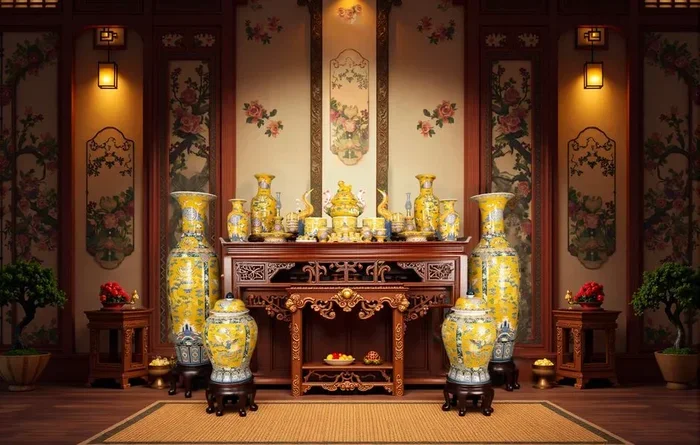
Lacquerware furniture is a hallmark of chinoiserie. These pieces feature smooth, glossy surfaces with hand-painted designs. A lacquered cabinet in red and gold makes a stunning focal point. Place it against a neutral wall for maximum impact.
Look for cabinets with carved details on the hardware. Brass or bronze handles add an authentic touch. These pieces serve double duty as storage and decoration.
Chinese-Inspired Sofas and Chairs
Traditional Chinese furniture often features low profiles and elegant lines. A Chinese-inspired sofa with carved wooden legs can anchor your seating area. Look for pieces with floral or geometric carvings on the arms and legs.
If authentic pieces are hard to find, modern reproductions work well too. Many furniture makers now offer chinoiserie-style seating. These pieces combine traditional aesthetics with modern comfort.
Carved Wooden Screens
Screens are one of the most versatile elements in chinoiserie design. They can divide a room, hide storage, or serve as a backdrop. Folding screens with intricate wooden carvings add depth and texture.
Place a screen behind your sofa to create a sense of enclosure. Or use it to frame a reading corner. Screens instantly add that unmistakable chinoiserie charm.
Wall Treatments and Decorative Accents
Walls and surfaces offer a huge canvas for your chinoiserie vision. The right treatments can transform even the simplest room into an artistic showcase.
Wallpaper Chinoiserie
Wallpaper chinoiserie is perhaps the easiest way to commit to the style. Modern wallpapers feature pagodas, gardens, and flowing landscapes. They come in various scales, from subtle to bold.
Consider using chinoiserie wallpaper on one accent wall. This keeps the room feeling balanced while adding visual interest. A single feature wall with a scenic print creates a stunning backdrop for your furniture.
Hand-Painted Ceramics and Porcelain
Blue and white porcelain is the soul of chinoiserie decor. Display vases, bowls, and plates on open shelves or mantels. These pieces catch the light beautifully and add layers of texture.
You can mix different eras and styles of porcelain. A Ming dynasty-style vase next to a modern ceramic bowl creates an eclectic feel. The key is to keep the color palette consistent.
Chinese Lanterns and Lighting
Lighting sets the atmosphere in any room. Chinese lanterns in silk or paper add a warm, ambient glow. Hang them at varying heights for a dynamic look.
Lanterns with painted scenes or calligraphy designs add extra visual interest. Place them on side tables or hang them from the ceiling. They work especially well in corners where they can cast beautiful shadows.
Oriental Rugs and Silk Fabrics
Soft furnishings bring warmth and comfort to a chinoiserie room. Oriental rugs with intricate patterns define the seating area. Look for rugs with traditional Chinese motifs like clouds, dragons, or flowers.
Silk throw pillows and curtains add a luxurious feel. The fabric catches light beautifully and moves gracefully. Mix silk with other textures like velvet or linen for depth.
Accessorizing Your Chinoiserie Living Room
Accessories are the finishing touches that make a room feel complete. In chinoiserie design, every object should tell a story or add visual interest.
Dragon Motifs and Symbolic Art
The dragon is a powerful symbol in Chinese culture. It represents strength, luck, and prosperity. Incorporate dragon motifs through artwork, cushions, or decorative objects.
You do not need to go overboard. A single dragon painting or a set of dragon-print cushions can make a statement. Let the motif breathe and become a conversation starter.
Jade Accents and Natural Elements
Jade accents bring a sense of calm and authenticity. Small jade carvings, bowls, or jewelry displays add a refined touch. Jade pairs beautifully with wood, silk, and metal.
Natural elements like bamboo, stone, and plants complement the style. A bamboo plant in a ceramic pot adds life and texture. These organic pieces balance the ornate decor elements.
Chinese Calligraphy and Scroll Art
Hang a piece of Chinese calligraphy art on your wall for an authentic feel. Scroll paintings with landscapes or poetry add elegance and depth. You can frame them in simple wooden or brass frames.
These pieces do not need to be expensive. Reproductions and prints work just as well. The key is choosing art that resonates with you personally.
Floral Patterns and Garden Imagery
Floral patterns are central to chinoiserie design. Look for pieces featuring peonies, chrysanthemums, or lotus flowers. These blooms carry symbolic meaning in Chinese culture.
Incorporate floral patterns through cushions, table runners, or decorative plates. A mix of different floral prints can create a lush, layered look. Just keep your colors within the same family for harmony.
Common Mistakes to Avoid
Even with the best intentions, it is easy to make mistakes with chinoiserie. Here are some pitfalls to watch out for.
- Overcrowding the room with too many decorative pieces. Less is often more.
- Mixing too many patterns without a unifying color scheme.
- Ignoring scale by placing oversized pieces in small rooms.
- Skipping texture and relying only on visual elements.
- Forgetting functionality and making the room feel like a museum.
Avoiding these mistakes keeps your space balanced and livable. Chinoiserie should feel inviting, not like a display case.
Expert Insights on Mastering Chinoiserie
Design professionals who specialize in Asian-inspired living room aesthetics share a few key principles. First, they emphasize the importance of negative space. Let some areas of the room remain uncluttered. This gives the eye a place to rest and appreciate the pieces you do have.
Second, experts recommend layering your elements. Start with a base of neutral furniture. Add your chinoiserie pieces gradually. This approach creates a natural, curated feel rather than a staged look.
Finally, trust your instincts. Chinoiserie is deeply personal. Choose pieces that speak to you and tell your own story. The best chinoiserie living room ideas are the ones that feel authentic to you.
Quick Tips for Success
- Start with a single statement piece and build around it.
- Stick to a color palette of no more than four main colors.
- Mix authentic vintage finds with modern reproductions.
- Use lighting to highlight your best decorative pieces.
- Add plants to bring life and balance to the space.
- Rotate accessories seasonally to keep the room fresh.
Bringing It All Together
Creating a chinoiserie living room is a journey, not a destination. It is about layering pieces that reflect your taste and appreciation for this beautiful style. Each object you add contributes to the overall story of the room.
Start small if you are new to the style. A porcelain vase, a silk cushion, or a piece of wallpaper can set the foundation. As you grow more confident, add bolder elements like screens, lacquered furniture, and statement art.
The most important thing is to enjoy the process. Your home should reflect who you are and what inspires you. Chinoiserie living room ideas offer endless possibilities for creative expression. Embrace the style, make it your own, and watch your dream space come to life.
Frequently Asked Questions
What is chinoiserie decor and how is it different from other Asian styles?
Chinoiserie is a European decorative style inspired specifically by Chinese art and design. It differs from other Asian styles because it blends Chinese motifs with European aesthetics and craftsmanship. The result is a unique look that feels both exotic and familiar.
Can I mix chinoiserie with modern furniture?
Absolutely. Modern chinoiserie is all about blending old and new. You can pair a traditional lacquered cabinet with a sleek contemporary sofa. The key is to maintain a consistent color palette and balance ornate pieces with clean lines.
What are the best colors for a chinoiserie living room?
The classic palette includes blue and white, deep red, gold, black, and jade green. For a modern twist, you can pair these with neutral backgrounds like soft gray or warm beige. This keeps the room feeling fresh while honoring tradition.
Do I need a large budget to create a chinoiserie living room?
Not at all. You can start with small, affordable pieces like porcelain bowls, silk cushions, or a piece of chinoiserie wallpaper. Over time, you can add larger investments like lacquered furniture or carved screens. The beauty of this style is that it works at any budget.
Where can I find authentic chinoiserie pieces?
You can find authentic pieces at antique markets, estate sales, and specialty dealers. For more affordable options, many online retailers offer reproductions inspired by traditional designs. Look for pieces with hand-painted details and quality craftsmanship.
How do I avoid making my chinoiserie room look too themed?
The secret is balance. Use chinoiserie pieces as accents rather than filling every surface. Mix them with neutral furniture and modern elements. Leave some negative space and let each piece stand on its own. This creates a curated, sophisticated look rather than an over-the-top theme.
=== CONCLUSION ===
Chinoiserie living room ideas offer a wonderful way to bring artistry, history, and elegance into your home. From choosing the right color palette to selecting the perfect furniture and accessories, every detail matters. The style rewards patience and personal expression, making it a joy to create.
Remember to start small, balance your elements, and trust your instincts. Whether you lean toward traditional or modern chinoiserie, the most important thing is that your space feels like yours. Let the beauty of this timeless style inspire you every day. Your dream space is closer than you think.