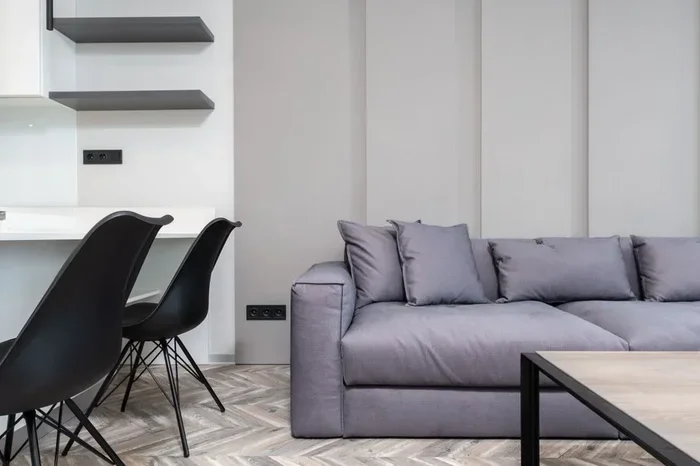
Furnishing a Living Room The Ultimate Guide to Room Design
Furnishing a living room can feel overwhelming, but this guide breaks it down into simple, actionable steps. You will learn how to pick the right living room furniture, plan a functional furniture layout, and style your space with confidence. Whether you are on a tight budget or going all out, these interior design tips will help you create a room you love.
Furnishing a living room is one of the most exciting — and sometimes stressful — home projects you can take on. Your living room is where you relax, entertain guests, and spend quality time with family. Getting the furniture layout and style just right can completely change how the space feels.
But where do you even begin? With so many room design ideas out there, it is easy to feel lost. That is exactly why we put together this guide. We will walk you through every step of furnishing a living room, from choosing pieces to styling them like a pro. No guesswork. No overwhelm. Just clear, practical advice you can use right away.
Key Takeaways
- Start with a plan: Measure your room and define your style before buying anything.
- Choose quality over quantity: A few well-chosen pieces beat a room full of mismatched items.
- Focus on the layout: Proper furniture placement makes a small room feel big and a large room feel cozy.
- Add layers with decor: Throw pillows, area rug placement, and living room lighting tie everything together.
- Set a budget early: Smart shopping and mixing new with secondhand saves money without sacrificing style.
- Avoid common pitfalls: Skipping measurements, ignoring traffic flow, and overdecorating are the top mistakes to dodge.
- Personalize your space: Your living room should reflect your personality, not a magazine template.
📑 Table of Contents
Choosing the Right Furniture for Your Living Room
The first big decision in furnishing a living room is picking your pieces. This is where your style comes to life. But it is also where people make the most mistakes. Let us break it down.
Start with the Sofa
The sofa is the anchor of any living room furniture arrangement. It sets the tone for the entire space. When choosing a sofa, think about your daily life. Do you have a big family? Go for a sturdy sectional sofa that can seat everyone. Live alone or with one other person? A classic two-seater or a sleek modern living room loveseat might be perfect.
Here are a few things to keep in mind:
- Size matters: Measure your room before you shop. Leave at least 3 feet of walking space around furniture.
- Material choice: Leather is durable and easy to clean. Fabric offers more color and texture options.
- Comfort first: Sit on it before you buy. Your sofa should feel inviting, not just look good.
- Color strategy: Neutral tones like gray, beige, or navy give you flexibility to change living room decor later.
Pick Supporting Pieces
Once you have your sofa, think about what else the room needs. Accent furniture fills in the gaps and adds function. Consider these staples:
- Coffee table: A coffee table styling centerpiece anchors the seating area. Choose one that matches the height of your sofa seats.
- Side tables: These give you a spot for lamps, drinks, and books. They also balance the room visually.
- TV stand or media console: Pick one that fits your screen size and storage needs.
- Ottoman or pouf: These are versatile. Use them as extra seating, a footrest, or even a small table.
Consider Multi-Functional Furniture
If your living room doubles as a workspace or guest area, multi-functional furniture is a game-changer. A storage ottoman, a sofa bed, or a lift-top coffee table can save space and serve double duty. This is especially helpful in small living rooms where every square foot counts.
Planning the Perfect Furniture Layout
Having great pieces means nothing if the furniture placement is off. A good layout improves traffic flow, makes the room feel balanced, and highlights your focal point design. Here is how to get it right.
Find Your Focal Point
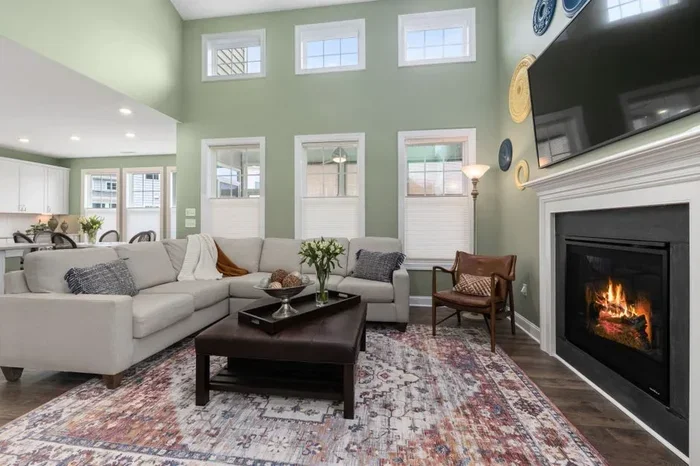
Every room has a focal point. It could be a fireplace, a large window, a TV wall, or even a piece of art. Your furniture should face or draw attention to this point. When you furnish a living room, start by identifying the focal point and building your layout around it.
Create Conversation Zones
People should be able to talk to each other comfortably. Arrange seating so chairs and sofas face each other, not the wall. A good rule of thumb is to keep seating pieces within 8 feet of each other. This creates an intimate cozy living room feel without making the space cramped.
Mind the Traffic Flow
Walkways are just as important as seating areas. Leave at least 30 inches of space for main walkways and 18 inches for secondary paths. You should be able to move around the room without bumping into furniture. This is one of the most overlooked interior design tips — and it makes a huge difference in how the room feels day to day.
Use the Right Rug Size
Area rug placement can make or break a layout. Your rug should be large enough that all front legs of the sofa and chairs sit on it. This ties the seating group together and defines the zone. A rug that is too small makes the room feel disjointed.
| Layout Style | Best For | Key Feature |
|---|---|---|
| L-Shape Layout | Large rooms, family gatherings | Sectional sofa creates a natural conversation area |
| Symmetrical Layout | Formal rooms, balanced look | Matching pairs on each side of the focal point |
| Floating Layout | Open-plan spaces | Furniture not pushed against walls, creates zones |
| Gallery Layout | Small rooms, minimalist style | Furniture along walls, center left open |
Living Room Decor and Accessories
Once your furniture is in place, it is time to bring the room to life with living room decor. This is where your personality shines through. The right accessories add warmth, color, and texture.
Layer Your Lighting
Living room lighting sets the mood for the entire space. Relying on one overhead light is the quickest way to make a room feel flat. Instead, layer your lighting:
- Ambient lighting: A ceiling fixture or chandelier for general illumination.
- Task lighting: Table lamps or floor lamps for reading and working.
- Accent lighting: Wall sconces or LED strips to highlight art or architectural features.
Dimmer switches are a small investment that pays off big. They let you adjust the brightness for movie nights, dinner parties, or quiet evenings.
Style with Throw Pillows and Blankets
Throw pillows and blankets are the easiest way to add color and texture to a sofa. Mix sizes, patterns, and textures for a curated look. Stick to a color palette of three to five colors to keep things cohesive. Pro tip: repeat colors from your rug or curtains in your pillow choices for a pulled-together feel.
Add Greenery and Art
Plants bring life to any space. A tall fiddle-leaf fig or a cluster of potted ferns adds freshness and color. If plants are not your thing, fresh flowers work too. For walls, choose art that reflects your taste. A gallery wall of framed prints or a single bold statement piece both work well. Just make sure the art is sized appropriately for the wall space.
Budget-Friendly Ways to Furnish a Living Room
You do not need a huge budget to create a beautiful room. Smart shopping and a few creative tricks can help you furnish a living room without breaking the bank.
Mix New and Secondhand Pieces
One of the best budget furniture strategies is to buy key pieces secondhand. Thrift stores, online marketplaces, and estate sales often have high-quality furniture at a fraction of the cost. Look for solid wood frames and timeless designs that will last. Then invest your remaining budget in new pieces like cushions and lighting that really make a difference.
Prioritize Your Spending
Not every piece needs to be top-of-the-line. Spend more on items you use daily — your sofa and mattress-quality seating. Save on accent tables or decorative pieces where quality matters less. This approach gives you a polished look without overspending.
DIY and Upcycle
A fresh coat of paint can transform an old coffee table. New hardware on a sideboard gives it a modern update. These small projects are fun, affordable, and they add unique character to your home decor. Plus, DIY pieces often become conversation starters when guests visit.
Quick Tip: Before you buy anything, create a mood board. Collect images from magazines or Pinterest that inspire you. This helps you stay focused and avoid impulse purchases that do not fit your vision.
Common Mistakes When Furnishing a Living Room
Even the best intentions can lead to missteps. Knowing what to avoid saves you time, money, and frustration.
Skipping Measurements
This is the number one mistake people make. Buying furniture without measuring your room leads to pieces that do not fit or block walkways. Always measure your space and bring those measurements when you shop. A simple tape measure and a floor plan sketch can save you from a costly return.
Ignoring Scale and Proportion
Oversized furniture in a small room feels cramped. Tiny furniture in a large room gets lost. Match the scale of your pieces to the size of the room. If you are unsure, opt for furniture with exposed legs — it creates a sense of lightness and openness.
Overdecorating
It is tempting to fill every surface with decor. But clutter makes a room feel smaller and more chaotic. Follow the rule of odd numbers when grouping accessories — three candles, five books, seven throw pillows. And leave some breathing room. Empty space is a design element too.
Forgetting About Traffic Flow
Furniture placement should never block doorways or walkways. A beautiful room that you cannot move through comfortably is not a functional room. Always test your layout by walking the paths before you commit.
Expert Insight: “The best living room makeover projects start with a clear purpose,” says interior designer Sarah Mitchell. “Ask yourself what this room needs to do for your family. That answer guides every furniture and decor decision you make.”
Expert Tips for a Stunning Room Design
Now that you know the basics, let us take your room design ideas to the next level. These expert-backed strategies will elevate your space.
Use a Color Palette
Choose a color palette of two to three base colors and stick with them throughout the room. This creates harmony and visual consistency. Your walls, sofa, rug, and pillows should all work together. You can add pops of a bold accent color through art or a single statement chair.
Balance Symmetry and Asymmetry
Symmetrical arrangements feel formal and calm. Asymmetrical arrangements feel dynamic and casual. The best room design often combines both. For example, match two side tables and lamps on either side of a sofa for symmetry, but use a tall plant on one side and a stack of books on the other for visual interest.
Add Texture for Depth
Texture makes a room feel layered and inviting. Combine smooth surfaces with rough ones, matte with glossy, soft with hard. A nubby throw blanket on a leather sofa, a woven area rug placement under a glass coffee table — these small touches add richness and dimension.
Update What You Have
You do not always need to buy new. Rearranging furniture, swapping out throw pillows, adding a new lamp, or repainting an accent wall can refresh a room dramatically. Sometimes the best furniture layout change is simply moving things around.
Conclusion
Furnishing a living room is a journey, not a race. Take your time, enjoy the process, and trust your instincts. Start with the essentials — a comfortable sofa, a functional coffee table, and proper lighting — and build from there. Use the furniture layout and interior design tips in this guide to create a space that feels uniquely yours. Remember, the best living room is one that reflects who you are and how you live. So go ahead, make it yours.
Frequently Asked Questions
What is the first step in furnishing a living room?
The first step is to measure your room and define your style. Create a simple floor plan and decide on a color palette before you shop. This gives you a clear roadmap and prevents impulse purchases that do not fit your space.
How do I choose the right sofa size for my living room?
Measure the wall or area where the sofa will go, leaving at least 3 feet of clearance on each side for walkways. A general rule is that the sofa should take up no more than two-thirds of the wall length. Always test sit on the sofa before buying to ensure comfort.
What are the best budget-friendly furniture options?
Thrift stores, online marketplaces, and outlet furniture stores offer great deals on quality pieces. Focus your budget on the sofa and mattress-quality seating, and save on accent tables and decor by shopping secondhand or DIY-ing updates like paint and new hardware.
How do I arrange furniture in a small living room?
Use a floating layout with furniture not pushed against walls. Choose pieces with exposed legs to create a sense of openness. Use a single large rug instead of multiple small ones, and keep pathways clear with at least 30 inches of walking space.
What lighting works best for a living room?
Layer your lighting with ambient (ceiling fixture), task (table or floor lamps), and accent (wall sconces or LED strips) sources. Adding dimmer switches lets you adjust brightness for any occasion, from bright daytime reading to soft evening relaxation.
How often should I refresh my living room decor?
There is no set schedule, but small updates like swapping throw pillows, adding seasonal blankets, or rearranging art can refresh a room anytime. A full living room makeover every few years keeps the space feeling current without requiring a complete overhaul.