Colorful Living Room Ideas That Will Transform Your Space
Colorful living room ideas can completely change how your space feels and looks. Whether you prefer bright, bold hues or soft pastel tones, adding color to your living room creates a welcoming and energetic atmosphere. This guide covers practical tips, stylish combinations, and easy ways to bring a vibrant living room design into any home.
A colorful living room can do something most furniture cannot. It can lift your mood the moment you walk through the door. Colors shape how we feel in a space. Warm tones make us feel cozy. Cool tones bring calm. Bright shades spark energy. Yet so many living rooms stay stuck in safe, boring neutrals.
If you have been wanting to refresh your space, now is the perfect time. Colorful living room ideas are easier to pull off than you think. You do not need a big budget. You do not need to be a professional designer. With a few smart choices, you can turn any plain room into a space that feels alive and personal. This guide walks you through everything you need to know.
Key Takeaways
- Start Small: You don’t need to repaint everything. Add color through accessories, throw pillows, and rugs for an easy start.
- Pick a Cohesive Palette: Choose 2-3 colors that work together to keep your space looking polished.
- Use Statement Walls: A bold wall color or wallpaper can become the centerpiece of your colorful living room.
- Mix Patterns and Textures: Combining different patterns adds depth and keeps the room feeling lively.
- Balance Bold with Neutral: Pair bright colors with neutral tones so the room feels energetic but not overwhelming.
- Let Natural Light Guide You: The amount of light in your room affects how colors look, so test paint samples first.
📑 Table of Contents
Why a Colorful Living Room Can Change Everything
Think about the last time you walked into a room full of color. Did it make you feel something? That is the power of living room colors. A room with personality makes you want to stay. It makes you want to invite friends over. It makes you feel like your home truly reflects who you are.
Studies show that colors affect our emotions. Blue tones lower stress. Yellow tones boost happiness. Green tones bring balance. When you use these living room design ideas intentionally, your space does more than look good. It actually makes you feel better every single day.
The Psychology Behind Colorful Spaces
Color psychology is not just a buzzword. It is real science. The color palette you choose sets the tone for your entire home. Here is a quick look at what different shades do:
- Red: Creates energy and warmth. Great for social spaces.
- Blue: Promotes calm and relaxation. Perfect for unwinding.
- Yellow: Brings joy and optimism. Ideal for morning light rooms.
- Green: Feels fresh and natural. Works well in any room.
- Orange: Adds playfulness and warmth. A great accent color.
- Purple: Feels luxurious and creative. Use it for a bold touch.
When you pick colors with purpose, your vibrant living room becomes more than just pretty. It becomes a space that supports how you live and feel.
Choosing the Right Color Palette for Your Space
One of the biggest mistakes people make is picking random colors. A colorful living room needs a plan. Without a plan, you end up with a room that looks chaotic instead of chic. The good news is that choosing a palette is simpler than it sounds.
Start with the 60-30-10 Rule
This classic design rule works wonders for any living room color scheme. Here is how it breaks down:
- 60% dominant color: This is your main wall color or large furniture piece. It sets the base.
- 30% secondary color: This goes on smaller furniture, curtains, or a rug. It adds depth.
- 10% accent color: Use this on throw pillows, artwork, and small decor. It adds spark.
Following this simple rule keeps your colorful decor balanced and intentional. Even if you love bold shades, the 60-30-10 rule keeps things from feeling too much.
Warm vs. Cool Tones
Not sure whether to go warm or cool? Think about the natural light in your room. Rooms with lots of sunlight handle cool tones beautifully. North-facing rooms with less light often feel cozier with warm tones.
| Feature | Warm Tones | Cool Tones |
|---|---|---|
| Best for | Cozy, intimate spaces | Open, airy spaces |
| Examples | Terracotta, coral, mustard | Teal, sage, lavender |
| Mood | Energizing and inviting | Calm and refreshing |
| Pairs well with | Wood tones, cream | White, gray, silver |
Both warm and cool tones work beautifully for colorful living room ideas. The key is knowing what your space needs and choosing accordingly.
Quick Tip: Before you commit, paint a small patch on your wall. Look at it in the morning, afternoon, and evening. Colors change with light, and you want to love it all day long.
Colorful Furniture and Decor That Pops
You do not always need to paint your walls to add color. Sometimes the smartest colorful living room ideas come from furniture and accessories. This approach also gives you more flexibility. You can swap out a pillow or a rug without lifting a paintbrush.
Bold Furniture Pieces
A single colorful sofa or armchair can anchor an entire room. Think of it as the star of the show. Everything else plays a supporting role. If your sofa is bright yellow, for example, your walls can stay neutral, and your room will still feel full of life.
Here are some colorful furniture options to consider:
- A teal velvet sofa for a rich, luxurious feel
- A mustard accent chair that adds instant warmth
- A coral or red ottoman that doubles as extra seating
- A colorful bookshelf or cabinet that doubles as decor
Accessories That Make a Difference
Small items add up fast. Colorful throw pillows, colorful area rugs, and colorful curtains can completely change the vibe of a room. They are also the easiest and cheapest way to update your space.
Quick Tip: When you buy accessories, pick items that share at least one color. This creates a sense of connection and keeps the room looking put together.
Mixing Patterns the Right Way
Mixing patterns is one of the best ways to add visual interest. But it can also go wrong fast. The trick is to vary the scale. Use a large pattern on your rug, a medium pattern on pillows, and a small pattern on a throw blanket. As long as they share a color, the result feels intentional and stylish.
Bold Wall Ideas and Statement Features
If you are ready to go big, bold walls are the way to go. A statement wall instantly turns a plain room into a showstopper. It gives your colorful living room ideas a focal point that ties everything together.
Paint One Wall a Bold Color
This is the simplest and most affordable way to add drama. Pick the wall behind your sofa or the wall that people see first when they enter. A deep navy, emerald green, or burnt orange can make a huge impact.
Many homeowners worry that a bold wall will feel too much. The trick is to keep the rest of the room balanced. Use neutral furniture and let the wall do the talking.
Wallpaper and Wall Art
Wallpaper has made a huge comeback. A floral or geometric pattern on one wall adds texture and color without feeling permanent. You can also create a gallery wall with colorful wall art that reflects your personality.
Both wallpaper and wall art give you flexibility. You can change them whenever you want a new look. This makes them perfect for renters or anyone who likes to switch things up often.
Colorful Shelving and Built-Ins
Paint your bookshelves a bold color, or use contrasting paint on each shelf. This is one of the most underrated colorful living room ideas out there. It adds a unexpected pop that guests will notice immediately.
Common Mistakes: Do not pick a bold wall color without testing it first. Colors look different on a small swatch than on a full wall. Also, avoid matching every single item in the room. A little mismatch adds character.
Common Mistakes to Avoid When Using Color
Even the best colorful living room ideas can fall flat if you make avoidable errors. Learning from others’ mistakes saves you time, money, and frustration.
Skipping the Test Phase
Never buy gallons of paint without testing first. Paint a large swatch on your wall and live with it for a few days. Colors can look completely different under your specific lighting. What looks perfect in the store might feel wrong at home.
Using Too Many Colors
More is not always better. When you use five or six bright colors, the room starts to feel chaotic. Stick to your color palette and let the 60-30-10 rule guide you. A few well-chosen colors always look better than a rainbow thrown together.
Ignoring the Floor and Ceiling
Your floor and ceiling are part of your living room color scheme too. A colorful rug can ground the room. A white or light ceiling keeps things feeling open. Ignoring these elements can throw off the entire balance.
Expert Insight: Interior designer Sarah Mitchell says, “The biggest mistake I see is people forgetting about flow. Your colorful living room should connect to the hallway and adjacent rooms. Use at least one shared color to create a seamless transition.”
Expert Tips for a Cohesive Colorful Living Room
Now that you know the basics, let us go a step further. These expert-backed tips will help you create a colorful living room that looks professional and intentional.
Use Texture to Deepen Color
A room full of flat colors can feel flat. Adding texture makes colors feel richer and more dynamic. Think velvet cushions, a woven colorful area rug, a chunky knit throw, or a wooden coffee table. Texture adds layers that make your colorful decor feel expensive and curated.
Let Your Art Guide You
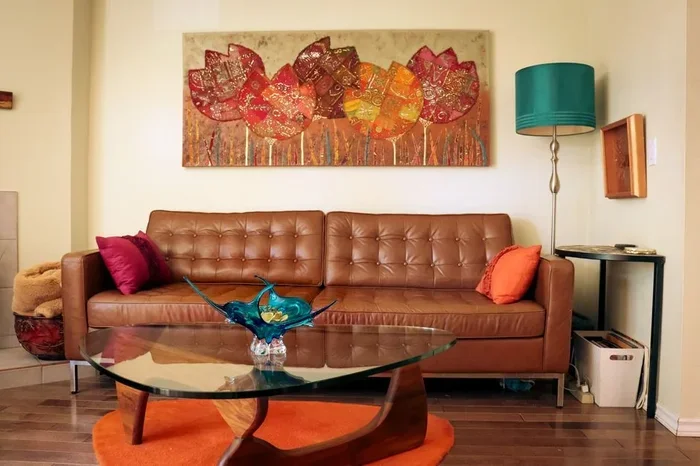
If you have a favorite piece of art, let it inspire your color palette. Pull colors from the painting and weave them into your pillows, rug, and curtains. This creates a room that feels personal and connected.
Add Metallic Accents
Gold, brass, copper, and silver accents elevate any colorful living room ideas setup. They add a touch of elegance and help tie different colors together. A gold lamp, brass picture frames, or silver candle holders work beautifully with almost any color scheme.
Do Not Forget the Plants
Greenery is nature’s way of adding color. Plants bring life and freshness to any room. They also work as a natural bridge between bold colors and neutral tones. A few potted plants can make your vibrant living room feel even more inviting.
Quick Tip: If you are nervous about going bold, start with one colorful element and build from there. A bright rug or a set of colorful curtains is a low-commitment way to dip your toes in. Once you see how it transforms the room, you will want more.
The best colorful living room is one that feels like you. Do not chase trends just because they are popular. Pick colors that make you smile every time you sit down on your couch. Your home should be a reflection of your personality, not a showroom.
Whether you go all-in with a bold color palette or keep things subtle with soft accents, the goal is the same. Create a space that feels joyful, welcoming, and truly yours. Start with one change today. Paint a wall. Add a colorful throw pillow. Hang a piece of art that speaks to you. Small steps lead to big transformations.
Your living room is where you relax, connect, and recharge. It deserves to feel as vibrant as your life. So go ahead. Embrace colorful living room ideas and watch your space come alive.
Frequently Asked Questions
What are the best colors for a colorful living room?
The best colors depend on your personal style and the natural light in your room. Popular choices include teal, mustard, coral, and emerald green. These shades work well as both wall colors and accents. Pair them with neutral tones like white, cream, or gray to keep the room balanced.
How do I make a colorful living room look cohesive?
Use the 60-30-10 rule to structure your color palette. Pick a dominant color, a secondary color, and an accent color. Repeat these colors throughout the room in different items like pillows, rugs, curtains, and artwork. This creates a sense of harmony and keeps the space looking intentional.
Can I use bold colors in a small living room?
Absolutely. Bold colors can make a small room feel cozy and dramatic. Use them on an accent wall or through furniture and accessories rather than painting every wall. This gives you the impact of color without making the space feel cramped.
What if I am afraid of committing to a bright color?
Start small with colorful throw pillows, a colorful rug, or a piece of wall art. These are easy to change and give you a feel for what works. Once you gain confidence, you can add bigger color elements like painted walls or statement furniture.
How do I incorporate colorful living room ideas on a budget?
Accessories are your best friend on a budget. Swap out throw pillows, add a new rug, or hang colorful curtains. These changes cost a fraction of a full makeover but deliver a big visual impact. Thrift stores and online marketplaces are great places to find affordable colorful pieces.
Should my colorful living room match the rest of my home?
Yes and no. You want a sense of flow between rooms, which means sharing at least one color across spaces. But each room can have its own personality. Your living room can be vibrant while your bedroom stays calm. The shared color ties everything together without making every room feel the same.
=== CONCLUSION ===
Colorful living room ideas are one of the most effective ways to breathe new life into your home. From choosing the right color palette to mixing patterns and textures, every choice you make adds personality and energy to your space. You do not need a huge budget or professional help. Start with small changes, test your colors, and build a room that reflects who you are.
The best colorful living room is the one that makes you feel happy every time you walk in. So pick your favorite shades, trust your instincts, and enjoy the process. Your dream space is closer than you think.