What Color Should I Paint My Living Room With Style
Choosing the right paint color can completely transform your living room’s look and feel. Whether you prefer warm neutrals, bold accents, or calming pastels, the perfect shade is out there for you. This guide covers everything you need to know about picking the best living room paint colors for your home.
So you’re standing in front of a blank wall, paint swatch in hand, and thinking, “What color should I paint my living room?” You’re not alone. This is one of the most common questions homeowners ask when they want to refresh their space. The right color can make a small room feel bigger, a dark room feel brighter, and a boring room feel stunning.
But with so many options out there, the decision can feel overwhelming. Should you go with a soft neutral? A bold pop of color? Something trendy that will stand the test of time? Don’t worry. We’ve got you covered. This guide walks you through everything you need to know about choosing the perfect living room paint colors for your home.
By the end of this article, you’ll feel confident about your color choice. You’ll know how lighting affects paint, which colors work best for different styles, and how to avoid common mistakes. Let’s dive in and find the perfect shade for your space.
Key Takeaways
- Neutral tones like beige, gray, and white create a timeless and versatile base for any living room.
- Warm colors such as terracotta and soft yellows make a space feel cozy and inviting.
- Cool tones like blue and green bring calm and relaxation into your living area.
- Bold accent walls add personality without overwhelming the entire room.
- Lighting matters — natural and artificial light changes how paint colors look on your walls.
- Test samples first before committing to a full can of paint.
- Match your paint finish to the room’s purpose for the best long-term results.
📑 Table of Contents
- Why Paint Color Matters So Much
- Best Neutral Colors for Living Rooms
- Bold Colors That Make a Statement
- How to Choose the Right Paint Finish
- Common Mistakes to Avoid When Painting Your Living Room
- Trending Living Room Paint Colors for 2025
- Final Tips for Picking Your Perfect Living Room Color
- Conclusion
Why Paint Color Matters So Much
The color you choose for your walls sets the entire mood of a room. It’s the first thing people notice when they walk in. Colors affect how we feel, how we relax, and even how we interact with others in a space. This is called color psychology, and it plays a huge role in interior design.
For example, soft blues and greens tend to feel calming and peaceful. They’re perfect for a living room where you want to unwind after a long day. On the other hand, warm tones like coral and golden yellow create energy and warmth. They make guests feel welcome and comfortable.
When you think about paint ideas for living room walls, consider what you want the room to feel like. Do you want a cozy retreat? A vibrant social space? A clean, minimalist area? Your answer will guide your color choice more than any trend ever will.
Think About Your Room’s Natural Light
One of the biggest factors in how a paint color looks is the light in your room. Rooms with lots of natural sunlight can handle deeper, richer colors without feeling dark. North-facing rooms with less light tend to look better with lighter, warmer shades.
Before you buy any paint, spend a day observing how light moves through your living room. Notice which walls get the most sun. This simple step saves you from picking a color that looks great in the store but turns out too dark or too cool in your actual space.
Best Neutral Colors for Living Rooms
Neutral colors never go out of style. They work with almost any furniture, decor, and lighting setup. If you’re not sure where to start, neutrals are always a safe bet. They create a clean backdrop that lets your accent pieces for living room shine.
Warm Neutrals
Colors like beige, cream, and warm taupe make a living room feel welcoming and soft. These shades pair beautifully with wooden furniture and natural textures. They also work well with almost any wall art or rug style.
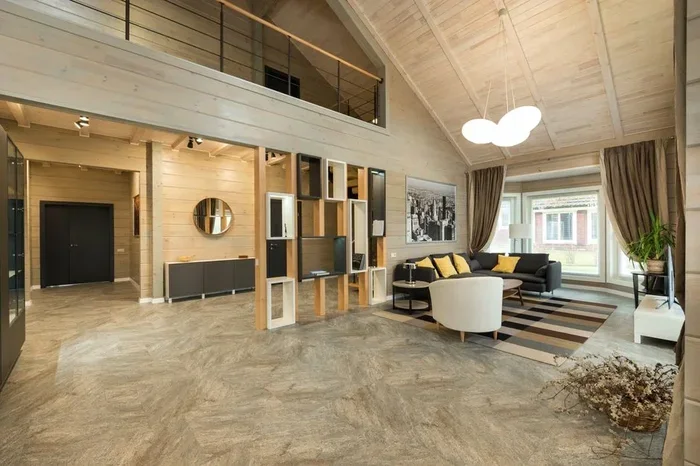
If you love the look of a cozy cabin or a rustic aesthetic, warm neutrals are your best friend. They add depth without being too bold. Plus, they make small living rooms feel more open and airy.
Cool Neutrals
Gray and off-white are popular cool neutrals that give a modern, sleek feel. Gray tones come in many shades — from light silver to deep charcoal. Each one creates a different vibe. Light gray feels fresh and clean, while dark gray adds drama and sophistication.
Off-white is another excellent choice. It brightens up a room without the starkness of pure white. It also pairs well with colorful throw pillows, curtains, and artwork. If you’re unsure about committing to a bold color, off-white is a perfect middle ground.
Bold Colors That Make a Statement
Not everyone wants a safe, neutral living room. Some people love color. And that’s perfectly fine! Bold wall colors can turn a plain room into a showstopper. They add personality, energy, and character to any space.
Deep Blues and Greens
Navy blue and forest green are two of the most popular bold choices right now. They create a rich, sophisticated atmosphere. Navy works especially well in rooms with plenty of natural light. It pairs beautifully with gold or brass accents.
Forest green brings a sense of nature indoors. It feels fresh and calming at the same time. If you have plants in your living room, a green wall ties the whole look together perfectly.
Warm Reds and Terracotta
Terracotta and warm reds are trending hard in interior design. They add warmth and a rustic charm to any living room. These colors work best with natural materials like wood, leather, and linen.
One popular approach is to paint just one wall a bold color and keep the rest neutral. This is called an accent wall, and it’s a great way to add color without overwhelming the space. You can also find aesthetic living room ideas that use this technique beautifully.
How to Choose the Right Paint Finish
Choosing a color is only half the battle. You also need to pick the right paint finish. The finish affects how the wall looks, how easy it is to clean, and how durable the paint is over time.
Matte Finish
Matte paint has a flat, non-reflective look. It hides wall imperfections really well, which makes it great for older homes or walls with small bumps. However, matte paint is harder to clean. A dab with a wet sponge can leave a mark.
Matte works well in low-traffic living rooms where walls don’t get touched often. It’s also a popular choice for accent walls because it absorbs light beautifully.
Satin and Semi-Gloss Finish
Satin finish has a soft sheen. It’s easier to wipe clean than matte, so it works well in living rooms where kids or pets spend time. Semi-gloss is even more reflective and durable.
These finishes work great on trim, doors, and ceilings. They also hold up well in kitchens and bathrooms. For living rooms, satin offers the perfect balance between look and practicality.
Common Mistakes to Avoid When Painting Your Living Room
Even the best color choices can go wrong if you skip a few important steps. Here are some common mistakes people make when painting their living room.
Skipping the Sample Test
Never buy a full gallon without testing the color first. Paint a small patch on your wall and look at it over two or three days. The color will look different in morning light versus evening light. This step alone can save you from a huge regret.
Ignoring the Furniture
Your wall color needs to work with your furniture, not against it. If you have a bold sofa or colorful rug, a busy wall color can make the room feel chaotic. Think about your overall living room design before you pick a shade.
Choosing Based on a Tiny Swatch Alone
A small paint chip is not the same as a full wall of color. Colors look much more intense when they cover a large area. Always go a shade or two lighter or darker than what catches your eye on the chip.
Trending Living Room Paint Colors for 2025
Every year, design experts share the colors that are trending. While you don’t have to follow trends, they can give you great inspiration. Here are some of the most popular living room paint colors for this year.
- Warm White — A soft, creamy white that feels more inviting than stark white.
- Sage Green — A muted green that brings a calm, organic feel to any room.
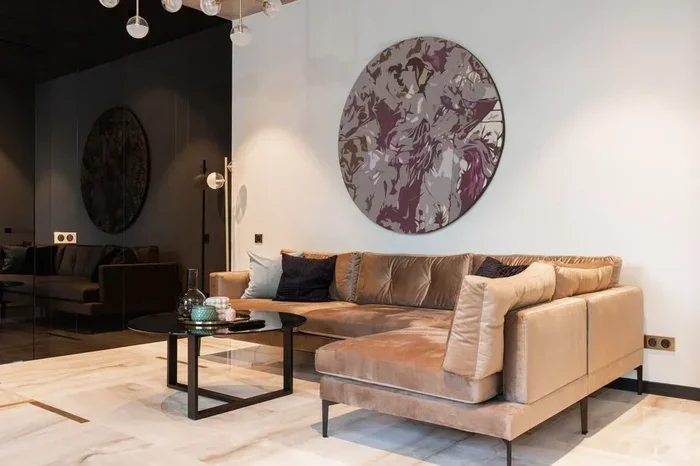
- Soft Clay — A warm, earthy tone that works beautifully with boho and modern styles.
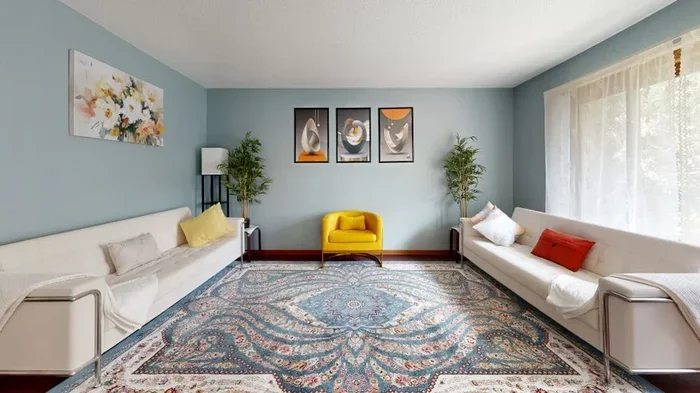
- Dusty Blue — A gentle blue with a hint of gray. It’s both soothing and stylish.
- Muted Mustard — A warm yellow that adds energy without being too loud.
These colors pair well with different furniture styles. Whether you love the look of an Italian living room set or prefer something more minimal, there’s a trending color that fits. You can also explore Japandi living room furniture ideas if you’re drawn to the clean, minimal aesthetic that works perfectly with sage green and warm white.
Final Tips for Picking Your Perfect Living Room Color
Still not sure? Here are a few extra tips to help you make your final decision with confidence.
- Start with a mood board. Collect images of rooms you love. Notice the colors that keep showing up. This helps you identify your personal style.
- Consider your flooring. Dark wood floors pair well with lighter wall colors. Light floors can handle darker walls without making the room feel heavy.
- Think about the ceiling. A white or light ceiling makes a room feel taller. A colored ceiling adds a dramatic, cozy effect.
- Get help from a pro. If you’re still stuck, visit a local paint store. Many offer free color consultations that can save you hours of guesswork.
- Don’t forget your accessories. The color of your throw pillows, curtains, and rugs all interact with your wall color. Plan the whole room together.
Remember, there’s no wrong answer when it comes to what color should I paint my living room. The best color is the one that makes you feel happy and comfortable every time you walk through the door. Trust your instincts, test your samples, and enjoy the process.
Once you’ve picked your color and started painting, you can focus on styling the rest of your space. Whether you’re adding new shelves, arranging furniture, or choosing the right lighting, every detail matters. Check out our guide on how to place furniture in living room for expert tips on arranging your space after painting. You can also explore aesthetic living room ideas for inspiration that complements your new color scheme perfectly.
And don’t forget the finishing touches. The right accent pieces for living room can tie your whole design together. A stylish vase, a new throw blanket, or a statement piece of wall art can make your freshly painted room feel complete and uniquely yours.
Conclusion
Choosing the right paint color for your living room doesn’t have to be stressful. Start by thinking about the mood you want to create. Consider your natural light, furniture, and personal style. Test your samples, pick the right finish, and don’t be afraid to go bold if that’s what feels right for you.
The perfect living room paint colors are out there waiting for you. With a little patience and the right guidance, you can transform your living room into a space you truly love. Happy painting!
Frequently Asked Questions
What is the best living room paint color for small spaces?
Light neutrals like off-white, soft beige, and pale gray make small living rooms feel bigger and brighter. These colors reflect light instead of absorbing it, which opens up the space. You can also try a bold accent wall to add depth without making the room feel cramped.
Should I paint my living room ceiling the same color as the walls?
It depends on the look you want. A white or lighter ceiling makes a room feel taller and more open. But painting the ceiling the same color as the walls creates a cozy, intimate feel. This technique works well in rooms with high ceilings where you want a more dramatic effect.
How many paint samples should I test before deciding?
Always test at least two to three colors on different walls. Paint a small patch about two feet by two feet. Look at it in the morning, afternoon, and evening light. This gives you a clear picture of how each color behaves throughout the day before you commit.
Can I paint a dark living room wall if I don’t have much natural light?
You can, but it takes some care. Dark colors absorb light, so a dark wall in a low-light room can feel heavy. Choose a dark shade with warm undertones, and make sure the rest of the room has good artificial lighting. Pairing dark walls with mirrors and light furniture helps balance the look.
What paint finish is easiest to clean in a living room?
Satin and semi-gloss finishes are the easiest to clean. They have a slight shine that makes wiping away marks and stains simple. Matte and flat finishes look beautiful but are harder to clean without leaving marks or streaks.
How do I make sure my paint color matches my existing furniture?
Bring a photo of your furniture or a fabric swatch to the paint store. Compare the undertones of your furniture with the paint samples. Warm wood furniture pairs well with warm paint tones, while cool-toned furniture looks great with gray or blue-based neutrals.