Stunning Two Tone Living Room Paint Ideas to Inspire You
Two tone living room paint ideas offer an easy way to add depth and style to any room. You can create a bold statement or a subtle look with just two colors. This guide covers the best color combos, practical tips, and inspiration to help you refresh your living space. Whether you prefer modern or classic styles, two-tone walls make a big impact with minimal effort.
Two tone living room paint ideas are one of the simplest ways to completely change the feel of your space. You do not need to buy new furniture or spend a fortune on decor. Just pick two colors, grab a paintbrush, and watch your room come alive. The right color split can make a small room feel bigger, or a large room feel cozier. It is a design trick that interior designers have used for years, and it still works beautifully today.
If you have been staring at blank walls and wondering what to do, you are in the right place. This guide walks you through everything you need to know. From choosing the perfect color pair to avoiding common mistakes, you will find practical advice you can use right away. Let us dive in and explore some amazing ideas.
Key Takeaways
- Two-tone walls add visual interest: Splitting your wall color creates depth and dimension in any living room.
- Color choice matters: Pairing light and dark shades or contrasting warm and cool tones makes a strong design statement.
- The 60-30-10 rule helps: Use it to balance your two-tone palette with furniture and decor.
- Accent walls boost the effect: Painting just one wall a different shade highlights focal points like a sofa or fireplace.
- DIY is doable: With the right tools and prep, you can achieve a professional two-tone finish at home.
- Bold combos work: Don’t be afraid to mix unexpected colors for a unique and personal look.
📑 Table of Contents
- Why Two-Tone Living Room Paint Ideas Work So Well
- Best Color Combinations for Two-Tone Walls
- How to Choose Your Two-Tone Paint Scheme
- Popular Two-Tone Living Room Paint Ideas
- Tips for Painting Two-Tone Walls Like a Pro
- Common Mistakes to Avoid with Two-Tone Walls
- How Two-Tone Paint Connects to Your Overall Living Room Design
- Key Takeaways
- Conclusion
Why Two-Tone Living Room Paint Ideas Work So Well
There is a reason two-tone walls have stayed popular for decades. They add depth and character without overwhelming a room. When you split a wall into two colors, you create a natural visual break. This draws the eye and gives the space a sense of structure.
Two-tone paint also lets you express your personality. You can go bold with dark and bright shades, or keep it soft with muted pastels. Either way, the result feels intentional and polished. It is one of the easiest ways to elevate your living room design without a full renovation.
Creates Visual Interest
A single color wall can feel flat and boring after a while. Two-tone walls break up that monotony. The contrast between two shades adds movement and energy to the room. Even subtle shade differences can make a big difference.
Defines Spaces in Open Floor Plans
Many homes today have open floor plans. The living room flows into the dining area or kitchen. Two-tone paint helps define each zone. You can use one color for the living room walls and another for the dining area. This creates a natural boundary without putting up walls or curtains.
Highlights Architectural Features
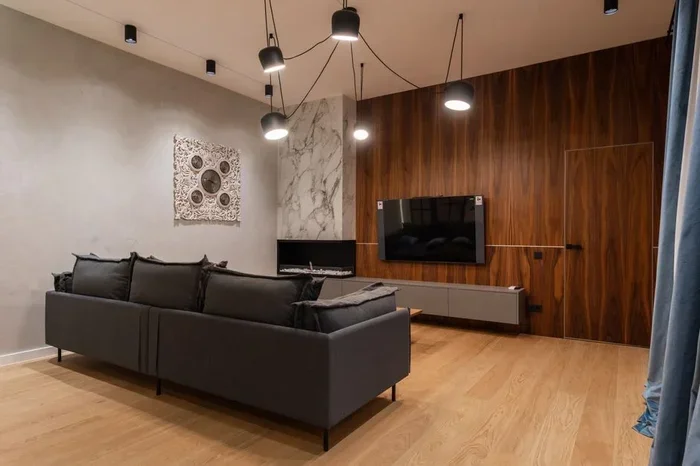
Do you have a fireplace, built-in shelves, or a window alcove? Two-tone paint draws attention to these features. Paint the surrounding walls a neutral shade and let the feature wall pop with a deeper or brighter color. This technique works wonders for creating a focal point in the room.
Best Color Combinations for Two-Tone Walls
Choosing the right color pair is the most important step. The wrong combo can clash, while the right one makes the room feel harmonious. Here are some tried-and-true combinations that work beautifully.
| Combination | Mood | Best For |
|---|---|---|
| White and Navy | Classic and crisp | Traditional or coastal homes |
| Soft Gray and Sage Green | Calm and earthy | Modern and rustic spaces |
| Blush Pink and Charcoal | Sophisticated and warm | Contemporary and eclectic rooms |
| Cream and Mustard Yellow | Warm and cheerful | Cozy, sun-filled living rooms |
| Black and White | Bold and dramatic | Modern and minimalist spaces |
| Light Blue and Warm White | Fresh and airy | Small or north-facing rooms |
When picking your colors, think about the existing furniture and flooring. Your two-tone scheme should complement what is already in the room. If your sofa is neutral, you have more freedom to go bold with the wall colors. If your furniture is colorful, stick with neutral wall shades to balance things out.
For more living room color schemes inspiration, check out our guide on aesthetic living room ideas that features stunning color palettes.
Go Monochromatic for a Subtle Look
Not sure about bold contrasts? Try a monochromatic approach. Pick one color and use two shades of it. A light lavender on the lower half and a deeper purple on the upper half creates a gentle, elegant effect. This approach works especially well in bedrooms or reading nooks within the living space.
Mix Warm and Cool Tones
Pairing a warm tone like terracotta with a cool tone like slate blue creates a striking look. The contrast feels dynamic but balanced. This combo works well in eclectic and bohemian-style rooms. Just make sure the tones share a similar undertone so they do not fight each other.
How to Choose Your Two-Tone Paint Scheme
Before you buy paint, take some time to plan. Rushing into a color choice often leads to regret. Follow these steps to make a confident decision.
- Start with your existing furniture. Look at the colors of your sofa, rugs, curtains, and coffee table. These items should inspire your wall colors, not compete with them.
- Consider the room’s natural light. Rooms with lots of sunlight can handle darker shades. North-facing or smaller rooms benefit from lighter tones on the majority of the walls.
- Test paint samples first. Buy small sample pots and paint a section of each wall. Watch how the colors look at different times of day. Morning light and evening light can change a color’s appearance completely.
- Decide where the line will be. Will the split be horizontal or vertical? A horizontal split at chair-rail height is classic and safe. A vertical split on one accent wall feels more modern and dramatic.
Keep the 60-30-10 rule in mind. About 60 percent of the room should be your dominant color, 30 percent your secondary color, and 10 percent your accent color. This applies to walls, furniture, and decor alike. Following this rule keeps your room visually balanced.
Think About Your Lifestyle
If you have kids or pets, choose durable, washable paints for high-traffic areas. Dark colors hide marks better but can make a room feel smaller. Light colors reflect more light and open up the space. Consider what matters most for your daily life when choosing your two-tone scheme.
Popular Two-Tone Living Room Paint Ideas
Let us look at some specific ideas you can bring into your home. Each one has a different vibe, so you can pick what matches your style best.
The Half-and-Half Classic
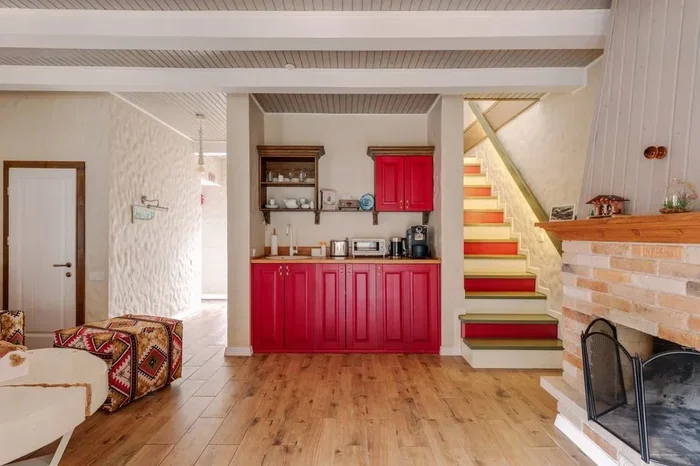
This is the most popular two-tone approach. Paint the bottom half of the wall one color and the top half another. A common pairing is a warm cream below and a soft white above. This creates a clean, timeless look that works with almost any decor style. You can use molding or a simple tape line to create a crisp edge between the two colors.
The Accent Wall Statement
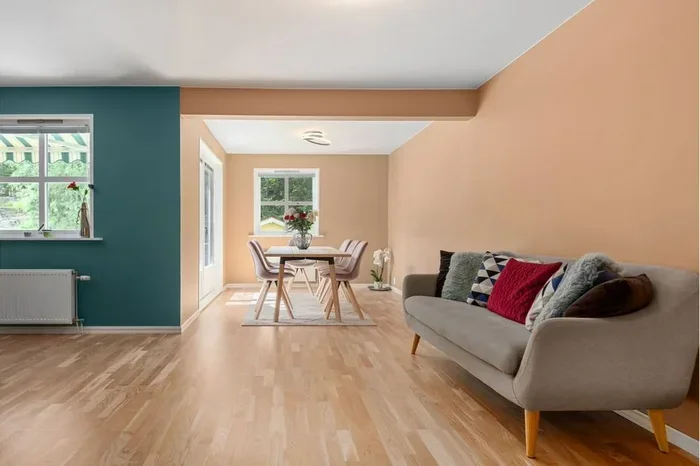
Paint all walls a neutral shade and make one wall your accent. This wall becomes the room’s centerpiece. Deep navy, forest green, or rich burgundy are popular choices for accent walls. Place your sofa or a piece of art in front of the accent wall to anchor the look. This approach is perfect if you want a bold punch of color without committing to the whole room.
The Color-Blocked Look
Color blocking uses large blocks of color on different walls. For example, one wall could be mustard yellow while the opposite wall is teal. This creates a fun, energetic feel. It works best in modern and playful interiors. Pair the walls with neutral furniture so the colors shine without overwhelming the space.
The Upper and Lower Split
Instead of a horizontal split at chair-rail height, try splitting the wall into upper and lower thirds. Paint the bottom third a deeper shade and the top two-thirds a lighter one. This technique draws the eye upward and makes ceilings feel higher. It pairs beautifully with tall windows and crown molding.
For more inspiration on arranging your furniture around these painted walls, see our guide on how to arrange two sofas in a living room with TV. Proper furniture placement enhances the impact of your two-tone walls.
Tips for Painting Two-Tone Walls Like a Pro
Even if you have never painted before, two-tone walls are very achievable. The key is preparation and patience. Here are some tips that will help you get great results.
- Use painter’s tape for clean lines. Whether your split is horizontal or vertical, tape ensures a sharp edge. Press the tape down firmly so no paint bleeds underneath.
- Paint the lighter color first. If you make a mistake, it is easier to cover a light shade with a dark one than the other way around.
- Use a level or measuring tape. For a horizontal split, measure the height carefully on both sides of the wall. This keeps the line straight and even.
- Roll in thin, even coats. Two thin coats look better than one thick coat. Thin coats dry faster and reduce the risk of drips or streaks.
- Let each coat dry fully. Do not rush the process. Most paints need at least two to four hours between coats. Check the label on your paint can for specific drying times.
Tools You Will Need
You do not need a lot of fancy equipment. A basic paint roller, a small angled brush for edges, painter’s tape, a measuring tape, and a level are all you need. If you want extra precision, a laser level can help you draw a perfect straight line across the wall.
Where to Place the Divider Line
The most common divider line sits at about 32 to 36 inches from the floor. This is roughly chair-rail height and works well in most rooms. If your ceiling is very high, you can move the line higher for a more dramatic effect. Just make sure the line feels balanced with the rest of the room’s proportions.
For more ideas on how to furnish your freshly painted room, explore our IKEA living room furniture collection. Affordable and stylish pieces pair perfectly with custom two-tone walls.
Common Mistakes to Avoid with Two-Tone Walls
Even the best two-tone ideas can go wrong if you skip a few key steps. Here are common mistakes and how to avoid them.
- Skipping the primer. Primer helps the top coat adhere better and look more vibrant. Skipping it can lead to patchy coverage, especially when going from a dark shade to a light one.
- Choosing colors that are too similar. If the two shades are barely different, you will not see the two-tone effect. Make sure there is enough contrast between the colors.
- Ignoring the floor and ceiling. Your floor color and ceiling color should complement the wall shades. A dark floor with dark lower walls can make the room feel heavy and closed in.
- Not considering the transition. Think about how the two colors meet at the edge. A messy line can ruin the whole look. Take your time with tape and touch-ups.
- Forgetting about trim and molding. White or cream trim frames your two-tone walls beautifully. It adds a polished, finished look that ties everything together.
Rushing the Process
The biggest mistake people make is rushing. Painting two-tone walls takes more time than painting a single color wall. Plan for at least two days: one day for prep and the first coat, and another for the second coat and touch-ups. Patience pays off with a cleaner, more professional result.
How Two-Tone Paint Connects to Your Overall Living Room Design
Two-tone walls are not just about the paint. They set the stage for everything else in the room. Your furniture, rugs, curtains, and wall art all work together with the wall colors to create a cohesive look. Think of the two-tone scheme as the foundation of your room’s design.
Start by choosing your wall colors. Then build outward. A warm terracotta lower wall pairs beautifully with beige linen cushions and wooden furniture. A navy and white split looks stunning with brass accents and dark wood floors. The possibilities are endless when you let the wall colors guide your choices.
Do not forget about lighting. Warm lighting makes warm wall colors glow. Cool lighting brings out the best in blue and gray tones. Consider how your room lights interact with your two-tone scheme before finalizing your color choice.
For those who love bold, artistic interiors, you might also enjoy exploring Addams Family living room themes that play with dramatic color contrasts and unique paint schemes.
Pairing Two-Tone Walls with Furniture
Neutral furniture works with almost any two-tone combo. A white or gray sofa lets the walls take center stage. If your furniture has color, make sure it echoes one of the wall shades. This creates a sense of unity and keeps the room looking put together.
Adding Textiles and Accessories
Throw pillows, area rugs, and curtains are easy ways to tie your two-tone walls into the rest of the room. Pick textiles that include both wall colors. This creates a seamless flow from wall to decor. A few well-placed plants or candles add warmth and finish the look.
Key Takeaways
- Two-tone walls add depth and dimension: They transform plain rooms into visually interesting spaces with minimal effort.
- Color choice is everything: Pick combinations that match your furniture, lighting, and personal style for the best results.
- Test before you commit: Always paint sample patches and observe them in different lighting conditions throughout the day.
- Prep work makes the difference: Clean walls, use primer, apply painter’s tape, and take your time for a professional finish.
- Avoid common pitfalls: Don’t choose colors that are too similar, skip primer, or rush the drying process.
- Build your room around the walls: Let your two-tone scheme guide furniture, textile, and accessory choices for a cohesive design.
Conclusion
Two tone living room paint ideas are a powerful and affordable way to completely refresh your home. You do not need to be a professional painter to achieve beautiful results. With the right color pair, a bit of planning, and some patience, you can create a living room that feels fresh, stylish, and uniquely yours.
Whether you choose a classic half-and-half split, a bold accent wall, or a playful color-blocked design, the key is to have fun with it. Your living room should reflect who you are and how you want to feel at home. Two-tone walls give you the freedom to experiment and express your personal style in a way that a single color never could.
Start by testing a few color samples this weekend. Picture how they will look with your furniture and lighting. Before long, you will have a living room that feels brand new. Happy painting!
Frequently Asked Questions
What are the best two-tone color combos for a small living room?
For small living rooms, stick to light and airy combinations. White paired with soft gray or pale blue opens up the space and reflects natural light. Avoid very dark colors on large portions of the wall, as they can make a small room feel cramped. Use a deeper shade only on the lower half or one accent wall.
How do I decide where to place the color line on my two-tone wall?
Chair-rail height (about 32 to 36 inches from the floor) is the most popular and timeless choice. It creates a clean, balanced split that works in almost any room. If you want a more modern look, try a vertical split on one wall or a three-way split using upper, middle, and lower sections.
Can I use two-tone paint ideas in a room with dark furniture?
Absolutely. Dark furniture actually benefits from lighter wall colors on the upper half, which keeps the room from feeling heavy. Pair dark wood furniture with a light gray or soft white upper wall and a deeper shade on the lower half. This contrast highlights the furniture while keeping the room balanced.
Do I need professional help to paint two-tone walls?
No, two-tone walls are very beginner-friendly. All you need is painter’s tape, a level, and a bit of patience. Prep the walls well, use primer, and paint the lighter color first. If you take your time with the tape and edges, you will get a clean, professional-looking result on your own.
What paint finish works best for two-tone living room walls?
A matte or eggshell finish works great for most two-tone walls. Matte finishes hide imperfections well and give a modern, soft look. Eggshell has a slight sheen that is easier to clean. Avoid high-gloss finishes on large wall areas, as they can highlight uneven surfaces and brush marks.
How do two-tone walls affect the overall mood of a living room?
Two-tone walls give you more control over the room’s mood. Darker lower walls create a cozy, grounded feel, while lighter upper walls keep the room feeling open. Warm colors like terracotta and cream make the room feel inviting, while cool colors like blue and gray bring a calm, relaxing energy. Choose your combo based on the atmosphere you want to create.
=== CONCLUSION ===
Two tone living room paint ideas are one of the most effective and budget-friendly ways to transform your home. From choosing the perfect color pair to applying the paint with confidence, you now have all the tools you need. Start small with an accent wall or go bold with a full room split. The key is to pick colors you love and that work with your existing space. Your dream living room is just a few paint cans away.