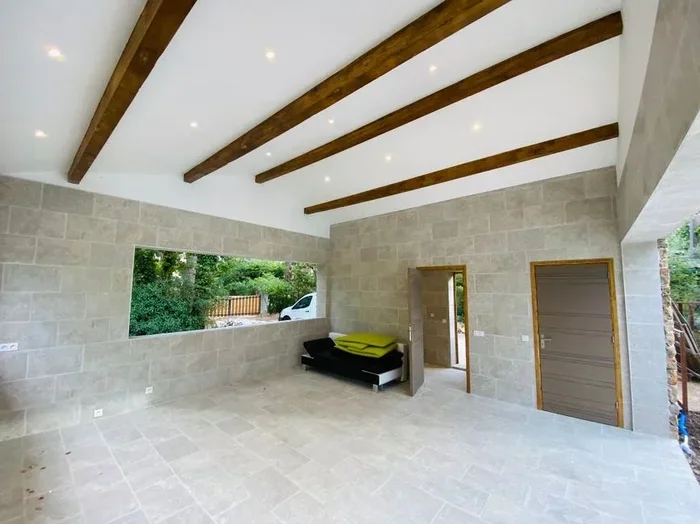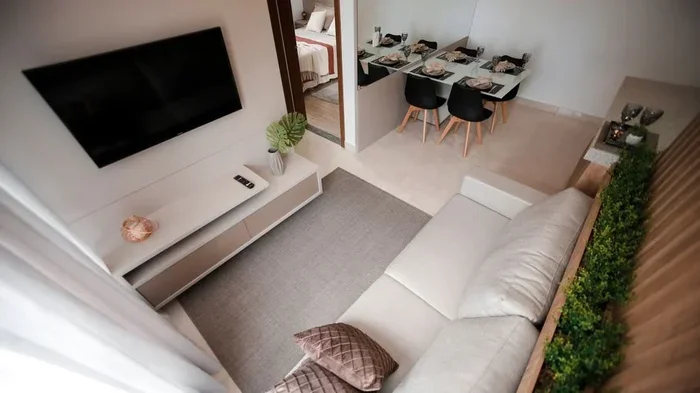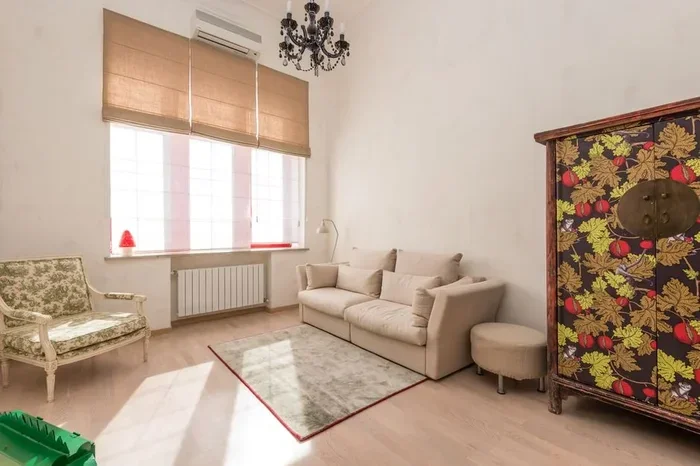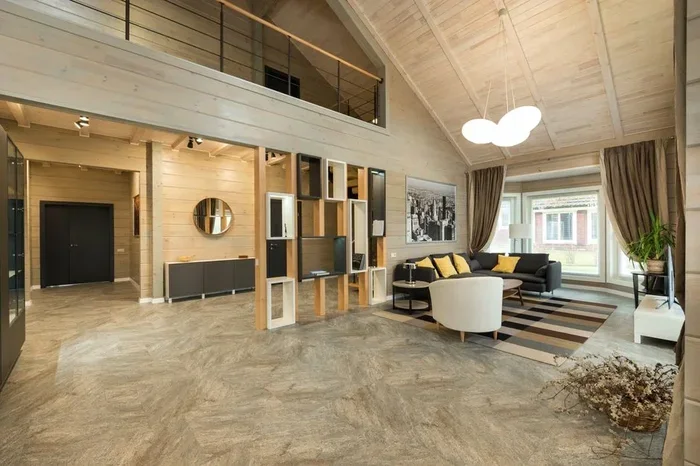
Two Colour Combinations That Will Transform Your Living Room
Choosing the right two colour combination for your living room can completely change the feel of your space. Whether you prefer soft neutrals or bold contrasts, pairing two colours creates harmony and visual interest. This guide shares proven colour pairings, practical tips, and real examples to help you design a living room you will love coming home to.
Every living room tells a story. The colours you choose set the mood, shape the feel, and guide how people experience the space. When you commit to a two colour combination for living room design, you create a clean and intentional look that feels both modern and timeless.
Two colours might sound simple, but the right pairing can transform a plain room into something extraordinary. You do not need ten different shades or a confusing palette. Sometimes, just two colours working together make the biggest impact. In this guide, we will walk you through the best pairings, show you how to apply them, and help you avoid common mistakes along the way.
Key Takeaways
- Neutral + Bold: Pairing a soft neutral with a bold accent colour creates balance and drama without overwhelming the room.
- Warm and Cool Tones Work Together: Combining warm tones like terracotta with cool tones like sage green adds depth and sophistication.
- Monochromatic Schemes Feel Elegant: Using two shades of the same colour family keeps the room feeling calm and cohesive.
- Accent Pieces Tie Everything Together: Pillows, art, and rugs in your chosen colours pull the whole room into focus.
- Test Before You Commit: Always paint a small patch and view it in natural and artificial light before making a final choice.
- Consider Your Room Size: Lighter two colour combos make small rooms feel open, while darker pairings add intimacy to larger spaces.
📑 Table of Contents
- Why Two Colours Work So Well for Living Rooms
- Best Two Colour Combinations for Your Living Room
- How to Choose the Right Two Colours for Your Space
- Practical Tips for Applying Two Colours in Your Living Room
- Common Mistakes to Avoid When Using Two Colours
- Adding Depth With Texture and Patterns
- Two Colour Combinations by Style
- How to Transition Between Rooms With Two Colours
- Final Thoughts
Why Two Colours Work So Well for Living Rooms
A two colour scheme keeps things simple and elegant. When you limit your palette, every element in the room has a purpose. There is no visual clutter, no competing shades, and no confusion about what goes where.
Colour pairing also creates a sense of order. Your eye naturally relaxes when it sees a balanced scheme. This is why so many living room design ideas rely on a two-tone approach. It works for tiny apartments and spacious family rooms alike.
Builds Visual Harmony
Two colours create harmony because they share a relationship. Think of it like a conversation between two voices. One leads, and the other supports. When done right, the result feels calm, intentional, and put together.
Makes Decorating Easier
When your wall colour and furniture colour are already decided, choosing accent pieces for living room becomes much simpler. You just pick items that match or contrast within your two colour framework. No guessing, no stress.
Best Two Colour Combinations for Your Living Room
Not sure where to start? Here are some of the most popular and proven two colour pairings that work beautifully in any living room.
White and Navy Blue
This classic pairing feels fresh and refined. White walls let the room breathe, while navy blue furniture or curtains add depth and richness. It is a timeless combination that never goes out of style.
Beige and Terracotta
For a warm and inviting feel, try beige walls paired with terracotta accents. This earthy combo works wonders in living room colour schemes that lean toward a cosy, grounded aesthetic. Add some wooden furniture to complete the look.
Grey and Mustard Yellow
Grey provides a sleek backdrop, and mustard yellow brings energy and warmth. This pairing is perfect if you want a modern living room that still feels welcoming. Use mustard on throw pillows, a rug, or a single statement chair.
Sage Green and Cream
If you love nature-inspired palettes, this combo is for you. Sage green walls paired with cream furniture create a serene and organic feel. It works especially well in rooms with plenty of natural light.
Black and Gold
For a touch of luxury, black and gold never disappoints. Paint walls a deep charcoal black and add gold-framed mirrors, lamps, or decorative objects. This pairing feels sophisticated and dramatic.
How to Choose the Right Two Colours for Your Space
Picking two colours is not just about what looks good on a paint chip. You need to think about your room, your lifestyle, and the mood you want to create.
Consider the Room Size
Small living rooms benefit from lighter two colour combos. White paired with a soft pastel makes the space feel open and airy. Large rooms can handle darker pairings like charcoal and deep burgundy without feeling cramped.
Think About Natural Light
Rooms with lots of windows can handle deeper, richer colours. North-facing rooms with less light look better in lighter shades. Always test your two colour combination for living room idea by viewing it at different times of day.
Match Your Existing Furniture
If you already have a sofa or a coffee table, let those pieces guide your colour choice. You do not need to replace everything. Just choose your second colour to complement what you already own. This approach makes how to choose furniture for a living room decisions much easier in the future.
Follow the 60-30-10 Rule
This classic design rule helps you balance your two colours. Use your primary colour for 60% of the room, the secondary colour for 30%, and an accent colour for the remaining 10%. Even with just two main colours, this ratio keeps things balanced.
| Colour Role | Percentage | Where to Use It |
|---|---|---|
| Primary Colour | 60% | Walls, large furniture pieces |
| Secondary Colour | 30% | Curtains, rugs, smaller furniture |
| Accent (optional third) | 10% | Pillows, art, decorative objects |
Practical Tips for Applying Two Colours in Your Living Room
Knowing which colours to pick is only half the battle. You also need to apply them correctly to get the best results.
Start with the Walls
Your wall colour sets the foundation. Choose your primary colour for the walls first. Then select your secondary colour for furniture, curtains, or a feature wall. This approach keeps the process simple and logical.
Use Accent Pieces to Bridge the Gap
If your two colours feel like they do not quite connect, add accent pieces for living room in a transitional shade. A throw blanket, a vase, or a piece of wall art in a neutral tone can bring everything together.
Do Not Forget the Ceiling
Many people forget about the ceiling when planning their two colour combination for living room. A white ceiling keeps the room feeling tall and open. But painting the ceiling a subtle shade of your secondary colour can add a cozy, enveloping feel.
Test With Samples First
Always buy sample pots and paint a small section of your wall. Live with it for a few days. Look at it in the morning, afternoon, and evening. Colours can look very different under various lighting conditions.
Common Mistakes to Avoid When Using Two Colours
Even the best colour pairings can go wrong if you make simple mistakes. Here is what to watch out for.
Choosing Colours Without Testing Them Together
Two colours might look great separately but clash when placed side by side. Always paint swatches on the same wall and view them together before committing.
Ignoring the Floor and Ceiling
Your floor and ceiling are part of the room too. A dark floor can make a light wall colour feel disconnected. Consider how all three surfaces work together as part of your living room paint ideas.
Overlooking Existing Decor
If you have a rug, artwork, or furniture you love, make sure your two colour scheme complements those pieces. Fighting against what you already own will make the room feel forced and unnatural.
Following Trends Without Thinking About Longevity
Bold trends come and go. If you want a room that still feels fresh in five years, stick to classic pairings. You can always update accent pieces for living room to refresh the look without repainting.
Adding Depth With Texture and Patterns
Two colours do not mean two flat surfaces. Adding texture and patterns brings life and dimension to your room. A smooth cream sofa paired with a textured navy throw blanket creates visual interest without adding more colours.
Mix different materials like linen, wood, metal, and glass. These textures catch light differently and make your two colour palette feel richer. You can also introduce subtle patterns through cushions or curtains. Just make sure the patterns stay within your chosen two colour family.
If you have open shelving, styling them with items in your two colours creates a curated and intentional look. Check out our guide on how to style open shelves in the living room for practical ideas on mixing colour and texture on your shelves.
Another great way to add personality is through wall art. A large piece in one of your chosen colours becomes a focal point. Smaller prints that feature both colours tie the whole wall together. You can find more inspiration in our article on aesthetic living room ideas for creative wall styling tips.
Two Colour Combinations by Style
Different design styles call for different pairings. Here is how to adapt your two colour scheme to match your preferred aesthetic.
Minimalist
Stick to white and grey. Keep lines clean and furniture simple. Let the contrast between the two shades do the talking. Add one or two accent pieces for living room in a slightly different tone for subtle interest.
Bohemian
Try terracotta and olive green. Layer in natural textures like rattan, jute, and linen. This pairing feels earthy and free-spirited, perfect for a relaxed and inviting space.
Modern
Black and white is the go-to choice. Add metallic accents in gold or silver to elevate the look. Keep furniture sleek and decor minimal for a polished finish.
Scandinavian
Soft white and pale blue create a calm and airy feel. Pair with light wood furniture and simple geometric patterns. This combination brings the feeling of a cozy Nordic retreat into your home.
How to Transition Between Rooms With Two Colours
If you want your home to feel connected, carry your two colour combination from room to room. You do not need to repeat the exact same colours everywhere. Instead, use one shared colour and swap the other based on each room’s function.
For example, if your living room uses blue and cream, your bedroom might use blue and soft pink. The blue creates continuity while the second colour adapts to the new space. This approach keeps your home feeling cohesive without looking repetitive.
When you are ready to furnish your space, keep your colour scheme in mind. Our guide on how to choose furniture for a living room offers practical advice on selecting pieces that complement your chosen colours and fit your room size perfectly.
Final Thoughts
A two colour combination for living room design is one of the most effective ways to create a space that feels intentional, stylish, and welcoming. Whether you choose a bold contrast or a soft harmony, two well-chosen colours can completely change the energy of your home.
Start with the tips in this guide. Test your colours. Trust your instincts. And remember, the best living room is one that reflects who you are. Do not be afraid to experiment and make the space truly yours.
Take your time, enjoy the process, and soon you will have a living room that you are proud to show off. Happy decorating!
Frequently Asked Questions
What is the best two colour combination for a small living room?
Light and airy pairings work best for small spaces. White and soft grey, or cream and pale blue, make the room feel open and welcoming. Avoid dark combinations in small rooms as they can make the space feel cramped and closed in.
Can I use two bold colours together in my living room?
Yes, you can. Bold pairings like navy and mustard or black and emerald green create a dramatic and stylish look. Just make sure to balance them using the 60-30-10 rule so the room does not feel overwhelming.
How do I decide which colour goes on the walls and which goes on the furniture?
Use your primary colour on the walls since it covers the most surface area. Let the secondary colour appear on larger furniture pieces or curtains. This creates a natural hierarchy and keeps the room feeling balanced.
What if my two colours do not match?
If the colours feel disconnected, add a neutral accent piece in cream, beige, or white to bridge the gap. You can also introduce a subtle pattern that includes both colours to create a visual link between them.
How many colours should I use in a living room beyond my two main colours?
Keep it to two main colours plus one optional accent. The accent colour should appear sparingly in pillows, art, or small decor items. This keeps the room looking polished and avoids a cluttered feel.
Are two colour combinations still in style?
Absolutely. Two colour schemes are timeless and versatile. They work across all design styles and never go out of fashion. Interior designers continue to recommend them because they create clean, intentional spaces that feel both modern and classic.