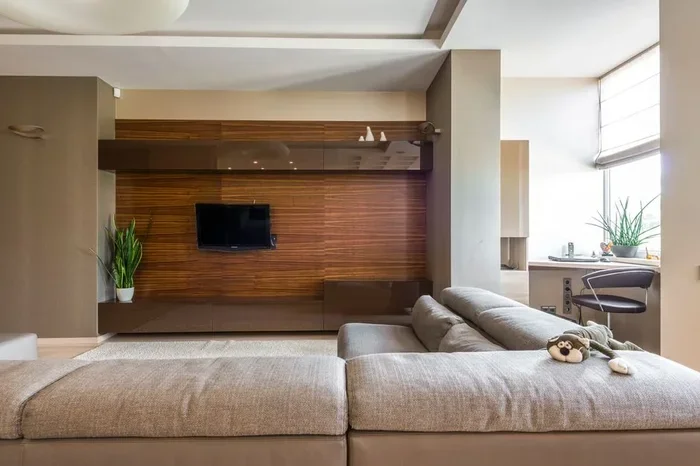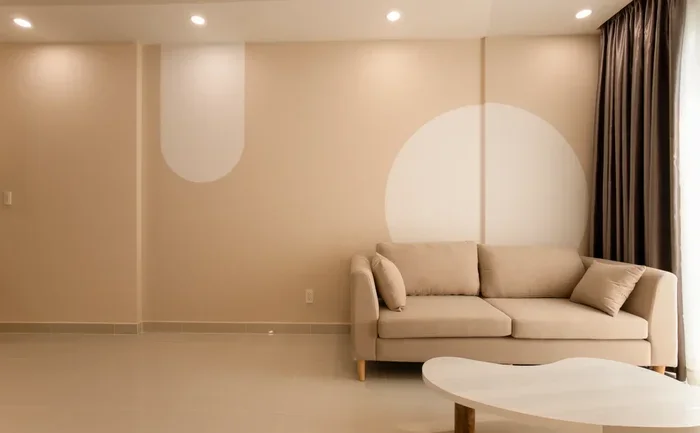
Simple Wall Tiles Design for Living Room Inspiration
Simple wall tiles design for living room is one of the easiest ways to refresh your home without a full renovation. Whether you prefer clean subway tiles, bold geometric patterns, or natural stone textures, the right wall tiles can completely change the feel of your space. This guide covers trending designs, color palettes, placement tips, and budget-friendly options to help you create a stunning living room. You will learn how to choose tiles that match your style, avoid common mistakes, and get professional-looking results on your own.
Simple wall tiles design for living room spaces has become one of the most popular ways homeowners update their interiors. A well-designed tile wall can serve as the focal point of your entire living area. It adds depth, color, and personality without the cost of a full remodel. Whether you are refreshing a tired room or building a new look from scratch, wall tiles give you endless creative freedom.
The beauty of wall tiles lies in their versatility. You can use them to create a subtle accent or go all-in with a dramatic feature wall. They work in small apartments and large open-plan spaces alike. With so many shapes, sizes, colors, and materials available, finding the perfect fit for your home has never been easier.
If you have been searching for inspiration, you are in the right place. This guide walks you through the best simple wall tiles design for living room ideas. You will discover patterns that suit modern, traditional, and eclectic styles. We also share practical tips on materials, placement, and budget so you can make confident decisions.
Key Takeaways
- Subway tiles remain a timeless choice for a clean, modern look in any living room.
- Geometric and herringbone patterns add visual interest without overwhelming the space.
- Natural stone and matte finishes bring warmth and texture to your walls.
- Accent walls are the most impactful way to use wall tiles without committing to every wall.
- Budget-friendly options like ceramic and porcelain tiles make beautiful designs accessible to everyone.
- Proper planning and layout before installation saves time, money, and frustration.
- Mixing tile sizes and textures creates a unique, personalized look that stands out.
📑 Table of Contents
- Why Wall Tiles Work So Well in Living Rooms
- Top Simple Wall Tiles Design Ideas for Living Rooms
- How to Choose the Right Tiles for Your Living Room
- Where to Place Wall Tiles in Your Living Room
- Budget-Friendly Tips for Wall Tile Projects
- Common Mistakes to Avoid
- Expert Insights on Wall Tile Trends
- Final Thoughts
Why Wall Tiles Work So Well in Living Rooms
Wall tiles do more than just look good. They protect your walls from splashes, stains, and everyday wear. In a living room, they add a layer of texture and dimension that paint alone cannot achieve. Tiles are also incredibly durable, which means your investment lasts for years.
One of the biggest advantages of using wall tiles is the ease of maintenance. Unlike wallpaper or painted walls, tiles wipe clean with a damp cloth. They resist moisture, heat, and fading, making them ideal for any climate. This makes them a smart choice for families, pet owners, and anyone who wants a low-maintenance finish.
Another reason wall tiles work so well is their ability to tie a room together. They complement furniture, lighting, and accessories beautifully. A well-chosen tile design can harmonize with your existing decor or serve as the starting point for an entirely new aesthetic. If you want to add accent pieces for living room warmth, wall tiles are an excellent foundation to build upon.
Tile Materials to Consider
Not all tiles are created equal. The material you choose affects the look, feel, and durability of your wall design. Here are the most popular options for living room walls:
- Ceramic tiles – Affordable, versatile, and available in countless colors and patterns. They are the go-to choice for most homeowners.
- Porcelain tiles – Denser and more water-resistant than ceramic. They have a polished finish that looks elegant in any room.
- Natural stone tiles – Marble, travertine, and slate bring organic beauty and unique veining to your walls.
- Glass tiles – Reflect light beautifully and add a touch of glamour. They work well in smaller living rooms where you want to create brightness.
- Cement tiles – Handmade and bold, they bring a retro or artisan vibe that stands out in modern spaces.
Each material has its own charm. Ceramic and porcelain are the most budget-friendly and easiest to install. Natural stone gives a luxurious feel but requires sealing and extra care. Glass tiles are perfect for creating a shimmering accent wall behind a sofa or media unit.
Top Simple Wall Tiles Design Ideas for Living Rooms
Now let us explore the most popular and beautiful wall tile designs you can bring into your living room. These ideas range from classic to contemporary, so you are sure to find something that matches your taste.
1. Classic Subway Tile
The subway tile is the queen of wall tile designs. It has been a favorite for over a century, and for good reason. Its clean, rectangular shape creates a timeless look that never feels outdated. You can lay subway tiles in a classic brick pattern or stack them horizontally for a sleek, modern appearance.
Subway tiles work beautifully in white or cream for a bright, airy feel. But you can also try soft pastels like blush pink, sage green, or light blue for a subtle pop of color. They pair perfectly with wooden furniture and warm lighting. If you love the clean look of subway tiles, check out our guide on how to style open shelves in your living room to complement the tile work.
2. Herringbone and Chevron Patterns
Herringbone and chevron patterns add movement and visual depth to any wall. The zigzag arrangement catches the light differently at every angle, making your living room feel dynamic and interesting. These patterns work especially well with porcelain and ceramic tiles in medium sizes.
Herringbone tiles laid diagonally create the illusion of a larger space, which is perfect for smaller living rooms. Chevron patterns, where the tiles meet at a precise point, give a more structured and formal look. Both patterns make a statement without being overwhelming. They are one of the best ways to add a tile accent wall that draws the eye and becomes a conversation starter.
3. Geometric and Mosaic Designs
Geometric wall tiles bring a bold, artistic energy to your living room. Hexagonal shapes, diamond patterns, and Arabic-inspired mosaics are trending right now. These designs work best as accent walls or decorative borders rather than full-wall applications.
Mosaic tiles are small and versatile, allowing you to create intricate patterns and images. You can use them to form abstract art on a single wall or frame a fireplace opening. The key with geometric designs is to keep the rest of the room simple. Let the tiles do the talking. Pair them with neutral furniture and minimal accessories for a balanced look.
4. Matte and Textured Tiles
Matte wall tiles have exploded in popularity over the past few years. They offer a sophisticated, understated look that feels modern and cozy at the same time. Unlike glossy tiles, matte finishes do not show fingerprints or water spots, making them practical for everyday living.
Textured tiles add a tactile dimension to your walls. Think of softly embossed surfaces, rough stone finishes, or ribbed patterns. These tiles catch light in interesting ways and create depth even in a single color. Matte and textured tiles pair wonderfully with natural wood furniture and greenery. They are an excellent choice if you want your living room to feel warm and inviting.
5. Minimalist Single-Color Walls
Sometimes the simplest design is the most powerful. A single-color tile wall in a muted tone like soft gray, warm beige, or dusty white creates a serene backdrop for your living room. This approach works beautifully in minimalist and Scandinavian-style interiors.
The trick to pulling off a single-color wall is to pay attention to texture. Use tiles with subtle surface variations so the wall does not look flat. A lightly textured matte tile in one shade adds just enough interest to keep the space feeling alive. This approach also makes it easy to change your room’s look later by simply swapping out accessories and furniture.
How to Choose the Right Tiles for Your Living Room
Choosing tiles for your living room involves more than picking a pretty design. You need to consider size, color, finish, and how the tiles will interact with your existing furniture and decor. Here is a practical guide to help you make the best choice.
Consider Your Room Size
In small living rooms, large tiles with light colors make the space feel bigger. Small tiles or busy patterns can make a compact room feel cluttered. In large living rooms, you have more freedom. You can go bold with dark colors, large formats, or intricate patterns without overwhelming the space.
Match Your Existing Decor
Look at your furniture, flooring, and window treatments before choosing tiles. Your wall tiles should complement these elements rather than compete with them. If your furniture is dark and bold, choose lighter, simpler tiles. If your furniture is light and neutral, you can experiment with deeper or more colorful tile designs.
Think about the overall style you want. For a modern look, choose sleek porcelain tiles in neutral tones. For a rustic vibe, consider natural stone or handmade cement tiles. You can also browse our collection of aesthetic living room ideas for more inspiration on how tiles fit into a complete room design.
Test Before You Commit
Always order a sample before purchasing a full batch of tiles. Place the sample on your wall and observe it at different times of day. Natural light and artificial light change how a tile looks dramatically. A tile that looks perfect under your bright living room lights might feel too dark in the evening.
Also, lay out a few tiles on the floor to see how they interact with your furniture. This simple step can save you from costly mistakes and buyer’s remorse. It gives you a real sense of how the finished wall will look in your actual space.
Where to Place Wall Tiles in Your Living Room
Wall tiles do not have to cover every inch of your living room. Strategic placement creates the most impact. Here are the best locations to consider for your tile design.
- Fireplace surround – Tiling around your fireplace is a classic move that adds warmth and texture to the room’s centerpiece.
- TV wall – An accent tile wall behind your television creates a stylish backdrop that frames your media area.
- Behind a sofa – A tile feature wall behind your sofa adds depth and makes the seating area feel intentional and designed.
- Entryway or transitional wall – Tiling the wall you see first when entering the room sets the tone for the entire space.
- Shelving and display areas – Tiling the back wall of your shelves, as seen in how to decorate shelves in living room designs, adds a polished and curated look to your display areas.
The fireplace surround remains the most popular choice because it anchors the room. A tiled fireplace wall draws attention and makes the space feel complete. If you do not have a fireplace, the TV wall is the next best option. It gives your entertainment area a polished, designed look that elevates the entire room.
Budget-Friendly Tips for Wall Tile Projects
A beautiful tile wall does not have to break the bank. With smart planning and the right choices, you can achieve a stunning look on a budget. Here are some practical tips to keep costs down.
- Choose ceramic over natural stone. Ceramic tiles cost significantly less and still look beautiful. They come in designs that mimic marble and stone at a fraction of the price.
- Buy overstock or closeout tiles. Many tile stores sell discontinued lines at steep discounts. These tiles are often high quality and perfectly stylish.
- Focus on one accent wall. You do not need to tile every wall. One well-designed accent wall makes a bigger impact than four average walls.
- DIY the installation. If you are handy, installing wall tiles yourself can save hundreds of dollars in labor costs. There are many online tutorials that walk you through the process step by step.
- Skip grout lines where possible. Large-format tiles with narrow grout lines look modern and also reduce the amount of grout you need to buy and apply.
Remember, the most expensive part of a tile project is usually the installation. Doing the prep work and layout yourself can save a significant amount. If you do hire a professional, get at least three quotes and ask for references. A well-planned tile project adds real value to your home and pays for itself over time.
Common Mistakes to Avoid
Even the best design ideas can go wrong if you skip the planning. Here are common mistakes homeowners make when installing wall tiles:
- Skipping the layout plan. Always draw your tile layout on paper or use a design app before you start. This helps you avoid awkward cuts and ensures symmetry.
- Choosing the wrong tile size. Oversized tiles in a small room look cramped. Undersized tiles in a large room look busy and chaotic. Match the tile size to your room proportions.
- Ignoring grout color. Grout is a design element, not an afterthought. Light grout makes tiles pop. Dark grout creates a bold graphic effect. Choose your grout color with the same care you give your tiles.
- Not sealing natural stone. If you choose marble or travertine, sealing is essential. Unsealed stone absorbs stains and moisture, leading to damage over time.
- Overcomplicating the design. Simple patterns often look better than complex ones. A herringbone or straight lay is elegant and timeless. Save the intricate mosaics for smaller accent areas.
Avoiding these mistakes keeps your project on track and your results looking professional. Take your time with planning, and do not rush the installation process. Patience is the secret ingredient in every beautiful tile project.
Expert Insights on Wall Tile Trends
Interior designers agree that wall tiles are more popular now than they have been in decades. The trend is moving toward natural textures, warm neutrals, and handmade-inspired designs. Homeowners are moving away from glossy, high-gloss tiles and embracing matte, organic finishes.
One emerging trend is the use of mixed tile sizes on a single wall. Combining large-format tiles with smaller accent pieces creates a dynamic, layered look. This approach works especially well in open-plan living rooms where the tile wall needs to feel intentional and cohesive.
Another trend is the return of classic patterns with a modern twist. Herringbone subway tiles, for example, combine the timeless subway shape with a contemporary zigzag layout. This gives you the best of both worlds. If you want to keep your living room looking current for years, choose designs that are rooted in classic principles but have a fresh, modern edge.
For more ideas on how to incorporate tiles into your overall living room layout, check out our guide on how to place furniture in living room. Proper furniture placement enhances the impact of your tile wall and creates a cohesive, well-designed space.
Final Thoughts
Simple wall tiles design for living room spaces offers an incredible opportunity to transform your home with style and intention. Whether you choose the timeless elegance of subway tiles, the bold energy of geometric patterns, or the warm beauty of natural stone, the right tiles can elevate your entire living room. The key is to plan carefully, choose materials that suit your lifestyle, and let your personal taste guide the design.
Start with one accent wall and build from there. You can always expand your tile project as you grow more confident and inspired. The most important thing is to enjoy the process and create a space that feels like you. Your living room is your sanctuary, and wall tiles are one of the most powerful tools you have to make it truly yours.
Take the ideas from this guide, mix and match what resonates with you, and start planning your tile wall today. With the right design and a little patience, you will have a living room that turns heads and feels absolutely like home.
Frequently Asked Questions
What is the best tile for a living room wall?
Ceramic and porcelain tiles are the best choices for living room walls. They are affordable, durable, and come in countless designs. Porcelain is slightly more water-resistant and has a smoother finish, making it ideal for a polished look.
How many wall tiles do I need for a living room?
Measure the height and width of each wall you plan to tile. Multiply the height by the width to get the total square footage. Add 10 to 15 percent extra for cuts and waste. This ensures you have enough tiles to complete the project without running short.
Can I install wall tiles myself?
Yes, wall tile installation is a very doable DIY project if you have basic tools and patience. You will need a level, tile spacers, a notched trowel, and tile adhesive. Start with a small accent wall to build your confidence before tackling larger areas.
What color tiles make a living room look bigger?
Light-colored tiles in white, cream, soft gray, or pale blue make a living room feel more open and spacious. Large-format tiles with minimal grout lines also create the illusion of a bigger, cleaner space.
How do I clean and maintain wall tiles?
Wipe wall tiles with a damp cloth and mild soap. For grout lines, use a soft brush and a baking soda paste. Avoid harsh chemical cleaners that can damage the tile finish. Sealing natural stone tiles once a year helps protect them from stains and moisture.
Are wall tiles expensive compared to paint?
Wall tiles cost more upfront than paint, but they last significantly longer and require less maintenance. Over time, the durability and visual impact of tiles often make them a better investment than repainting every few years.
=== CONCLUSION ===
Simple wall tiles design for living room spaces gives you the power to completely transform your home with style and confidence. From classic subway patterns to bold geometric layouts, there is a tile design for every taste and budget. The key is to choose tiles that reflect your personality and complement your existing decor.
Remember to plan your layout carefully, test your samples in the actual space, and focus on one accent wall for maximum impact. Whether you are a seasoned DIYer or a first-time installer, wall tiles are a rewarding project that adds real value to your home. Start small, have fun with the process, and watch your living room come alive with the beauty of well-chosen tiles.